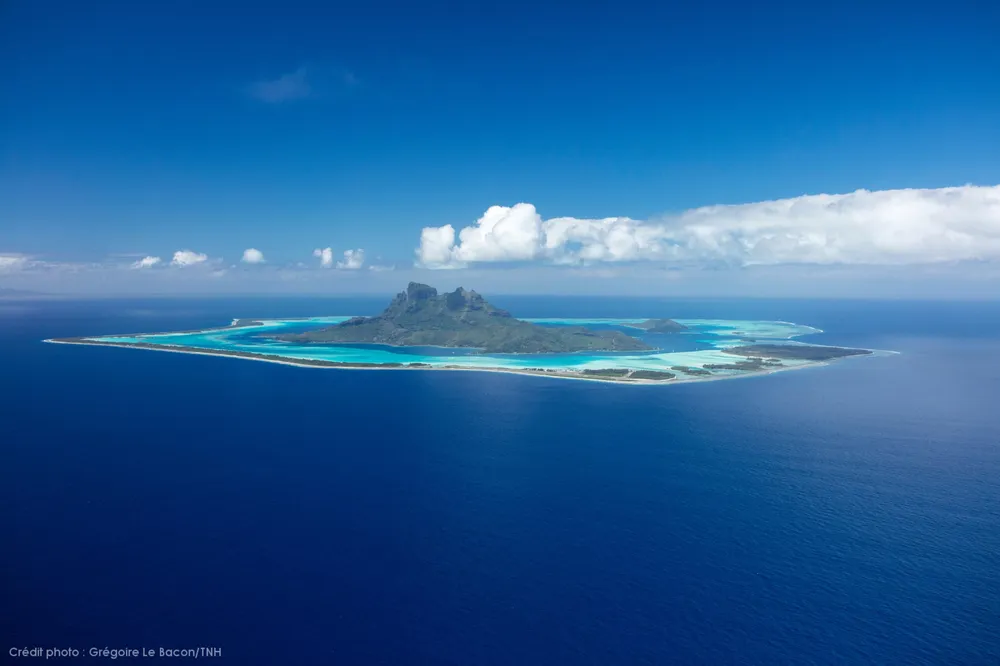
Bora Bora's beaches are less about choosing between dozens of public strands and more about understanding how the island is laid out. The main island, crowned by Mount Otemanu, is circled by a coast road of about 32 km (20 miles). Around it lies a lagoon of roughly 3,800 hectares, then a ring of motu, the low coral islets on the barrier reef. Most of the soft white sand is on those motu and at the island's southern tip. This guide explains where you can swim, which beaches are open to everyone and how to reach the rest.
Matira: the public beach
Air Tahiti Nui's island guide notes that Matira is Bora Bora's only public beach. It runs along both sides of Matira Point at the southern end of the main island, and anyone can reach it by car, scooter, bike or the coast road on foot. The water is shallow and clear a long way out, which makes it good for wading and gentle snorkelling, and rays often pass close to shore. Tahiti Tourisme's Matira listing mentions a park with a picnic area next to the beach and access for wheelchair users with assistance.
Air Tahiti Nui suggests seeing Matira at sunset at least once, when the lagoon colours shift as the light drops. The beach is also the finish of the Hawaiki Nui Va'a, the outrigger canoe race linking Huahine, Raiatea, Taha'a and Bora Bora, usually held towards the end of October. On race day the beach fills with crowds welcoming the crews home.
Hotel and motu beaches
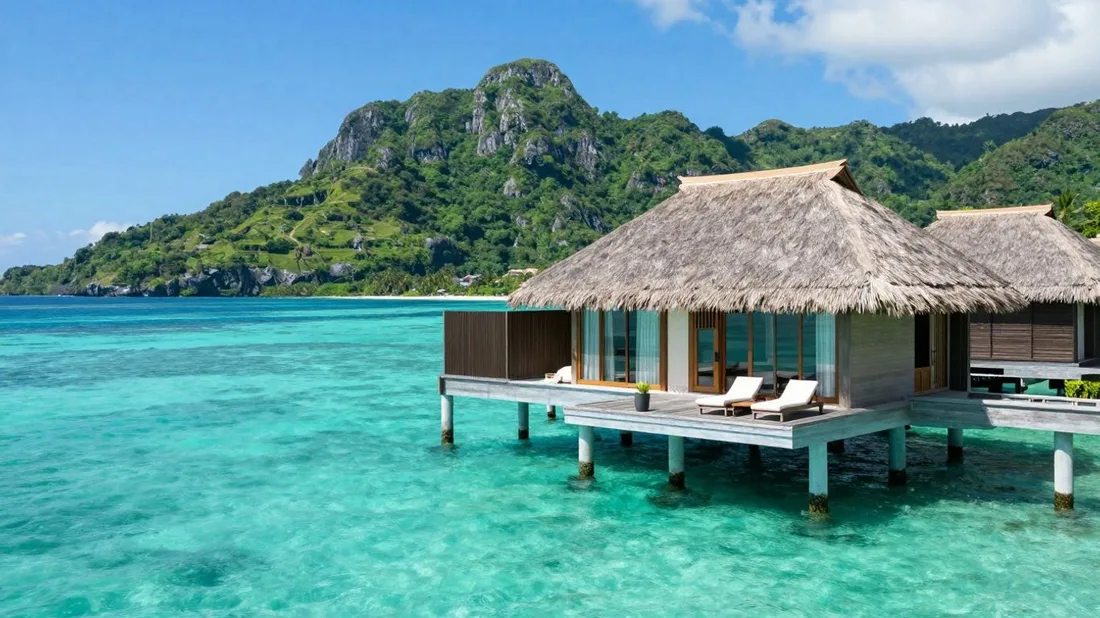
Tahiti Tourisme explains that each hotel beach, on the main island or on a motu, is reserved for that hotel's guests. If you're staying on a motu resort, your beach is part of the stay, along with views back to Otemanu. If you're staying on the main island or in a guesthouse, the usual way to enjoy a motu beach is a lagoon tour that includes a picnic stop on an islet. Tours typically combine snorkelling with reef sharks and rays, a coral garden stop and lunch on the sand.
Choosing your beach day
For swimming and families
Matira's gently shelving sand is the easiest swimming on the main island. Arrive in the morning for shade under the trees and calmer water before the wind picks up. Bring water shoes for coral patches, plus drinking water. Several hotels along the beach have restaurants open to the public, and Air Tahiti Nui notes their dining areas look out over the water. From Vaitape, Matira is reached by following the coast road south; a rental car, scooter or bicycle gives you the freedom to stay into the evening.
For snorkelling
Shore snorkelling at Matira is pleasant, but the richer coral is on guided trips to the reef side of the lagoon and to coral gardens near the motu. Our snorkelling tours guide compares half-day and full-day options. Kayaks and paddleboards are a good way to reach nearby sandbanks under your own power; see our kayaking guide for routes and safety.
For views and photography
Some of the classic views of Otemanu are from the motu across the lagoon, which is one reason picnic tours stop there. On the main island, viewpoints along the coast road add a different angle. Our photo spots guide covers timing and light.
For a quieter day
Weekday mornings at Matira are usually calmer than weekends and public holidays, when local families come to swim and picnic. A private boat charter with a motu stop is the other way to find space, booked through a licensed lagoon operator.
Make the visit respectful
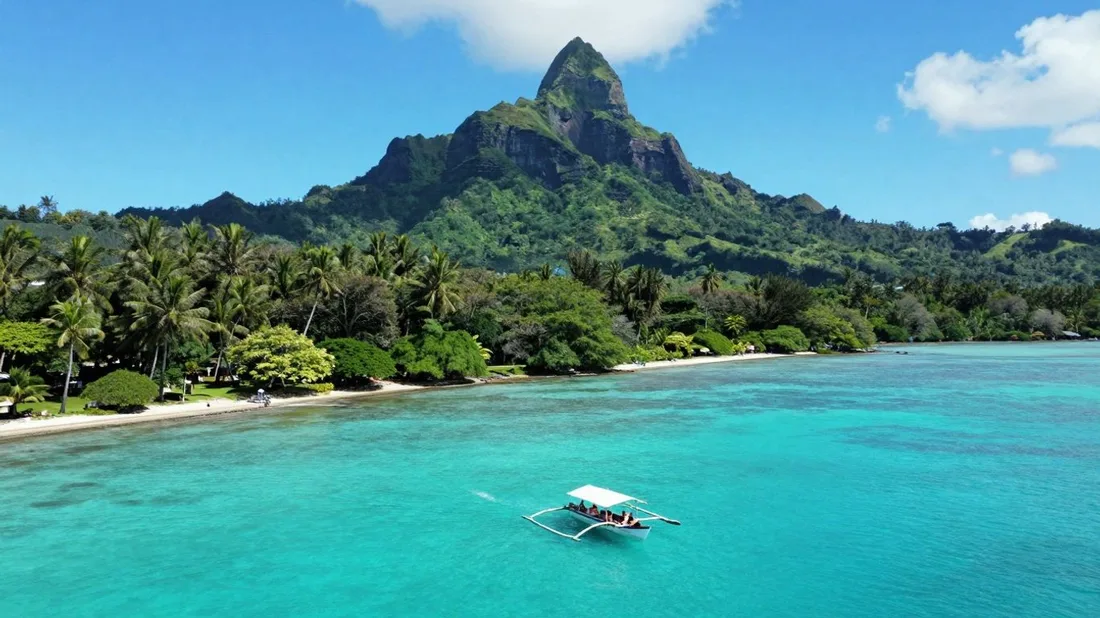
Matira is a local beach as well as a visitor one. Keep music low, leave the picnic tables as clean as you found them and take every piece of rubbish away with you. Motu belong to families, hotels or the community even when they look empty, so land only where your guide or operator has permission. Don't collect shells or coral, avoid standing on coral heads and never feed rays or fish on your own.
Water safety
The Government of Canada notes that lifeguards don't usually supervise beaches in French Polynesia and that currents can be strong. The lagoon is generally calm, but conditions change with wind and tide. Boat and jet-ski traffic is real, so swim and snorkel close to shore and inside marked areas, and tow a bright float if you snorkel further out. Reef shoes protect against coral cuts and stonefish in silty shallows. Treat any graze promptly, because small cuts infect easily in the tropics.
Common planning mistakes
Expecting to walk onto any beach you see from the plane, assuming a guesthouse on the main island comes with resort-style sand, and leaving the lagoon tour for the last day when wind might cancel it.
Accessibility and individual needs
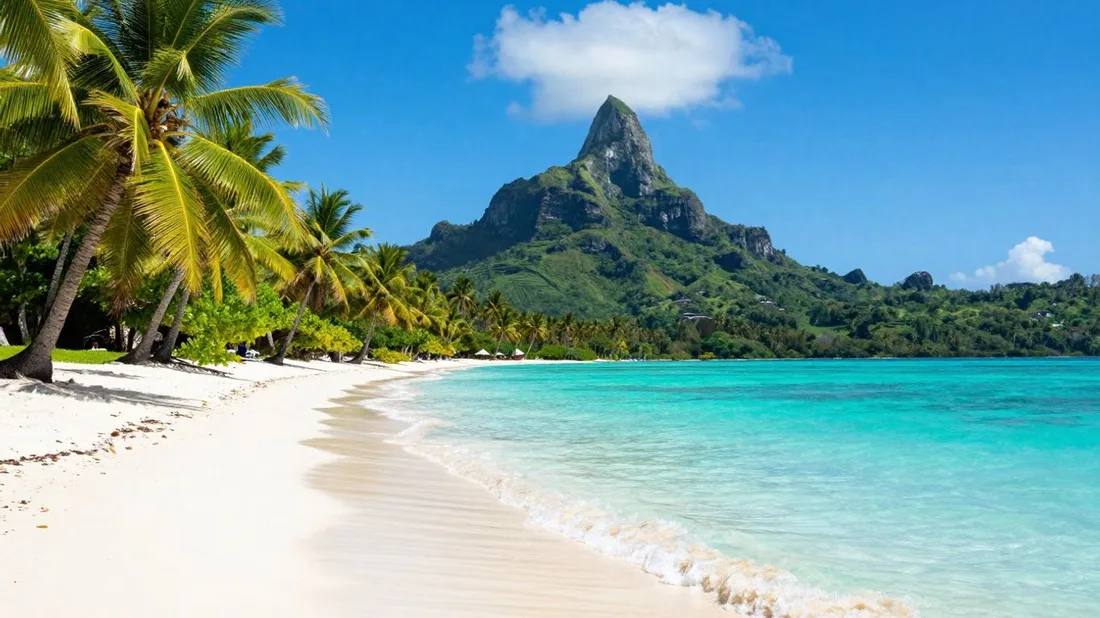
Matira is the most accessible beach on Bora Bora: it is reached by road, close to parking and flat, and Tahiti Tourisme lists it as wheelchair-accessible with assistance. Sand wheelchairs aren't guaranteed, so ask your hotel whether it can lend one. For motu picnics, boarding usually means stepping from a boat into knee-deep water. Ask the operator how it handles guests with limited mobility before booking.
Sun and heat
White sand and shallow water reflect a lot of sunlight. Plan beach time for the morning and late afternoon, use reef-safe sunscreen and a hat, and give children a shady break every hour. A rash vest is the simplest protection for long snorkels.
On the day
If the wind is up, ask your host or operator which spots are sheltered that day before setting out, and keep the boat tour flexible. For more on the lagoon itself, see our Bora Bora lagoon guide.