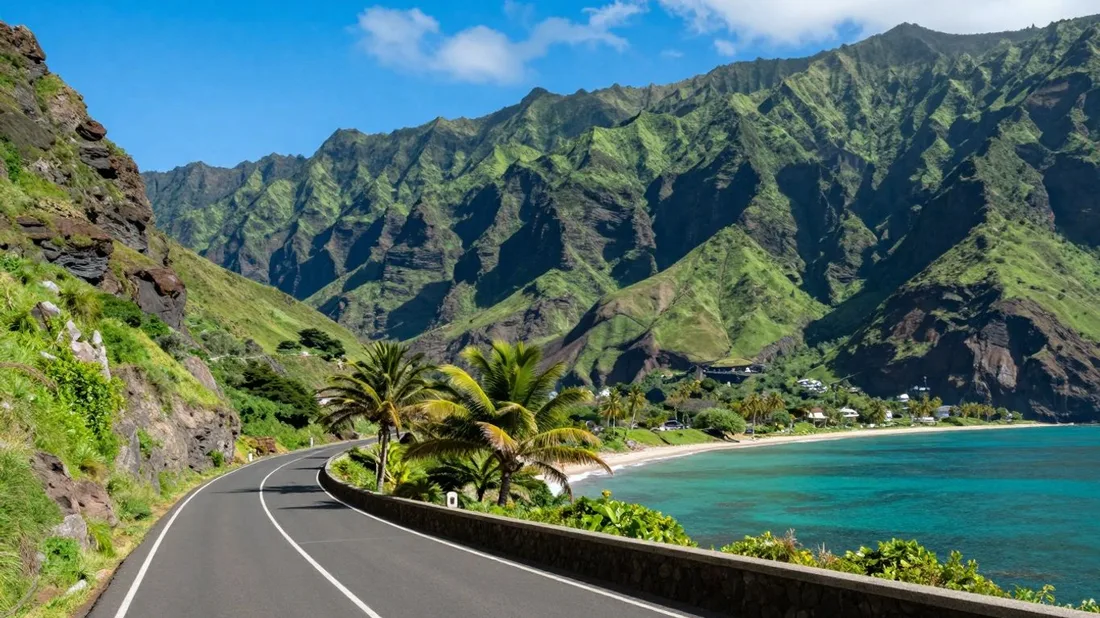
Moorea is a volcanic Society Island close to Tahiti, recognized by the two great bays—Cook and Opunohu—separated by Mount Rotui. The combination of mountain scenery, lagoon, beaches, villages and a broad range of accommodations makes it one of French Polynesia’s most flexible island choices. It can suit couples, families, independent travelers and active itineraries without requiring everyone to spend the trip in the same way.
Easy access is part of Moorea’s appeal, but the island deserves more than being treated as a quick extension of Tahiti. A good stay balances the coast and interior: perhaps a lagoon day, time in Opunohu Valley, a beach or slower afternoon, and enough freedom to explore local food and craft. Where you stay strongly affects transport, restaurants and daily activity access.
Why choose Moorea?
Moorea offers more variety than an island itinerary focused only on a resort. Tahiti Tourisme highlights lagoon excursions, snorkeling, beaches, hiking, pineapple country, marae, viewpoints and cultural experiences. The island’s coastal road also makes independent exploration practical for travelers comfortable driving, while guided tours add context and remove the need to manage unfamiliar roads or activity logistics.
The right pace depends on priorities. Active travelers can combine water and mountain days. Couples may prefer privacy, dining and a few selected excursions. Families can choose protected water access and age-appropriate land activities. Avoid filling every day simply because options exist; Moorea is equally rewarding when one planned outing is followed by unstructured time.
Exploring Moorea’s lagoon
Lagoon tours commonly include snorkeling, motu stops and views back toward the mountains and bays. Routes and inclusions vary by operator, weather and sea conditions. Some outings visit areas associated with rays or blacktip reef sharks, but wildlife is never guaranteed and respectful practices matter. Choose a qualified operator that explains safe distances, current, entry and exit procedures, and rules around feeding or touching animals.
Independent swimming, kayaking and paddleboarding may be possible from some accommodations or public access points. Ask whether equipment is included or rented, whether the shoreline is suitable at different tides, and what supervision is available for children or uncertain swimmers. Coral can be close to the surface, so use designated entry points and avoid standing on or touching the reef.
Opunohu Valley, Belvedere and the interior
Opunohu Valley reveals the mountainous side of Moorea. The Belvedere viewpoint looks toward Cook and Opunohu bays with Mount Rotui between them, while the wider valley includes trails, agricultural landscapes and archaeological places. Travelers can explore through guided hiking, 4x4, bicycle, e-bike or other organized activities, depending on fitness, weather and current access.
A guide can explain Polynesian history, land use, plants and local stories that are easy to miss on a scenic drive. Hiking difficulty varies, and heat or rain can change the experience. Confirm trail conditions, footwear and physical expectations before setting out. Visits to marae and other cultural places require respect; follow signs and local guidance rather than treating them as decorative ruins.
Beaches and coastal areas
Moorea has public and accommodation-linked beach access around the island, including areas near Temae, Tiahura and the north coast. Each shoreline differs in exposure, coral, facilities and ease of swimming. A famous name does not guarantee that it is the best beach for a particular day or traveler. Ask locally about wind, current and access, especially when traveling with children or anyone with limited mobility.
The west side is often chosen for sunsets and lagoon-oriented stays, while the north places travelers near the two bays and many excursions. The east and southeast can simplify airport or ferry logistics and offer a different, more residential rhythm. Rather than ranking one coast as universally best, match the location to planned activities, dining preferences and willingness to drive.
Seasonal marine activities
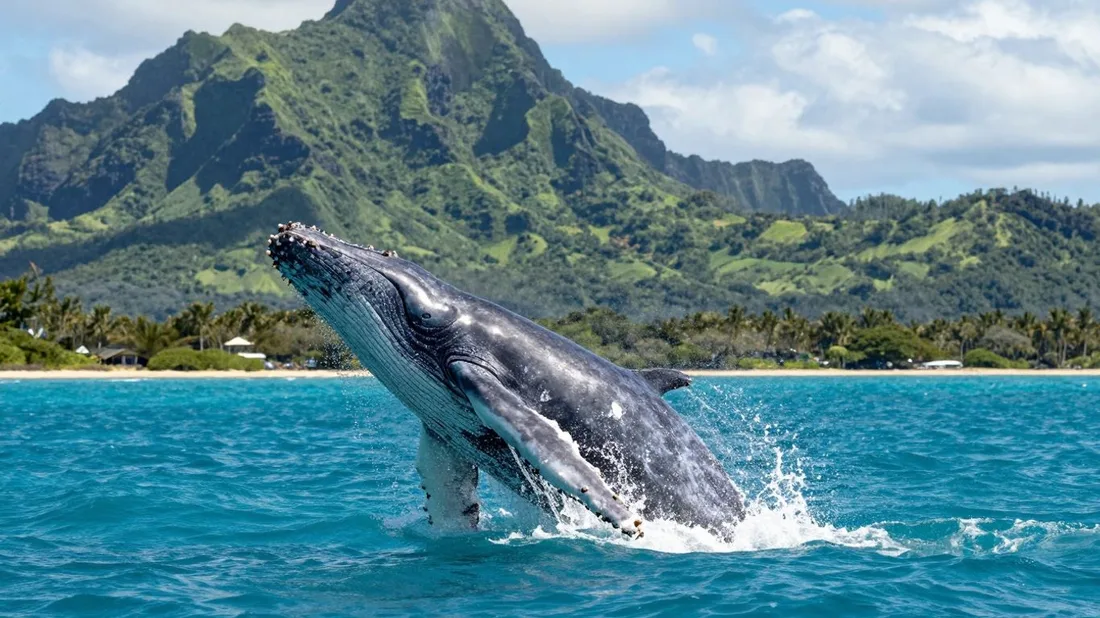
Humpback-whale observation is seasonal in French Polynesia and subject to regulations, authorized operators and daily conditions. Rules and operating periods can change. Travelers interested in whale watching or an in-water experience should verify current government guidance and use an appropriately authorized operator. No encounter should be promised, and choosing Moorea should not depend on a guaranteed sighting.
Diving and other marine excursions are also shaped by weather, visibility and participant experience. Share certifications, swimming ability and medical considerations with the provider. Mixed groups can plan separate activities and meet later, which is often more enjoyable than asking every traveler to join the same demanding excursion.
Food, craft and local context
Moorea’s food ranges from casual roadside and beachside options to hotel dining, with local fruit, seafood and French Polynesian influences appearing in different settings. Pineapple is closely associated with the island, and tours or stops may explain cultivation and local products. Opening days and reservations vary, so build dining around the accommodation location instead of assuming every restaurant is easy to reach.
Craft, dance and cultural activities can add depth when they are led by local practitioners and described accurately. Ask before photographing people or ceremonies, and buy directly from makers when possible. The most useful experiences connect visitors with present-day island life rather than presenting Polynesian culture as a static performance.
Getting to and around Moorea
Moorea can be reached from Tahiti by passenger ferry from Papeete or by domestic flight. Crossing times, schedules, luggage rules and vehicle availability vary, so confirm the current service for the travel dates. The ferry terminal at Vaiare and the airport are separate arrival points; the best choice depends on the international arrival, accommodation location and whether a rental vehicle is needed.
Rental cars offer flexibility for travelers exploring several parts of the island. Taxis, hotel shuttles, scooters, bicycles and e-bikes may also be available, while public transport is limited. Reserve vehicles during busy periods and confirm insurance, licensing and pickup details. Do not rely on walking between distant attractions or on-demand transport working like it does in a large city.
Where to stay in Moorea
Accommodation ranges from Tahitian guesthouses and vacation rentals to hotels, overwater bungalows, garden units and sailboat stays. The north coast around Cook and Opunohu bays provides scenery and access to many activities. The west around Tiahura and Haapiti suits lagoon and sunset priorities. Areas near Temae, Teavaro and Vaiare can simplify arrival logistics, while quieter southern locations may trade convenience for a more residential setting.
Compare the complete stay: swimming access, road noise, meals, nearby dining, air-conditioning or fans, transfer arrangements, activity pickup, accessibility and the need for a car. A lagoonfront photograph does not reveal current, coral underfoot or distance to services. Guesthouses can offer valuable local knowledge; larger hotels can provide a broader service structure. Choose the style that fits the traveler rather than a generic ranking.
When to visit and how long to stay
Moorea welcomes visitors through the year, with seasonal differences in rainfall, heat, trade winds and marine activity. No month guarantees clear skies or calm water. Choose dates according to the activities that matter, then verify current advice. Travelers interested in seasonal wildlife should treat the official operating period as a planning window, not a promise of an encounter.
There is no single ideal stay length. Allow time for the arrival, lagoon and land experiences you value and at least one slower day. A brief stay can work in a simple Tahiti–Moorea plan, while a longer stay suits travelers combining hiking, water activities and relaxation. Let the complete itinerary and transport schedule determine the number of nights.
Combining Moorea with other islands
Tahiti and Moorea form the easiest pairing because of their frequent transport links and contrasting city, mountain and lagoon experiences. Bora Bora, Huahine, Raiatea and Taha’a can add different Society Island settings; the Tuamotus or Marquesas create a stronger contrast but require more travel time. Avoid adding islands only for variety. Fewer bases with enough time in each usually make better use of the journey.
Plan time on Tahiti before or after Moorea
Frequently asked questions
How do you get from Tahiti to Moorea?
Travelers can use a passenger ferry from Papeete or a domestic flight. Check current schedules, luggage rules and onward transfers for the exact dates.
Do you need a rental car on Moorea?
A car is useful for exploring several coasts and the interior, but some travelers use organized excursions, taxis or accommodation transfers. Choose based on location and daily plans.
Where is the best area to stay on Moorea?
There is no universal best area. The north suits bay scenery and many activities, the west suits lagoon and sunset priorities, and eastern areas can simplify airport or ferry access.
Can families enjoy Moorea?
Yes. Families can combine beaches, suitable lagoon outings and land activities, but should match swimming conditions, transport and excursion difficulty to the children and adults traveling.
How many nights should you spend on Moorea?
The right length depends on whether the plan includes lagoon touring, the interior, beaches and relaxation. Allow enough time to avoid compressing every experience into consecutive excursion days.