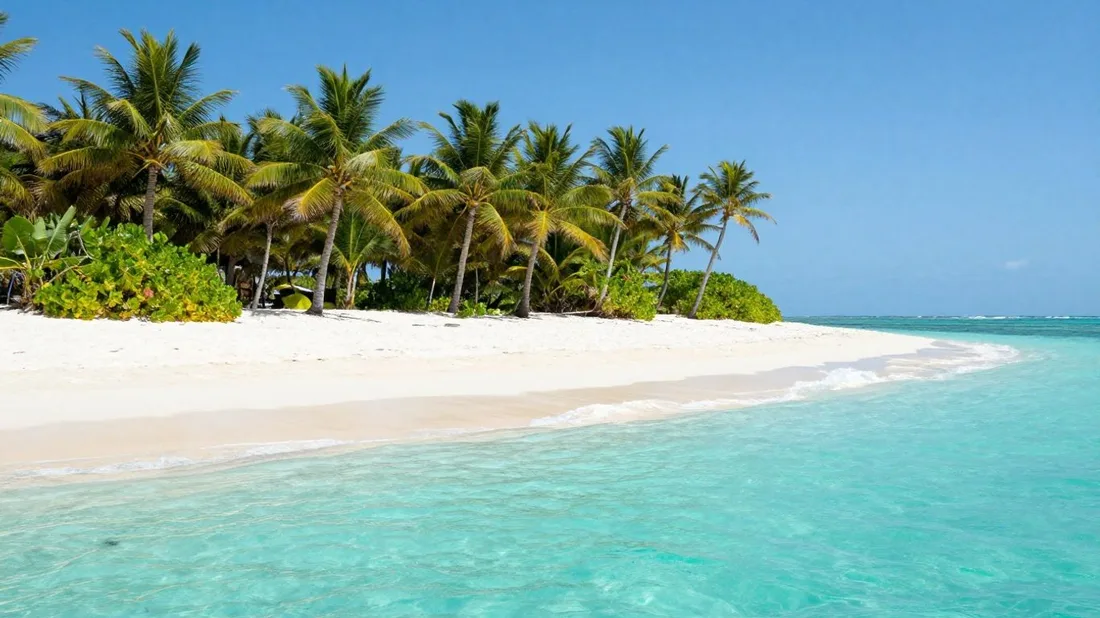
Fakarava is a large coral atoll in French Polynesia’s Tuamotu Islands, known for its lagoon, two major passes and strong relationship between island life and the marine environment. Fakarava and neighboring atolls form a UNESCO-designated biosphere reserve, a status that recognizes ecological value but should not be confused with a World Heritage listing. For visitors, that context reinforces the importance of qualified operators and respectful behavior in sensitive places.
Diving is a major reason to travel here, but it is not the only one. Snorkeling, lagoon outings, cycling, beaches, pearl and craft traditions, small villages and time at a family-run guesthouse can shape an equally meaningful stay. Fakarava suits travelers who appreciate limited services and a slower atoll rhythm more than resort entertainment, shopping or nightlife.
Why choose Fakarava?
Tahiti Tourisme highlights both the richness of Fakarava’s marine environment and the everyday life found above the water. The atoll’s scale allows very different experiences in the north and south. Rotoava and the airport are in the north near the broad Garuae Pass, while Tumakohua Pass and Tetamanu are far to the south. Treating those areas as interchangeable can create unrealistic travel days.
Start by deciding whether the trip is primarily for diving, a balance of water and rest, or a quiet guesthouse stay with selected excursions. Then choose location and length around that purpose. A traveler who wants repeated south-pass dives may need a different base from someone who prioritizes easy airport access, cycling near Rotoava and north-lagoon outings.
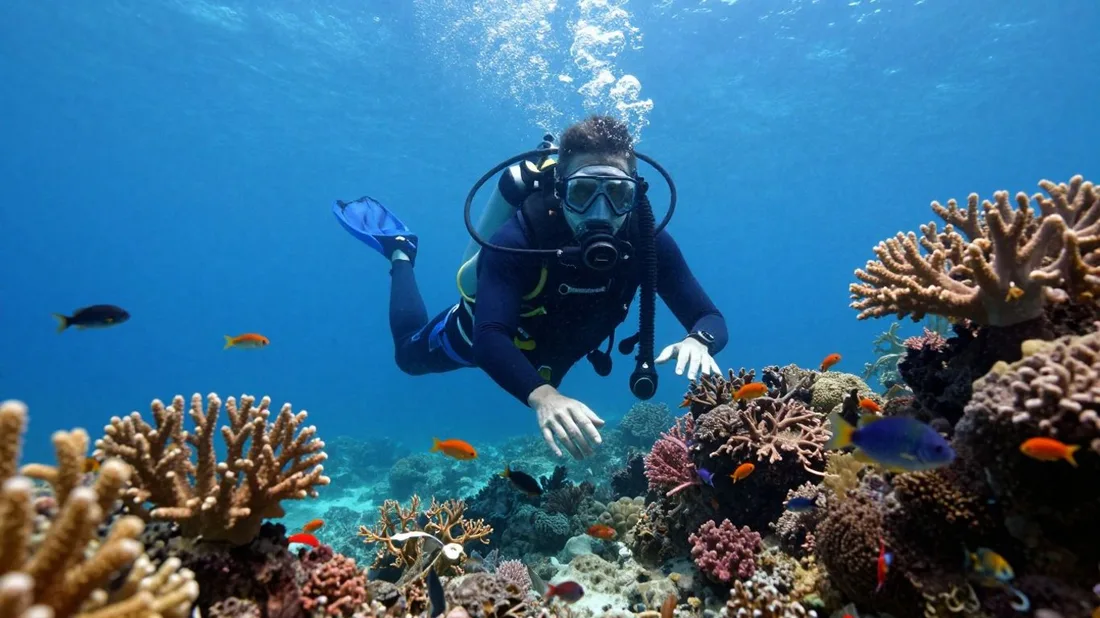
Diving Garuae and Tumakohua passes
Garuae Pass in northern Fakarava is a major channel where current can create demanding drift conditions and concentrated marine activity. Tumakohua Pass in the south is associated with the well-known gathering often described as a wall of sharks. These names do not describe a guaranteed experience: tide, season, weather, visibility and participant ability all influence the dive.
Choose a professional dive center and provide accurate information about certification, logged dives, recent experience and comfort in current. Ask how the operator selects sites and timings, what level is expected, how groups are organized and what happens when conditions change. A qualified operator may recommend a different site or decline a dive; that is a safety decision, not a failure of the itinerary.
Wildlife can include sharks, rays, turtles, barracuda, groupers and many reef species, but no animal should be promised. Follow the dive center’s guidance on marine conduct and the appropriate interval between the final dive and flying. Travelers focused on a particular pass should protect more than one possible water day.
Snorkeling and lagoon excursions
Fakarava can also work well for non-divers. Guided snorkeling, boat trips, kayaking, paddleboarding and motu visits may provide access to coral and lagoon scenery without scuba. Conditions still matter. Ask whether a snorkeling site involves current, a boat entry or deep water, and whether guide support and flotation equipment are available.
Lagoon outings vary in distance and content. A north-based excursion may include motu, reef or beach stops, while reaching the far south from Rotoava can require a long day on the water. Compare boat comfort, shade, group size, meal arrangements and time spent traveling. One well-matched excursion is usually more rewarding than choosing solely by the longest list of stops.
Rotoava and north Fakarava
Rotoava is the principal village and the practical base for many first-time visitors. It is relatively close to the airport and provides access to local services, accommodations, cycling and north-pass dive operations. Roads are quiet, but heat and distance still affect bicycle plans. Confirm whether a property provides or rents a bicycle rather than assuming one is included.
Time around the village can include lagoon views, craft, pearl-related experiences and a closer look at daily atoll life. Shops, restaurants, cash access and opening hours are limited compared with Tahiti. Bring an appropriate payment backup, confirm included meals and ask the accommodation what can be purchased locally.
Tetamanu and south Fakarava
Tetamanu and Tumakohua Pass offer a more remote experience centered on the south of the atoll. The area is associated with pass diving, a historic coral church and a sparse level of services. Reaching it from the north can involve substantial boat time, and staying in the south creates different expectations around comfort, meals, power, connectivity and medical access.
Travelers considering a south stay should ask detailed questions about the transfer, luggage, dive operation, room facilities, dietary needs and backup arrangements. The remoteness can be rewarding when chosen deliberately; it should not be marketed as effortless luxury. Weather and sea conditions may affect movement between the two ends of the atoll.
Beaches, cycling and island culture
Fakarava’s white and pink-toned beaches, coconut landscapes and wide sky support days with little formal schedule. Cycling or walking near a chosen base can reveal village and lagoon life at a human pace. Boat access may be necessary for some beaches or motu, so ask before treating a photographed location as independently reachable.
Shell jewelry, pearl cultivation, food and community events are part of the island’s economy and culture. Buy from local makers where possible and ask before photographing people or ceremonies. Fishing and reef use are also living practices. A respectful visit recognizes that the biosphere reserve is a home and working environment, not only a visitor attraction.
Getting to and around Fakarava
Most visitors arrive by domestic flight from Tahiti, while some itineraries may connect Fakarava with Rangiroa or other islands. Routes and operating days change, so confirm the actual schedule before fixing accommodations and dives. Sailboat and small-ship travel provide alternatives with very different timing and comfort.
Arrange airport pickup with the accommodation. On land, walking, bicycles and limited vehicle options may be used depending on location; boats are essential for many lagoon experiences and for reaching distant areas. Confirm baggage limits, transfer timing and a buffer before the international departure. A fragile same-day connection can undermine an otherwise relaxed itinerary.
Where to stay
Fakarava accommodation is primarily small-scale: Tahitian guesthouses, vacation rentals, camping and sailboat stays are listed by Tahiti Tourisme. Many guesthouses include some meals, but inclusions differ and must be confirmed. North stays generally simplify flights and services; south stays place travelers closer to Tumakohua Pass; other lagoon-side properties may emphasize privacy and water access.
Compare transfer arrangements, meals, dive-center access, snorkeling, room cooling, power, connectivity, cash requirements, mobility and medical support. Choose the property that supports the intended experience rather than relying on broad labels such as authentic, luxury or off-grid.
When to visit and how long to stay
Fakarava is visited through the year, with changes in rain, heat, wind, current and marine patterns. No season guarantees visibility, calm water or wildlife. Ask dive centers and accommodations about the conditions most relevant to the intended activities. Current local advice is more useful than a universal statement about the best month.
There is no fixed ideal stay. Allow for flights and transfers, the number of desired water days and some flexibility. A north-only stay is simpler; combining north and south adds travel and should receive enough time. The final length should follow the experience and schedule rather than a standard three-, four- or five-night rule.
Combining Fakarava with other islands
Rangiroa can create a diving-focused Tuamotu pairing with different passes and land-based options. Tikehau offers another atoll rhythm, while Tahiti or Moorea add mountains, broader services and international-gateway convenience. Build the sequence from current flights and avoid adding distant islands merely to increase variety. Fewer, well-planned bases often protect more time on the water.
Compare Rangiroa in the Tuamotu Islands
Explore a quieter atoll stay on Tikehau
Frequently asked questions
Is Fakarava only for scuba divers?
No. Diving is prominent, but guided snorkeling, lagoon outings, kayaking, cycling, beaches, craft and quiet guesthouse stays can also shape the trip.
What is the difference between north and south Fakarava?
The north includes the airport, Rotoava, more services and Garuae Pass. The south is more remote and close to Tetamanu and Tumakohua Pass, with different transfer and comfort considerations.
Is Fakarava a UNESCO World Heritage Site?
Fakarava and neighboring atolls are identified as a UNESCO-designated biosphere reserve. A biosphere reserve is not the same designation as a UNESCO World Heritage Site.
How do you get to Fakarava?
Most visitors use a domestic flight from Tahiti, though some sailboat and small-ship itineraries also visit. Confirm current schedules and accommodation transfers.
How many nights should you spend in Fakarava?
The right length depends on flight days, north or south location, desired dives or excursions and weather flexibility. Combining both ends of the atoll requires additional travel time.