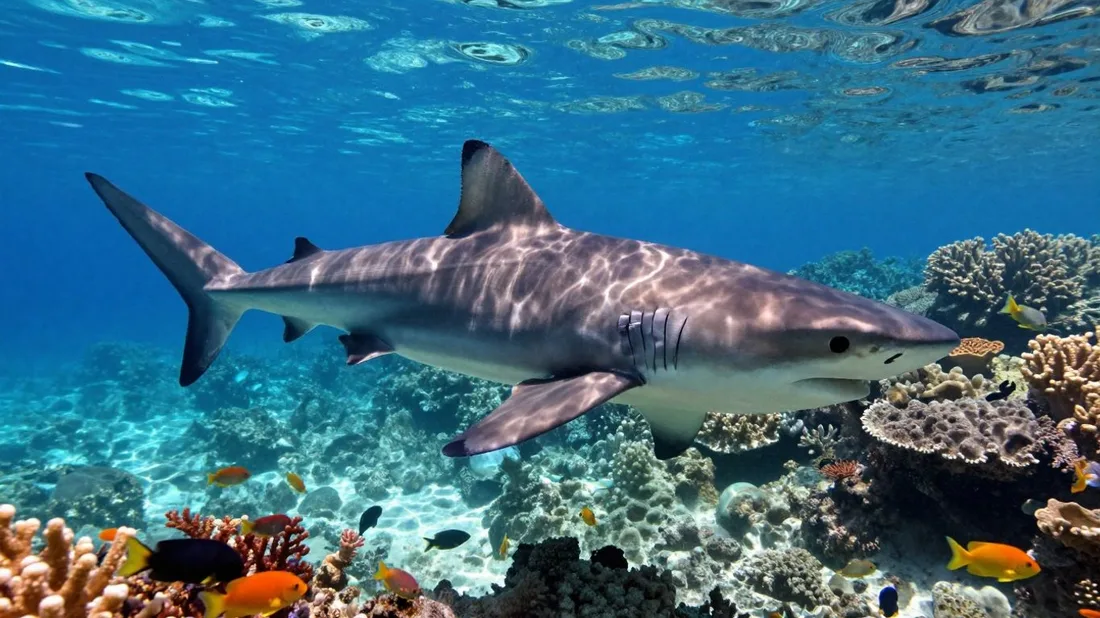
Tikehau is a Tuamotu atoll for travelers who want the lagoon, small motu and a slow island rhythm to lead the trip. It is often considered alongside Rangiroa because both belong to the Tuamotu archipelago, yet the experience is more about choosing a quiet base than collecting another name on an itinerary. Expect a low-rise setting, a wide lagoon and days shaped by water, weather and the arrangements made through your accommodation.
This is not the right choice for travelers seeking a long list of restaurants, nightlife or a tightly scheduled sightseeing program. It works best for people who are content to swim, snorkel, take a lagoon outing, dive if qualified, spend time on the beach and leave room for an unplanned afternoon. The smaller scale is the point; it also means transfers, meals, activities and timing should be confirmed before arrival.
Why choose Tikehau?
Tikehau offers the kind of Tuamotu landscape many visitors come to French Polynesia to experience: a lagoon, palm-lined motu, beaches and an underwater world that rewards patience rather than a rush between attractions. Tahiti Tourisme identifies it as one of the Tuamotu Islands and describes its lagoon setting, local village life and water-based experiences. A stay can be very simple—morning on the water, a quiet lunch, another swim and a sunset—but that simplicity is a strength when the trip is planned around the island rather than against it.
It is also a useful contrast within a wider French Polynesia itinerary. Pair a few slower days here with Tahiti or Moorea for easier arrivals and broader services, or compare it with Rangiroa and Fakarava if the focus is more strongly on diving. Do not assume the islands are interchangeable: accommodation style, lagoon access, flight days and activity options differ. Choose the base that fits the experience you actually want.
Lagoon days, beaches and boat outings
The lagoon is central to a Tikehau stay. Depending on the property and local operator, a day might include a boat excursion, snorkeling stop, beach time on a motu or a picnic arranged away from the main village. Ask what is included and what is weather dependent. The most appealing photographs often show still water and bright sun, but wind, current, tide and boat availability affect the real day. A flexible plan is more valuable than an over-promised one.
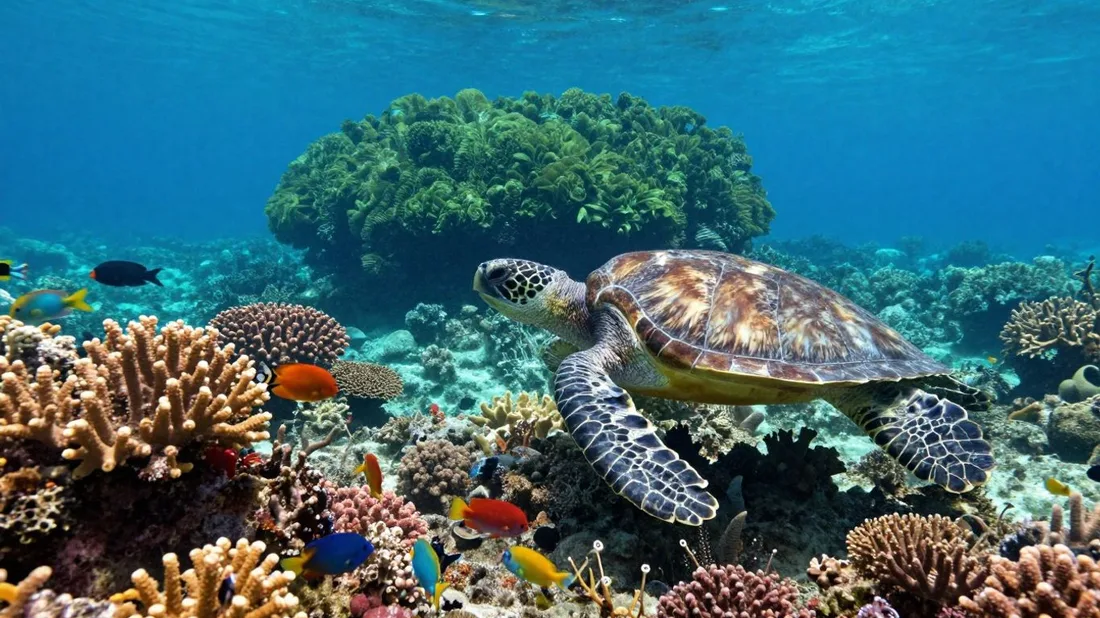
Visitors who are comfortable in the water can spend a great deal of time swimming and snorkeling, but conditions and entry points vary. Check whether snorkeling is directly from the accommodation or reached by boat, whether a guide is included, and what flotation equipment is available. Children and less confident swimmers should use appropriate supervision and equipment. Treat marine life as a possibility, not a guarantee, and follow the operator's guidance around coral and wildlife.
Diving around Tikehau
Tikehau is known as a Tuamotu diving destination, with sites that may involve passes, current and conditions that change through the day. Tahiti Tourisme's diving information places Tikehau within the destination's broader diving offer. The right site depends on certification, logged experience, recent diving and confidence in current—not simply a wish to see a particular animal. Share that information honestly with a qualified dive center before booking.
Keep the dive plan sensible. Ask how sites are chosen, whether conditions may change the schedule, how groups are organized, what equipment is supplied and what experience is expected. Do not book around a guaranteed encounter with sharks, rays or any other wildlife. Leave appropriate time between the final dive and onward flying, following the guidance of the certification agency and local operator. Non-divers can still make Tikehau worthwhile; the lagoon does not require scuba to be the focus of the visit.
Getting to and around Tikehau
Tikehau is reached by domestic air travel from Tahiti, with current schedules and connections needing verification at the time of booking. Tahiti Tourisme's destination information also notes local transfers and getting-around considerations. Build the air journey, airport welcome and property transfer as one plan, rather than treating the final segment as an afterthought. A transfer may be by road or boat and can depend on arrival time, daylight and weather.
Avoid an itinerary that has no recovery time after an international flight when the available connection is tight. Confirm baggage limits, check-in times, transfer arrangements, meal timing on arrival and what happens if a domestic flight changes. Keep essential medication, travel documents and a change of clothes with you. On a small atoll, there may be fewer immediate alternatives than at a large resort destination, so simple practical preparation makes the trip feel calmer.
Where to stay
Tikehau accommodations range from intimate guesthouse-style stays to more resort-oriented retreats. The best choice depends on the rhythm you want: easy access to water activities, privacy, a social atmosphere, diving support, family practicality or a locally grounded setting. Compare the whole stay, not only the room images. Look at transfers, meals, snorkeling and boat access, equipment, air-conditioning or power arrangements, connectivity, accessibility and the availability of help if plans change.
A property can be beautiful yet still be a poor match if it cannot provide the activities or practical support important to you. Ask direct questions before booking, especially if you need a dive center, have dietary requirements, travel with children or rely on a particular transfer. Smaller operations often provide the most personal experience when expectations are clear in advance.
When to visit and how long to stay
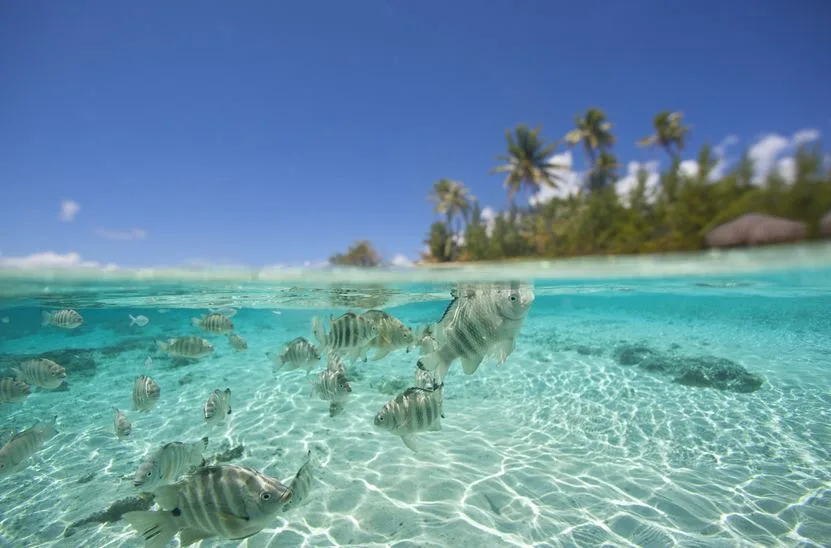
French Polynesia has seasonal patterns, but no month promises perfect water, weather or visibility. Choose dates by the activities that matter most, then ask the accommodation and operator about the typical conditions for your travel window. Travelers focused on diving may ask about water movement and site access; others may care more about comfortable beach time, boat trips or the pace of the broader itinerary.
There is no universal ideal number of nights. Allow enough time for travel, a few genuinely relaxed lagoon days and some flexibility if weather changes an excursion. A shorter stay can work when Tikehau is one carefully chosen part of a longer trip; a longer stay suits travelers who want the atoll itself to be the destination. Let current flight days and the activities you value determine the length rather than a fixed rule.
Combine Tikehau with the right islands
Tikehau can follow time on Tahiti or Moorea, where international arrivals, transport and accommodation choices are broader. It can also form part of a Tuamotu-focused itinerary with Rangiroa or Fakarava, provided the current air schedule makes the connections practical. Fewer well-matched bases often create a better trip than adding distant islands just to make the itinerary look more varied. Build in a cushion before the international departure if domestic flights and weather are part of the plan.
Frequently asked questions
Is Tikehau worth visiting on a first trip to French Polynesia?
Yes, if a quiet Tuamotu lagoon stay is a priority. Many travelers pair it with Tahiti or Moorea for easier arrivals and broader services, then slow down once they reach the atoll.
How do you get to Tikehau?
Tikehau is reached by domestic air travel from Tahiti, followed by a property-specific transfer. Confirm current schedules, baggage rules, airport arrangements and the final transfer before booking.
Is Tikehau only for scuba divers?
No. Diving is important to many visitors, but lagoon outings, snorkeling, beach time and a low-key island stay are also central. Activity choices should match confidence, conditions and local advice.
How many nights should you spend on Tikehau?
The right length depends on flight days, transfer time, desired activities and the flexibility you want for weather. Plan enough time to settle in rather than following a fixed number of nights.
Can Tikehau be combined with Rangiroa or Fakarava?
It can be part of a Tuamotu itinerary, but inter-island schedules can determine what is practical. Check the current flight pattern before fixing the sequence.