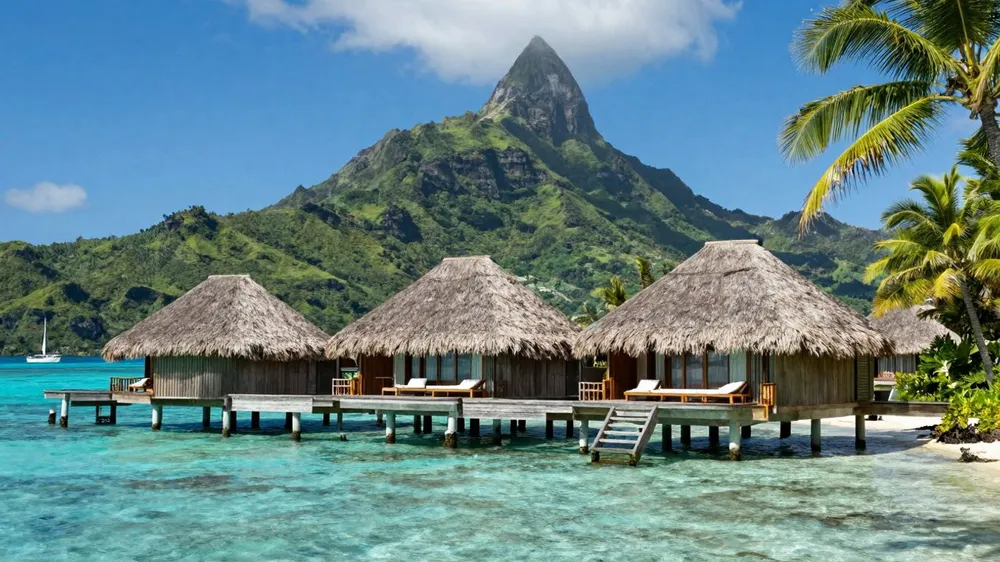
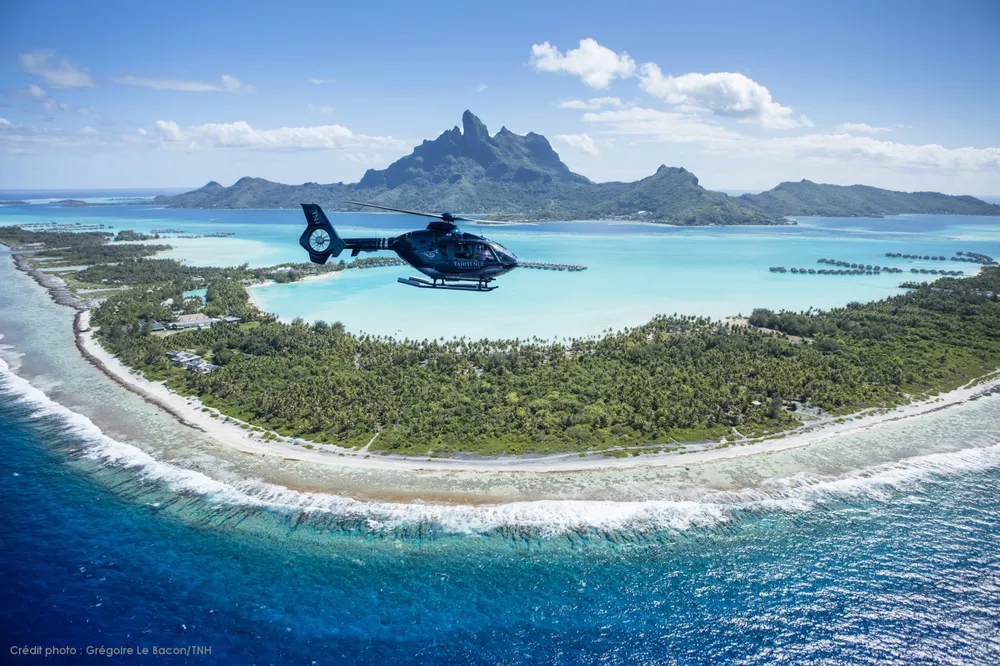
French Polynesia is a dream destination, and while many think of it for its overwater bungalows and fancy resorts, there's a whole other world waiting just a few steps from the shore. Exploring the shallow waters and rocky edges of its coastline can be just as rewarding, offering a glimpse into the vibrant life that thrives there. These intertidal reef walks let you get up close with nature without needing to go too deep. It’s a fantastic way to experience the islands' beauty in a different, more accessible way.
Key Takeaways
Anse Bougainville offers quiet, moody coastlines with accessible intertidal pools perfect for spotting small marine life at low tide.
Temae Beach, near the airport, provides clear lagoon waters and opportunities to explore the reef edge.
Papenoo Beach, a long black sand stretch, has strong currents but the surrounding areas might offer interesting spots.
Rangiroa Atoll, the second-largest atoll globally, is a prime spot for encountering diverse marine ecosystems.
Fakarava Atoll, a UNESCO Biosphere Reserve, boasts vibrant corals and a rich variety of sea creatures in its waters.
1. Anse Bougainville
Anse Bougainville, located on the eastern side of Tahiti, offers a more rugged and less polished coastal experience compared to the typical postcard-perfect lagoons of French Polynesia. It's a spot that feels a bit more real, a place where the sand squeaks underfoot and the ocean waves have a bit more energy. This makes it a great stop for travelers looking for a laid-back atmosphere without the overwhelming crowds.
The vibe here is decidedly chill, making it a good place to just unwind. You can kick back, feel the sand between your toes, and let the worries of travel melt away. It's not the kind of place for lazy floating in calm water; there's a noticeable swell and some currents, so swimming is more about enjoying the wave action than just bobbing around. For surfers, it can offer some decent waves, especially for those with intermediate skills.
When it comes to exploring the underwater world, Anse Bougainville is okay, but don't expect the vibrant coral gardens you might find elsewhere in French Polynesia. The shallow bommie gardens just off the shore are accessible for surface snorkeling, and you can spot some reef fish and coral. It's best done early in the day when the water is clearer.
Here are a few things you might want to do:
Snorkel the shallow bommies: Easy to access right from the beach, good for a casual look at marine life.
Paddleboard or use an outrigger: The bay is often calm in the mornings, perfect for exploring the water's surface.
Walk the shoreline: Follow the path lined with bougainvillea for some nice views and photo opportunities, especially of the tide pools.
Accommodation here tends to be more budget-friendly, with guesthouses and bungalows catering to backpackers. It's a good place to meet other travelers and swap stories. The nearby village offers local eateries where you can try dishes like poisson cru without breaking the bank.
2. Temae Beach
Temae Beach, located on the island of Mo'orea, is a bit of a hidden gem, especially if you're looking for a spot that feels a little more local and less crowded than some of the more famous beaches. It's got this really nice stretch of sand backed by coconut palms, which is pretty classic Polynesian scenery. The water here is usually super clear, making it great for just wading in or having a relaxed swim.
One of the cool things about Temae is its proximity to the airport. While that might sound odd, it actually means it's pretty accessible if you're arriving or departing and want a last bit of beach time. It’s not a place for big resorts; instead, you'll find a more laid-back vibe, with people often just having picnics or enjoying the sun.
The intertidal zone here is quite interesting at low tide, revealing volcanic rock formations and small pools teeming with life. You can spot little fish, crabs, and other tiny critters scurrying around. It’s a good spot for a gentle exploration without needing any special gear. Just be mindful of the sharp coral and rocks underfoot.
Here’s a quick rundown of what to expect:
Vibe: Relaxed and local, with fewer tourists.
Scenery: Coconut palms, clear lagoon waters, and volcanic sand.
Activities: Swimming, wading, beachcombing, and exploring tide pools.
Accessibility: Easy to reach due to its airport proximity.
3. Papenoo Beach
Papenoo Beach is a bit of a different scene compared to some of the more tranquil spots. It's known for its long stretch of black sand, which gives it a dramatic look, especially when the waves are up. This isn't your typical sunbathing beach; it's more for watching the power of the ocean.
If you're into surfing, Papenoo is a spot to check out. The waves here can get pretty serious, attracting surfers looking for a challenge. It's fascinating to watch them from the shore, even if you're not planning to paddle out yourself.
One thing to be aware of is the river mouth nearby. It can create strong currents, so swimming here isn't always straightforward. It's best to be cautious and observe where locals might be comfortable, if anyone is in the water at all.
Here's a quick rundown of what to expect:
Black Sand: The entire beach is covered in dark volcanic sand.
Surfing: Known for its decent surf breaks, especially for intermediate to advanced surfers.
River Mouth: Be mindful of the currents where the river meets the sea.
Scenery: Offers a rugged, wild coastal landscape.
4. Paeahi Beach
Paeahi Beach, located on the east coast of Tahiti, is a bit of a different scene compared to some of the more sheltered lagoons. This spot is known for its black sand and, more importantly, its surf break. If you're into catching waves or just watching the local surf culture in action, this is a place to check out. It's not really a chill-out-on-the-sand kind of beach, more for those who appreciate the power of the ocean.
The surf here can be pretty consistent, attracting surfers looking for a good ride. It's definitely more of an intermediate to advanced spot, so if you're a beginner, maybe stick to watching from the shore.
Here's a quick rundown of what to expect:
Sand: Mostly black volcanic sand, which can get quite hot under the midday sun.
Water Conditions: Often has a noticeable swell and currents, making it great for surfing but less ideal for casual swimming.
Vibe: More of a local surf spot than a tourist hangout. You'll see people coming and going with their boards.
It's about an 18 km drive from Anse Bougainville, so it's not exactly next door, but if you're exploring the east coast and have an interest in surfing, it's worth a look. Just be aware of the conditions before you paddle out.
5. Afareaitu Falls
If you're looking for a break from the beach on Mo'orea, the hike to Afareaitu Falls is a pretty cool option. It's not an overly tough trek, winding through the island's lush, volcanic interior. Your guide will likely share all sorts of interesting tidbits about local life, from how people used to communicate over long distances to the natural remedies found in plants. It’s a nice way to get a feel for the island beyond just its coastline.
When you finally reach the falls, it's quite a sight. A big wall of rock, covered in greenery, with a solid stream of water tumbling down into a pool below. You can actually swim in the pool at the base of the waterfall , which is refreshing after the hike. Keep an eye out for the freshwater shrimp and even some large eels that call the pool home – they're used to people and tend to move away if you get too close.
Here’s a quick rundown of what to expect:
The Hike: A moderate uphill walk through dense forest.
The Falls: A tall, impressive cascade into a clear pool.
The Swim: A chance to cool off in the waterfall's basin.
Local Lore: Guides often share stories about Mo'orean culture and traditions.
6. Mt. Mouaputa
A trek to Mt. Mouaputa isn’t just a hike—it’s a full-on adventure through some of Moorea’s most striking scenery. The mountain sits in the north of the island, instantly recognizable because of its unique 'hole-in-the-summit' silhouette. What draws most folks here is that surreal shape, paired with the sweeping views you get once you start climbing.
If you’re thinking about planning a walk here, it helps to know what you’re in for:
The trail is steep in places, but generally manageable if you’re reasonably fit.
You’ll pass through lush forest, picking up the earthy smell of damp soil and vegetation the whole way up.
Local guides sometimes point out little secrets of the forest—wild edible plants, traditional uses of certain trees, and even folklore tied to the landscape.
Wildlife spotting is hit-or-miss, but you might catch flashes of tropical birds, insects, and the occasional lizard.
The further up you go, the fewer people you’ll see—don’t expect to be part of a crowd.
And the true treat comes when you finally break the tree line and that view opens up. Moorea’s twin bays, the turquoise sea, distant motus—it all spreads out under you. It’s the kind of thing you want to stare at without saying a word.
Just keep in mind, as with many places in French Polynesia, it can get slippery, so wear shoes with decent grip and maybe leave the flip-flops at home for this one. For a walk that mixes nature, tradition, and a bit of heart-pumping sweat, Mt. Mouaputa stands out.
7. Rangiroa Atoll
Rangiroa is a pretty big deal when it comes to atolls, actually, it's the second-largest one on the planet. It's part of the Tuamotu Archipelago, way out in the South Pacific.
When you're thinking about intertidal reef walks here, it's a bit different from a typical beach. You're looking at the edges of the massive lagoon, where the water meets the land. The real magic happens where the lagoon meets the open ocean, especially around the passes. These are spots where the tide really moves things around, exposing interesting bits of reef.
Here's what you might find or experience:
Marine Life: Keep an eye out for small fish trapped in tide pools, colorful anemones, and maybe even some small crustaceans scuttling around. The variety can be surprising.
Coral Formations: You'll see different types of coral, some hard, some soft, shaped by the constant flow of water.
Birdlife: The shorelines and reef flats are often visited by seabirds looking for a meal.
It's a place where you can really see how the lagoon ecosystem works, with the tides playing a big role. Just remember to watch your step; the coral can be sharp, and the sun can be intense.
8. Fakarava Atoll
Fakarava Atoll is a real gem in French Polynesia, and honestly, it's a place you've got to check out if you're into marine life. It's actually the second-largest atoll in the whole region, which is pretty wild when you think about how many islands are scattered around here. What makes Fakarava stand out is its UNESCO Biosphere Reserve status. This isn't just a fancy title; it means the area is protected and really supports a huge variety of sea creatures.
When you visit, you'll find an underwater world that's just bursting with color and activity. The coral formations are healthy, and the currents bring in all sorts of interesting things. It's a spot known for its drift dives, which means you can just go with the flow and let the ocean do the work while you watch the show.
Here's a little taste of what you might see:
Vibrant corals in all shapes and sizes.
Turtles gracefully swimming by.
Eagle rays gliding through the water.
Schools of parrotfish, tuna, and groupers.
Various sharks, including hammerheads, lemon sharks, whitetip, and blacktip reef sharks.
Smaller fish like damselfish, surgeonfish, and fusiliers darting around.
The sheer density and diversity of marine life here are what make Fakarava truly special. It feels like an underwater garden, and it's easy to spend hours just observing everything.
9. Tikehau Atoll
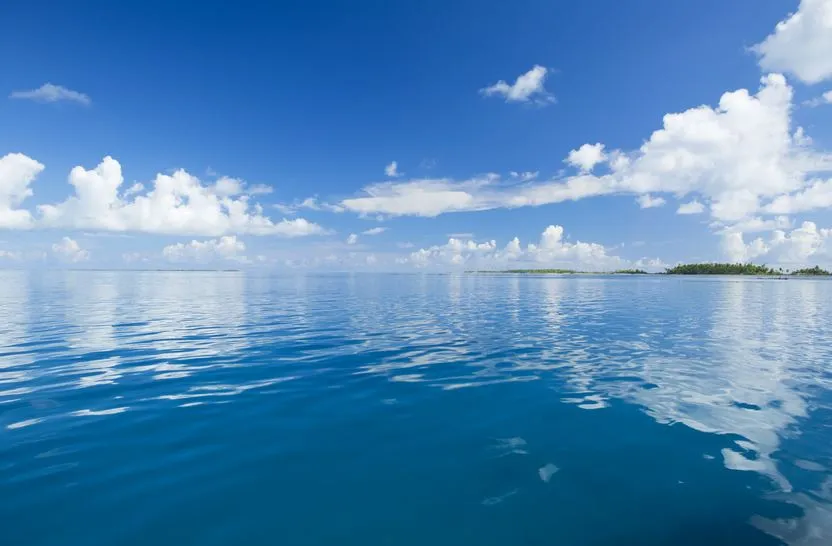
Tikehau is a real gem in the Tuamotu Archipelago, and honestly, it feels a bit like stepping into a postcard. It's known for its incredible birdlife, which is pretty cool if you're into that sort of thing. The lagoon here is massive and super clear, making it a fantastic spot for just wading around and seeing what you can find.
The real magic of Tikehau lies in its pristine natural state. It's less developed than some of the other atolls, which means you get a more authentic feel for island life. You can spend hours just exploring the shallow waters, especially around the motus (small islets) that dot the lagoon. Keep an eye out for all sorts of colorful fish darting around the coral.
Here's what you might encounter on a walk around the shallows:
Various small reef fish, like damselfish and butterflyfish.
Tiny crustaceans scuttling over the sand and rocks.
Occasional juvenile sharks, usually blacktip reef sharks, which are harmless and more curious than anything.
Sea stars and other interesting invertebrates.
Tikehau’s quiet atoll shoreline suits reef walks close to nature. It's not about fancy resorts here; it's about the simple, stunning beauty of the natural world.
10. Tuheiva Pass
Tuheiva Pass, located in the Tuamotu Archipelago, offers a unique intertidal experience, though it's less about walking on a reef and more about observing the vibrant marine life that congregates in its shallow, clear waters. This pass is a critical junction where the lagoon meets the open ocean, creating a dynamic environment teeming with fish. While you won't be trekking across exposed coral, you can often wade or snorkel in the shallows during low tide to get a close-up look at the underwater world.
Getting to Tuheiva Pass usually involves arranging a boat trip from one of the nearby atolls. The journey itself is part of the adventure, showcasing the vastness of the Pacific.
Here's what you might encounter:
Abundant Fish Species: Expect to see schools of colorful reef fish darting among the coral heads. It's a fantastic spot for observing biodiversity.
Sharks: Blacktip reef sharks are common and usually quite curious, adding a thrill to the experience. They tend to keep their distance, but it's always good to be aware.
Rays: Eagle rays and stingrays can sometimes be spotted gliding gracefully through the sandy patches within the pass.
While direct reef walking isn't the primary activity, the shallow areas accessible during low tide provide an incredible opportunity to witness the reef's ecosystem up close. It’s a place that rewards patience and a keen eye for the wonders beneath the surface.
Wrapping Up Your Reef Walk Adventure
So, there you have it. French Polynesia offers some truly amazing spots to explore the shallows right from the beach. Whether you're spotting tiny crabs in the tide pools or marveling at the colorful fish just a few steps from shore, these intertidal walks are a fantastic way to connect with the ocean. It’s a reminder that you don’t always need fancy gear or a boat to witness the incredible life beneath the waves. Just remember to tread lightly, respect the environment, and soak in all the natural beauty. Happy exploring!
What are the best times to visit French Polynesia for reef walks?
The best time to explore the intertidal reefs in French Polynesia is generally during the dry season, which runs from May to October. This period offers sunny days and calmer seas, making it easier and safer to walk along the reef edges and observe marine life.
What should I bring for an intertidal reef walk?
You should pack essentials like reef-safe sunscreen, a hat, and sunglasses to protect yourself from the strong sun. Water shoes or sturdy sandals with good grip are a must for walking on slippery rocks and coral. Don't forget your swimwear, a towel, and plenty of water to stay hydrated.
Are there specific safety concerns during reef walks?
Yes, always be mindful of the tides, as they can change quickly. Avoid touching or stepping on coral, as it's a living organism and can be sharp. Watch out for sea urchins and other creatures. It's wise to wear protective footwear and be aware of your surroundings to avoid cuts or stings.
Can I see a lot of marine life on these reef walks?
Absolutely! During low tide, the intertidal zones are teeming with life. You can spot small fish, crabs, sea stars, and various colorful invertebrates in the tide pools. Some areas might even offer glimpses of larger creatures like rays or small sharks in shallow waters.
Do I need a guide for reef walks in French Polynesia?
While some reef walks can be done independently, hiring a local guide can greatly enhance your experience. Guides know the best spots, understand the local ecosystem, and can point out hidden marine life you might otherwise miss. They also provide valuable safety information.
What is the difference between an atoll and a volcanic island in French Polynesia?
Volcanic islands, like Mo'orea, are tall and mountainous, often with lush interiors. Atolls, like Rangiroa or Fakarava, are ring-shaped coral islands that formed around a sunken volcano. They typically have a central lagoon and are flatter, offering unique reef environments.
Is French Polynesia an expensive destination for activities like reef walks?
French Polynesia can be a pricey destination, but activities like reef walks can be quite affordable, especially if you explore independently or opt for local tours rather than resort-based excursions. Pack smart and look for local recommendations to manage costs.
What is 'reef-safe' sunscreen?
Reef-safe sunscreen is made without chemicals like oxybenzone and octinoxate, which can harm coral reefs and marine life. Using these types of sunscreens helps protect the fragile underwater ecosystems you'll be exploring.