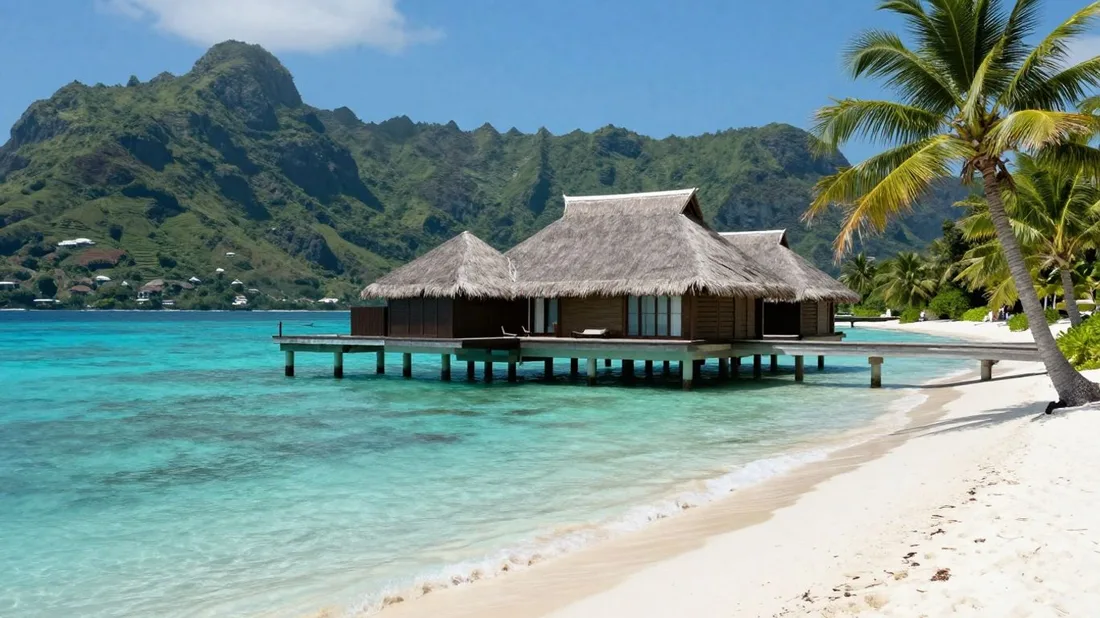
Overwater bungalows are closely associated with French Polynesia, but the name describes a location rather than a consistent experience. One unit may sit above shallow water suited to wading, another above a deeper lagoon, and another where swimming from the deck is restricted. The island, property layout, room category and weather exposure all affect the stay.
The best choice begins with how the traveller wants to use the room. Direct lagoon access, privacy, a mountain view, sunset orientation, quiet, interior space and proximity to resort facilities are different priorities. Comparing those details—and the complete itinerary around them—is more reliable than choosing the highest category or the most dramatic promotional photograph.
When an overwater bungalow is worth it
An overwater stay can be good value when the room and lagoon are central to the trip. Travellers planning slow mornings, deck time, swimming and resort days may use the setting fully. If most days will be spent diving, touring or driving the island, a beachfront, garden or standard room may provide the same location and services for less.
It does not have to be the only accommodation style. A split stay can combine several overwater nights with a beachfront resort, guesthouse or independently located villa. That approach may preserve the distinctive experience while allowing cultural exploration, easier restaurant access or a longer trip. Check whether changing rooms creates extra transfers or minimum-stay rules.
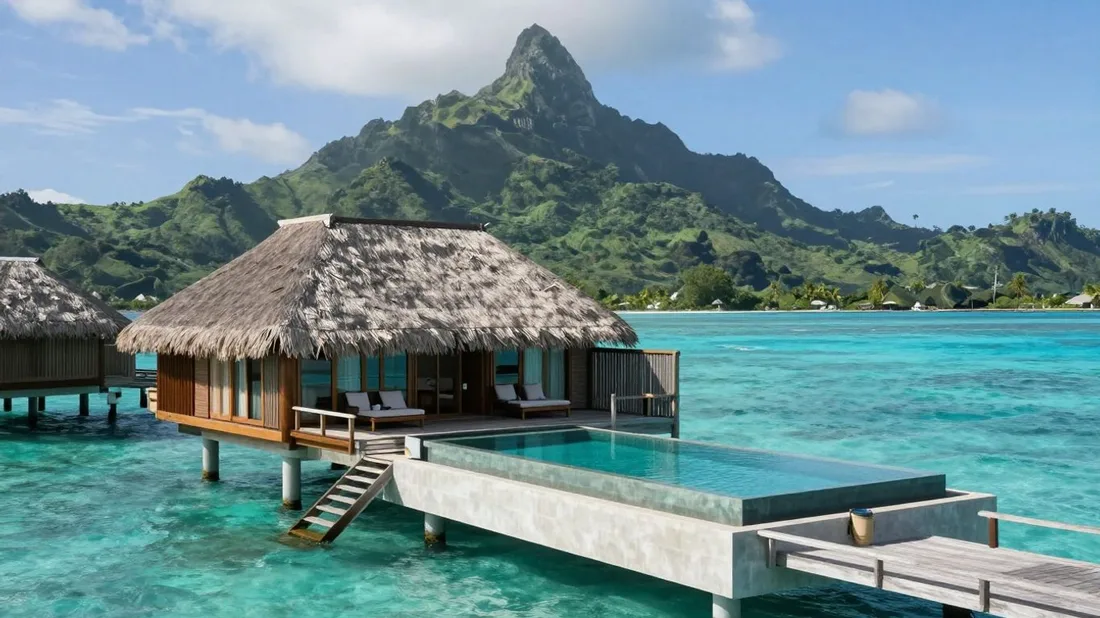
Bora Bora for the iconic setting
Bora Bora offers the most familiar combination of overwater lodging, Mount Otemanu and a broad turquoise lagoon. Tahiti Tourisme lists overwater bungalows among accommodation options and highlights lagoon tours, snorkeling, paddle sports, sunset cruises and spas. The range of resorts and activities makes it a strong candidate for travellers seeking a full-service lagoon stay.
Many Bora Bora resorts occupy motu, so airport transfers and trips to the main island may be by boat. Ask what is included, when boats operate and whether outside dining requires a paid shuttle. On the main island, a room may allow more independent movement. A motu can feel more secluded, but seclusion and convenience should be evaluated together.
Taha’a for a smaller-scale lagoon stay
Taha’a offers overwater bungalows and beach villas at motu properties as well as guesthouses and other lodging. Its shared lagoon with Raiatea, coral garden and quieter setting create a different experience from Bora Bora. It can suit travellers who value time at the property, snorkeling and a slower rhythm more than a large choice of restaurants or shops.
Taha’a has no airport, so the journey includes a boat connection. Confirm the pickup point, baggage handling, operating times and contingency for a delayed flight. Also check whether the water beneath the selected unit is suitable for swimming and whether the property offers enough dining and activities for the planned length of stay.
Moorea for scenery and island exploration
Moorea combines lagoon lodging with volcanic scenery, road access, hiking and guided land or water activities. Ferry and flight connections from Tahiti can simplify the route. An overwater stay here may suit travellers who want a romantic room while still spending meaningful time exploring viewpoints, bays, beaches and local food beyond the resort.
Location matters because Moorea is large enough for transfers to shape the day. Compare the property’s position with planned activities, restaurants and rental-car arrangements. Do not assume Moorea is always cheaper than Bora Bora or that every unit has strong snorkeling; prices, views and lagoon conditions depend on the property, category and dates.
Other islands and atoll settings
Selected properties on Raiatea, Huahine and in the Tuamotus may offer overwater or stilt-style lodging, but inventory and service levels vary. These destinations are often chosen for culture, diving, quiet or ocean access rather than a large luxury-resort selection. Confirm the current room type directly because accommodation names and inventories change.
In Rangiroa, Fakarava or Tikehau, the atoll itself can be the main attraction. An overwater room does not guarantee a swimmable area or a house reef. Divers should prioritize the operator, pass conditions and appropriate no-fly interval; non-divers should verify independent activities. Remote surroundings can be special without providing the same facilities as a major Society Islands resort.
Water depth, entry and swimming
Ask the property about typical water depth at the deck, tide effects, current, bottom conditions and any seasonal or safety restrictions. A ladder may be steep, slippery or unsuitable for a traveller with limited mobility. Shallow water can be appealing for confidence, while stronger swimmers may prefer deeper access. Conditions still change, and no room can guarantee ideal swimming every day.
Not every lagoon area is a snorkeling site. Some rooms overlook sand, channels or managed swimming zones with limited coral. If snorkeling from the bungalow is essential, request current property-specific information and distinguish it from a boat excursion to a reef. Wear suitable water footwear where advised and follow local guidance around coral and marine life.
Privacy, view and weather exposure
Study a resort map as carefully as the room photograph. Walkways, neighboring decks, restaurants, arrival docks and activity centers can affect privacy and noise. End units may feel more open but can involve a longer walk. Mountain, lagoon, sunrise and sunset categories describe different orientations; none is universally best, and clouds can obscure any promised view.
Wind and sun exposure affect deck comfort. A breezier unit may feel pleasant in heat but less sheltered in unsettled conditions. Afternoon sun can warm a deck and interior, while shade may matter to travellers who plan to spend hours outside. Ask how the actual category is oriented, but treat weather as variable rather than something a room position can control.
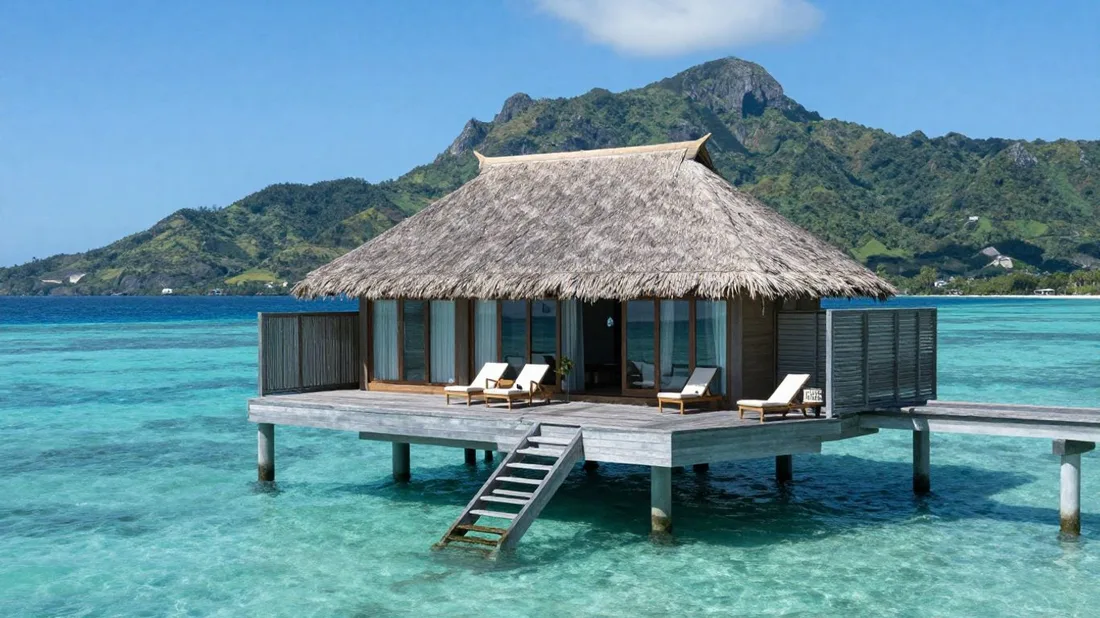
Compare room categories precisely
Entry-level overwater rooms can deliver the essential setting without the cost of the most distant or expansive unit. Premium categories may add a view, location, plunge pool, larger deck or interior space. Confirm which feature changes at each step. Terms such as lagoon view, horizon, end-of-pontoon and villa are not standardized across resorts.
Request the floor plan, bed arrangement, bathroom configuration, air-conditioning, maximum occupancy, child policy and recent renovation information. Families should ask about railings, deck doors, ladders and age restrictions. Travellers with mobility needs should review walkway length, steps, bathroom access and emergency procedures directly with the property before committing.
Plan experiences beyond the bungalow
A lagoon tour, private charter, sunset cruise, coral-garden excursion or spa treatment can complement the stay. Confirm whether tours are private or shared, boat type, shade, equipment, guide, group size and weather policy. Wildlife sightings are never guaranteed. Selective additions usually produce a better rhythm than scheduling an excursion every day.
Leave time to use the accommodation that justified the price. A resort day after arrival and open time between activities can be more valuable than another transfer. If the itinerary includes a second island, choose a meaningful contrast—land exploration, a guesthouse, cultural sites or diving—instead of repeating a similar resort experience.
Build the route and full budget
Most international arrivals enter through Tahiti, followed by a domestic flight, Moorea ferry or property-specific boat. Coordinate flight times with check-in, final boat service and baggage allowances. Avoid relying on tight same-day connections, especially for a remote resort. A first or final Tahiti night may provide a useful buffer depending on the actual schedule.
Calculate the total stay: room, taxes, resort or airport boats, meals, beverages, activities, insurance and cancellation terms. A lower nightly price may require an obligatory transfer or meal plan. A higher category may add features the traveller will not use. Compare live quotations for the same dates and inclusions rather than old package examples.
How many overwater nights to choose
There is no ideal number for everyone. The answer depends on trip length, budget, island connections and how much time will be spent at the property. A short stay can provide the experience, while a longer one supports unhurried lagoon and resort days. Avoid a rigid three- or five-night rule that ignores arrival time and planned excursions.
Count usable days rather than nights alone. A late arrival and early departure reduce time in the room, while moving properties for one extra category can consume a valuable afternoon. The best plan makes the overwater portion long enough to enjoy without sacrificing the destinations and activities that motivated the wider French Polynesia trip.
Compare luxury itinerary choices
Explore Bora Bora’s lagoon setting
Consider Taha’a for a quieter stay
Frequently asked questions
Which island has the best overwater bungalows in French Polynesia?
Bora Bora has the broadest iconic resort setting, Taha’a offers a quieter lagoon experience, and Moorea combines overwater lodging with easier land exploration. The best choice depends on the actual room, services and activities wanted.
Can you swim from every overwater bungalow?
No. Water depth, current, bottom conditions, ladder access and property rules vary by unit and season. Ask for current information about the precise room category and never assume promotional images represent safe daily conditions.
Do all overwater bungalows have good snorkeling?
No. Some sit above sand or general swimming areas rather than coral habitat. Verify property-specific house-reef access and expect that the strongest snorkeling may require a guided boat trip.
Is an overwater bungalow better than a beachfront villa?
Neither is always better. Overwater suits lagoon immersion and deck access; beachfront may provide sand, easier entry or more space. Compare privacy, mobility, view, swimming, room design and total price.
How many nights should you stay in an overwater bungalow?
There is no universal minimum. Count usable days, planned excursions, transfers and budget. Choose enough time to enjoy the room without reducing other island experiences that matter more.
What should be confirmed before booking an overwater bungalow?
Confirm the exact category, view, water access, depth, privacy, walkway location, transfers, meals, occupancy rules, mobility features, renovation status, cancellation terms and all mandatory costs.