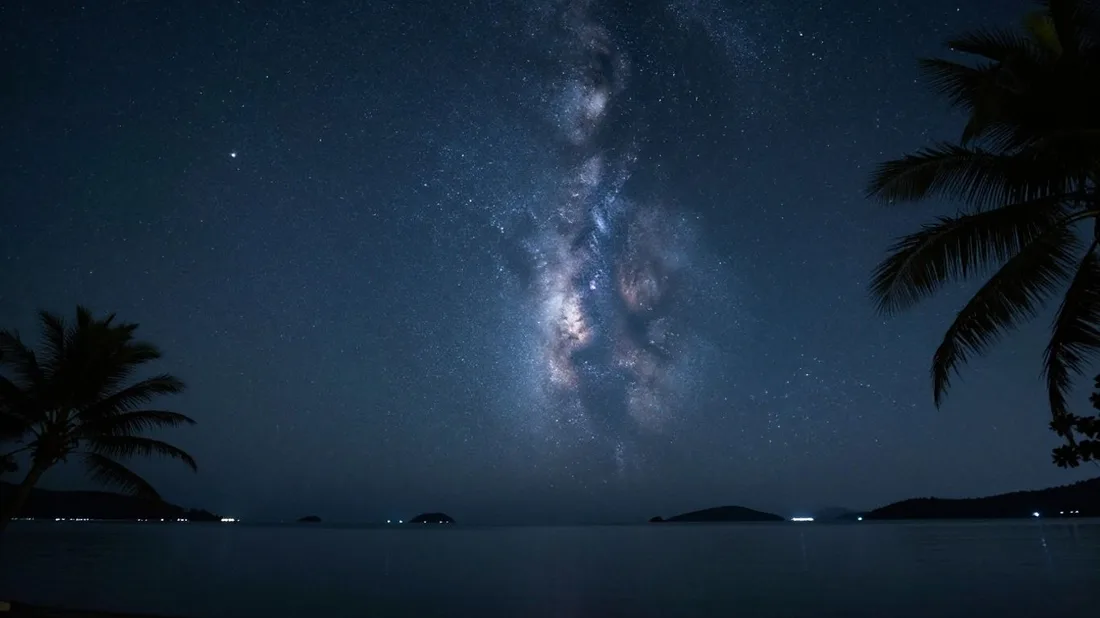
Tahiti is French Polynesia’s principal international gateway, largest island and home to the capital, Papeete. Many itineraries use it only for an arrival or departure night, yet the island can add city life, markets, museums, volcanic valleys, waterfalls, black-sand beaches, surf culture and a more complete understanding of contemporary French Polynesia.
The best use of time depends on the flight schedule and the rest of the trip. A short stay can focus on Papeete and an easy transfer; additional days allow a coast tour, the interior or Tahiti Iti peninsula. Do not overload the arrival day after a long international flight. Tahiti is most rewarding when practical gateway time and genuine island exploration are planned together.
Why spend time on Tahiti?
Tahiti offers a broader range of settings than the word gateway suggests. Papeete provides food, shopping, craft and cultural institutions, while the coastal road leads to beaches, gardens, waterfalls and smaller communities. Guided 4x4 excursions enter valleys that are not represented by the waterfront, and Tahiti Iti presents another coastline and a strong relationship with surfing and the ocean.
This variety suits travelers who want context as well as scenery. Tahiti can introduce Polynesian history and present-day life before a quieter island stay, or provide a comfortable final chapter before the international flight. It also gives groups more options when interests differ: one person may prefer a market or museum while another chooses hiking, surfing or lagoon activity.
Papeete market, waterfront and culture
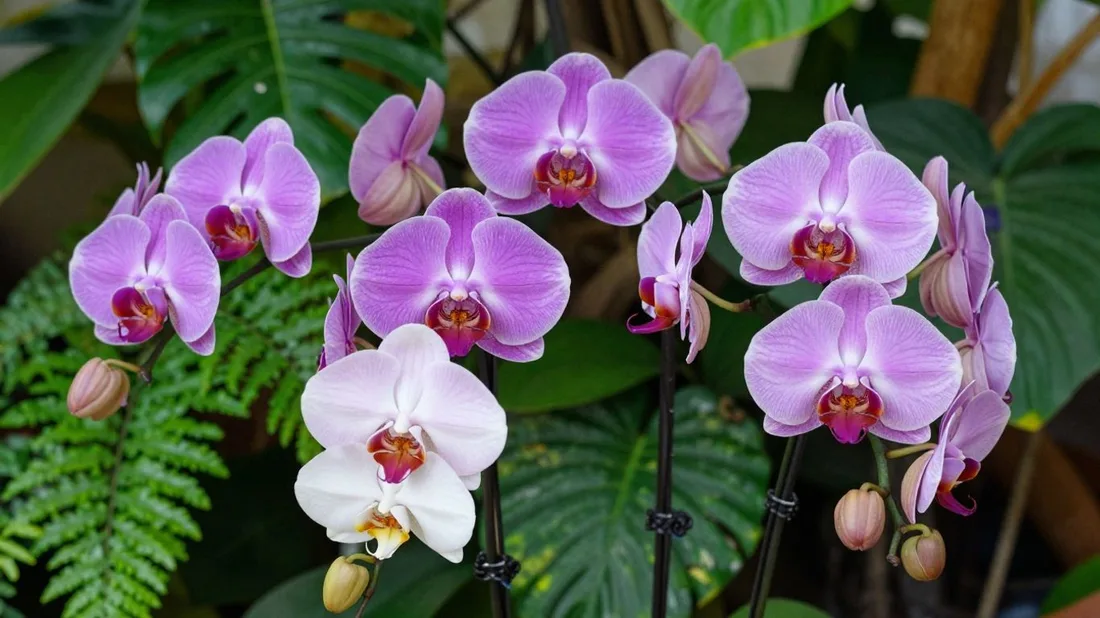
Marché de Papeete is a useful starting point for local produce, fish, prepared foods, flowers, pareu, oils, craft and pearl-related shopping. Activity changes through the day, and individual vendors keep their own hours. Visit with curiosity rather than treating the market only as a souvenir stop. Ask before photographing people or close-up work and check customs rules for plant, food or shell products.
Papeete is compact enough to explore parts of the center on foot, including the waterfront and shopping streets. Museums, galleries, street art, dance and live music can add cultural context, but exhibitions and operating hours change. Verify the current status of any specific institution—including the Museum of Tahiti and Her Islands or smaller historic sites—before building the day around it.
Coast drives, beaches and waterfalls
A circle-island or focused coast tour can connect black- and white-sand beaches, viewpoints, gardens and natural sites. Tahiti Tourisme highlights the variety of beaches and the volcanic character of the island. Swimming suitability varies with surf, current, reef, river runoff and weather. Use local signs and advice; a beach chosen for photography or surfing may not suit casual swimming.
Waterfall and coastal stops such as the Faarumai area or Arahoho blowhole may be included in guided or self-drive routes, subject to access and conditions. Never enter closed paths or approach water features during unsafe weather. A guided tour can reduce navigation pressure and add cultural or natural context, while a rental car gives more flexibility to travelers comfortable with local roads.
Papenoo Valley and the mountainous interior
Tahiti’s interior contains steep mountains, rivers, valleys and waterfalls that contrast sharply with Papeete. Papenoo Valley is commonly explored on guided 4x4 outings because routes and access can be affected by terrain, weather and water levels. This is not a casual city excursion; confirm the day’s physical demands, vehicle type, meal arrangements and any walking involved.
Hiking options range widely in difficulty. Use experienced local guides for remote or demanding routes and be honest about fitness, balance and medical limitations. Carry appropriate water and protection, and expect plans to change when rain makes river crossings or trails unsafe. The value of an interior day is the landscape and explanation, not completing a fixed checklist.
Tahiti Iti and surf country
The smaller peninsula of Tahiti Iti extends beyond the busier Tahiti Nui coast and can reward travelers with additional time. Teahupo’o is internationally known for its powerful reef break, but viewing, competitions and water access depend on conditions and local rules. Watching from an approved location or joining a qualified boat operator is different from attempting to surf.
A peninsula day may combine coastal scenery, villages, food and carefully selected activities. Distances and traffic make timing important, especially when returning for a flight. Avoid describing Tahiti Iti as untouched or promising access to every bay; local arrangements, private land and weather determine what is possible.
Lagoon, ocean and seasonal activities
Tahiti supports surfing, snorkeling, diving, paddling, sailing and other guided water activities. Conditions and appropriate locations vary. Select a provider suited to the participant’s experience and ask about safety equipment, age or skill requirements and cancellation policy. Wildlife encounters should never be guaranteed.
Humpback-whale observation is seasonal and regulated in French Polynesia. Rules and authorized-operator requirements can change, so use current official guidance when planning. Choosing Tahiti should not depend on a promised sighting; the island’s cultural, land and water experiences remain worthwhile in their own right.
Getting to and around Tahiti
Tahiti-Faa’a International Airport is French Polynesia’s main international entry point and also supports domestic island connections. Airline routes and schedules change, so check the operating carrier rather than relying on a permanent city list. Moorea can be reached by ferry from Papeete or by domestic air, while other archipelagos are connected through domestic services and some vessel itineraries.
Taxis, arranged transfers and rental cars are useful from the airport. Papeete can be partly explored on foot, while a car or guided tour is more practical for the wider coast and interior. Bus service exists, but travelers with flights or fixed excursions should not rely on it without checking current timing. Allow for weekday traffic around the urban area.
Where to stay on Tahiti
Tahiti has hotels, Tahitian guesthouses, vacation rentals, campsites and a variety of urban, coast and peninsula settings. A property near the airport can simplify a brief connection; Papeete suits travelers prioritizing the market, food and city access; Punaauia and other west-coast areas may suit lagoon views and resort services; more distant locations can support nature or peninsula-focused stays.
Compare the whole stay: airport and ferry transfers, traffic, meals, nearby services, swimming access, room cooling, accessibility, parking and the time required for planned excursions. A one-night gateway stay has different needs from a multi-day Tahiti itinerary. Choose accordingly instead of ranking every property on the same scale.
When to visit and how long to stay
Tahiti is visited throughout the year, with variations in rainfall, heat, humidity, trade winds and events. No season guarantees clear skies or calm water. Choose dates from the wider French Polynesia itinerary, then check the current conditions and cultural calendar relevant to the activities of interest.
There is no single correct stay length. Protect at least the time required for safe flight and ferry connections, then add days for Papeete, a coast or interior tour, and a slower experience if those matter. Avoid treating the island as disposable transit, but do not add nights without a purpose. The best duration follows the traveler’s priorities and onward schedule.
Combining Tahiti with other islands
Moorea is the simplest island pairing and adds a different balance of lagoon and mountains. Bora Bora, Huahine, Raiatea and Taha’a extend a Society Islands itinerary, while Rangiroa, Fakarava and Tikehau create a stronger atoll contrast. The Marquesas require more travel time but add major cultural and landscape differences. Build the sequence from current transport and leave a sensible return margin before the international departure.
Frequently asked questions
Is Tahiti worth visiting beyond an airport stop?
Yes. Tahiti offers Papeete, markets, museums, valleys, waterfalls, beaches, Tahiti Iti and a wider view of contemporary French Polynesia.
How do you get from Tahiti to Moorea?
Travelers can use a ferry from Papeete or domestic air service. Confirm current schedules, luggage rules and transfers for the exact dates.
Do you need a rental car on Tahiti?
A car is useful for coast and peninsula exploration, while Papeete can be partly explored on foot. Guided tours may be better for the interior or travelers who prefer not to drive.
Where should you stay on Tahiti?
The airport area suits short connections, Papeete suits city access, and west-coast or peninsula locations suit different lagoon, resort or nature priorities. Match the location to the itinerary.
How many nights should you spend on Tahiti?
Allow enough time for safe connections and add days according to the Papeete, coast, interior or peninsula experiences you want. There is no fixed number that suits every itinerary.