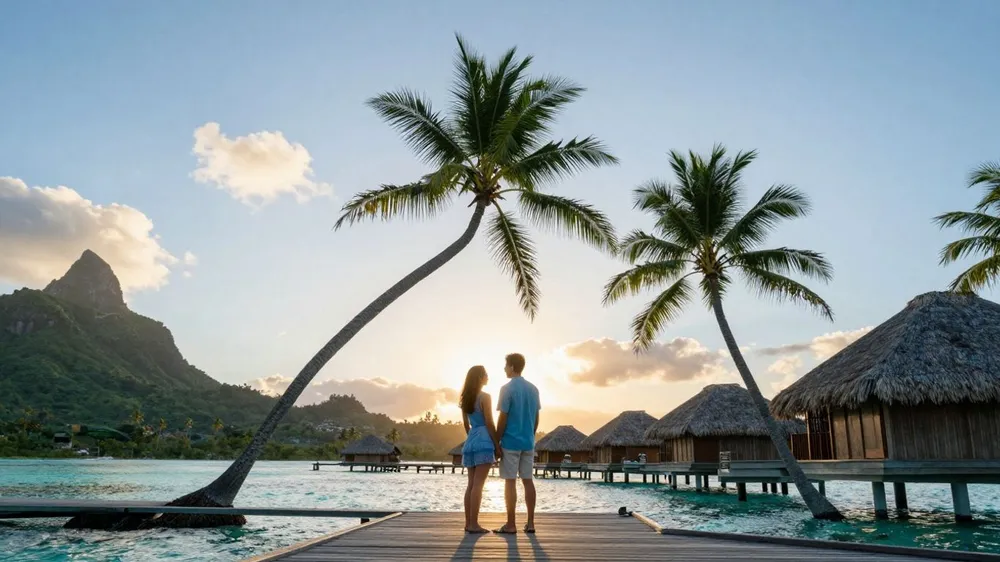
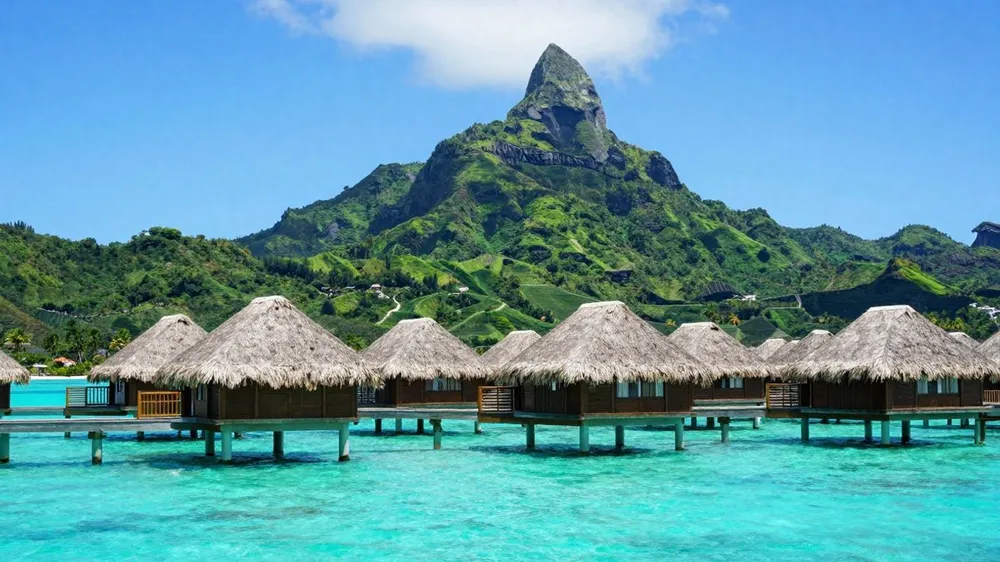
Thinking about paddling around Bora Bora? It’s a pretty amazing idea. The water is just unreal, and seeing Mount Otemanu from a kayak is something else. This Bora Bora kayaking guide will help you figure out the best spots, when to go, and what you need to make it a great trip. Whether you're a total beginner or have done this before, there's a route for you. Let's get you ready to explore that famous blue lagoon.
Key Takeaways
Start with a simple circuit on the west side of the lagoon, maybe around Motu Tapu, especially during slack tide for calm waters. This is a good way to get comfortable.
Two main route ideas: one circles the outer west lagoon, and another goes along the inner lagoon. Both are pretty manageable in a few hours.
Pay attention to tides and weather. Launching around slack tide is best, and always listen to safety briefings about wind and currents. They can change fast.
Rentals usually include life vests and dry bags. Make sure to bring your own sun protection and water. Local advice is super helpful.
Consider guided tours if you want more cultural stories and local insights. It's also a great way to learn more about the lagoon and its traditions.
Navigating Bora Bora's Lagoon
Alright, so you're thinking about kayaking in Bora Bora. Awesome choice! But before you paddle off into that postcard-perfect blue, let's talk about getting around the lagoon. It's not just a big puddle; it's a whole world with its own rules.
Understanding Lagoon Navigation
Bora Bora's lagoon is famous for its stunning colors, but those beautiful shades of blue can hide some tricky spots. The water depth changes a lot, from super shallow areas with coral heads just below the surface to deeper channels. You really need to pay attention to where you're going, especially if you're not with a guide. Think of it like driving – you wouldn't just close your eyes and hope for the best, right? The lagoon is similar. Knowing the difference between the light blue (shallow, possibly with coral) and the darker blue (deeper, safer) is key. Some areas are so shallow that even a small boat can scrape the bottom, and you definitely don't want to do that with your kayak.
Key Passages and Channels
There's really only one main way boats come in and out of the lagoon from the open ocean: Passe Teavanui. This is where the ocean meets the reef. When the waves are big out at sea, watching boats come through this pass from the calm lagoon is quite a show. For kayakers, though, you'll mostly be sticking to the inner lagoon. There are smaller channels that connect different parts, and knowing these can help you find quieter spots or get to specific motus (small islands). Some routes might take you along the western side, which is generally more sheltered, or explore the inner parts closer to the main island. It's good to have a general idea of these routes before you set off.
Safe Water Markers
In many places, you'll see buoys or markers. In French Polynesia, they generally follow a system where red markers are kept on your left when heading inland from the sea, and green markers are on your right. However, it's not always super clear, and sometimes natural markers like coral formations can be confusing. The most important thing is to be aware of the coral. You'll see lots of it! Stick to the darker blue water where possible. If you're renting a kayak, the rental place will usually give you a quick rundown on the local markers and any areas to avoid. They might even have a map for you. It's always better to ask than to guess when it comes to coral reefs. You can find some great local kayaking tours that will show you the ropes and point out these markers along the way.
Here's a quick rundown of what to look out for:
Coral Heads: These are the most common hazard. They can be just under the surface. Always look for darker blue water.
Channels: These are the deeper paths through the lagoon. They are usually marked by lighter blue water.
Reefs: The outer edge of the lagoon is a barrier reef. Be aware of where this is, especially if you're venturing further out.
Buoys: While not always present or clear, they can sometimes indicate channels or hazards.
Choosing Your Kayaking Route
Picking where you want to go in Bora Bora by kayak can set the mood for your entire day. You've got choices—from lazy paddles in safe, shallow spots to longer rides near the edge of the lagoon. Each route has its pros and quirks, so here's what to think about.
Sheltered West Lagoon Circuit
This part of the lagoon is usually calm, protected by a string of small motus and facing the main island. If you want a more relaxed outing or you're kayaking with kids, this area is a smart pick.
Shallow turquoise water with very little boat traffic
Easy to spot coral gardens and tropical fish just below your kayak
Multiple sandy spots along the motu edges to pull over for a break
Great for beginners, families, or anyone who wants easy access to rest stops.
Inner Lagoon Exploration
The inner lagoon route takes you along the fringes of the main island. You'll paddle under the shadow of Mount Otemanu, hug the coastline, and maybe spot local fishermen.
More variety in scenery: coastline, lush slopes, and small inlets
Potential to meet local kayakers or see fishermen working
Wind and current can change quickly, especially near the passes
A few things to remember for this route:
Watch for local boats heading to and from the villages.
Take a break at any of the tiny beaches—some are only accessible by kayak.
Carry a dry bag for your snacks and phone.
Don’t forget your reef-safe sunscreen. Parts of this area double as great snorkeling spots , so consider strapping a mask and snorkel to your kayak deck.
Outer Lagoon Adventures
For those looking for more of a workout or adventure, try the outer edge near the reef. This route offers open water, views of breaking waves, and more marine life.
Stronger currents and waves, so only try this if you’re comfortable in a kayak
Majestic views at the edge of the lagoon and reef drop-offs
Best done with a buddy or as a small group for safety
If you go this far, always:
Check the tides and weather before departing
Bring a signaling device like a whistle
Stay outside marked boat channels
On the outer ring, you might spot bigger fish or even rays darting under your kayak. It's definitely more challenging, but the sense of open space is unique.
No matter which route you choose, plan your return early—winds tend to pick up after noon, and the currents by the reef can change in a flash. If you’re not sure, ask a local where they’d go on a calm afternoon for the best chance to spot marine life just below the surface.
Optimal Timing for Kayaking
Picking the right time to get out on the water in Bora Bora can really make a difference to your trip. It's not just about avoiding the midday sun, though that's a big part of it. You'll want to think about the tides, the light, and even the season.
Understanding Tidal Windows
Tides play a surprisingly big role in how easy or challenging your kayaking adventure will be. When the tide is high, you've got more water to work with, meaning you can get into more spots and the water is generally calmer. Low tide can expose reefs and shallow areas, which is great for spotting marine life if you're snorkeling, but can be a hazard for kayaks. Always check the local tide charts before you set out.
Here's a quick look at how tides can affect your paddle:
High Tide: Generally the best time for paddling. More water depth means fewer obstacles and easier movement. You can explore closer to shorelines and mangroves.
Ebbing Tide (Going Out): Can create currents. If you're paddling with the outgoing tide, you might get a nice push. Paddling against it can be tough work.
Low Tide: Be extra cautious. Reefs, sandbars, and coral heads can become visible or even exposed. Stick to deeper channels.
Flowing Tide (Coming In): Similar to the outgoing tide, but in reverse. Can be helpful or a hindrance depending on your direction.
Morning Light Conditions
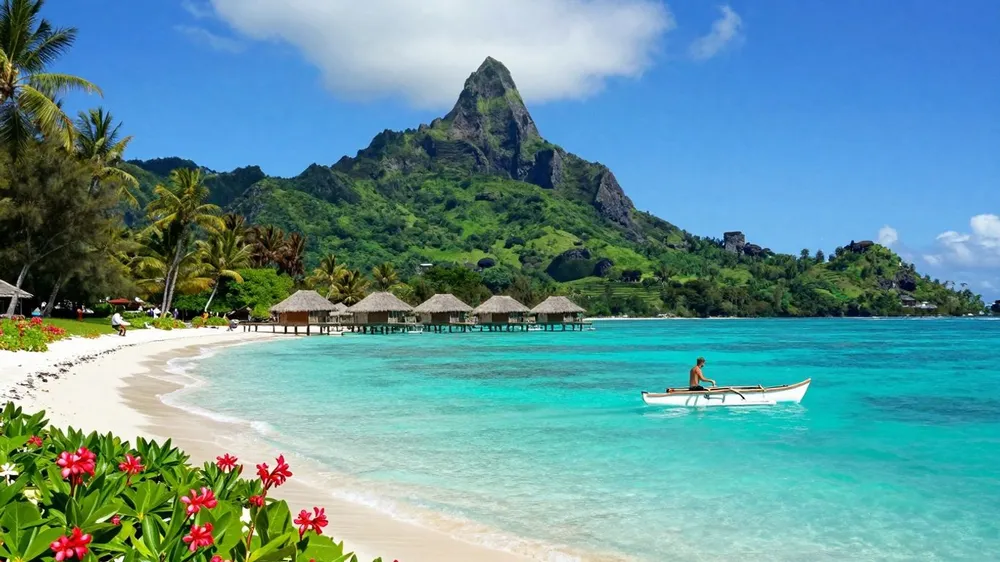
If you ask me, mornings are usually the winner for kayaking in Bora Bora. The air is cooler, the lagoon tends to be glassy smooth, and the light is just beautiful for photos. You get this soft, golden glow that makes everything look magical. Plus, you'll often share the water with fewer boats and other tour groups, giving you a more peaceful experience. It’s a great way to start your day before the heat really kicks in and the island gets busy. Many rental places offer morning slots for a reason.
Seasonal Weather Considerations
Bora Bora has a tropical climate, which means it's generally warm year-round. However, there are slight variations. The dry season, typically from May to October, sees less rain and lower humidity, making it a very pleasant time for outdoor activities like kayaking. The wet season, from November to April, can bring more rain showers, often short but intense, and higher humidity. While you can still kayak during the wet season, be prepared for potential downpours and check the weather forecast daily. The water temperature remains warm throughout the year, so you don't need to worry about getting too cold in the water itself.
Essential Safety and Gear
Getting out on the water in Bora Bora is amazing, but you've got to be prepared. It’s not just about having fun; it’s about staying safe so you can actually enjoy the stunning scenery without any worries. Making sure you and your gear are ready is half the battle.
Life Vest and Leash Essentials
First things first: a life vest, or PFD (Personal Flotation Device), is non-negotiable. Everyone, no matter how strong a swimmer you think you are, needs one. Rental places usually have them, but always check the fit. It should be snug across your chest and not ride up when you lift your arms. For kids, make sure you get the right size; a loose vest is no good.
Check the Fit: Lift your arms and do a little twist. The vest should stay put.
Secure Straps: Make sure all buckles and straps are fastened tightly.
Crotch Strap: If your vest has one, use it! It stops the vest from riding up over your head.
Don't forget the leash, either. This connects you to your kayak. If you fall off, it keeps your kayak from drifting away, which is super helpful, especially if you're a bit further out.
Waterproof Storage Solutions
You'll want to keep your essentials dry. Think phone, keys, maybe a small camera. Most rental outfits will provide a dry bag, usually around 10-15 liters. These are great for keeping your electronics and a change of clothes safe from splashes.
Pack Smart: Use separate bags for clothes and electronics.
Easy Reach: Stow your dry bags where you can grab them easily, usually in front of or behind your seat.
Secure Them: Use the kayak's bungee cords to keep bags from sliding around.
On-Site Safety Briefings
Before you even push off, pay attention to the safety briefing. The rental company or your guide will go over important stuff like where you can go, what to do if you get into trouble, and how to signal for help. They'll also talk about the local conditions, like tides and any boat traffic you need to watch out for.
Know Your Limits: Understand how far from shore you're allowed to go.
Communication: Learn any hand signals or whistle codes they use.
Emergency Plan: Ask what to do if someone falls out or if the weather changes suddenly.
It might seem like a lot, but a quick chat can make a huge difference. It's all about making sure everyone has a good time and stays safe while exploring the beautiful lagoon waters.
Practical Tips for Kayakers
Getting out on the water in Bora Bora is amazing, but a few smart moves can make your trip even better. Think of these as your go-to advice before you even touch a paddle.
Hydration and Sun Protection
This is super important. The sun here is no joke, and you can get dehydrated faster than you think. Always carry plenty of water with you. Seriously, don't skimp on this. A reusable water bottle is your best friend.
Water: Aim for at least a liter per person for a few hours out. More if it's a longer trip or particularly hot.
Sunscreen: Use a high SPF, waterproof sunscreen. Reapply often, especially after swimming.
Headwear: A wide-brimmed hat or a cap with a neck flap will save your face and neck from burning.
Sunglasses: Polarized ones are great for cutting glare off the water.
Appropriate Attire
What you wear makes a big difference in comfort. Think light, quick-drying fabrics. You'll likely get splashed, and you don't want heavy, wet clothes weighing you down.
Swimwear: Obviously, wear your swimsuit. You might want to jump in!
Rash Guard: A long-sleeved rash guard is excellent for sun protection and can keep you a bit warmer if there's a breeze.
Shorts/Light Pants: Quick-dry shorts or lightweight pants are good options. Avoid heavy denim.
Footwear: Water shoes or sturdy sandals that can get wet are ideal. Flip-flops can easily slip off.
Leveraging Local Advice
Don't be afraid to ask the folks who know the lagoon best. Rental places and tour operators are usually happy to share their insights.
Ask about current conditions: They'll know if there are any tricky currents or areas to avoid that day.
Inquire about the best spots: They might point you towards a quiet cove or a great place for a quick snorkel.
Understand local etiquette: They can advise on respecting the marine life and the environment.
Chatting with locals can really help you plan your route and avoid any unexpected issues, making your adventure much smoother. It's also a great way to connect with the island's spirit before you even set off on your lagoon adventures .
Enhancing Your Kayaking Experience
So, you've got your kayak, you're ready to hit the water. But how do you make this trip truly unforgettable? It's all about adding those little touches that turn a good paddle into a great adventure. Think about what will make your time on the lagoon even more special, whether it's learning something new, capturing amazing memories, or just enjoying the water in a different way.
Guided Tours for Cultural Insight
While paddling on your own is fantastic, joining a guided tour can really open up the lagoon's secrets. These tours often have local guides who know the water like the back of their hand. They can point out hidden spots, share stories about the island's history, and even teach you a few words in the local language. It's a chance to connect with Bora Bora on a deeper level than just the scenery.
Learn local legends and history.
Discover marine life with expert eyes.
Understand the significance of different landmarks.
Photography Opportunities
Bora Bora is ridiculously photogenic, and your kayak offers a unique vantage point. Capture stunning shots of Mount Otemanu from the water, or get close-up views of the vibrant coral gardens below. Remember to protect your gear! A good dry bag is your best friend here.
Here are a few ideas to get you started:
Morning light: The soft light before the sun gets too high is perfect for photos. Colors are richer, and the water is often calmer.
Wildlife shots: Keep an eye out for colorful fish, sea turtles, and maybe even rays. Patience is key!
Perspective shots: Experiment with different angles from your kayak. Low angles can make the scenery look even more dramatic.
Combining Kayaking with Snorkeling
Why choose between paddling and swimming when you can do both? Many parts of the Bora Bora lagoon are crystal clear and shallow enough to anchor your kayak and hop in for a snorkel. It's a fantastic way to explore the underwater world without needing a boat tour.
Find calm, clear bays: Look for areas protected from the wind where the water is still and visibility is high.
Secure your kayak: Make sure your kayak is anchored or beached safely before you go for a swim.
Pack a mask and snorkel: Most rental places offer these, or you can bring your own.
It's a great way to break up your paddle. You can spend an hour exploring the reef, then hop back in your kayak to paddle to your next spot. Just be mindful of currents and keep an eye on your kayak while you're in the water.
Renting Your Kayak
Alright, so you've decided to paddle around Bora Bora's amazing lagoon. That's awesome! Before you hit the water, you'll need a kayak, and figuring out where to rent one is pretty straightforward. There are a few main ways to go about it, and knowing your options can make the whole process smoother.
Types of Kayak Rentals
When you're looking to rent, you'll find a couple of main types of kayaks available. For most people, especially if you're new to this or just want a relaxed time, a wider, more stable kayak is the way to go. These are great for families or if you're not super confident on the water. They're less likely to tip, which is always a plus.
Sit-on-top kayaks: These are super popular because they're easy to get on and off, and if you do happen to flip, you just sort of fall into the water and can climb back on. They often have a bit more space for gear too.
Sit-inside kayaks: These are more like traditional kayaks. You sit down inside a cockpit. They can be a bit faster and better for covering more distance, but they can feel a little more enclosed.
Tandem kayaks: If you're paddling with a partner, a two-person kayak is a good choice. You can coordinate your efforts, and it's a fun way to explore together.
Rental Costs and Packages
Costs can really vary depending on the season, how long you rent for, and what kind of kayak you choose. You're probably looking at somewhere in the ballpark of $90 to $180 USD for a single kayak per day. If you need a tandem, it might be a bit more, maybe $150 to $250 USD for two people.
Many places offer packages, especially if you're a family. These might include two kayaks, some snorkeling gear, and maybe even a bit of a discount. It's worth asking about these family deals, as they can sometimes throw in extras like pickup and drop-off service, which is super handy if you're on a tight schedule. Booking through your accommodation can sometimes get you the best slots and rates, too.
Understanding Rental Policies
Before you hand over your cash, make sure you know what's included. A good rental place will always provide a life vest for everyone, a dry bag for your phone and keys, and a basic safety briefing. Don't be shy about asking questions! You want to know about their policy if the weather suddenly turns bad, or what the procedure is if you have any issues with the kayak while you're out on the water. Some places might offer a transfer from your hotel or villa to the rental spot, which is a nice perk. Always check the condition of the gear before you leave the shore – make sure the life vests fit properly and that everything looks sturdy. It's also a good idea to ask about their return procedure so you know exactly where and when to bring the kayak back.
It's also worth noting that some rental places are located right near the main lagoon access points, making it super convenient to get started. If you're staying in one of the beautiful overwater bungalows, see if your accommodation can help arrange a rental for you. They often have connections and can help with transfers, saving you a bit of hassle. Exploring the lagoon is a highlight of any trip to French Polynesia , and having the right kayak makes all the difference.
Beyond the Kayak: Other Activities
While paddling through Bora Bora's stunning lagoon is an amazing experience, there's a whole lot more to explore once you've stowed your kayak. The island offers a variety of ways to soak in its beauty and culture, so don't feel like you have to stick to just one thing.
Exploring the Main Island
Bora Bora isn't just about the water. Renting a car or scooter is a great way to get around the main island. You can visit local villages, check out historical sites like the WWII cannons, and find some incredible viewpoints overlooking the lagoon. It’s a chance to see a different side of island life and maybe pick up some unique souvenirs. Don't miss the chance to drive or bike around the entire island perimeter.
Lagoon Excursions and Tours
If you want to see more of the lagoon without paddling, there are plenty of boat tours available. These often include stops for snorkeling with sharks and rays, which is a pretty wild experience. Some tours even offer sandbank picnics or sunset cruises. You can choose between group tours, which are more budget-friendly, or private excursions for a more personal feel. Many operators provide a safety briefing and all the gear you need, so you can just relax and enjoy the ride. You can find some great options for lagoon tours .
Water Sports and Diving
For the thrill-seekers, Bora Bora has a lot to offer. Jet skiing is a popular way to zip around the lagoon, and parasailing gives you a bird's-eye view of the incredible scenery. The waters here are also world-renowned for diving. Whether you're a seasoned diver or looking to try it for the first time, there are operators who can take you to the best spots to see the vibrant marine life.
Here's a quick look at some popular water activities:
Jet Skiing
Parasailing
Scuba Diving
Snorkeling (often included in boat tours)
Learning Local Terms
While you're out on the water, you'll hear a lot of local words. It's pretty cool to pick up a few! "Ia Ora Na" is the standard way to say hello, and "Mauruuru" means thank you. The language just sounds so musical, doesn't it? Learning even these simple phrases can make your interactions with locals feel more genuine. It's a small gesture, but it goes a long way in showing respect for their culture. You'll find that most people are incredibly warm and friendly, and they appreciate the effort.
Understanding Island Traditions
Bora Bora isn't just about stunning scenery; it's steeped in rich Polynesian traditions. Many resorts offer activities where you can learn about these customs firsthand. Think about trying your hand at tying a pareo (a traditional wrap skirt) or making your own floral crown – those are always fun. Some places even have cooking classes where you can learn to make local dishes like Poisson Cru, a delicious raw fish salad. It's a great way to connect with the island's heritage beyond just the tourist spots. You might even catch a traditional dance show in the evening on certain nights.
Connecting with Nature and Culture
The "Moana" in Polynesian culture refers to the ocean, and it's central to everything here. The islanders have a deep connection to the sea, and their stories often reflect this. When you're kayaking, take a moment to appreciate not just the views, but the spirit of the place. You can learn how the locals read the weather, understand the tides, and respect the lagoon. This connection between the people and the ocean is truly what makes Bora Bora so special. Joining a guided tour can really help you grasp these nuances, as local guides often share these stories and insights. It's about experiencing the place, not just seeing it. You can even find opportunities to photograph French Polynesia with a deeper appreciation for its cultural landscape.
Wrapping Up Your Bora Bora Paddle
So there you have it, a little bit about getting out on the water in Bora Bora. Whether you're sticking to the calmer parts of the lagoon or venturing a bit further, it's a pretty special way to see the island. Remember to check the tides, grab a life vest, and just soak it all in. It’s not just about the paddling, it’s about the views, the quiet moments, and feeling that connection to this amazing place. Hopefully, this gives you a good starting point for planning your own kayaking adventure. Enjoy the ride!
What's the best way to start kayaking in Bora Bora?
For a calm and easy beginning, try kayaking along the west side of the lagoon. A good route is the sheltered west lagoon circuit that goes towards Motu Tapu. This area usually has clear water and gentle waves, making it perfect for getting comfortable on the water.
When is the best time to go kayaking?
It's best to kayak during slack tide, which is the time between high and low tide when the water is calmest. Mornings often offer the best conditions with clearer water and softer light. Always check the weather forecast and listen to local advice, as squalls can pop up quickly.
What safety gear do I need?
Always wear a life vest that fits properly. Using a leash that connects you to your kayak is also a good idea. Most rental places will provide these, along with waterproof bags to keep your phone and other essentials dry.
What should I bring with me?
Definitely bring plenty of water to stay hydrated and reef-safe sunscreen to protect your skin from the strong sun. Lightweight, quick-drying clothing is ideal. A hat and sunglasses are also highly recommended.
Are there guided kayaking tours available?
Yes, guided tours are a fantastic option! Local guides can share interesting stories about the island's culture and history, point out unique marine life, and help you understand the best routes and safe paddling techniques. It's a great way to learn more about Bora Bora.
How much does it cost to rent a kayak?
Rental prices can vary, but expect to pay around $90 to $180 USD for a single kayak for a day, and $150 to $250 USD for a double kayak. Some places offer family packages that include snorkeling gear, which can be a good deal.
Can I kayak around the entire island?
While you can explore large parts of the lagoon, some areas, especially on the southern end, are too shallow for kayaking. The main passages, like Passe Teavanui, can also have strong currents, so it's important to know the routes and stick to safer areas, especially if you're new to kayaking.
What else can I do besides kayaking?
Bora Bora offers many other activities! You can go snorkeling or diving to see colorful fish and coral, explore the main island by car or quad bike, take a boat tour, or simply relax on the beautiful beaches. Combining kayaking with a snorkeling stop is a popular choice.