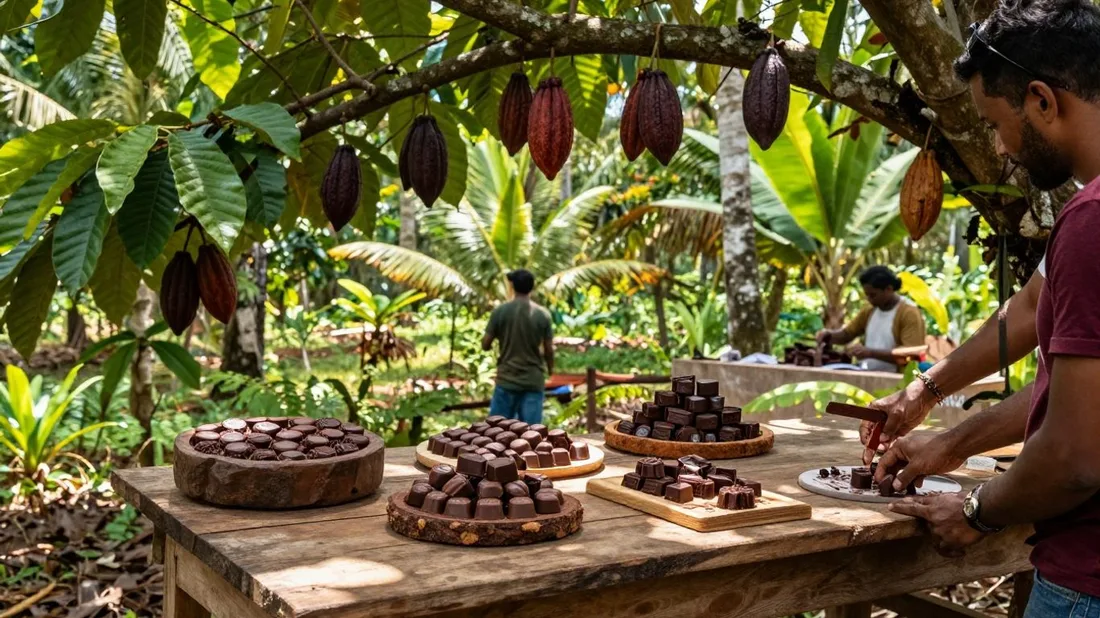
Taha’a is a mountainous Society Island north of Raiatea, and the two islands share the same broad lagoon. Often called the Vanilla Island, Taha’a is known for vanilla cultivation, motu, coral gardens, pearl farms and a quieter range of villages and accommodations. There is no airport on Taha’a, so planning the boat connection from Raiatea is an essential part of every stay.
The island works well for travelers who want lagoon activities and locally grounded land experiences without relying on a large town or a dense resort area. A balanced visit might include a vanilla or island tour, a guided snorkeling day, time at the accommodation and a closer look at Raiatea. Where you stay—main island or motu—will shape transfers, meals and access to activities.
Why choose Taha’a?
Taha’a offers a combination that is difficult to reproduce elsewhere: a productive island landscape within the same lagoon as Raiatea, with views toward neighboring islands and many ways to travel by boat. Tahiti Tourisme lists vanilla plantations, hiking, cycling, pearl farms, diving, fishing and motu excursions among the island’s visitor experiences.
Choose it for those specific qualities rather than generic promises of an untouched island. Taha’a is a living community with farms, roads, villages and tourism businesses. Travelers seeking a full-service resort can stay on a motu property, while guesthouses and vacation rentals may offer more contact with the main island. The best choice depends on mobility, meal preferences, budget and desired independence.
Vanilla farms and island agriculture
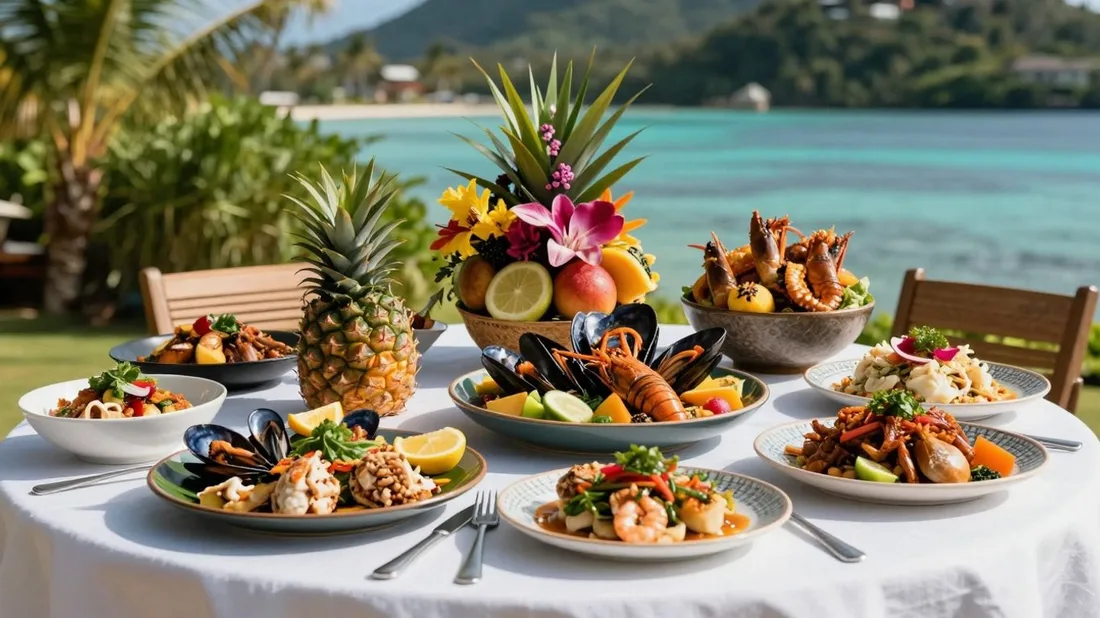
Vanilla is central to Taha’a’s visitor identity, and guided farm visits can explain how the orchid is cultivated, pollinated and cured. The work is detailed and seasonal, so what visitors see varies during the year. Rather than promising a particular stage of production, ask the farm or guide what will be demonstrated on the date of the visit and whether products are available to purchase.
Island tours may combine vanilla with a pearl farm, village stop or viewpoint. Inclusions and opening days differ. A locally guided tour provides valuable context about agriculture and present-day island life; it should not present Polynesian culture as a fixed performance or private working land as public space.
Coral gardens, snorkeling and lagoon outings
The coral garden near Taha’a’s motu is one of the island’s best-known snorkeling experiences. Some outings use a moving channel where current carries swimmers through shallow coral habitat. Conditions are not identical every day, and the activity is not suitable for every swimmer. Use a qualified guide, listen to the route briefing and ask about depth, current, entry, exit, footwear and flotation before participating.
Lagoon excursions can also include snorkeling elsewhere, a motu visit, a picnic, pearl-farm context or views toward Raiatea and Bora Bora. Confirm the actual route, group size, meal, equipment and transfer point. Coral and wildlife are sensitive: avoid standing on reef, touching marine life or treating a sighting as guaranteed. Wind and water conditions may require an operator to change the day’s plan.
Land activities and village exploration
Cycling, e-biking, scooter touring, guided drives and hiking offer different ways to see Taha’a’s coast and interior. Tahiti Tourisme highlights the Traversière route and views across the lagoon, but current access and difficulty should be checked locally. Heat, rain, road conditions and elevation matter. Rent only equipment you are comfortable using and confirm licensing, helmets and insurance for motorized vehicles.
Village and roadside stops are most rewarding when they support local businesses and respect everyday life. Ask before photographing people, religious gatherings or private property. Markets, shops and dining hours can be limited, so do not assume urban-style convenience. A guide or accommodation host can help sequence visits around current openings instead of relying on a dated list copied from another itinerary.
Getting to and around Taha’a
Taha’a has no airport. The usual route is a domestic flight to Raiatea followed by a boat transfer across the shared lagoon. Accommodation providers commonly help arrange this connection, but pickup point, waiting time, luggage handling and late-arrival procedures differ. Confirm the complete transfer before booking flights, and leave enough time if an international or inter-island connection is involved.
Official tourism information may list ferry links involving Taha’a and neighboring islands, but routes and timetables can change. Verify the current operator and exact stop rather than assuming a direct connection. On Taha’a, options may include bicycles, scooters, rental vehicles, accommodation shuttles and guided tours. Motu stays depend more heavily on boats, which affects dining and spontaneous main-island exploration.
Where to stay in Taha’a
Taha’a offers luxury hotels and overwater or beach villas on motu, as well as Tahitian guesthouses, vacation rentals and smaller properties on or near the main island. A motu resort can provide an immersive lagoon setting and organized services. A main-island guesthouse may make land touring and local interaction easier, though facilities and dining options vary widely.
Compare transfers, meal plans, nearby dining, beach and snorkeling access, air-conditioning or fans, room configuration, Wi-Fi expectations and activity pickup. Ask whether a boat is required each time you leave the property and what happens after the final scheduled transfer. Travelers with mobility needs should discuss docks, steps, sand and wet boat boarding directly with the property before committing.
Food, meals and tastings
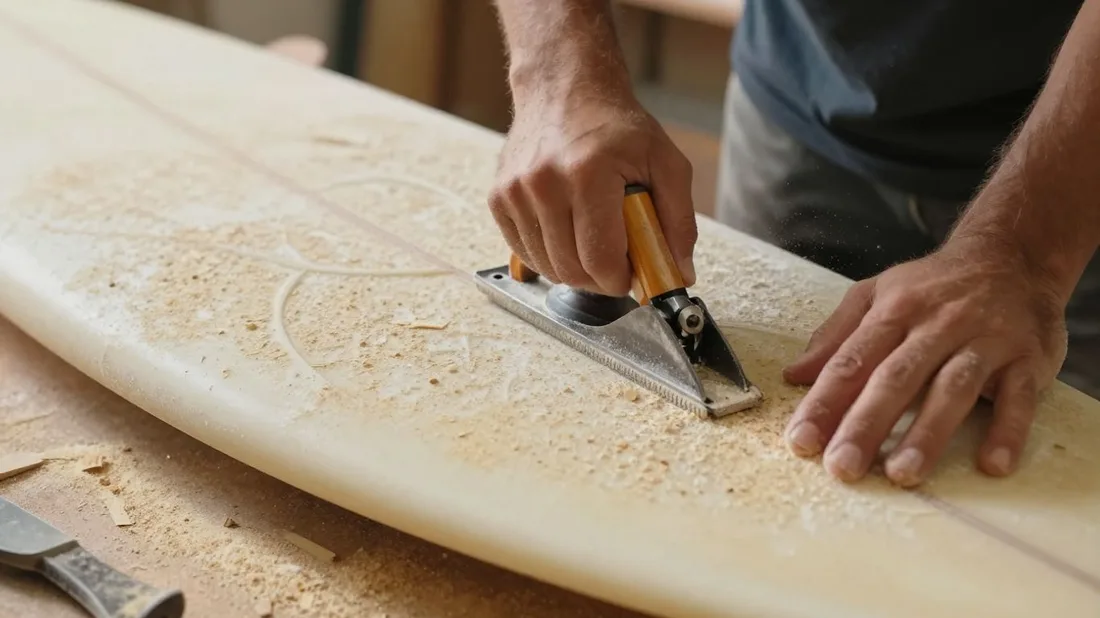
Taha’a dining often features fish, local produce and vanilla in sweet or savory preparations, but menus and restaurant availability change. Some remote properties use half-board or full-board plans because independent alternatives are limited. Confirm exactly which meals and drinks are included, how dietary restrictions are handled and whether reservations or transport are needed for dining elsewhere.
Vanilla and pearl purchases can be meaningful reminders of the island when bought from reputable local producers. Check customs and biosecurity rules for the destination country before packing agricultural or food products. Prices, demonstrations and tastings should be verified with each business rather than described as universal features of every tour.
When to visit and how long to stay
Taha’a is warm year-round, with a generally cooler, drier period and a warmer, more humid period. Weather patterns do not guarantee sunshine, calm water or perfect snorkeling on a particular day. Choose dates around the wider French Polynesia itinerary, then build flexibility for rain, wind and lagoon conditions. Vanilla production is seasonal, so ask what a farm visit can show during the planned month.
There is no fixed ideal stay. Allow enough time for the Raiatea connection, at least one land experience, a lagoon day and some unstructured time. Travelers staying on both Taha’a and Raiatea should avoid duplicating similar lagoon excursions unless that is a priority. The transport plan, accommodation style and desired pace are better guides than a standard number of nights.
Combining Taha’a with Raiatea and beyond
Raiatea is the natural partner because it provides the airport and shares Taha’a’s lagoon while offering different cultural, town and sailing experiences. Bora Bora can add a larger resort setting, and Huahine provides another Leeward Islands perspective. Tahiti is commonly the international gateway. Confirm whether each move is by flight, scheduled boat or private transfer before finalizing the sequence.
A smooth itinerary minimizes fragile same-day connections and repeated packing. If the Taha’a stay is on a motu, include that property’s transfer schedule in every onward plan. Leave an appropriate buffer before the international departure and avoid adding an island simply because it appears nearby. Enough time in fewer places usually delivers more meaningful land and lagoon experiences.
Explore Raiatea and the shared lagoon
Frequently asked questions
How do you get to Taha’a?
Taha’a has no airport. Most travelers fly to Raiatea and continue by boat across the shared lagoon. Confirm the pickup point, transfer time and luggage arrangements with the accommodation or boat provider.
What is Taha’a known for?
Taha’a is especially associated with vanilla cultivation, its shared lagoon with Raiatea, coral-garden snorkeling, motu, pearl farms and locally guided island experiences.
Is the Taha’a coral garden suitable for beginners?
Conditions and swimming requirements vary. Current can be part of the experience, so beginners should use a qualified guide, disclose their ability and ask about flotation, depth, entry and exit before joining.
Should you stay on the main island or a motu?
A motu can emphasize lagoon scenery and resort services, while the main island can simplify land touring and local access. Compare boat dependence, meals, transfers, mobility and desired independence.
Can Taha’a and Raiatea be combined?
Yes. They share a lagoon, and Raiatea provides Taha’a’s usual airport access. Plan each accommodation and boat transfer together so that the two stays add distinct experiences rather than duplicated logistics.
How many nights should you spend on Taha’a?
There is no universal minimum. Allow time for the Raiatea transfer, the land and lagoon activities you value, and flexibility for weather, then fit the stay into the complete island sequence.