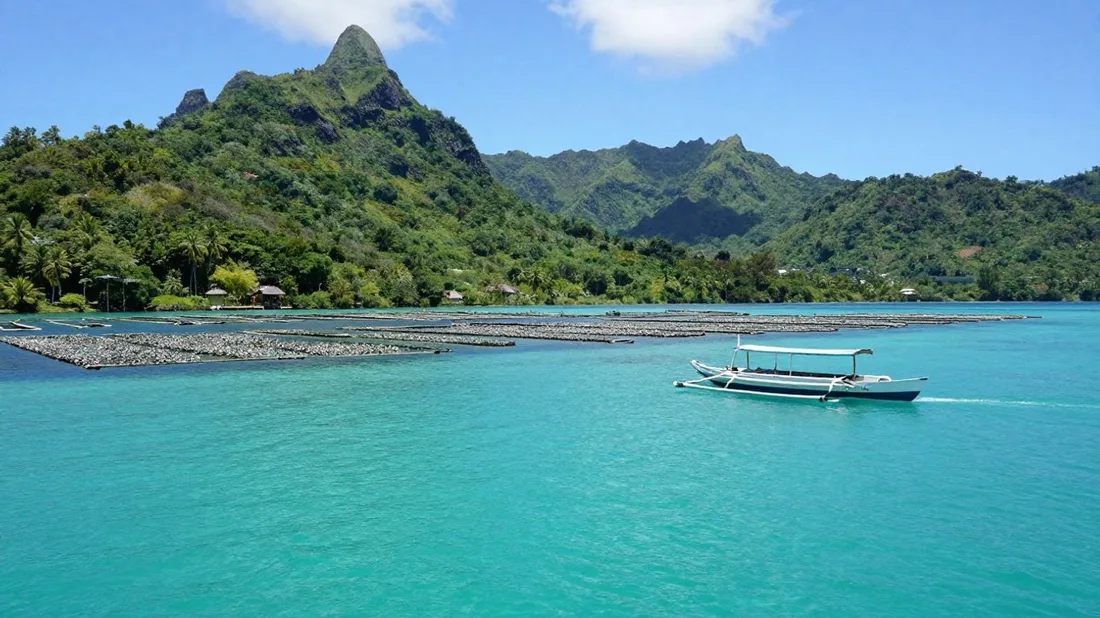
Raiatea is a volcanic Society Island with an unusually strong combination of Polynesian cultural heritage, mountain and river landscapes, lagoon activities and practical inter-island connections. It shares a lagoon with Taha’a and is an important sailing base in the Leeward Islands. Travelers who look beyond a beach-only itinerary can build a visit around Taputapuātea, the Faaroa River, Uturoa and time on the water.
The island is often called sacred, but that description should lead to informed, respectful travel rather than vague mystical language. Taputapuātea is a living cultural landscape of profound importance across Polynesia, and other sites, stories and practices also deserve local interpretation. A thoughtful stay allows time for cultural context, outdoor activity and the everyday island rather than treating Raiatea merely as an airport for Taha’a.
Taputapuātea and Raiatea’s cultural landscape
The UNESCO World Heritage property of Taputapuātea includes a cultural landscape and seascape with the marae complex at its heart, together with forested valleys and portions of lagoon, reef and open ocean. UNESCO describes the complex as a political, ceremonial and funerary center that bears exceptional testimony to about a thousand years of mā’ohi civilization and oceanic connections.
Visit slowly and follow current site guidance. Information panels or a knowledgeable local guide can help explain the relationship among the marae, surrounding land, sacred pass and wider Polynesian voyaging traditions. These are not simply old stone platforms for photographs. Stay on appropriate paths, do not climb or move stones, ask before photographing ceremonies or people, and avoid presenting complex living heritage as a tourist legend.
Faaroa River and the island interior
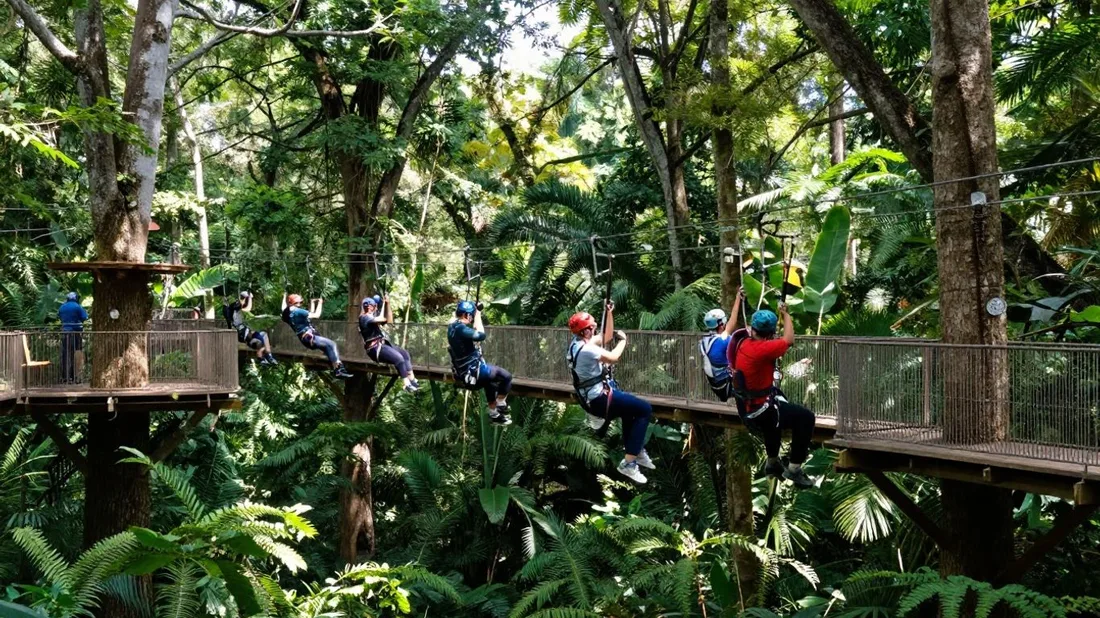
The Faaroa River is identified by Tahiti Tourisme as French Polynesia’s only navigable river. Guided kayak, paddleboard, outrigger or boat outings can reveal a green inland corridor that contrasts with the lagoon. Tour length, launch point, water level and physical demands vary, so confirm the format and disclose mobility or paddling concerns before booking.
Raiatea also has valleys, waterfalls and inland routes, but access and safety should be checked locally. Heavy rain can affect trails, river conditions and visibility. Do not follow an unverified map onto private land or assume every waterfall is safe for swimming. A local guide can add botanical, historical and agricultural context while choosing a route appropriate for current conditions.
Mount Temehani and the tiare apetahi
Mount Temehani is associated with the tiare apetahi, an emblematic plant endemic to Raiatea. The hike is a substantial outing and should not be promoted as a casual walk or as a guaranteed flower sighting. Use a local guide, confirm present access, weather and trail conditions, and follow conservation instructions. Never pick or disturb protected plants.
Travelers who are not suited to the full hike can still learn about the island’s distinctive ecology through guided experiences and responsible interpretation. Fitness, heat, rain and slippery terrain all matter. Ask for honest distance, elevation and expected duration for the chosen route, bring adequate water and footwear, and be prepared for the guide to change plans when conditions require it.
Sailing, lagoon trips and diving
Raiatea’s marinas and shared lagoon make it a natural base for sailing and charter itineraries. Options can range from a guided day on the lagoon to a crewed or bareboat multi-island trip, subject to experience and operator requirements. Confirm vessel, crew, provisioning, insurance, sleeping arrangements and route flexibility rather than assuming every charter offers the same level of service.
Lagoon outings may include motu stops, snorkeling or a crossing toward Taha’a. Diving includes reef and wreck interests, but conditions, certification and site suitability vary. Wildlife encounters are never guaranteed. Choose qualified operators, disclose experience and medical considerations, follow briefings, and protect coral by avoiding contact. Wind or sea conditions may change a planned site without making the day unsuccessful.
Uturoa and practical island time
Uturoa is Raiatea’s main town and transport center, with the airport, marina, market, shops and services nearby. It can be a practical base for early departures, provisioning or travelers who value walkable access to town. Market hours and shop openings change, so verify timing rather than building a day around an old schedule.
Time in Uturoa also shows Raiatea as a contemporary community rather than only a collection of attractions. Buy from local makers when possible, ask before photographing vendors or people, and recognize that the waterfront and roads are working spaces. Travelers staying farther around the island should plan transport for dining, shopping and excursions instead of assuming taxis are instantly available everywhere.
Getting to and around Raiatea
Raiatea is served by domestic flights, including service from Tahiti, and official tourism information also lists sea connections. Frequencies, travel times, fares and baggage rules change, so check the operating carrier or ferry for the exact dates. The airport is near Uturoa; confirm the accommodation transfer and allow realistic connection time, particularly before an international flight.
A rental car provides flexibility for Taputapuātea and locations around the island’s long coastal road. Taxis, buses, scooters, bicycles and e-bikes may also be available, but suitability depends on route and comfort. Reserve vehicles in busy periods, verify insurance and licensing, and avoid underestimating distance. Boats and taxi-boats connect parts of the shared lagoon and Taha’a, subject to current arrangements.
Where to stay in Raiatea
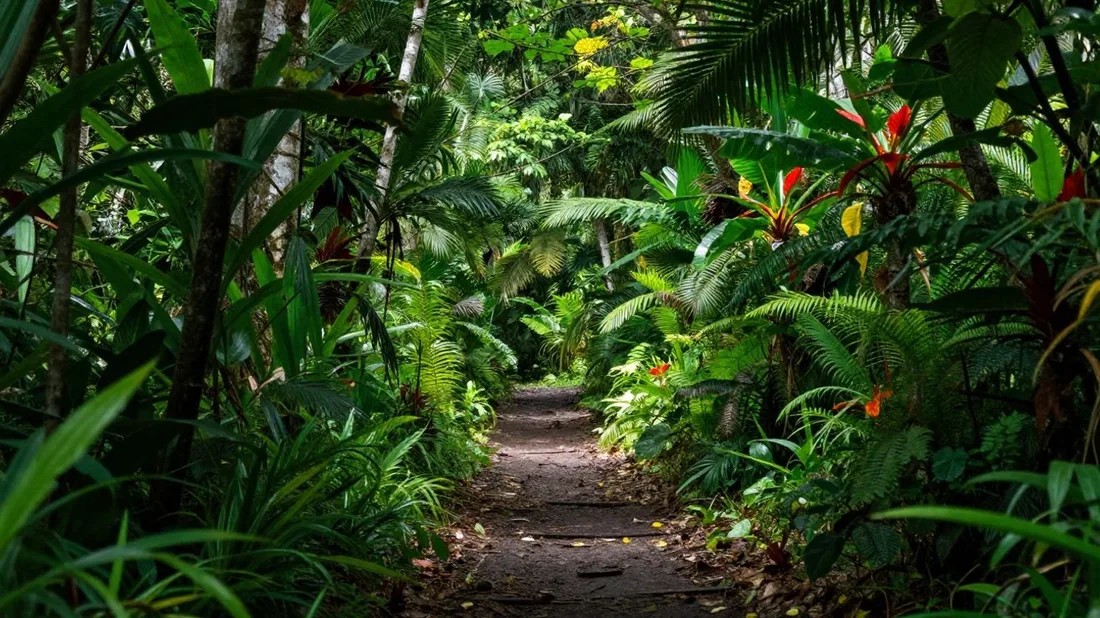
Accommodation includes hotels near Uturoa, Tahitian guesthouses, vacation rentals and waterfront bungalows or lodges. A town-area stay can simplify airport, market and marina logistics. A more remote lagoonfront or garden setting may offer quiet and scenery while requiring a car, planned meals or longer transfers. There is no universally best coast or property type.
Compare the complete stay: swimming access, road noise, restaurant distance, meal plan, kitchen facilities, air-conditioning or fans, Wi-Fi expectations, activity pickup and accessibility. A waterfront image does not confirm a sandy swimming beach. Ask about docks, steps, coral and transport if mobility is a concern, and verify every inclusion or policy directly with the property.
When to visit and how long to stay
Raiatea is warm throughout the year, with seasonal changes in rain, heat, humidity and trade winds. No period guarantees dry hiking trails, calm sailing or clear diving. Choose dates based on the wider itinerary and priority activities, then retain alternatives for changing conditions. Guides and boat operators are the best source for day-specific decisions.
Stay long enough to treat the island as more than a transfer point. A compact visit can focus on Taputapuātea and one lagoon or river outing; a longer stay supports hiking, sailing, diving and slower exploration. The right number of nights depends on transport, fitness and whether Taha’a is visited as a day trip or separate stay.
Raiatea and Taha’a: two islands, one lagoon
Raiatea and Taha’a pair naturally but offer different emphases. Raiatea provides the airport, Uturoa, Taputapuātea, river and sailing infrastructure. Taha’a adds vanilla farms, motu stays and its well-known coral garden. Travelers can choose a day trip, stay on both islands or base on one, depending on boat transfers and the experiences they value.
Include every boat segment in the itinerary and avoid tight same-day international connections. Bora Bora or Huahine can extend a Leeward Islands route, while Tahiti is the usual gateway. Fewer well-planned bases generally create a better trip than repeated short stops. Confirm each flight, ferry or private transfer together before locking nonrefundable accommodations.
Plan time on neighboring Taha’a
Compare a Leeward Islands stay with Bora Bora
Frequently asked questions
What is Raiatea best known for?
Raiatea is especially known for the UNESCO World Heritage cultural landscape of Taputapuātea, Polynesian voyaging heritage, the Faaroa River, sailing and its shared lagoon with Taha’a.
How do you get to Raiatea?
Raiatea is served by domestic flights and may also have sea connections. Verify the current operator, schedule, baggage rules and accommodation transfer for the exact travel dates.
Can you visit Taha’a from Raiatea?
Yes. The islands share a lagoon and are linked by boat services and excursions. Confirm current departure points and timing, or coordinate separate accommodation transfers when staying on both.
Do you need a guide at Taputapuātea?
A guide is not always required, but knowledgeable local interpretation can add important cultural and historical context. All visitors should follow site guidance and treat the marae and surrounding landscape respectfully.
Is the Mount Temehani hike easy?
It should be treated as a substantial guided outing rather than a casual walk. Conditions, access and difficulty vary; confirm fitness expectations, use proper footwear and follow conservation guidance.
Do you need a rental car on Raiatea?
A car is useful for reaching Taputapuātea and exploring the coast independently. Travelers focused on organized excursions or Uturoa may use transfers or taxis, but should confirm availability in advance.