Huahine is a volcanic Society Islands destination formed by Huahine Nui and Huahine Iti, connected by a bridge. Lagoon, beaches, cultivated land, villages and an important archaeological landscape give the island unusual depth. It appeals to travelers who want water activities and a stronger cultural and historical dimension without depending on the large-resort experience associated with some neighboring islands.
The island is sometimes marketed as untouched or frozen in time, but those phrases overlook a contemporary community. A better visit combines respectful interpretation of marae and fish traps with locally guided nature, lagoon time and ordinary places such as Fare. Transport and accommodation choices matter because attractions are spread across both halves of the island.
Why choose Huahine?
Huahine suits travelers interested in archaeology, village-scale travel, lagoon excursions and independent road exploration. Tahiti Tourisme highlights the Maeva sites, traditional fish traps, sacred eels, pearl farms, hiking, beaches, diving, snorkeling and motu outings. That variety makes the island suitable for couples, families and active travelers when activities are matched to mobility and water confidence.
Choose Huahine for those specific qualities rather than a promise of empty beaches or guaranteed authenticity. Visitor services are smaller in scale, dining can be limited outside Fare, and opening days vary. Travelers who reserve key transport and activities while leaving room for local advice are better prepared than those who expect every stop to operate like a polished resort attraction.
Maeva, marae and traditional fish traps
The archaeological area around Maeva is one of Huahine’s most important visitor experiences, with marae and other remains connected to the island’s history. Traditional stone fish traps in the nearby waters show an enduring relationship between community and lagoon. A knowledgeable local guide or current interpretive information can explain what visitors are seeing without reducing complex history to legends.
Treat marae as culturally significant places, not climbing structures or photo props. Stay on appropriate paths, do not move stones and ask before photographing people or ceremonies. Fish traps are working cultural features, so observe without interfering. Conditions and access can change, and a guided visit may reveal relationships among settlement, land, water and chiefly history that are easy to miss on a quick drive.
Sacred eels and responsible animal encounters
The blue-eyed freshwater eels at Faie are widely associated with Huahine and are described as sacred in local tradition. Visit with respect for the place and community rather than treating the animals as a novelty. Follow current local instructions, remain on safe footing near the water and do not assume that feeding, touching or entering the stream is appropriate.
The same principle applies to lagoon wildlife. Fish, rays, sharks, dolphins or other animals may be present, but no encounter is guaranteed. Choose operators who explain safe distances and discourage touching, chasing or standing on coral. A responsible trip adapts to visibility, current, wind and animal behavior rather than forcing a promised checklist of sightings.
Lagoon trips, beaches and water activities
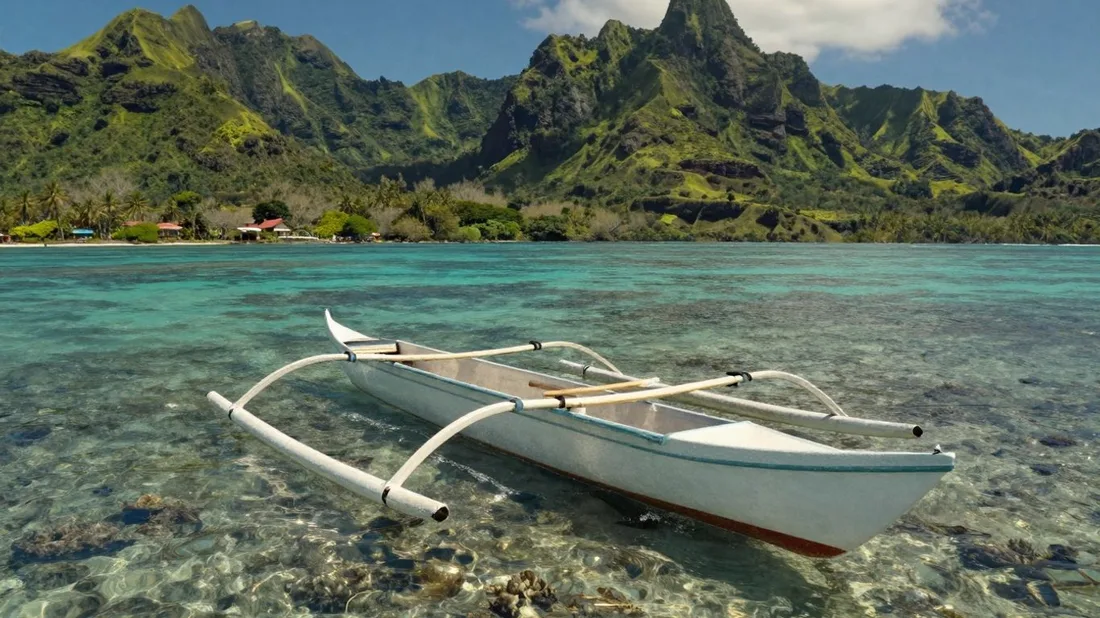
Guided lagoon tours may combine snorkeling, a motu stop, a picnic, pearl-farm context or views back toward Huahine Nui and Iti. Compare the boat, group size, shade, equipment, meal and actual water time. Tell the operator about children, mobility needs or uncertain swimmers, and ask whether current conditions could change the route.
Fare, Avea and other coastal areas provide different beach and swimming settings, but no named beach guarantees calm or suitable access every day. Tides, wind, coral and current matter. Ask locally about the best place for that day and use designated access. Kayaks, paddleboards, bicycles and other equipment may be rented or included at some properties; verify condition, boundaries and safety gear first.
Fare and exploring Huahine by road
Fare is the principal village and a practical base for the airport, market, shops, restaurants and lagoon departures. Market activity and opening hours change, so check timing locally. Buying from farmers, fishers and craft makers can support the community, while respectful conversation provides a more grounded experience than describing residents as part of an attraction.
A car gives flexibility for visiting both Huahine Nui and Huahine Iti, with stops at beaches, viewpoints, farms and cultural sites. Scooters, bicycles, e-bikes, guided 4x4 tours and local transport may also be available. Distances, heat and road conditions should guide the choice. Reserve vehicles when demand is high and confirm licensing, helmets and insurance for motorized rentals.
Food, farms and local products
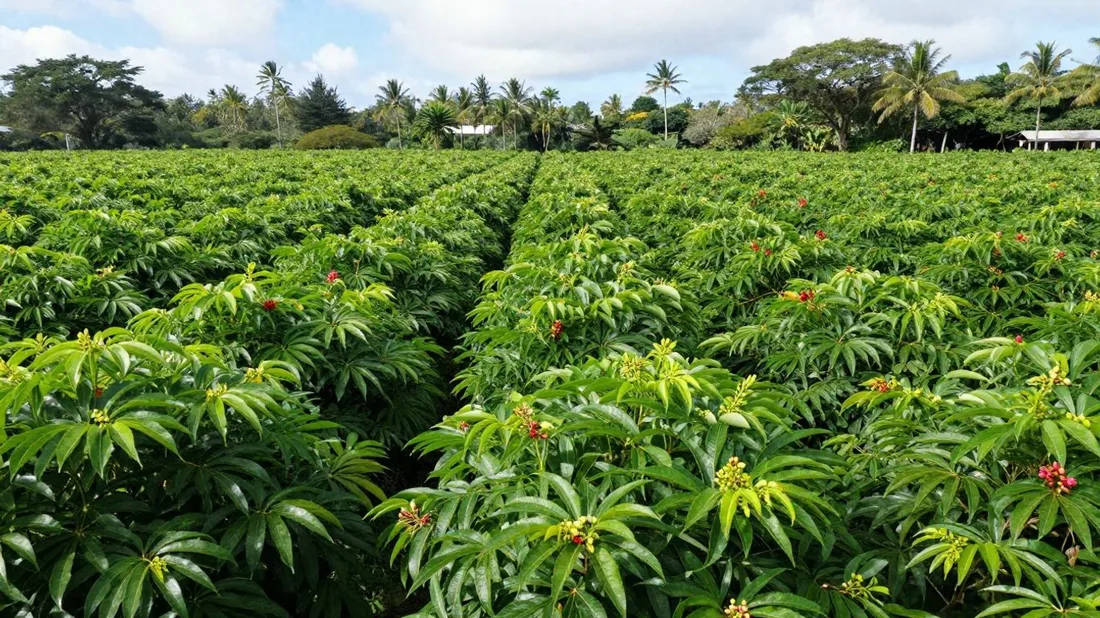
Huahine’s agricultural landscape supports fruit, vanilla and other local products, while the lagoon and ocean influence menus. Farm or pearl visits vary in format and season, so ask what will actually be demonstrated. Do not promise tastings, production stages or shopping on every tour. Check customs and biosecurity rules before taking food or plant products home.
Restaurants and guesthouse meals may feature fish, produce and Polynesian or French-influenced cooking. Confirm opening days, reservations and payment options, particularly outside Fare. Some accommodations offer meals and others require self-catering or transport. Travelers with allergies or dietary restrictions should communicate in advance rather than assume a small kitchen can adapt without notice.
Getting to and around Huahine
Huahine is served by domestic flights, including service from Tahiti and other Society Islands, and official tourism information also lists passenger sea service. Operators, routes, schedules, baggage rules and fares change. Verify exact dates with the carrier, coordinate the airport or port transfer, and leave realistic time when connecting to an international departure.
On the island, rental cars are useful for independent exploration, while scooters, bicycles, e-bikes, tours and local transport suit other plans. Do not assume taxis or buses operate on demand across both islands. Ask the accommodation how guests reach restaurants, beaches and activities. Boat charters and paddling equipment provide separate ways to explore the lagoon, subject to weather and skill.
Where to stay in Huahine
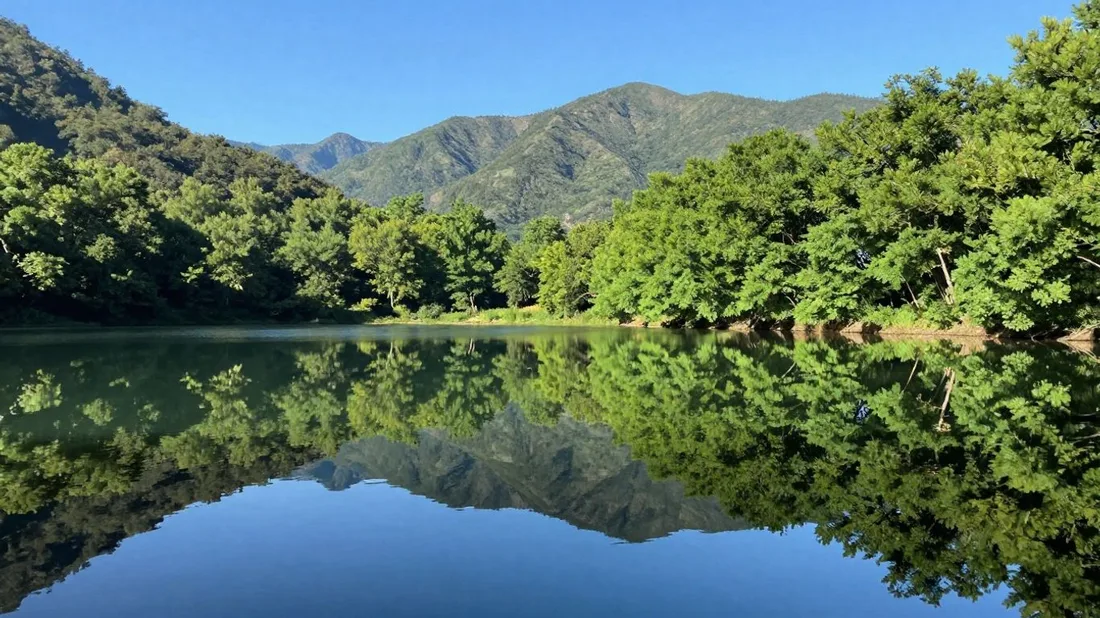
Accommodation includes small hotels, family-run Tahitian guesthouses, vacation rentals, lagoonfront bungalows and sailing or cruise options. Staying near Fare can simplify shops, dining and departures. Huahine Iti or a more remote coastal setting may provide quiet and water access while increasing dependence on a vehicle or included meals. There is no universally best side of the island.
Compare swimming access, road noise, meal plan, kitchen facilities, fans or air-conditioning, Wi-Fi expectations, transfer arrangements and activity pickup. A lagoonfront room does not necessarily have a sandy beach. Families and travelers with limited mobility should ask about steps, docks, coral, bathroom configuration and walking distances. Verify cancellation terms and every inclusion with the property.
When to visit and how long to stay
Huahine is warm throughout the year, with seasonal changes in rainfall, humidity, wind and sea conditions. The cooler, generally drier months do not guarantee sunshine or calm water, and wetter months do not mean constant rain. Choose travel dates around the complete itinerary and priority activities, then keep alternatives for days when hiking or lagoon plans need to change.
There is no fixed ideal stay. Allow time for Maeva and other cultural places, a lagoon or beach day, road exploration and unscheduled time. A shorter visit can focus on two priorities; a longer one supports hiking, diving or a slower guesthouse experience. Let transport frequency and the wider island sequence determine the number of nights.
Combining Huahine with other islands
Raiatea adds Taputapuātea, the Faaroa River and sailing infrastructure. Taha’a offers vanilla and motu experiences in Raiatea’s shared lagoon, while Bora Bora provides a larger luxury-resort contrast. Tahiti commonly serves as the international gateway. Choose islands for genuinely different experiences rather than adding every nearby name to the itinerary.
Confirm each flight, ferry and accommodation transfer together; old timetables are not a safe planning tool. Leave an appropriate buffer before the international departure and avoid fragile same-day moves. A well-paced combination of Huahine and one or two complementary islands usually provides more value than repeated one-night stops.
Explore cultural travel in French Polynesia
Frequently asked questions
What is Huahine best known for?
Huahine is especially known for the Maeva archaeological landscape and fish traps, its two connected islands, lagoon activities, Fare, beaches and the blue-eyed freshwater eels at Faie.
How do you get to Huahine?
Huahine is served by domestic flights and may also have passenger sea service. Confirm the current carrier, route, schedule, baggage rules and arrival transfer for the exact dates.
Do you need a rental car on Huahine?
A car is useful for independently exploring Huahine Nui and Huahine Iti. Tours, scooters, bicycles, e-bikes and local transport may suit other plans, but availability should be confirmed.
Are Huahine’s beaches always calm for swimming?
No. Conditions vary by beach, tide, wind and current. Ask locally where swimming is appropriate that day, supervise children and avoid assuming that clear, shallow-looking water is risk-free.
How should visitors behave at Huahine’s marae and sacred eels?
Follow local guidance, stay on appropriate paths, do not move stones or interfere with fish traps, and do not feed, touch or enter the eel habitat unless current local instructions explicitly permit it.
How many nights should you spend on Huahine?
The right length depends on whether you want archaeology, lagoon time, road exploration, hiking or diving. Allow enough time for your priorities and transport schedule rather than relying on a fixed minimum.