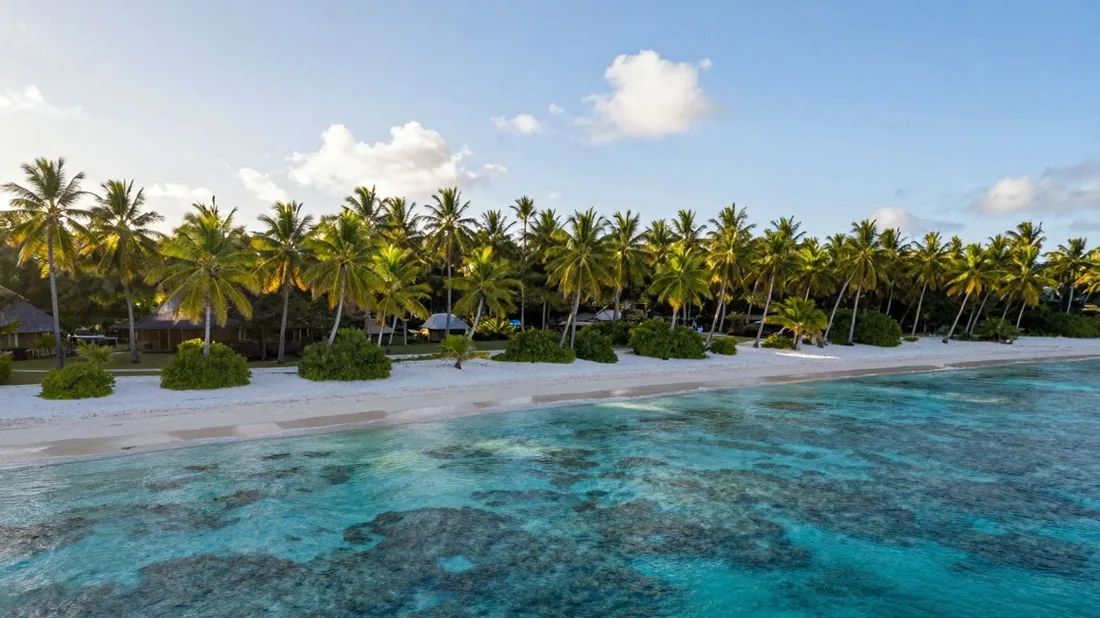
Pensions and Tahitian guesthouses offer a smaller-scale alternative to French Polynesia’s resorts. They range from rooms in a family-run property to individual garden, beach or lagoon bungalows. The experience may include home-style meals, local advice and help arranging excursions, but facilities and the amount of host interaction differ from one property to another.
A guesthouse should not be treated as a lesser resort. It is a different accommodation style, often best for travellers who value location, simplicity, local knowledge and a closer connection to the island. The right choice comes from matching comfort expectations, meals, transportation and activities to the exact property rather than assuming every pension works the same way.
What is a Tahitian guesthouse?
Tahiti Tourisme describes Tahitian guesthouses as small, family-run accommodations found across the archipelagos. Depending on the listing, a property may be called a pension, bed and breakfast, lodge, fare or guesthouse. Those labels do not reliably specify whether the unit is private, whether meals are included or which services are available.
Request a current description of the booked room: bed configuration, bathroom, air-conditioning or fan, hot water, screens, Wi-Fi, housekeeping, terrace and distance from shared facilities. Photographs may show several categories. Confirm whether the rate is per room or person, what taxes apply, and whether a minimum stay, deposit or cash payment is required.
Why choose a pension or guesthouse?
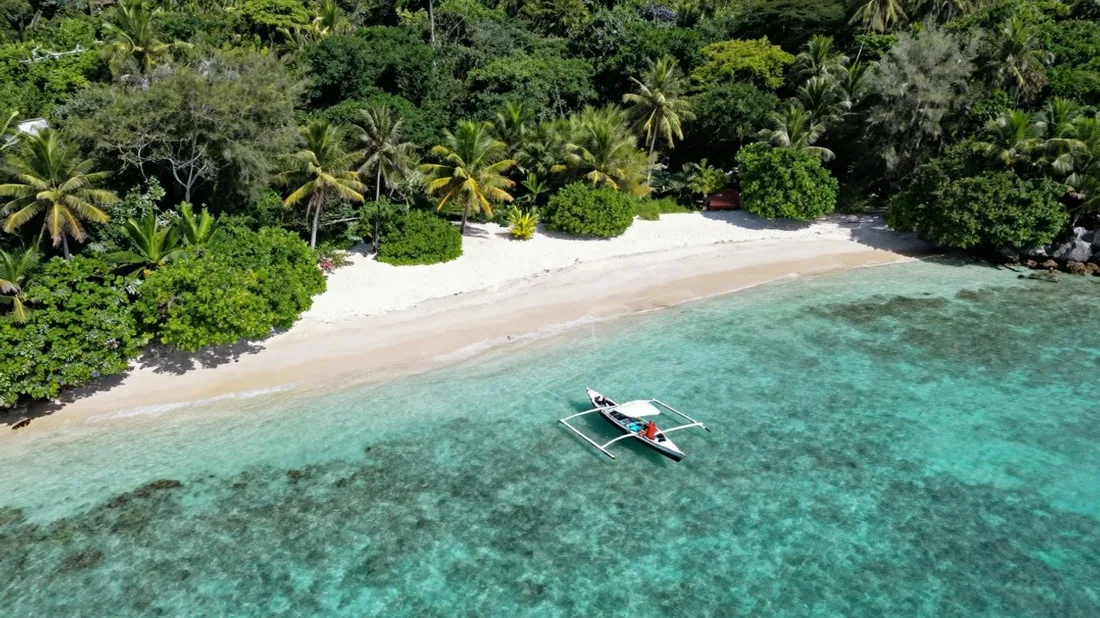
Guesthouses can place travellers in villages, on family land or near parts of an island with limited hotel development. Hosts may share practical advice about transport, tours, food and local customs. Smaller properties can also make a longer or multi-island itinerary more affordable, although price varies and should be compared after meals and transfers are included.
The pace is usually more independent than at a full-service resort. That suits travellers who do not need round-the-clock reception, several restaurants or a large activity desk. It may not suit someone who requires extensive amenities, immediate service, standardized accessibility or a wide choice of meals. Clear expectations protect both the guest and host.
Huahine for culture and independent exploration
Huahine has family-run guesthouses alongside hotels, vacation rentals and other accommodation. It suits travellers interested in Maeva’s archaeological landscape, villages, road touring, beaches and lagoon activities. A guesthouse can provide a practical local base, but its position on Huahine Nui or Huahine Iti affects driving time and access to Fare, restaurants and tours.
Many Huahine guesthouses offer dining, but that does not mean every meal or dietary request is automatically covered. Ask which meals are served, on what days and at what price. Decide whether a rental car, bicycle or arranged transfer is needed. A lagoon-edge property can be quiet and scenic while still being far from groceries or evening dining.
Maupiti for a guesthouse-centered stay
Maupiti’s accommodation is primarily small, family-run guesthouses, with rooms, bungalows and traditional fare rather than major luxury hotels. That makes the lodging style central to the island experience. Properties may be on the main island or a motu, and the location determines boat transfers, access to the village and how independently a traveller can move around.
Confirm airport or lagoon transfer arrangements before arrival because they are not an interchangeable taxi ride. Meals may be especially important at a motu property. Ask about bicycles, boat connections, excursions, electricity, water, Wi-Fi and payment. Maupiti rewards travellers comfortable with a small-island routine, but should not be sold as a resort experience at a lower price.
Raiatea and Taha’a for heritage, sailing and farms
Raiatea guesthouses can support visits to Taputapuātea, island touring, hiking, lagoon activities and sailing. Location matters: a property near Uturoa offers different convenience from one on a quieter coast. Verify the distance to planned excursions and whether a car is needed. For water-based plans, confirm the marina or pickup rather than assuming every operator collects from the accommodation.
Taha’a offers guesthouses as well as motu hotels, beach villas and overwater lodging. It has no airport, so arrival normally includes a boat connection associated with Raiatea or the chosen property. Guesthouses can provide access to vanilla farms, lagoon activities and a slower setting. The transfer, meal plan and ability to explore independently should be clear before booking.
Fakarava and the Tuamotus for ocean-focused travel
Fakarava has Tahitian guesthouses, rentals and camping rather than a large resort inventory. Guesthouse locations around the atoll can differ greatly in their access to the village, dive centers, north or south pass and other services. Select the area around the activity plan first, then compare rooms; two properties listed under Fakarava may support very different trips.
Meals and transfers are important where independent restaurants and transport are limited. Divers should confirm which operator is used, pickup arrangements, certification and experience requirements, equipment and appropriate preflight surface intervals. Non-divers should have satisfying alternatives. Rangiroa, Tikehau and other atolls require the same property-specific approach rather than a generic pension assumption.
Nuku Hiva and Hiva Oa in the Marquesas
Small hotels, lodges and guesthouses fit the Marquesas’ emphasis on landscapes, archaeology, art, villages and guided land exploration. These islands do not have the protected lagoons associated with the Society Islands, so accommodation should be chosen around land access and local touring rather than overwater expectations. Distances and road conditions make guide and vehicle planning particularly relevant.
Ask whether airport transfers, meals and excursions are provided or arranged and how far the property is from the village. Internet and payment options may be limited. A knowledgeable host can be valuable, but availability of a guide, vehicle or specific cultural visit is never guaranteed until confirmed for the dates.
Meals can shape the stay
Breakfast or dinner is common at many guesthouses, particularly where outside dining is limited, but inclusion is not universal. Ask whether meals are communal or private, which beverages are included and how dietary restrictions are handled. Share allergies early and understand that a small kitchen on a remote island may not have the substitutions available at a large hotel.
Home-style fish, fruit and local dishes can be an important part of the experience, but menus depend on season, supply and the host. Do not promise a specific meal every night. If a traveller wants independent dining, check restaurant days, reservation needs and transport home; a remote property can make an otherwise simple dinner logistically difficult.
Transport and location questions
Map the guesthouse against the airport or ferry, village, tour departures, beaches and food. Ask whether arrival transfers are included and what happens after a delayed flight. Rental cars, scooters and bicycles may be available on some islands, while others depend on property transfers or boats. Licensing, helmets, insurance and road suitability should be checked locally.
Walkable is a specific claim, not a general feature of guesthouse travel. Roads may be dark, narrow or hot, and distances on a map can be misleading. Travellers with mobility needs should ask about stairs, paths, sand, bathroom access and emergency assistance. A written answer from the property is more useful than assuming a ground-floor bungalow is accessible.
Plan activities without over-scheduling
Hosts may arrange lagoon tours, diving, farm visits, hiking, cultural guiding or bicycle rental through local providers. Ask whether the host operates the activity or makes a referral, then confirm the operator, price, inclusions, safety requirements and weather policy. Leaving some time open allows for local advice without depending on an unconfirmed last-minute activity.
A slower day can be part of the appeal: swimming, reading, a village visit or conversation over dinner. Still, travellers should not expect unrestricted access to private family or community life. Follow house rules, ask before photographing people, dress appropriately around homes and cultural sites, and treat hospitality as a relationship rather than an attraction.
Combine guesthouses and resorts thoughtfully
A blended itinerary can pair a guesthouse with an overwater or full-service resort. The contrast may provide local scale and independent exploration on one island, followed by a more amenity-rich stay on another. It is not necessary to describe either as more authentic or better; they serve different priorities. Choose the order based on connections and desired pace.
Fewer moves generally protect the benefits of a small-property stay. Allow enough time to learn the location, use host recommendations and absorb a flight or boat delay. Compare the complete cost, including meals, transfers and transport. A pension can be excellent value, but the strongest reason to choose one is that its setting and style fit the traveller.
Explore Huahine guesthouse travel
Plan a small-island stay on Maupiti
Compare Fakarava for diving and atoll life
Frequently asked questions
What is a pension in French Polynesia?
A pension is generally a small, locally operated guesthouse or bed-and-breakfast-style property. It may offer a room, fare or bungalow, but bathrooms, meals, transfers and services differ and must be confirmed for the exact booking.
Are meals included at Tahitian guesthouses?
Meals are common at many guesthouses, especially on quieter islands, but are not universal. Confirm breakfast, dinner, drinks, dietary arrangements, prices and which days food is served.
Which islands are best for pensions and guesthouses?
Huahine, Maupiti, Raiatea, Taha’a, the Tuamotus and the Marquesas all have useful guesthouse options. Choose by location, activities, transportation and comfort needs rather than a single island ranking.
Are French Polynesia guesthouses suitable for families?
Some are, but occupancy, bedding, child policies, water access and safety features vary. Families should confirm the exact room, meals, transport and supervision risks directly with the property.
Do Tahitian pensions have air-conditioning and private bathrooms?
Some do and some do not. Ask about air-conditioning or fans, bathroom type, hot water, screens, Wi-Fi and power for the specific room category instead of assuming a standard.
Can a trip combine a guesthouse with a luxury resort?
Yes. A blended itinerary can add different settings and services, provided the island sequence and transfers are sensible. Compare total cost and allow enough nights to enjoy each stay.