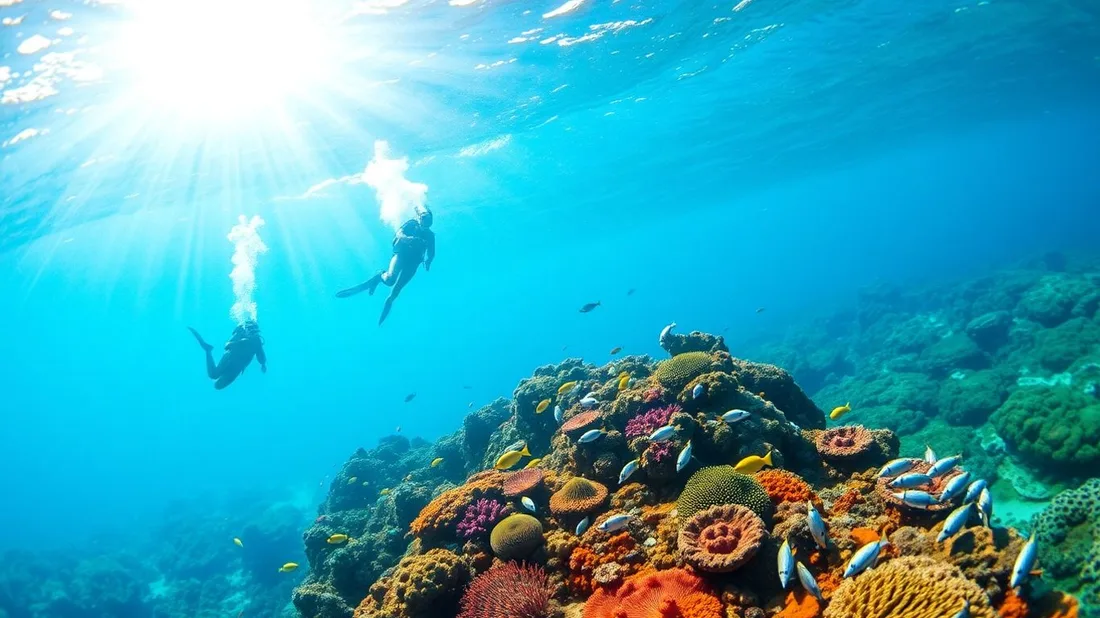
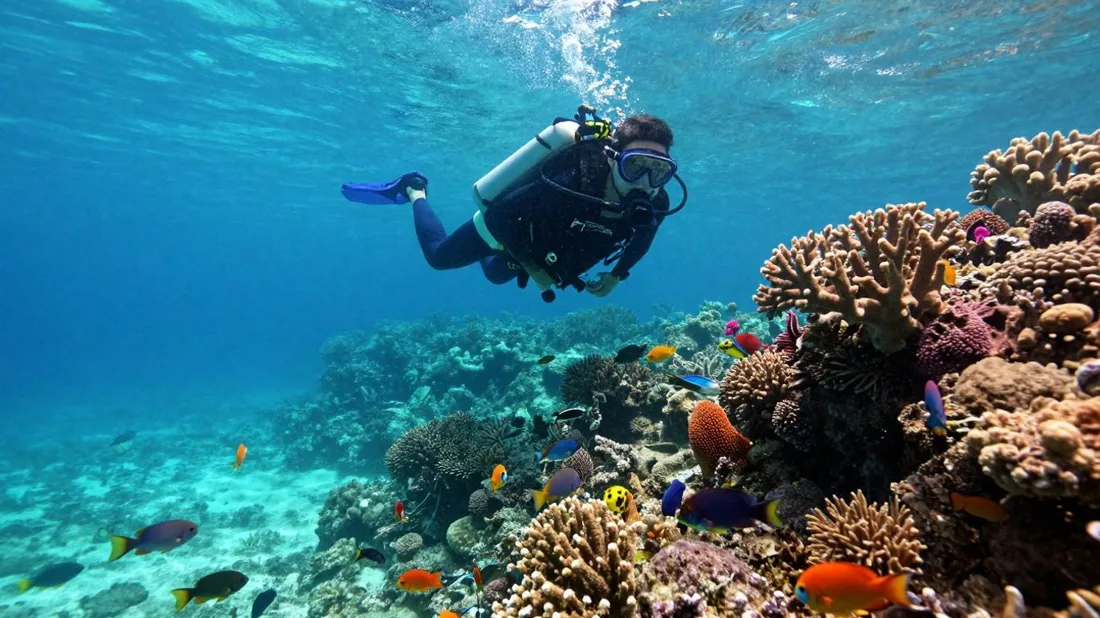
Thinking about where to go for your next underwater adventure? If you're drawn to clear blue waters and a vibrant marine world, then Tahiti scuba diving and its sister island, Moorea, should definitely be on your radar. These spots offer a fantastic mix of colorful reefs, interesting underwater landscapes, and a chance to see some amazing sea creatures. Whether you're just starting out or you've been exploring the oceans for years, there's something here for everyone. Let's take a look at some of the best places to explore beneath the waves.
Key Takeaways
Moorea, often called Tahiti's little sister, boasts beautiful bays and rich coral reefs teeming with life.
You can expect to see stingrays, turtles, and various shark species, including the social lemon sharks.
The dive sites offer a range of experiences, from shallow spots perfect for beginners to deeper walls for more experienced divers.
French Polynesia, including Tahiti and Moorea, is known for its protected shark populations and diverse marine ecosystems.
1. Lemon Shark Valley
Alright, let's talk about Lemon Shark Valley. This spot is pretty cool because it's not just one flat area; it's got these underwater valleys and ridges. You can kind of 'fly' over them, which is a neat feeling. Most of the time, you'll see a few sharks around, usually the black-tipped reef kind, which are typically around 4 to 6 feet long. But keep your eyes peeled, because sometimes you might spot a bigger grey shark, maybe even a lemon shark if you're lucky. It definitely gets your heart going a bit!
What's interesting is how the currents can sometimes be different down in the valleys compared to the ridges. It makes for a bit of a dynamic experience.
Here's a quick rundown of what you might encounter:
Sharks: Mostly black-tipped reef sharks, but keep an eye out for larger grey sharks.
Terrain: A series of underwater valleys and ridges, offering varied topography.
Currents: Can vary between the valleys and ridges, adding to the adventure.
It's a good place to get a feel for the local marine life without being in super deep water. The visibility is usually pretty decent too, so you can see what's going on around you.
2. Tiki Point
Tiki Point is located on the northwestern edge of Moorea, and it's a spot known for its dynamic currents. This site is a popular hangout for a resident school of sharks , which are generally quite used to people and allow for some pretty amazing observation opportunities. You can often see them cruising around.
When you're here, you might notice the water moving pretty quickly. It's a good idea to be aware of the currents, especially if you're not super experienced. Sometimes, you can find calmer pockets of water behind the coral formations, which can be helpful.
Here's what you might encounter:
Black-tipped reef sharks
Sharksuckers (remoras)
Various smaller reef fish
It's a place where you can really get a feel for the natural flow of the ocean and see marine life in its element. You can even find some cool snorkeling adventures around Moorea that might give you a glimpse of similar marine life explore ancient Tikis .
3. Tao Toi
It's an outer-reef wall and canyon type of place, which means you get some nice topography to look at. The depth here is pretty manageable, usually between 11 to 18 meters (35-60 feet), so it's not an extreme deep dive.
The main draw here is definitely the sharks. You'll often see black-tipped reef sharks cruising around, and there are usually quite a few of them. It's not uncommon to have seven or more in view at any given time. You might also spot some remoras, sometimes called sharksuckers, hanging around. They can be a bit persistent, trying to attach themselves, which is kind of funny to watch.
Here's a quick rundown of what to expect:
Marine Life: Primarily black-tipped reef sharks and remoras. You might also see other fish, though they tend to ignore the sharks.
Conditions: Expect some surge and current, so it's good to be comfortable with that. Visibility is usually pretty good, around 30 meters (100 feet).
Features: Beautiful coral formations are scattered throughout the site.
It's accessed by dinghy or boat moorings, and while snorkeling isn't recommended due to the depth and surge, it's a great spot for a relaxed underwater exploration. You might even meet Jojo, a Napoleon wrasse, and a big moray eel if you're lucky. It's a place that offers a good chance to see sharks without the artificial feeding that happens elsewhere. You can find more information about local land disputes from 1879 in documents like this court declaration if you're interested in the area's history.
4. The Rays Corridor Drift
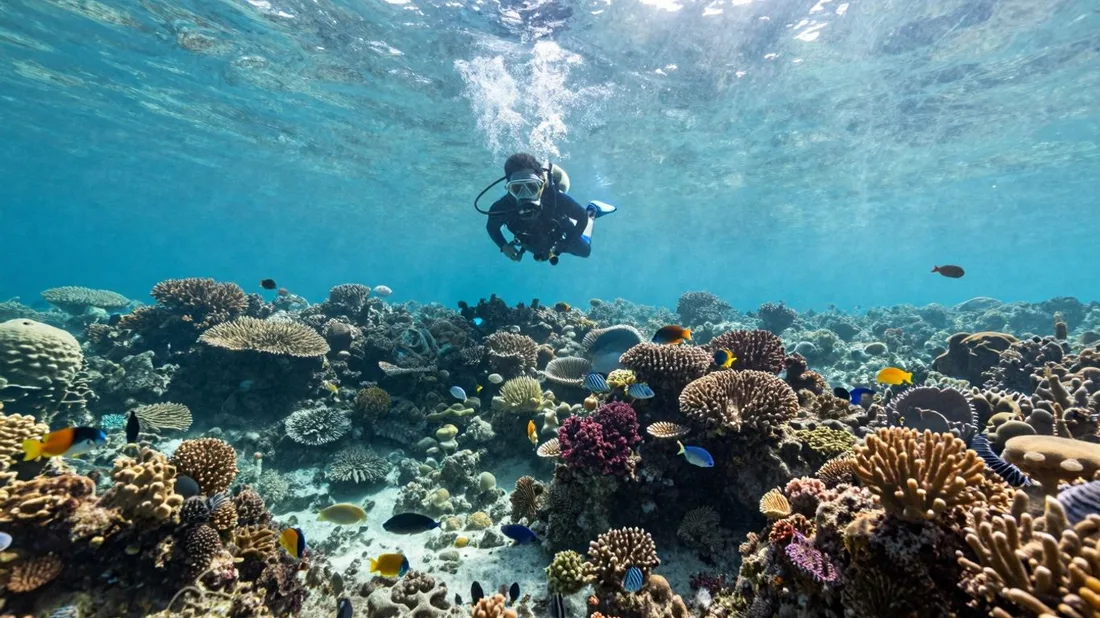
This spot is pretty cool because it's a drift dive, meaning you let the current do most of the work. You usually start just east of where the boat anchors, making it super easy to get to. The entry point is shallow, only about 10 feet, but it quickly gets deeper. The main draw here is the chance to see spotted eagle rays, and sometimes a whole group of them!
It's a lagoon dive that happens in a channel. You'll find moorings right between the navigation buoys. The depth can range from about 10 to 65 feet (3 to 20 meters). Visibility is usually around 40 feet (12 meters), though sometimes it can be a bit murky with sediment, especially if there's been a lot of activity.
Here's what you might encounter:
Spotted Eagle Rays: Keep an eye out for these graceful creatures. They often cruise through the channel.
Tahitian Stingrays: You might spot these as well, sometimes digging around for food.
Various Reef Fish: Expect to see schools of fish like Yellow-fin Snappers, and maybe even some Raccoon Butterflyfish with their distinctive masks.
Black-tipped Reef Sharks: While not the main attraction, they are sometimes seen hanging around.
There can be a moderate current running through the channel, which is what makes it a drift dive. You can swim against it for a bit, then turn around and let it carry you back towards the boat. It's a fun way to cover a lot of ground without expending too much energy. Some people also snorkel here, especially when the water is calmer.
5. The Rose Garden
It's an outer-reef wall type of place, meaning you've got a nice drop-off to explore. You'll get there by boat, usually with moorings already set up, which is handy.
What's neat about this location is that even though the local operators sometimes feed sharks, you don't get mobbed here if you're not carrying food. The sharks just kind of cruise by, which is way more relaxed. I saw a grey shark on one trip that was a good distance away, maybe 30-40 feet. The flash on my camera didn't reach that far, so the picture wasn't great, but it was still a bigger shark than the usual blacktips you see.
One thing that might surprise you are the sharksuckers, or remoras. These guys like to hang out and will try to hitch a ride on you. If you're in a full wetsuit, you might not even notice them, but if you have bare legs, you might feel a little brush and suction. It's a bit weird, honestly.
Here's a quick rundown of what to expect:
Type: Outer-reef wall
Access: Boat or dinghy
Depth: Around 45 to 70 feet (13-21 meters)
Visibility: Usually pretty good, about 80 feet (25 meters)
What to see: Sharks and those interesting sharksuckers
6. The Aquarium
This spot is pretty much what the name suggests – a vibrant underwater scene teeming with life. You'll find yourself surrounded by schools of fish, and the coral formations here are really something else. It's a fantastic place for photographers and anyone who just loves seeing a lot of different marine creatures all in one go.
When you're exploring The Aquarium, keep an eye out for:
Blacktip Reef Sharks: They're common here and usually just cruise by, minding their own business.
Blue-lined Snappers: These guys tend to hang around in big groups and might even swim along with you for a bit.
Moray Eels: There's a resident moray that likes to peek out from its reef home.
Napoleon Wrasse: Sometimes, a friendly hump-head wrasse, affectionately nicknamed Jojo, makes an appearance.
This site is accessible via moorings, making it straightforward to get to and from your boat. It's a great stop for a relaxed exploration of the reef's inhabitants.
7. Opunohu Canyon
Right near Opunohu Pass, this spot feels like you're dropping into a whole different world. It's a series of underwater valleys, and you can sort of glide over the ridges and down into them. It's pretty neat.
You'll likely see plenty of black-tipped reef sharks here, usually cruising around in small groups. Sometimes you might spot a bigger grey shark too, or even one you can't quite place. It definitely gets your heart going a little!
Here's what you might encounter:
Black-tipped reef sharks (4-6 feet)
Grey sharks (larger)
Sharksuckers (remoras) trying to get friendly
Various reef fish
Keep in mind, the current can be a bit unpredictable, especially near the pass. It's a good idea to pay attention to the flow and use the moorings to get set up. Visibility is usually pretty decent, around 80 feet or so, so you should be able to see what's coming.
8. Vaiare
Vaiare is a pretty neat spot, especially because it's right near the ferry docks, making it super accessible. You don't have to go far to find some really interesting marine life here. It's a great place to see a good mix of what Moorea has to offer underwater.
When you're exploring Vaiare, you can expect to encounter a variety of sea creatures. It's common to see stingrays gliding along the bottom, and if you're lucky, you might spot some black tip sharks cruising by. Turtles are also frequent visitors, and large schools of barracuda can sometimes be seen. Plus, it's not uncommon to find lemon sharks hanging around too.
Here's a quick rundown of what you might see:
Stingrays
Black tip sharks
Sea turtles
Schools of barracuda
Lemon sharks
It's a site that really gives you a good feel for the local underwater community without requiring a long boat trip. Many local operators, like Ia Ora Diving Center , know this area well and can guide you to the best spots.
9. The Tiki
Alright, so let's talk about The Tiki. This spot is way up on the northwestern edge of Moorea. What's cool about it is that the currents here can really pick up, which makes for an interesting experience. It's known for being a hangout for a whole bunch of sharks. Don't worry though, they're usually pretty chill and seem to welcome folks just observing them. It's not uncommon to see a group of them cruising around.
When you're there, you can expect:
A good chance to see reef sharks, often in groups.
Vibrant coral formations that make the area visually appealing.
The possibility of encountering other marine life that shares the space with the sharks.
It's one of those places where you feel like you're really in their world. The water clarity is usually pretty good, so you get a nice, clear view of everything happening.
Just remember to go with a guide who knows the area well, especially with those currents. They can help you get the most out of the experience and keep things safe.
10. Marado Wall
Marado Wall is a pretty neat spot for a drift dive, especially if you're looking to see some sharks. It's located along the edge of a boat channel, which means you can pick your depth and then let the current carry you. The real draw here is the chance to see blacktip reef sharks cruising around. They're usually not too bothered by divers, so you can get some good looks.
When you're there, keep an eye out for sharksuckers, too. These guys are like remoras and sometimes try to attach themselves to your gear or legs – it's a bit of a funny experience, though maybe not if you're wearing shorts!
Here's a quick rundown of what to expect:
Marine Life: Primarily blacktip reef sharks and sharksuckers. You might also spot other reef fish.
Conditions: Expect some current, as it's along a channel. Visibility can vary.
Depth: The site starts shallow and gets deeper, allowing for flexible exploration.
Wrapping Up Your Underwater Adventure
So, there you have it – a peek into the amazing underwater world waiting for you in Tahiti and Moorea. Whether you're a seasoned pro or just starting out, these islands offer something special. From the gentle giants like whales and rays to the colorful fish darting through the reefs, it's a place that really stays with you. Remember to respect the ocean and its inhabitants, and you're sure to have an unforgettable time exploring these beautiful waters. Happy exploring!
When is the best time to go diving in Moorea?
You can dive in Moorea all year round! The water stays warm, usually between 79°F and 84°F (27°C - 29°C).
What kind of marine life can I expect to see?
Moorea is packed with amazing sea creatures! You'll likely see stingrays, sea turtles, and lots of different sharks like lemon sharks and blacktip sharks. You might also spot schools of barracudas, eagle rays, and colorful reef fish.
Is Moorea good for beginner divers?
Yes, Moorea has many dive spots perfect for beginners. Sites like 'The Aquarium' have shallow, sandy bottoms and gentle currents, making it easy to learn and enjoy the underwater world.
What makes Moorea different from other dive spots?
Moorea offers a unique mix of stunning mountain views above the water and vibrant coral reefs below. It's also one of the few places where you can potentially swim with gentle humpback whales during their migration season.
How do I get to Moorea?
First, you'll fly into Tahiti's main airport (PPT). From there, you can catch a short flight or take a ferry to Moorea. The ferry ride is scenic and a great way to start your island adventure.
Are there dive centers available on Moorea?
Absolutely! Moorea has several dive centers that can take you to all the best spots. Many hotels can help you book dives, or you can look for dedicated dive shops on the island.
Confirm current details
Confirm the dive site, required certification and the day’s conditions with the dive center before each dive.
Use this guide for trip ideas, not a current quotation or a guarantee of access, safety, inclusions or availability. Confirm the requirements and conditions for your dates, destination and provider before booking.