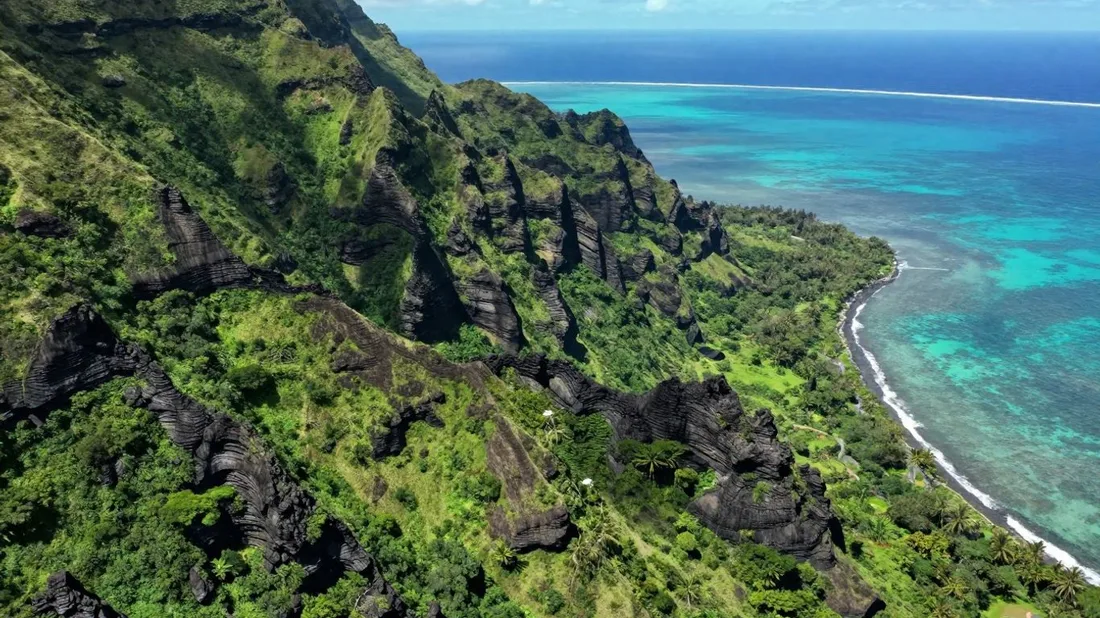
Maupiti is a small high island in the Society Islands, west of Bora Bora, encircled by a lagoon, reef and sandy motu. Its scale and accommodation style create a different experience from French Polynesia’s larger resort islands. Travelers come for lagoon time, mountain views, walking or cycling, and the chance to stay in a family-run Tahitian guesthouse rather than a large international hotel.
A successful visit depends on matching expectations to the island. Maupiti has limited services, a small village and transport that requires advance coordination. That simplicity is part of its appeal, but it also means confirming flights or boats, lodging, meals, transfers and activities before arrival. Allow the island’s current schedules and weather—not a rigid online itinerary—to shape the plan.
Why choose Maupiti?
Maupiti suits travelers who value a quieter base, modest lodging and days organized around the landscape. Tahiti Tourisme describes a mountainous island with a turquoise lagoon, motu and a community connected to fishing, agriculture, crafts and copra. It is often compared with Bora Bora because both islands combine a central peak and lagoon, yet their visitor experiences and range of services are notably different.
Choose Maupiti for what it is, not as a budget substitute for another island. There are no large luxury resorts, and travelers who need extensive dining choices, nightlife or full-service facilities may be happier elsewhere. Those comfortable planning ahead can build a rewarding stay around lagoon excursions, a carefully chosen hike, village time and unhurried hours near the water.
Explore the lagoon and motu
The lagoon is central to most visits. Guided outings may combine snorkeling, a motu stop and a meal or picnic, but routes and inclusions differ by provider. Ask what equipment is supplied, how much time is spent in the water, whether the trip suits children or uncertain swimmers, and how wind, current or the island’s single reef pass could affect the day.
Manta rays and other marine life are associated with Maupiti’s lagoon, but sightings must never be guaranteed. Choose an operator that gives clear instructions, maintains respectful distances and does not encourage touching or chasing wildlife. Independent kayaking, paddleboarding or swimming may also be possible in suitable areas; seek local advice about access, tide, coral and current before entering the water.
Mount Teurafaatiu and inland walks
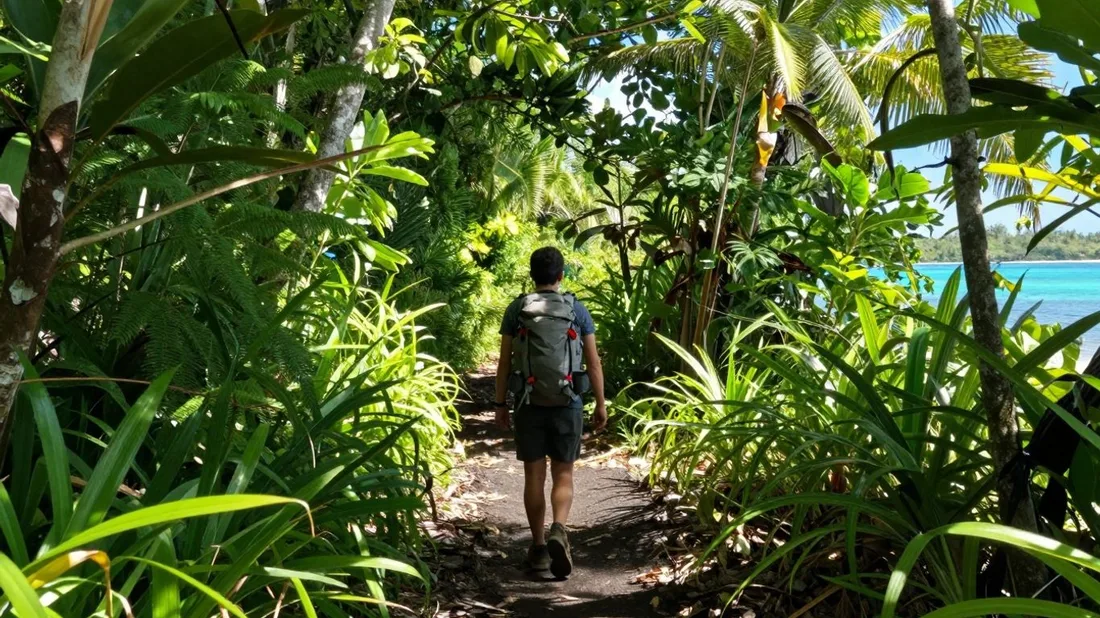
The climb toward Mount Teurafaatiu is known for broad views across the central island, lagoon, reef and motu. It should be treated as a real hike rather than a casual viewpoint stop. Conditions, route finding, heat and slippery ground can change the difficulty. Confirm current trail access, start early when appropriate, carry water and use a knowledgeable local guide if the route or conditions are unfamiliar.
Other walks can reveal cultivated land, vegetation and archaeological places such as marae. A local guide adds context about present-day livelihoods, island history and the meaning of cultural sites. Follow posted rules and local guidance, do not enter private land without permission, and avoid reducing the island’s living community to a nostalgic idea of an unchanged past.
Village life, food and local context
Vaiea, the principal village, is a useful place to understand the island’s practical rhythm. Small shops, community buildings and local activity are concentrated in and around the village, but opening hours and available goods can be limited. Bring essential personal items, carry an appropriate payment backup and ask the accommodation host what should be arranged before arrival.
Meals are often closely tied to the guesthouse experience, with local fish, fruit and Polynesian or French-influenced dishes depending on the host and season. Do not assume every rate includes breakfast and dinner, or that dietary needs can be met without notice. Confirm the meal plan, drinks, allergies and special requirements when booking, and ask before photographing people, homes, worship or community events.
Beaches and slower island time
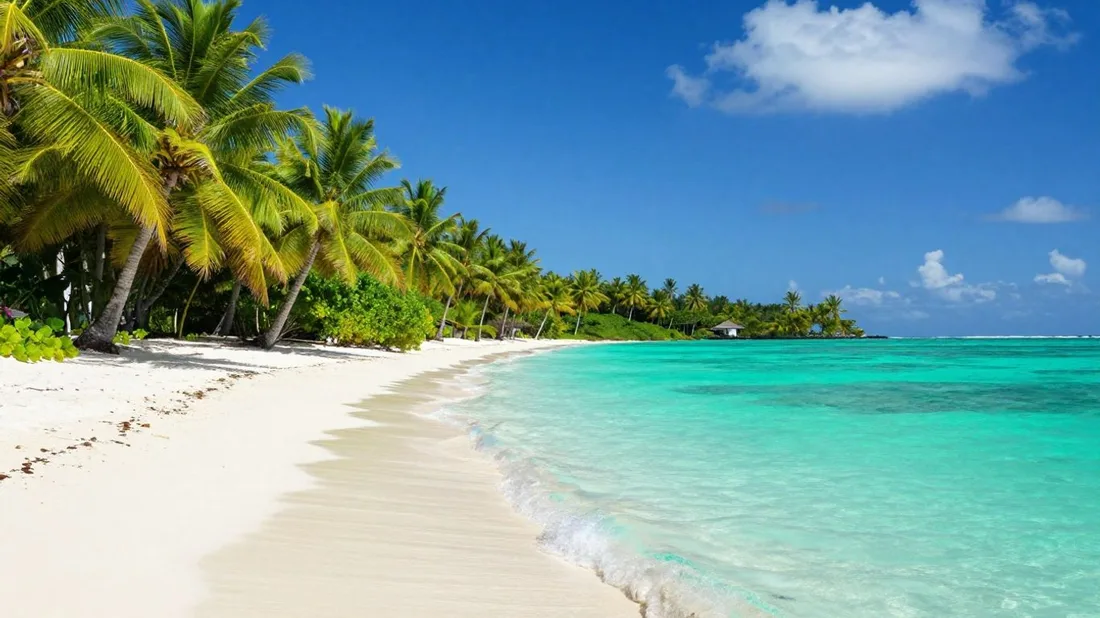
Maupiti’s appeal is not limited to scheduled excursions. White-sand motu, shallow lagoon areas and views of the island’s green interior create space for quieter days. Access may depend on the accommodation, a boat transfer or current conditions. Ask a host or guide where swimming is appropriate and whether footwear is advisable; clear water can still contain coral, rock or moving current.
A bicycle or walk around accessible parts of the island can be as memorable as a formal tour. Travel slowly, give residents room on narrow roads and remember that everyday homes and working land are not attractions. Building open time into the stay also provides flexibility when weather changes a lagoon trip or hiking plan.
Getting to and around Maupiti
Air Tahiti operates domestic service to Maupiti, and Tahiti Tourisme currently lists connections from Tahiti, Raiatea and Bora Bora. The airport is on Motu Tuanai, so arrival includes a lagoon transfer to the main island. Flight frequency, baggage limits and connections can change; verify the operating schedule for the exact dates and coordinate the airport boat with the accommodation.
Tahiti Tourisme also lists sea service from Bora Bora, but boat schedules are more vulnerable to timetable and weather changes. Do not build an itinerary around an old ferry timetable or assume direct service from every neighboring island. Confirm the operator, departure point, baggage rules and same-day connections before purchase. On the main island, walking and bicycles are common; lodging hosts can explain current rental and transfer options.
Where to stay in Maupiti
Accommodation is centered on Tahitian guesthouses, pensions and small locally run properties rather than large resorts. Some are on the main island and others may be on a motu. Location affects airport transfers, village access, beach conditions and the ease of joining excursions, so compare more than the room photograph or nightly price.
Ask about private or shared bathrooms, fans or air-conditioning, hot water, Wi-Fi expectations, meal arrangements, accepted payment methods, minimum stays and cancellation terms. Travelers with mobility needs should discuss steps, docks, sand and boat boarding directly with the property. Early booking is sensible because inventory is limited, but availability and policies must be confirmed with the actual provider.
When to visit and how long to stay
Maupiti is warm through the year. Tahiti Tourisme distinguishes a generally cooler, drier period from May through October and a warmer, more humid period from November through April. These are broad seasonal patterns, not guarantees. Rain, wind and sea conditions can affect hiking, snorkeling and boat operations in any month, so keep alternatives and check local advice.
The right stay length depends on available transport and the experiences that matter most. Include enough time for arrival logistics, at least one lagoon or land activity and unscheduled time, with some resilience for weather. A short visit may work when flights align; a longer one better supports a slower guesthouse stay. Avoid selecting a fixed number of nights without first checking the complete island sequence.
Combining Maupiti with other islands
Bora Bora is the most obvious comparison and potential pairing, offering a larger resort and activity base before or after Maupiti’s smaller-scale experience. Raiatea or Taha’a can add sailing, cultural and agricultural interests, while Tahiti commonly serves as the international gateway. The best combination is the one supported by current flights or boats with enough connection time—not simply the route that looks shortest on a map.
Because Maupiti has fewer recovery options when transport changes, avoid fragile same-day connections to an international departure. Confirm each segment together, leave an appropriate buffer near the end of the trip and make sure transfers agree with arrival times. A well-paced two- or three-island itinerary is usually more satisfying than collecting islands through repeated one-night stops.
Compare Maupiti with Bora Bora
Explore Raiatea for a multi-island itinerary
Frequently asked questions
How do you get to Maupiti?
Air Tahiti operates domestic flights, and official tourism information currently lists service from Tahiti, Raiatea and Bora Bora. Sea service may operate from Bora Bora. Confirm exact dates, baggage rules and the lagoon transfer from the airport before booking.
Are there large resorts on Maupiti?
Maupiti is known for Tahitian guesthouses, pensions and small properties rather than large international resorts. Compare location, meals, room facilities, transfers and payment terms directly with the accommodation.
Can you see manta rays in Maupiti?
Manta rays may be seen on guided lagoon outings, but wildlife sightings cannot be guaranteed. Use a responsible operator, follow its instructions and keep a respectful distance without touching or chasing marine life.
Do you need a car on Maupiti?
The main island is small, and walking or cycling are common ways to get around. Boat transfers are part of some airport, motu and lagoon plans. Ask the accommodation host about current bicycle rental and transfer arrangements.
Is the Mount Teurafaatiu hike suitable for everyone?
No. The route can involve heat, steep or slippery ground and changing conditions. Confirm current access and difficulty, use suitable footwear, carry water and consider a local guide, especially if the route is unfamiliar.
How many nights should you spend on Maupiti?
There is no universal answer. Choose a stay that fits current transport, the lagoon and land experiences you want, and some flexibility for weather rather than relying on a fixed minimum.