Thinking about a trip to Bora Bora? The lagoon there is just incredible, truly a sight to behold. It’s this amazing blue water surrounded by little islands and coral. People go there for all sorts of reasons, whether it's to just chill on the beach or to get up close with the sea life. If you're planning a visit, knowing a bit about what to expect and how to make the most of it can really help. This guide is all about helping you figure out the best ways to enjoy the Bora Bora lagoon.
Key Takeaways
The Bora Bora lagoon, a stunning natural wonder, is shaped by volcanic origins and protected by a coral reef, creating a vibrant home for diverse marine life like sharks, rays, and tropical fish.
Experiencing the lagoon involves a range of activities, from full-day boat excursions and snorkeling adventures to private charters and thrilling water sports like jet-skiing.
The dry season, from May to October, offers the best weather with sunny skies and clear water for optimal lagoon exploration, though the wet season provides a less crowded, yet still beautiful, experience.
Visitors should pack reef-safe sunscreen, swimwear, and light clothing, and always follow safety guidelines when interacting with marine life and respecting the delicate coral ecosystem.
Protecting the Bora Bora lagoon is a shared responsibility; choosing sustainable tour operators, minimizing waste, and respecting wildlife are vital for preserving its beauty for the future.
Geography and Formation of the Lagoon
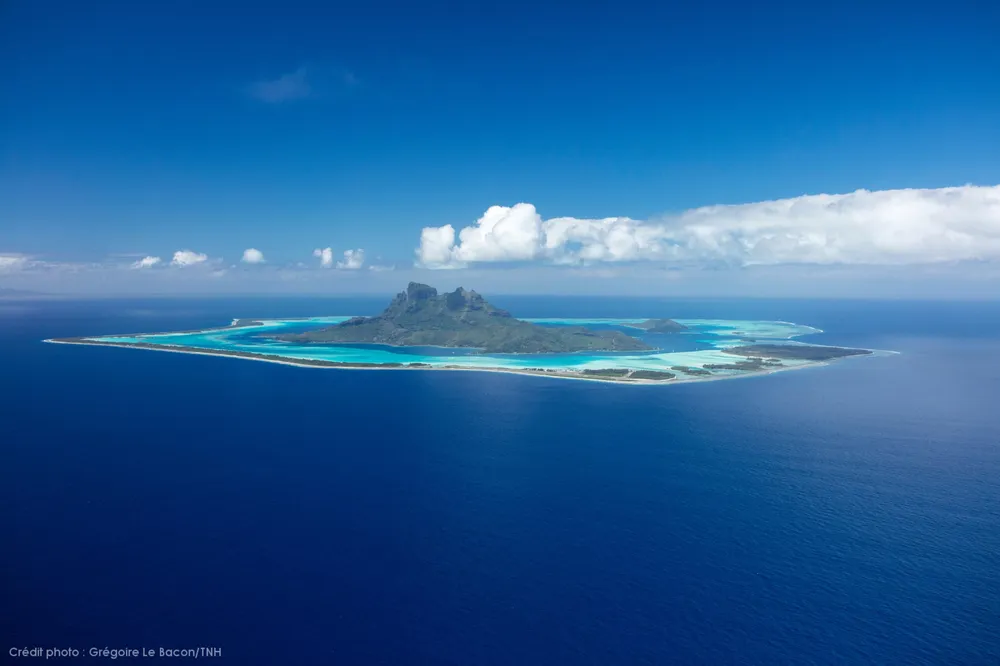
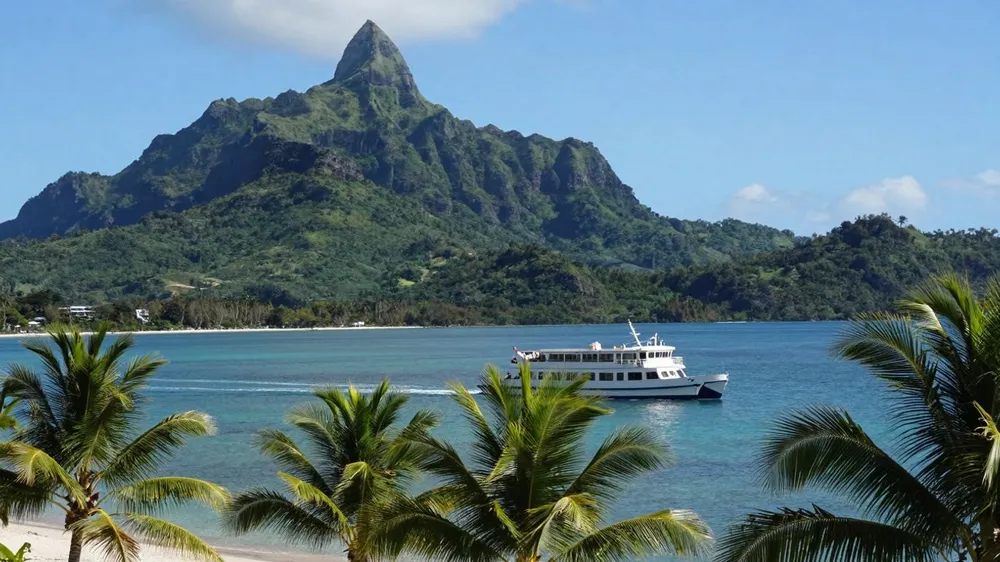
Bora Bora's lagoon is a real natural wonder, and it all started with a volcano, believe it or not. Millions of years ago, a big volcanic eruption created Mount Otemanu and Mount Pahia, which are those dramatic peaks you see. Over a super long time, the volcano wore down and the middle part kind of collapsed. What was left was a protective ring of coral reef around the island. This reef is pretty important because it keeps the lagoon calm and protected from the big ocean waves. It’s like a natural shield. Scattered along this outer reef are these small, sandy islands called motus. They’re super picturesque with palm trees and are home to some fancy resorts and quiet spots. So, you've got this mix of volcanic history and the calm, clear water, all thanks to geology and coral.
Marine Life and Biodiversity
Beneath the surface of Bora Bora's famous blue water is a whole other world. The lagoon is teeming with life, and it’s pretty amazing to see. You can find all sorts of colorful fish darting around the coral. Keep an eye out for graceful manta rays, which are often seen gliding through the water, and various types of sharks, like blacktip reef sharks, which are usually harmless. Eagle rays are another common sight, with their distinctive wing-like fins. The variety of marine creatures makes the lagoon a hotspot for anyone interested in underwater life. It’s a vibrant ecosystem that relies on the health of the coral.
The Coral Reef Ecosystem
The coral reef surrounding Bora Bora isn't just a pretty barrier; it's the foundation of the entire lagoon's ecosystem. These living structures provide shelter and food for countless marine species. Think of it as a bustling underwater city. The health of the coral directly impacts the health of everything living in the lagoon. Unfortunately, this delicate system is quite vulnerable. Things like rising water temperatures and pollution can damage the coral, which in turn affects the fish and other animals that depend on it. Protecting the reef means protecting the whole lagoon.
Coral polyps are tiny animals that build the reef structure.
Algae live within the coral, providing food and color.
Fish and invertebrates rely on the reef for shelter, food, and breeding grounds.
Experiencing the Bora Bora Lagoon: Tours and Activities
The Bora Bora lagoon is really the main event, isn't it? It's this incredible expanse of turquoise water that just begs you to get out on it. Luckily, there are tons of ways to do just that, whether you're looking for a chill day or a bit more excitement.
Full-Day Lagoon Excursions
These are probably the most popular way to see the lagoon, and for good reason. You'll typically spend the whole day out on a boat, hitting up all the best spots. Most tours include a few stops for snorkeling, where you can get up close with the local marine life.
Swim with sharks and rays: This is a big one. Guides know exactly where to take you to safely interact with these amazing creatures. Don't worry, they're usually pretty chill.
Snorkeling stops: You'll get to explore vibrant coral gardens teeming with colorful fish.
Motu picnic: Many excursions include a stop at a small island, or motu, for a delicious lunch with your feet practically in the water. It's pretty idyllic.
Snorkeling and Diving Adventures
If you're really keen on seeing what's beneath the surface, dedicating time to snorkeling or diving is a must. The water clarity here is usually fantastic, making it easy to spot everything.
Coral Gardens: These underwater areas are bursting with life. You'll see all sorts of fish darting around.
Diving: For those certified, Bora Bora offers some great spots. It's a chance to see bigger marine life and explore deeper parts of the reef.
Private Boat Charters
Want the lagoon all to yourself? A private charter is the way to go. You can customize your itinerary, go at your own pace, and really make it a personal experience. It's definitely pricier than a group tour, but if you're celebrating something special or just want that extra bit of luxury, it's totally worth considering. You can often arrange for food and drinks to be on board, too.
Water Sports on the Lagoon
Beyond boat tours, there are other ways to get active on the water. Many resorts offer complimentary non-motorized water sports, which is a nice perk.
Kayaking and Paddleboarding: Great for exploring closer to your resort or just getting some gentle exercise.
Jet Skiing: If you're looking for a bit more speed and adrenaline, jet skiing across the lagoon is a blast. Just be mindful of designated areas and other boaters.
Parasailing: For a bird's-eye view of the entire lagoon, parasailing is an unforgettable experience. You get a whole new perspective on just how big and beautiful it all is.
Best Times to Explore the Bora Bora Lagoon
Deciding when to visit Bora Bora's stunning lagoon really depends on what you're hoping for from your trip. Both parts of the year have their own charm, but one might suit you better than the other.
The Dry Season Advantage
From May through October, you're looking at what most people consider the prime time to be here. The weather tends to be much drier, with less rain and plenty of sunshine. This means calmer waters and better visibility, which is fantastic if you're planning on snorkeling or just want to see the underwater world clearly. The temperatures are usually quite pleasant, not too hot, making it comfortable for spending long days out on the water. This period generally offers the most predictable and sunny weather for lagoon activities.
The Wet Season Experience
Then there's the wet season, running from November to April. Don't let the name fool you completely; it doesn't rain all day, every day. You might get some showers, and the humidity is higher. However, this time of year often means fewer crowds. With fewer people around, you might find things a bit more relaxed, and sometimes, you can snag better deals on accommodations. The island is also incredibly lush and green during these months, which is quite a sight. The marine life is still abundant, and the lagoon remains beautiful, even if the water isn't always crystal clear due to occasional winds.
Here's a quick look at what to expect:
Dry Season (May - October): Sunny, less rain, calmer waters, great visibility for underwater viewing, pleasant temperatures.
Wet Season (November - April): Higher humidity, occasional rain showers, fewer tourists, lush green landscapes, still plenty of marine life.
Essential Tips for Your Bora Bora Lagoon Visit
So, you're planning a trip to Bora Bora and dreaming of that incredible lagoon? Awesome! It's truly a special place, but like any natural wonder, it's good to go in prepared. A little planning goes a long way to making your experience smooth and respectful.
Choosing the Right Tour Operator
Picking the right tour can really make or break your lagoon adventure. Think about what you want to see and do. If swimming with sharks and rays is high on your list, look for operators that specialize in snorkeling or diving excursions. They'll know the best spots and how to keep things safe and fun. For a more relaxed vibe, maybe a full-day boat trip that includes stops at different motus (small islands) or a private charter would be more your speed. Always check reviews and ask about their commitment to eco-friendly practices.
What to Pack for Lagoon Excursions
Packing smart means you'll be comfortable and ready for anything the day throws at you. Here’s a quick rundown:
Reef-safe sunscreen: This is a big one. Regular sunscreen can harm the coral, so grab one that's specifically made to be safe for marine life. Your skin will thank you, and so will the lagoon.
Swimwear and light clothing: You'll be in and out of the water, so quick-drying clothes are your best friend. Think breathable fabrics, a hat for sun protection, and sunglasses.
Waterproof bag: To keep your phone, camera, and other valuables dry while you're out on the boat or swimming.
Your own snorkel gear (optional): While most tours provide it, having your own ensures a good fit and hygiene if that's important to you.
Safety Guidelines for Marine Encounters
The lagoon is teeming with life, and seeing it up close is amazing. But remember, these are wild animals, and we're visitors in their home. It's important to be mindful.
Listen to your guide: They know the lagoon and its inhabitants best. Follow their instructions carefully, especially when interacting with sharks or rays.
Keep movements calm: Avoid sudden splashes or frantic movements in the water. This can startle the marine life.
Never touch or stand on coral: Coral is a living organism and incredibly fragile. Damaging it can have long-lasting effects on the entire ecosystem.
Protecting the Pristine Bora Bora Lagoon
It’s easy to get caught up in the sheer beauty of Bora Bora’s lagoon, but it’s important to remember that this paradise is also a delicate ecosystem. All the amazing marine life and vibrant coral reefs we love are quite vulnerable. Tourism is a huge part of the island’s economy, which is great, but it also means more boats, more people, and more potential impact on the water. We’ve all seen those pictures of crystal-clear water, but keeping it that way takes effort from everyone.
Impact of Tourism on the Ecosystem
Think about it: more boats mean more wake and potential for accidental damage to shallow reefs. Then there's the waste generated by resorts and visitors, which can pollute the water. Even something as simple as using the wrong kind of sunscreen can harm the coral. It’s a complex web, and when one part is stressed, the whole lagoon feels it. We need to be mindful of our footprint here.
Sustainable Practices for Visitors
So, what can we do? It’s not about stopping tourism, but about doing it smarter. When booking tours, look for operators who are committed to eco-friendly practices. Many offer snorkeling adventures that focus on education and conservation. Simple things make a big difference:
Choose reef-safe sunscreen: This is a big one. Regular sunscreens can contain chemicals that are toxic to coral.
Reduce plastic use: Bring a reusable water bottle and avoid single-use plastics whenever possible.
Respect marine life: Never touch or feed the animals, and always follow your guide’s instructions.
Don't touch the coral: It might look like a rock, but it’s a living organism that takes ages to grow and is easily damaged.
Conservation Efforts for Marine Life
Thankfully, there are many people and organizations working hard to protect this special place. Local communities, resorts, and marine biologists are collaborating on projects to restore coral reefs and protect endangered species. By supporting these efforts through our choices as tourists, we contribute to the long-term health of the lagoon. It’s about ensuring that the vibrant underwater world remains just as spectacular for generations to come.
Wrapping Up Your Bora Bora Adventure
So, there you have it. Bora Bora's lagoon is truly something special, a place that sticks with you long after you've left. Whether you spent your days swimming with rays, just chilling on a motu, or exploring the coral, hopefully, this guide helped you figure out the best ways to soak it all in. Remember to be kind to this beautiful spot – a little respect goes a long way in keeping it amazing for everyone. Now go make some unforgettable memories!
What exactly is the Bora Bora Lagoon?
The Bora Bora Lagoon is that beautiful, calm, blue water that surrounds the main island, kind of like a protective shield. It's famous for being super clear and full of amazing sea creatures and colorful coral. It's also dotted with small, sandy islands called motus.
When's the best time to visit the lagoon?
Most people love visiting during the dry season, from May to October. The weather is usually sunny and great for swimming, and you can see really far underwater. But, the wet season (November to April) can also be nice, with fewer crowds, even if you might get a little rain.
What cool things can I do in the lagoon?
Oh, tons! You can go snorkeling or diving to see fish and coral up close. Taking a boat tour is a must – you can often swim with sharks and rays! Other fun stuff includes paddleboarding, jet-skiing, or just chilling on a boat.
What kind of sea animals might I see?
Get ready to see some awesome wildlife! You'll likely spot different kinds of sharks (like blacktip reef sharks and lemon sharks), graceful rays (manta rays, eagle rays, and stingrays), colorful tropical fish, and maybe even sea turtles. The coral reefs themselves are also amazing to look at.
What should I bring for a lagoon trip?
Definitely pack sunscreen that's safe for coral reefs, so you don't harm the ocean. Bring your swimsuit, light clothes, a hat, and sunglasses. If you have your own snorkeling gear, that's great too, but most tours provide it.
How can I help protect the lagoon?
It's important to be mindful! Choose tour operators who care about the environment. Don't touch or stand on the coral, and always follow your guide's instructions when you're near marine animals. Reducing plastic waste is also a big help.