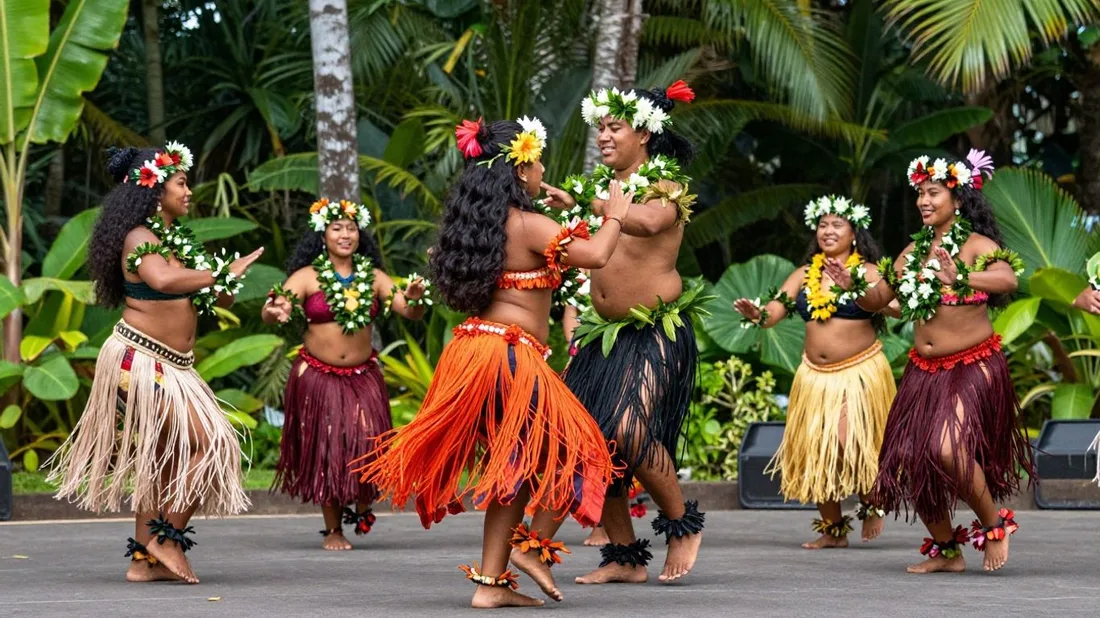
French Polynesia is not only a lagoon destination. Its islands hold living languages, dance, music, navigation, food, tattoo, carving and weaving traditions alongside marae, archaeological landscapes, museums and modern art. A culturally focused journey connects those elements without treating communities as exhibits or reducing distinct archipelagos to one generalized Polynesian story.
The strongest cultural itineraries use locally informed interpretation, stay long enough to understand context and balance scheduled visits with ordinary island life. A guide can explain why a site matters, but respect also requires listening, following restrictions, asking before photographing people and accepting that ceremonies or community events do not exist primarily for visitors.
Begin on Tahiti with museums, markets and contemporary life
Tahiti is the administrative and cultural hub of French Polynesia and a practical beginning for understanding the wider destination. Te Fare Iamanaha—the Museum of Tahiti and the Islands—in Puna’auia presents Polynesian heritage through ethnographic, artistic, photographic, archival and natural collections. Its approach emphasizes both a shared Oceanic heritage and the particular character of each archipelago.
Papeete adds markets, galleries, food, music and everyday urban life. Market time is more useful when approached as commerce rather than a staged attraction: buy directly from vendors, ask before photographing and distinguish locally made work from imports. Museum hours, exhibitions and guided visits change, so check the institution’s current information before fixing the day.
Raiatea and the Taputapuātea cultural landscape
Raiatea is essential for travellers interested in voyaging, genealogy, sacred geography and political relationships across Polynesia. Taputapuātea is a UNESCO World Heritage cultural landscape and seascape centered on a major marae complex. UNESCO describes marae as sacred ceremonial and social spaces and connects the property with navigation, alliance, ancestors and the relationship between land and sea.
Visit with time and, where possible, informed interpretation. Stone platforms are not simply picturesque ruins; the site holds continuing meaning. Stay on paths, do not climb or move stones, follow posted and guide instructions and avoid intrusive photography. Raiatea can also include Uturoa, other archaeological traces, the Faaroa area and contemporary cultural life without making every stop a heritage checklist.
Huahine for archaeology within a living island
Huahine’s Maeva area combines marae, fish traps, landscape and village life in a setting where cultural history is visible across more than one monument. A knowledgeable guide helps distinguish sites, oral accounts and later interpretation. Allow enough time for the relationship between lagoon, settlement and land to make sense rather than photographing one platform and leaving.
A Huahine stay can also include local food, farms, crafts and a family-run guesthouse. These experiences should not be labelled automatically authentic simply because they are small. Ask who leads an activity, what visitors will learn and how payment benefits the provider. Respect residential space and do not assume a host owes guests private family stories or unrestricted access.
The Marquesas for a distinct cultural landscape
Nuku Hiva and Hiva Oa offer monumental sites, paepae, tohua, tiki, carving, tattoo traditions, dance, mountain valleys and communities with a distinct Marquesan identity. Te Henua Enata—The Marquesas Islands—was inscribed on UNESCO’s World Heritage List in 2024 as a serial cultural and natural property. That recognition should support careful learning, not a claim that every visitor site is within the listed boundary.
Roads, distances and terrain make local guides important for many archaeological valleys. On Nuku Hiva, sites around Hatiheu and Taipivai require context; on Hiva Oa, Puamau and Taaoa hold major archaeological remains. Verify access and conditions. Do not touch carvings or use sacred structures as props, and recognize that French or Tahitian terminology may not replace local Marquesan names and meanings.
Hiva Oa beyond Gauguin and Brel
Atuona includes cultural spaces associated with artist Paul Gauguin and singer Jacques Brel, both buried on Hiva Oa. Their stories are part of the visitor landscape, but they should not eclipse Marquesan history, artists and present-day culture. Pair those museums or memorials with locally guided archaeological sites and work by living Marquesan creators.
Crafts in wood, bone, fiber and other materials carry artistic, family and symbolic meaning, while materials may also be subject to wildlife or customs restrictions. Buy from reputable makers, ask about the artist and material and obtain documentation where relevant. Do not repeat a motif or tattoo design without understanding whether it is personal, genealogical or culturally restricted.
Dance, music and festivals
Dance, drumming, song and traditional sports are living forms practiced in communities as well as presented to visitors. A hotel performance can be enjoyable, while a festival or school event offers a different context; neither should be judged by a simplistic authentic-versus-tourist label. Learn who is performing, follow audience guidance and compensate artists through legitimate tickets or bookings.
Festival dates, venues and programs vary each year. Check official organizers before booking flights, then allow margin around the event. Popular periods can affect rooms and transport. Community celebrations may change with weather or local priorities. A cultural itinerary remains worthwhile when the event is one layer rather than the sole reason every island was selected.
Tattoo, carving and weaving require context
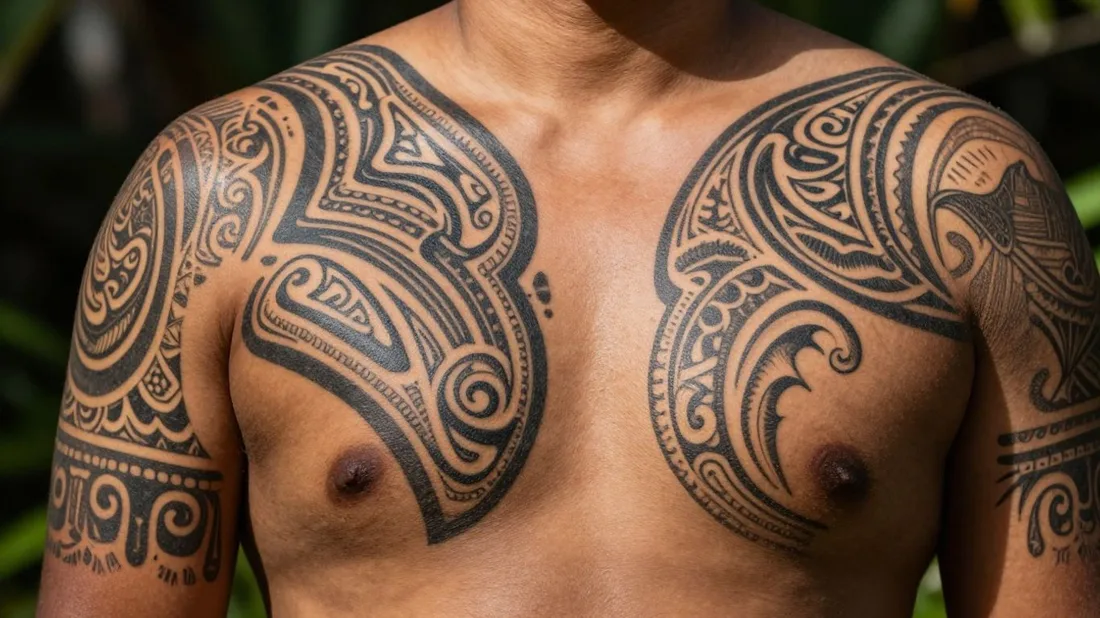
The Tahitian word tatau is part of the history of the English word tattoo, but contemporary French Polynesian tattooing is not a souvenir pattern service detached from identity. Travellers considering a tattoo should research the artist, discuss meaning and placement, understand hygiene and aftercare and avoid demanding copied designs. A responsible artist may decline or adapt a request.
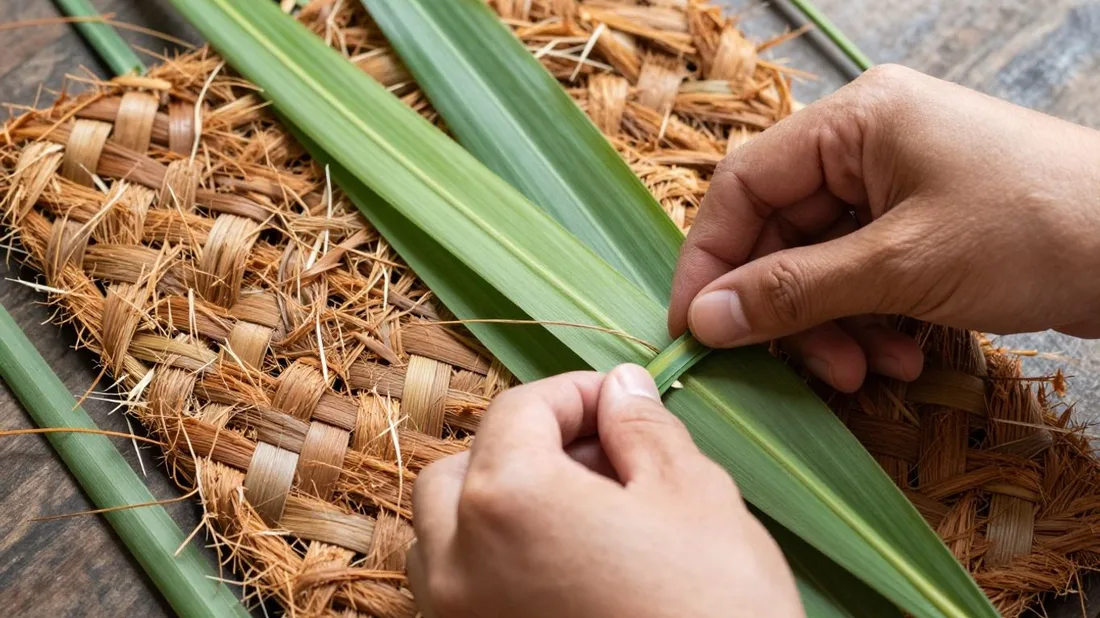
Carving, weaving, tapa-related arts, shell work and jewelry vary by island and archipelago. Visit studios or organized demonstrations where artisans choose to share their work. Ask permission before photographing the maker or process. Compare provenance and materials, especially for items that may be restricted at the traveller’s next border. Purchasing directly can support skills without turning the encounter into a bargaining exercise.
Food and markets as cultural learning
Food reflects land, lagoon, migration and contemporary French Polynesian life. Markets, roulottes, guesthouse meals and locally led tastings can introduce fish, fruit, root crops and different preparation traditions. Avoid describing one menu as the definitive traditional meal for all five archipelagos. Ask what is seasonal and how a dish fits the household or island where it is served.
Share allergies and dietary needs before a home-style or remote meal. Small kitchens may have limited substitutions and cross-contact controls. Respect serving arrangements, alcohol rules and prayer or family customs. A good food experience is reciprocal: travellers arrive curious and courteous, pay fairly and do not demand a performance or private access in exchange for purchasing a meal.
Choose guides for knowledge and community fit
A guide is especially valuable at archaeological landscapes, on difficult roads and where oral histories provide essential context. Ask about the guide’s connection to the island, language, topic knowledge, group size, transport and accessibility. Different families or researchers may hold differing interpretations; good guiding can acknowledge that complexity rather than presenting every story as a settled universal fact.
Confirm whether a tour is operated locally or resold, what is included and whether sites require separate permission or fees. Private guiding can support deeper conversation but does not grant access to closed, sacred or residential places. Follow the guide’s instructions and recognize that rain, ceremonies, maintenance or community decisions can change access.
Stay in a way that supports the itinerary
Guesthouses and pensions can provide local advice, meals and a smaller-scale setting, but personal cultural exchange is never guaranteed. A practical hotel in Papeete, Uturoa or Atuona may be better for early departures and guided touring. Choose accommodation for location, comfort and host offering rather than assuming one category is culturally superior.
A blended itinerary can combine Tahiti or a Marquesas cultural segment with lagoon time on Moorea, Taha’a or Bora Bora. Rest and scenery do not dilute cultural intention. The important decisions are enough nights, sensible transfers and avoiding a route that extracts quick heritage visits while leaving little time or spending in the communities visited.
Plan timing without freezing culture into a calendar
Museums, sites, markets and artisans make cultural travel possible throughout the year. The cooler May-to-October season may be more comfortable for some outdoor touring, while hotter months can still work with flexible pacing. Weather, holidays and community events affect access. Check current hours and program dates instead of relying on annual repetition.
Remote archipelagos require more planning because flights, rooms, guides and vehicles are limited. Build buffer time and stay longer rather than compressing several islands. A seven-night route can focus well on Tahiti and one Society Island; the Marquesas or multiple archipelagos generally deserve more time, but no fixed trip length fits every traveller.
Practise respectful cultural travel
Learn basic greetings and place-name pronunciation, dress appropriately at churches and sacred sites, ask before entering land or photographing people and obey signs even when a platform appears empty. Do not collect stones, shells, plants or archaeological material. Keep drones away unless permissions and site rules clearly allow them, and never assume a public-looking trail crosses public land.
Avoid claims that a visitor has discovered untouched or unchanged culture. French Polynesian communities are contemporary, connected and entitled to decide what they share. Cultural travel is strongest when it supports local guides, institutions and makers, treats knowledge with care and leaves travellers with better questions rather than a claim to have mastered the islands.
Explore Raiatea and Taputapuātea
Plan archaeological and village time on Huahine
Discover Nuku Hiva’s cultural landscape
Frequently asked questions
Which French Polynesian islands are best for cultural travel?
Tahiti provides museums and contemporary cultural life, Raiatea centers Taputapuātea, Huahine offers archaeology within a living island, and the Marquesas provide a distinct cultural landscape. Choose depth and good guiding rather than a universal ranking.
What is a marae in French Polynesia?
A marae is a sacred ceremonial and social space with forms and functions that vary across Polynesia. Visit with local or authoritative interpretation, follow site rules and never climb, move stones or treat it as a photo prop.
Is Taputapuātea a UNESCO World Heritage Site?
Yes. UNESCO lists Taputapuātea on Raiatea as a cultural landscape and seascape centered on a major marae complex with political, ceremonial, religious and voyaging significance.
Are the Marquesas Islands a UNESCO World Heritage Site?
Te Henua Enata—The Marquesas Islands was inscribed in 2024 as a serial cultural and natural property. Not every place on every island is necessarily inside a listed component, so use official boundaries and local guidance.
Can families include cultural experiences?
Yes. Museums, markets, appropriate archaeological visits, crafts and performances can work well when duration, access and explanation match the children’s ages. Adults should model permission, site respect and attentive behavior.
How long should a cultural French Polynesia trip be?
There is no fixed duration. Tahiti plus one Society Island can work in a shorter trip, while the Marquesas or multiple archipelagos require more flight and on-island time. Fewer islands generally allow deeper visits.