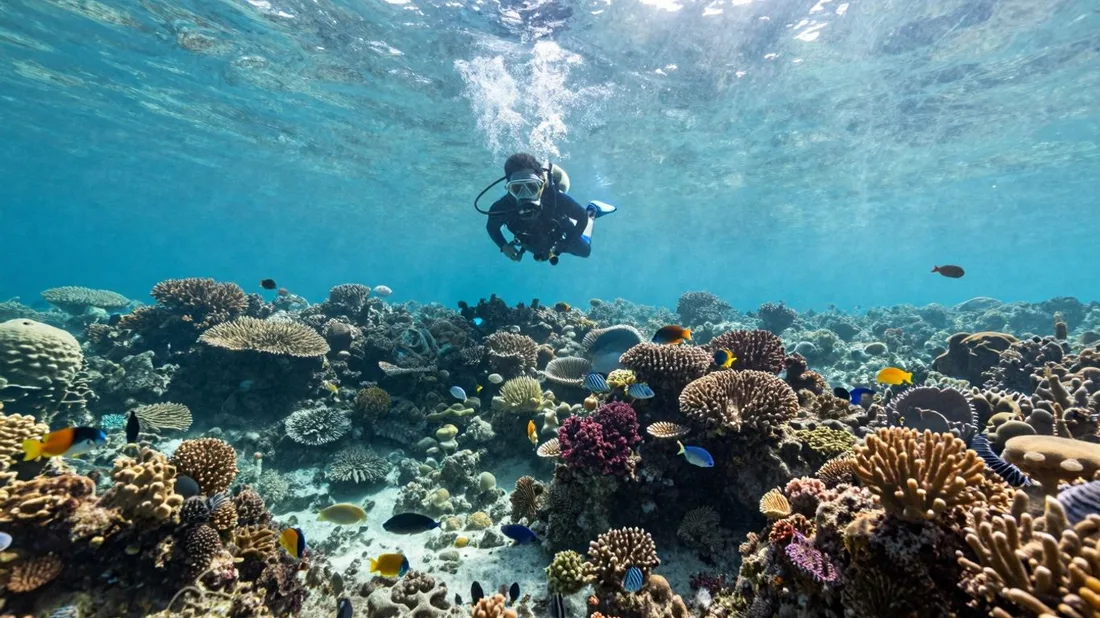
French Polynesia offers lagoon, reef, pass, wall and wreck diving across five archipelagos. The best trip is not simply a list of famous sites: it matches current, depth, remoteness and daily dive rhythm to each diver’s certification, recent experience, health and comfort. It also protects enough surface time for domestic flights and balances diving with transfers, rest and the interests of non-diving companions.
Rangiroa and Fakarava are particularly associated with current-driven pass diving in the Tuamotus, while Tikehau can add another atoll setting. Moorea, Bora Bora, Tahiti and Raiatea provide different reef, lagoon, wreck and mixed-itinerary options. Conditions and marine life vary, so an island should be selected for the range of suitable diving it offers—not a guaranteed animal encounter.
Match the destination to the diver
Before choosing islands, record certification level, number and recency of dives, experience in current, maximum comfortable depth, equipment needs and any medical considerations. A basic qualification does not make every pass dive appropriate. Divers Alert Network recommends an honest assessment of fitness and experience for destination conditions, particularly after inactivity or when a site is remote or demanding.
Ask prospective dive centers how they assess guests, assign groups and change sites when conditions differ from expectations. A responsible operator may recommend a check dive, refresher or easier first day. That is useful risk management, not a lost dive. Advanced certification also does not replace recent skill, good buoyancy or comfort with entries, exits and moving water.
Rangiroa: pass diving and a large atoll
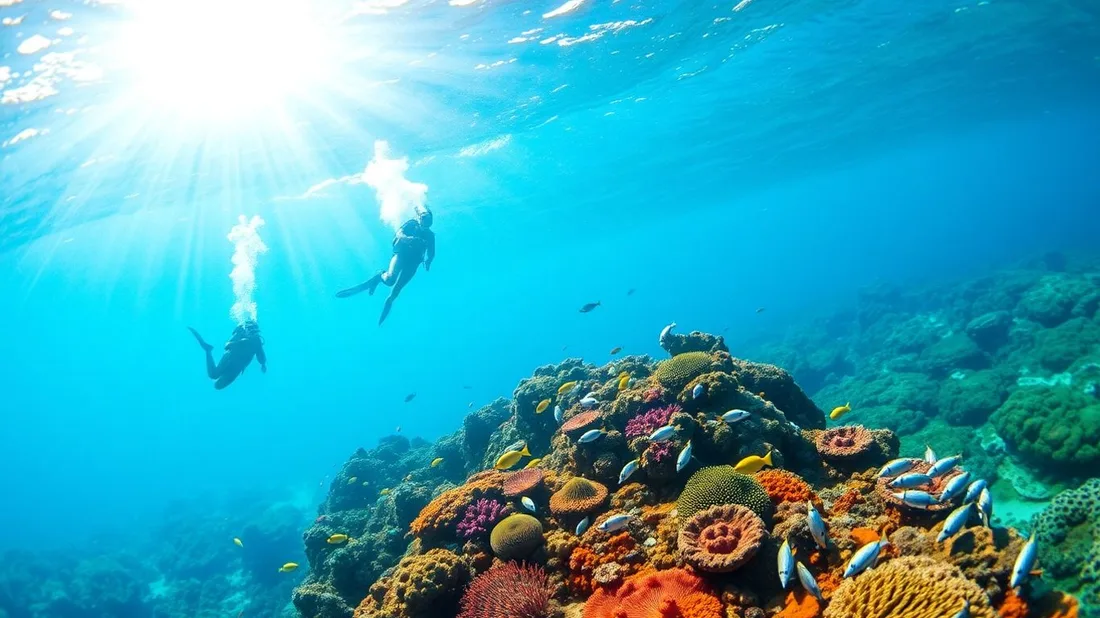
Rangiroa’s Tiputa and Avatoru passes are internationally known for current, schools of fish and the possibility of larger marine animals. Incoming and outgoing water can create very different dives. The appropriate site and timing depend on tide, current, sea state and the center’s assessment. Wildlife—including dolphins, sharks, rays or other pelagic species—must never be promised.
Rangiroa can suit experienced divers who want repeated pass dives, but centers also offer instruction and sites for different levels. Confirm whether dives begin from a boat, typical travel time, minimum experience, rental gear and the number of divers per guide. Leave room for land, lagoon or rest time rather than assuming every day should contain the maximum number of dives.
Fakarava: two passes and protected biodiversity
Fakarava is part of a UNESCO biosphere reserve and is known for Garuae Pass in the north and Tumakohua near the south. The two areas are far apart and should not be treated as interchangeable daily departures. Accommodation location, transfer time and dive-center access shape the itinerary. Current and depth can make particular dives suitable only for appropriately experienced participants.
Shark aggregations and other seasonal events draw interest, but dates, numbers and encounters cannot be guaranteed. Do not design the entire trip around a single promised spectacle. Choose operators with strong briefings and conservative decision-making, and preserve enough nights to account for travel and conditions. Non-divers should also evaluate snorkeling and excursion suitability rather than assuming a dive location automatically works for them.
Tikehau and a slower atoll combination
Tikehau offers pass and reef diving within a smaller-scale atoll stay. It can complement Rangiroa for travelers who want a different pace above water, but it is not automatically easier. Site conditions, current and wildlife still vary. Confirm the center’s actual range for beginners and experienced divers, along with transfers from the accommodation and the operating schedule on the planned dates.
A multi-atoll itinerary should consider how much repeated packing and flying the group will enjoy. Tikehau may work as a second dive base or a restorative lagoon stay, but only if transport supports the sequence. A fewer-island plan with more flexibility can deliver better diving than a compressed route built to collect names.
Society Islands diving for variety and mixed groups
Moorea, Bora Bora, Tahiti and Raiatea can combine diving with beaches, culture, hiking, resort time and family activities. Moorea is particularly practical for mixed groups because it is close to Tahiti and has substantial land and lagoon options. Bora Bora adds lagoon and outer-reef diving within a resort-oriented stay, while Tahiti can provide dives near the international gateway.
Raiatea offers lagoon, pass and wreck interests along with sailing and Taputapuātea. Each island has sites of different difficulty, and a marketing label such as calm lagoon or advanced ocean diving is too broad to make a safety decision. Ask the local center to match a specific site to the diver and that day’s conditions.
Choose dive centers and daily rhythm carefully
Compare professional credentials, emergency planning, oxygen and communications, boat setup, guide ratios, equipment maintenance and how the center handles weather or ability differences. Ask what documentation is required and whether a medical statement or physician review applies. Travelers should never hide health conditions or exaggerate experience to join a particular dive.
Build recovery into the schedule. Current, sun, heat, boat motion and repeated gear handling add fatigue even on recreational profiles. Alternate demanding and easier days when appropriate, hydrate, protect against sun and discuss any symptoms immediately. A tailored itinerary can place non-dive activities on rest afternoons without making every hour a formal excursion.
Flights, no-fly time and inter-island routing
Domestic flights are central to many French Polynesia dive trips, which makes post-dive surface intervals a core itinerary constraint. Divers Alert Network explains that flying too soon increases decompression-sickness risk and publishes different minimum guidance for a single no-decompression dive, repetitive or multiday diving, and dives requiring decompression stops. Longer intervals reduce risk further and no guideline eliminates it.
Follow current DAN guidance, the dive computer, training-agency rules and qualified operator advice; when they differ, use the more conservative plan. Do not schedule the final dive and flight as independent bookings. Include altitude exposure on land where relevant, leave a non-diving buffer before flying and seek medical advice rather than boarding if possible decompression symptoms appear.
Gear, baggage and accommodation logistics
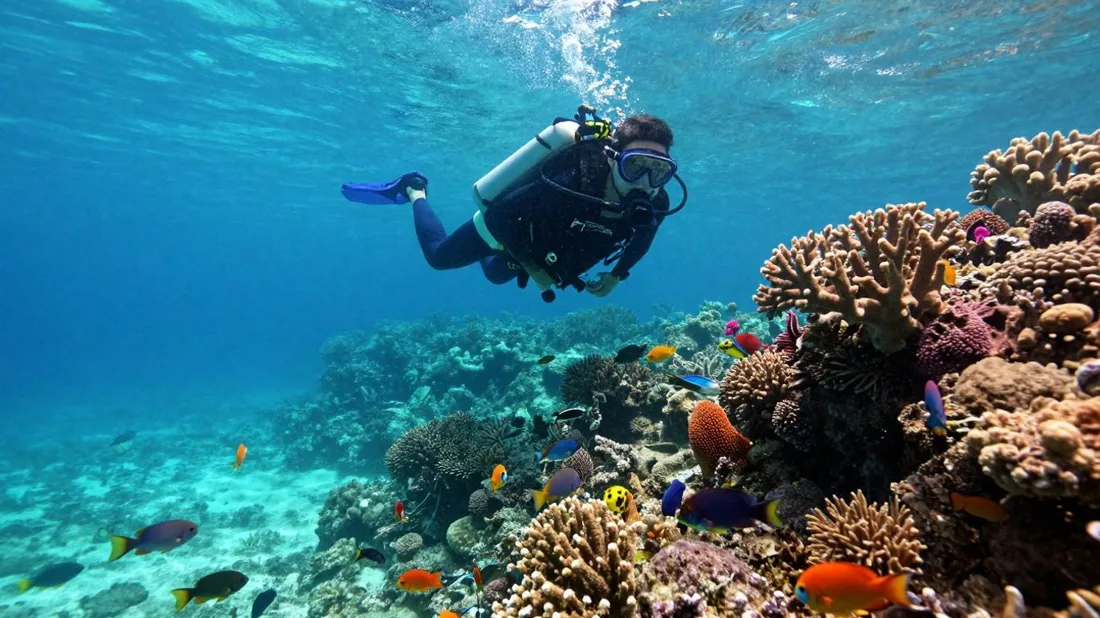
Confirm domestic-air baggage allowances, charges and restrictions before deciding what equipment to bring. Compare rental brands and sizes, availability of dive computers or specialty items, and whether personal regulators or masks can be serviced locally. Pack essential medication and irreplaceable small equipment in accordance with airline rules, and allow for delayed checked baggage.
A dive-friendly stay should support early pickups, equipment rinsing and drying, meals around boat schedules and practical transfers to the center. On-site diving can be convenient, but a nearby independent operator may offer a better fit. Guesthouses can work well when transport and meals are coordinated. Verify every inclusion rather than assuming tanks, nitrox, equipment or transfers are part of a package.
Planning for non-divers and families
Mixed groups do not need to spend every day together. Snorkeling, lagoon tours, beaches, cycling, culture, hiking and resort activities can give non-divers meaningful choices while divers are on the boat. Confirm whether a non-diver can safely join the same excursion or whether separate plans are better. Childcare and minimum ages are property- and operator-specific.
Select islands where everyone has enough to do independently, then protect shared meals or unstructured afternoons. Moorea and Bora Bora offer broad non-diving choices, while remote atolls may suit companions who actively want a quieter pace. A successful dive trip should not leave part of the group waiting without transport or access to services.
Build a realistic multi-island dive trip
A classic Tuamotu pairing can combine Rangiroa and Fakarava, while Rangiroa and Tikehau offer a different balance. Moorea or Tahiti can add accessible reef diving and varied land experiences. Exact night counts should follow flight days, operator schedules, desired number of dives and the required preflight interval rather than a fixed seven-, ten- or fourteen-night template.
Begin with the priority diving, then add only islands that contribute a distinct experience. Keep arrival day light, avoid critical connections after remote atoll stays and place an appropriate non-dive buffer before the international departure. Travel insurance and dive-accident or evacuation coverage should be evaluated for the actual itinerary, exclusions and remoteness rather than assumed from a credit card or general policy.
Explore Fakarava and its two passes
Consider a slower Tikehau stay
Frequently asked questions
Is French Polynesia suitable for beginner divers?
Yes, some centers and sites can suit beginners, but famous pass dives may involve strong current or other demands. Share certification and recent experience so the operator can select an appropriate site or refresher.
Which French Polynesia islands are best for diving?
Rangiroa and Fakarava are known for pass diving, Tikehau adds another atoll setting, and Moorea, Bora Bora, Tahiti and Raiatea provide varied reef, lagoon, wreck and mixed-trip options. The best choice depends on ability and goals.
How long should a French Polynesia dive trip be?
There is no universal length. Allow for arrival, transport days, the desired number of dives, weather flexibility, recovery and the required preflight surface interval rather than using a fixed package duration.
How long should you wait to fly after diving?
The answer depends on the dive profile and repetition. Follow current Divers Alert Network guidance, your dive computer, training-agency rules and qualified operator advice, using the most conservative applicable interval.
Can non-divers enjoy a French Polynesia dive itinerary?
Yes, if the islands are chosen deliberately. Lagoon trips, snorkeling, beaches, culture, hiking and resort time can support separate and shared days, but remote atolls offer fewer independent services.
Are shark, manta ray or dolphin encounters guaranteed?
No. Marine animals are wild and conditions vary. Choose responsible operators, maintain respectful distances and plan the trip around suitable diving rather than one promised species.