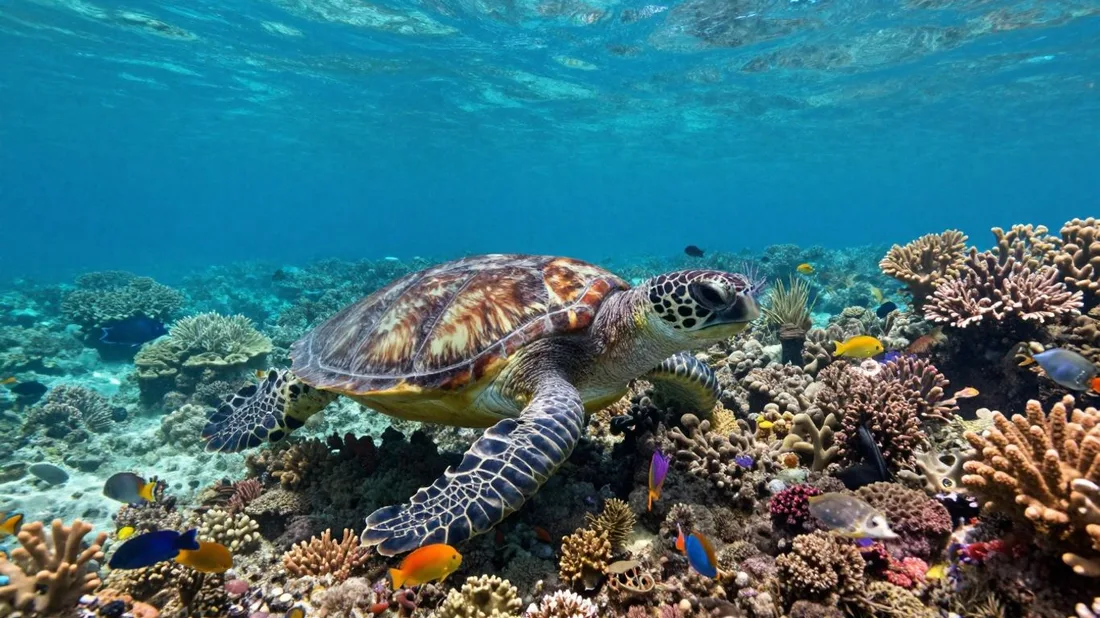
Rangiroa is a vast coral atoll in French Polynesia’s Tuamotu Islands, where the lagoon stretches toward the horizon and most days naturally revolve around the water. It is a strong choice for travelers who want serious diving, lagoon excursions and a low-key island setting without giving up every practical service. Unlike the mountainous Society Islands, Rangiroa is low and open, with narrow motu, passes connecting lagoon and ocean, and long views dominated by reef and sky.
The atoll works particularly well for divers, snorkelers and mixed groups whose members want different levels of water activity. It is not a shopping or nightlife destination, and a successful stay depends more on choosing the right location, operator and pace than on filling every hour. Weather, tides and currents can change the plan, so allow enough flexibility for the island to set the rhythm.
Why visit Rangiroa?
Rangiroa combines well-known pass diving with a wider range of experiences than many visitors expect. Tahiti Tourisme highlights Tiputa and Avatoru passes, the Blue Lagoon, Reef Island, pearl-farm visits and cycling. These are distinct experiences rather than interchangeable excursions: some require a full day by boat, some depend on current and swimming confidence, and others offer a useful land-based break between water days.
Its scale also creates several ways to experience the atoll. A traveler can build the trip around repeated dives, balance two or three major outings with unstructured lagoon time, or choose a quieter stay focused on swimming, paddling and motu scenery. The best itinerary starts with the experiences that matter most and leaves room for local advice, rather than promising every attraction in a short visit.
Diving and snorkeling at the passes
Tiputa Pass is the name most closely associated with Rangiroa diving. Moving water can bring dense marine activity into and around the pass, but it also makes timing and experience important. Avatoru Pass provides another major dive area with its own current and reef conditions. Tahiti Tourisme lists professional centers serving different ability levels, yet that does not mean every site or every tide is appropriate for every diver.
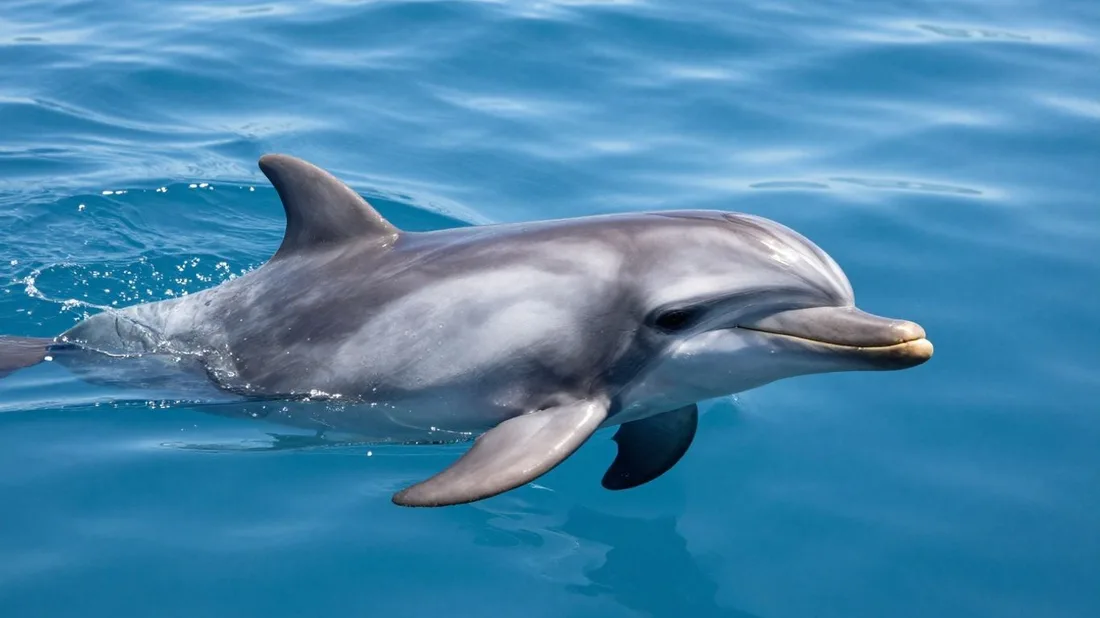
Before booking, tell the dive center your certification, logged dives, recent experience and comfort in current. Ask how the operator selects sites, organizes groups and responds when conditions change. Marine encounters may include dolphins, sharks, rays, turtles and schooling fish, but no responsible itinerary should guarantee a particular species. Follow the operator’s safety instructions and certification guidance about the interval between the final dive and onward flying.
Non-divers can still enjoy Rangiroa’s underwater environment. Guided snorkeling, including drift experiences when conditions permit, can be memorable for confident swimmers. Others may prefer a protected lagoon stop reached by boat. Check the expected current, entry and exit method, guide support and flotation equipment before joining. A mixed group does not need to do the same activity every day to share a rewarding atoll stay.
Blue Lagoon, Reef Island and motu excursions
The Blue Lagoon is a shallow lagoon-within-the-lagoon reached on a full-day boat excursion from the inhabited part of Rangiroa. Tours commonly combine time in the water with a motu lunch, but exact stops and inclusions vary. The long ride, sun exposure and water conditions matter, so ask about boat comfort, shade, snorkeling expectations and what happens if weather changes the route.
Reef Island, also known as Île aux Récifs, offers a different landscape of raised and fossilized coral formations and shallow pools. Lagoon tours may also include coral gardens, sandbars, beaches or quieter motu. Avoid treating all excursions as identical: compare travel time, group size, meal arrangements, physical demands and wildlife practices. Booking one or two well-matched outings generally creates a better trip than trying to cover every named stop.
Experiences away from the water
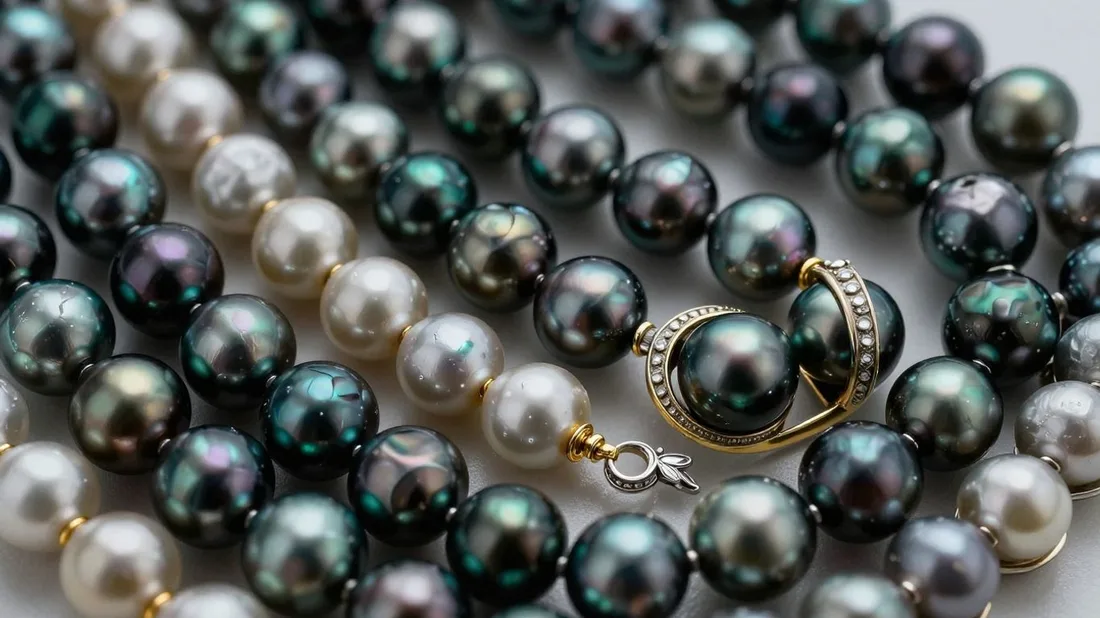
Rangiroa also rewards a slower land day. Tahiti Tourisme identifies cycling as a practical way to explore the settled area, subject to heat, road conditions and individual comfort. Pearl-related visits and local craft stops can add context to the atoll’s economy. Confirm tour availability rather than assuming every visit operates every day.
Village life is quieter than in Tahiti or Moorea. Small restaurants and shops may keep limited hours, and availability can change. Ask the accommodation about meals, nearby services, cash needs, bicycles or other transport before arrival. This preparation protects the relaxed quality of the stay instead of turning simple logistics into last-minute problems.
Getting to and around Rangiroa
Rangiroa is normally reached by domestic flight from Tahiti. Current schedules may also support connections with other islands, but routes and operating days should be checked for the exact travel dates. The airport is on the Avatoru motu near many accommodations. Arrange the arrival transfer directly with the property, particularly when staying farther away or on another motu.
Boats are essential for many lagoon experiences, while bicycles, scooters, cars and taxis may be available for movement on the main inhabited land. The appropriate choice depends on the accommodation location and personal comfort. Confirm baggage limits, domestic check-in time, transfer details and any tight connection before purchasing the full itinerary. A buffer before the international departure is sensible when domestic flights and weather are involved.
Where to stay in Rangiroa
Accommodation includes family-run Tahitian guesthouses, hotels and more secluded lagoon-oriented stays. Avatoru is convenient for the airport and many services. The Tiputa side appeals to travelers who want the pass and dive activity close to the center of their stay. More isolated motu settings emphasize privacy and lagoon immersion but can require additional coordination for transfers, meals and excursions.
Compare the complete experience rather than the room alone. Important questions include meal plans, airport pickup, dive-center transport, direct water access, air-conditioning or fan arrangements, connectivity, bicycles, accessibility and support when an excursion is canceled. A guesthouse can provide a personal, locally grounded stay; a hotel may offer a wider service structure. Neither style is automatically better—the right choice follows the priorities of the traveler.
When to visit and how long to stay
Rangiroa is visited year-round, but temperature, rainfall, wind, currents and marine patterns vary. No month guarantees visibility, calm seas or wildlife. Ask qualified operators about the conditions relevant to the intended activities and use current forecasts only for short-range decisions. Travelers with a specific diving objective should protect more than one possible water day rather than relying on a single excursion.
There is no universal ideal stay length. Allow time for the domestic journey, the major outings you value and at least some unstructured lagoon time. Divers may want several possible dive days; non-divers may prefer a Blue Lagoon excursion, another water day and a quieter day ashore. Current flight patterns and the rest of the itinerary should determine the final number of nights rather than a fixed formula.
Combining Rangiroa with other islands
Rangiroa pairs naturally with Tahiti or Moorea for mountainous scenery, broader dining and easier international logistics. It can also be compared or combined with Tikehau and Fakarava for a Tuamotu-focused trip, provided the current flight schedule makes the sequence sensible. Limit unnecessary backtracking and avoid adding islands simply to increase the count. A well-paced trip with fewer bases usually leaves more time for the experiences that justified traveling to Rangiroa in the first place.
Compare Tikehau for a quieter Tuamotu stay
Explore Fakarava and its lagoon
Frequently asked questions
What is Rangiroa best known for?
Rangiroa is especially known for diving and snorkeling around Tiputa and Avatoru passes, its immense lagoon, Blue Lagoon excursions and a mix of motu, pearl and cycling experiences.
Is Rangiroa worthwhile for travelers who do not dive?
Yes. Non-divers can choose lagoon cruises, guided snorkeling, motu outings, cycling, pearl-related visits and a quieter atoll stay. Match water activities to swimming confidence and current conditions.
How do you get to Rangiroa?
Most visitors arrive on a domestic flight from Tahiti. Confirm current schedules, baggage rules and the accommodation transfer for the exact travel dates.
Where should you stay in Rangiroa?
Avatoru is convenient for the airport and services, the Tiputa area suits pass-focused activity, and more secluded motu stays emphasize privacy. Compare meals, transfers and excursion access before choosing.
How many nights should you spend in Rangiroa?
There is no single ideal length. Allow for the activities you value, more than one possible water day when diving matters, and some weather flexibility. Current flight schedules should guide the final stay.