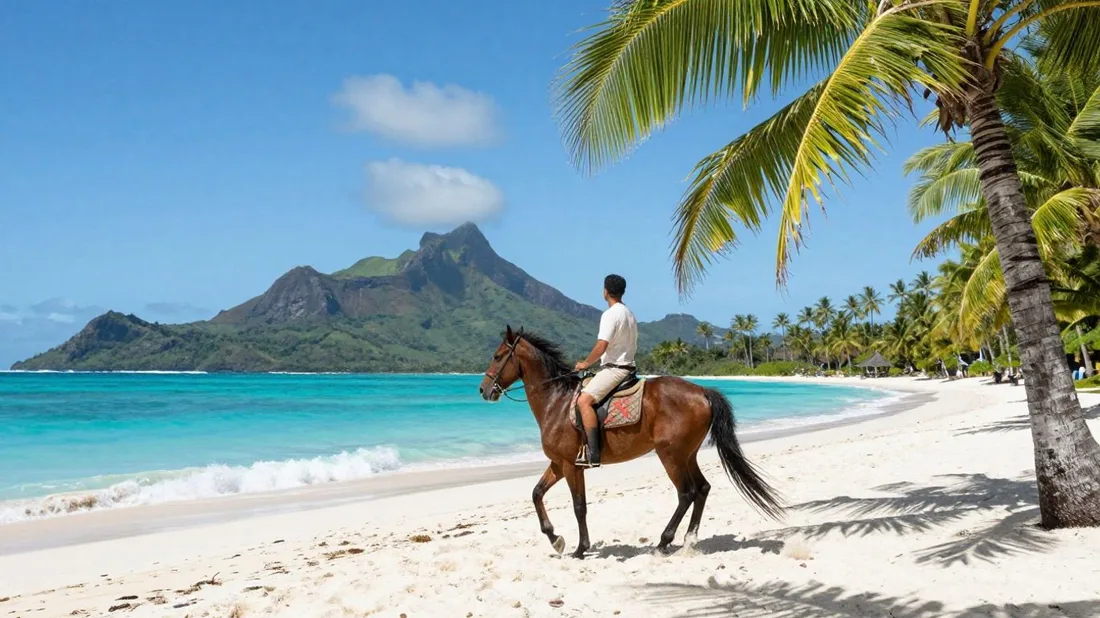
Solo travel in French Polynesia can combine independence with the natural structure of guesthouse stays, small-group excursions and inter-island transport. It works best when the islands, accommodations and daily plans match the traveler’s comfort with driving, boats, remote settings and unstructured time. Good preparation reduces arrival-day friction without turning the trip into a rigid escorted itinerary.
The destination should not be described as universally safe, effortless or social. Conditions differ by island, location and traveler, and ordinary precautions still apply. A thoughtful plan confirms transfers, chooses a suitable base, preserves offline information and gives trusted contacts a copy of the itinerary. It also leaves room to change an activity when weather or personal comfort calls for a different choice.
Why travel solo in French Polynesia?
French Polynesia offers lagoon outings, diving, cultural sites, hiking, markets, food and quiet coastal time that can be enjoyed without a companion. Guided activities create natural opportunities to meet local professionals and other visitors, while an independent day can follow the traveler’s own pace. The strongest solo itinerary balances both instead of assuming constant solitude or guaranteed friendship.
Solo travelers should consider the full price rather than only room rates. Private transfers, rental vehicles, single-occupancy pricing and resort meals can raise costs, while a well-located guesthouse or small hotel may simplify the day. Sharing an excursion is not the same as joining a group tour for the entire trip, so travelers can choose social contact selectively.
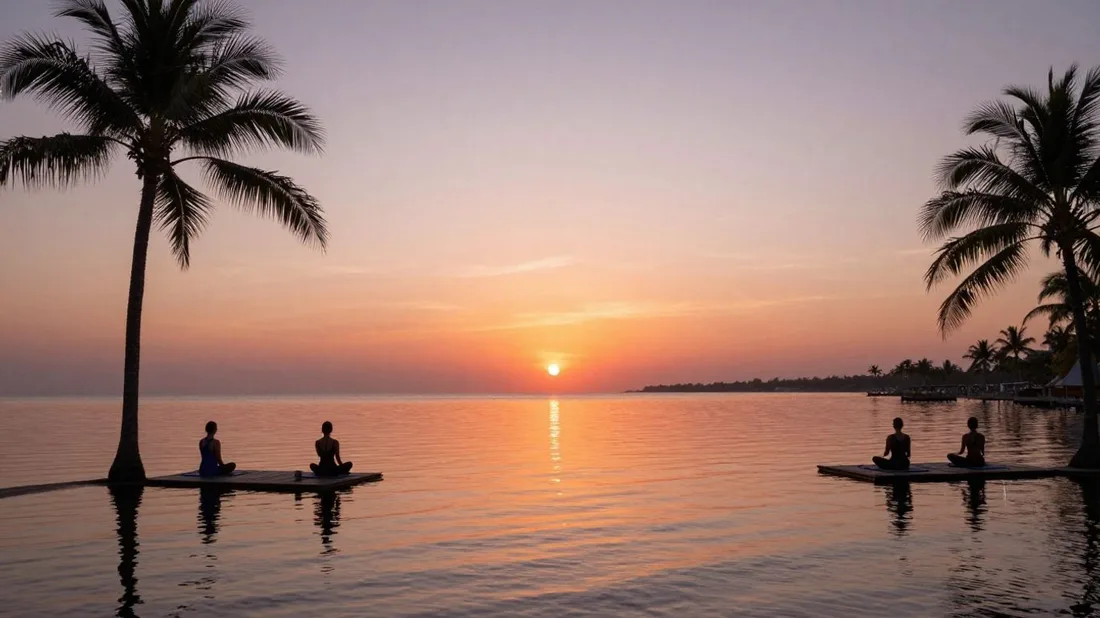
Start with the right level of independence
Some travelers are comfortable collecting a rental car and exploring immediately. Others prefer a confirmed arrival transfer, a first-night hotel near services and guided activities for orientation. Neither approach is more authentic. Decide how much help is useful at the airport, on each island and during evenings, then book only the support that adds confidence.
Keep flight, accommodation, transfer and insurance details available offline, along with emergency contacts and copies of essential documents. Share the itinerary with a trusted person and update it after changes. Avoid posting a live public location when alone, use normal judgment with alcohol and valuables, and ask a host or guide about local conditions before setting out.
Tahiti and Moorea for an accessible start
Tahiti is the international gateway and offers Papeete, markets, museums, dining, island tours and practical services. It can be a useful first or final base, particularly when flight times make a separate overnight sensible. Accommodation location matters: airport convenience, central Papeete and a quieter coastal stay solve different needs.
Moorea adds lagoon and mountain experiences with frequent access from Tahiti and a broad range of tours and lodging. It can work well for a first solo island when transfers and daily transport are planned. A car offers independence, while guided land and lagoon trips remove driving and create shared experiences. Do not assume every property is walkable to restaurants or activities.
Huahine and Raiatea for culture and activity
Huahine can suit travelers interested in Maeva’s archaeological landscape, road exploration, guesthouses and lagoon time. Its two connected islands make a vehicle useful for independent touring, though guides add important cultural context. Fare provides services, while remote lodging requires more meal and transport planning.
Raiatea combines Taputapuātea, the Faaroa River, sailing, hiking and the practical center of Uturoa. It can support an active solo itinerary built around guided experiences, and it provides the usual air gateway for neighboring Taha’a. Confirm every boat connection and avoid treating a shared lagoon as equivalent to instant on-demand transport.
Atolls and Marquesas for experienced solo travelers
Rangiroa, Fakarava and Tikehau can give divers and lagoon-focused travelers a clear daily rhythm through dive centers, pensions and excursions. Remoteness also means fewer alternatives when weather or transport changes. Confirm meals, transfers, payment, connectivity and what non-diving time will look like before choosing an atoll.
Nuku Hiva and Hiva Oa offer dramatic land-based scenery, archaeology and guided cultural touring. Distances, roads and limited services make advance arrangements important. These islands can be rewarding for a confident solo traveler who values guided exploration, but should not be promoted as an unstructured adventure where help is always readily available.
Guesthouses, small hotels and resorts
Tahitian guesthouses are small, often family-run accommodations that can provide local knowledge and natural conversation. Meals may be included or available, but this varies. Ask about room privacy, bathrooms, dining style, language, transfers, payment and how many guests are normally present. A guesthouse can be quiet rather than automatically social.
Small hotels can balance independence with reception and amenities. Resorts can suit a solo traveler seeking contained relaxation, but remote motu properties may require boats for outside dining or exploration. Compare meal plans, activity schedules, communal spaces, single supplements and transport. Choose the setting that fits the desired experience rather than assuming one accommodation type is always best for solo travel.
Getting around without unnecessary stress
Domestic flights, passenger ferries, hotel boats and road transfers operate differently across the islands. Confirm the entire arrival path, including who meets the flight or ferry and what happens after delays. Avoid tight same-day connections before an international departure, especially after remote islands. Current carrier schedules and baggage rules always take precedence over a sample itinerary.
Rental cars can be useful on Tahiti, Moorea, Huahine and Raiatea, but the right choice depends on location and confidence. Verify licensing, insurance, fuel and parking. Taxis, local transport and tours may not function like urban ride-hailing. Travelers who do not want to drive should select accommodations around confirmed pickups rather than hope to arrange every journey at the last minute.
Activities that work well for solo travelers
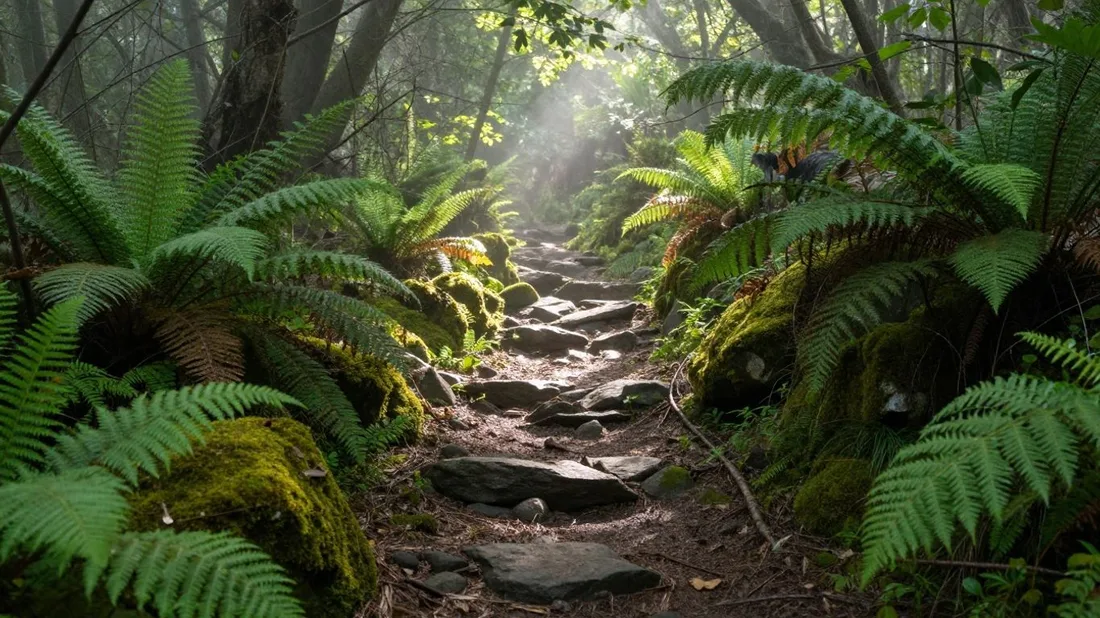
Shared lagoon tours, guided cultural visits, diving, cooking or craft experiences and small hiking groups can add structure and contact without requiring a roommate. Ask about minimum numbers, cancellation policy, pickup and suitability before booking. A private guide may be worthwhile for a specialized interest or remote route, but is not necessary for every day.
Independent beach, market, café and resort time provides useful breathing room. Water activities still require conditions, skill and appropriate supervision; being alone is not a reason to swim, snorkel or hike beyond one’s ability. Tell someone the plan, follow local access advice and choose guided options where current, terrain or remoteness makes them safer or more informative.
Budget and dining for one
Solo pricing can differ because rooms and transfers are often designed around two guests. Compare the complete cost per person, including breakfast, dinner, airport boats, vehicles and excursions. Guesthouses and vacation rentals may help manage cost, but self-catering only works when groceries and transport are practical. A cheaper remote room can become expensive once every movement is added.
Dining alone can be relaxed, but options narrow on small islands and motu. Confirm restaurant days, resort reservation rules and whether a guesthouse serves communal or private meals. Travelers with dietary restrictions should communicate early. Building a mix of hosted meals, independent dining and simple provisions can provide flexibility without making food logistics the center of the trip.
Timing and realistic itinerary length
French Polynesia can be visited year-round, with differences in rain, humidity, trade winds and activity conditions. Festival periods or popular months may create more visitor activity, while quieter periods may suit travelers seeking solitude. No season guarantees social connection, clear weather or empty beaches, so choose dates around personal priorities and current availability.
One or two islands usually suit a shorter trip; a longer journey can add a third when transport contributes a meaningful contrast. Avoid changing islands simply to fill an itinerary. Each move consumes time and creates another solo arrival. Preserve at least one unscheduled day and place a practical buffer before the international flight.
Compare Tahitian guesthouses and pensions
Start with Tahiti as the gateway island
Explore Moorea for a balanced solo stay
Frequently asked questions
Is French Polynesia a good destination for solo travel?
It can be, especially for travelers interested in lagoons, nature, culture and a slower pace. Success depends on choosing suitable islands, confirming transport and using normal independent-travel precautions.
Which island is best for a first solo trip to French Polynesia?
Tahiti and Moorea often provide the broadest services and activity choices, but the best island depends on driving comfort, budget, interests and desired social contact. There is no universal first choice.
Will a solo traveler meet other people?
Guesthouses, dive centers and shared excursions can create natural opportunities, but connection is not guaranteed. Choose a mix of shared activities and private time that remains enjoyable either way.
Do solo travelers need to rent a car?
Not always. A car can help on larger islands, while confirmed transfers and guided tours may be more practical elsewhere. Select accommodation only after understanding how daily transport will work.
Are Tahitian guesthouses good for solo travelers?
They can provide local knowledge, meals and a smaller setting, but facilities and social atmosphere vary. Confirm privacy, dining, transfers, bathroom arrangements and payment directly with the host.
How many islands should a solo traveler visit?
One or two often work well on shorter trips, with a third added on longer journeys when it offers a meaningful contrast. Fewer moves generally reduce cost and arrival-day stress.