Most water activities in French Polynesia happen inside a lagoon, the band of sheltered water between an island’s shore and its barrier reef. Beyond the reef is open Pacific swell. That split decides almost everything: where a beginner can paddle, where surfers go, and why a glassy morning can turn choppy by early afternoon.
Lagoon side and ocean side
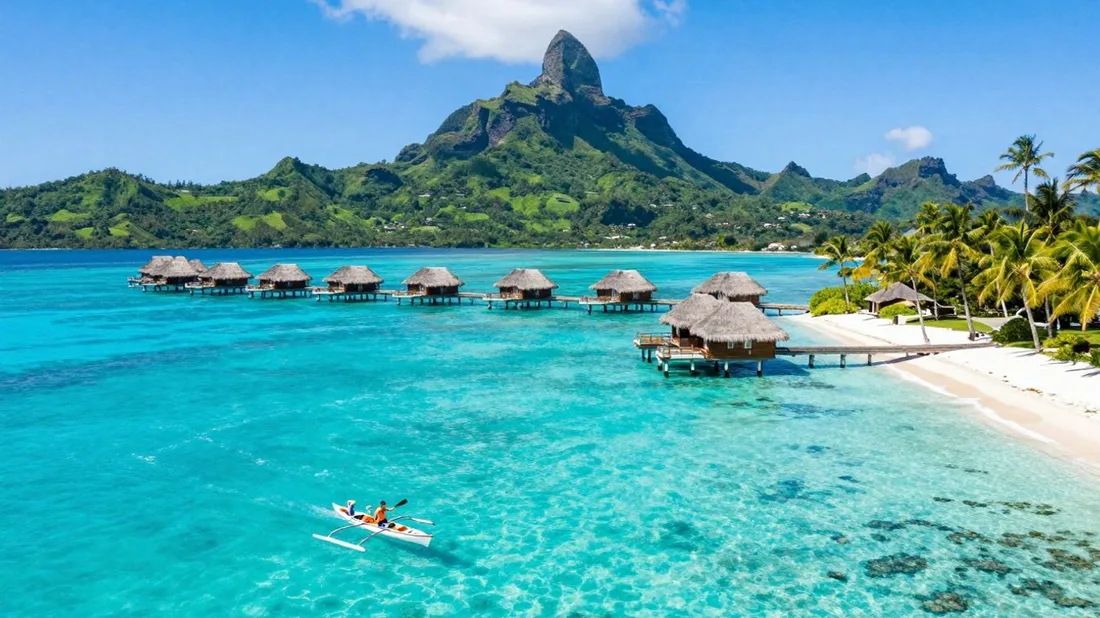
On high islands such as Moorea, Huahine, Raiatea, Taha’a and Bora Bora, the reef sits some way offshore with low coral islets (motu) along it. The lagoon between is usually shallow, warm and protected, which suits kayaks, paddleboards, outrigger canoes and snorkeling. Gaps in the reef, called passes, carry strong tidal currents and most of the boat traffic, and the outer reef edge is where the waves break. On the Tuamotu atolls the lagoon is enclosed by a ring of reef, and the passes are where both the marine life and the current are concentrated.
Wind and swell through the year
Trade winds blow on most days and usually build through the late morning. In the cooler, drier months, roughly May to October, the south-easterly trade known locally as maraamu can blow hard for several days at a time. That suits kitesurfers and wingfoilers but makes open-lagoon paddling hard work. The same season brings the larger southern swells that wake up the south-facing reefs. Paddle early, and keep the afternoon for activities that cope with wind.
Choosing an activity
| Activity | Where it works | Suits | Practical note |
|---|---|---|---|
| Kayak and stand-up paddle | Sheltered lagoons of Moorea, Bora Bora, Huahine and Taha’a; many hotels lend them | Beginners and families | Head upwind first so the return is downwind |
| Va’a (outrigger canoe) | Hotel initiations and local clubs on Tahiti, Moorea and the Leeward Islands | Anyone who can follow the steerer | A lesson teaches the stroke and timing |
| Surfing | Surf schools on Tahiti; reef passes for experienced surfers | Learners with a school; reef breaks for the experienced | Most breaks are over shallow coral |
| Kitesurf and wingfoil | Wind-exposed lagoon areas during trade-wind spells | Experienced riders, or students with a school | Ask about launch zones and no-go areas |
| Jet ski and boat tours | Guided lagoon circuits in Bora Bora and Moorea | Guided groups | Ask about minimum age and licence rules |
Kayak and paddleboard tips
Clear-bottom kayaks and paddleboards are the easiest way to explore on your own terms. Stay out of the buoyed boat channels, carry water and a hat, and wear reef shoes for landing on a motu. Many motu are private family land, so land only at a hotel, a public beach or where your host has arranged it. For wind-powered sports, our kiteboarding guide covers spots and seasons in detail.
Surfing and va’a, the two local sports
Surfing
Surfing has deep roots in Polynesia, and Tahiti remains the centre of it. The most famous wave, the Hava’e pass at Teahupo’o on Tahiti Iti, hosted the surfing events of the Paris 2024 Olympic Games and holds the Tahiti Pro each August, according to Tahiti Tourisme’s surf page. It is a wave for professionals; visitors watch from a boat with a local operator or from the shore. Learners should book a surf school on Tahiti, which will choose a beach or gentle reef break for the day’s swell. Rangiroa’s Avatoru pass also hosts a professional contest in March. Wherever you surf, expect shallow reef, wear booties if the instructor suggests them, and give way to local surfers in the line-up.
Va’a
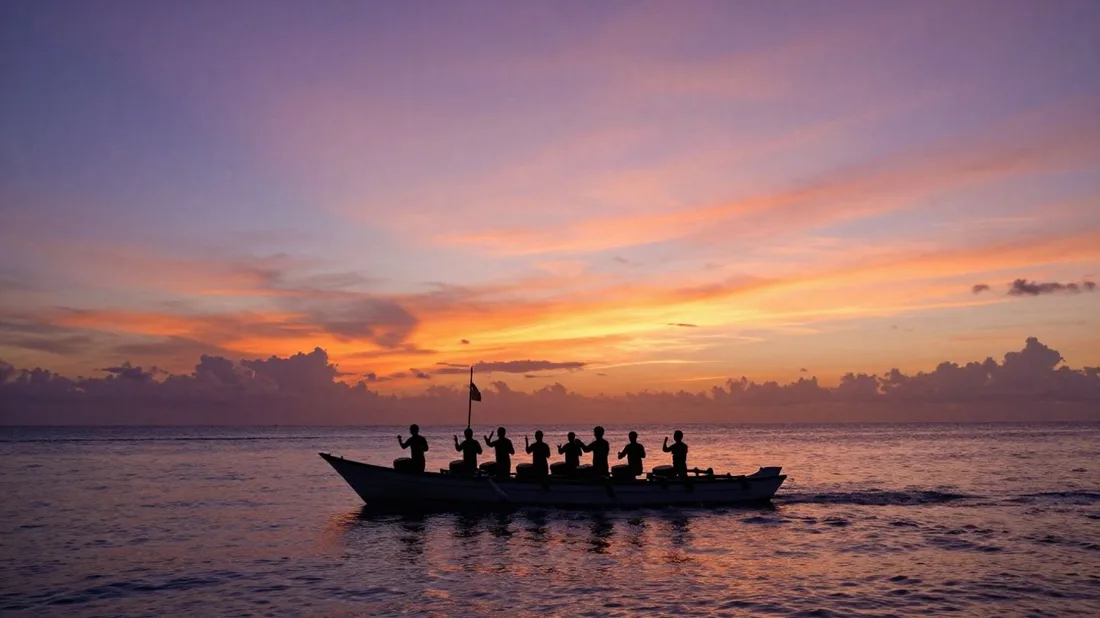
The outrigger canoe is the national sport, and you will see crews training on the lagoons at dawn and dusk. Many hotels offer a short initiation, and some clubs welcome visitors for a paddle. The biggest event is the Hawaiki Nui Va’a, a three-day open-ocean race between Huahine, Raiatea, Taha’a and Bora Bora held each year around the October school holidays. Rooms on those islands fill early that week. Our outrigger racing guide explains how to watch.
Make the visit respectful
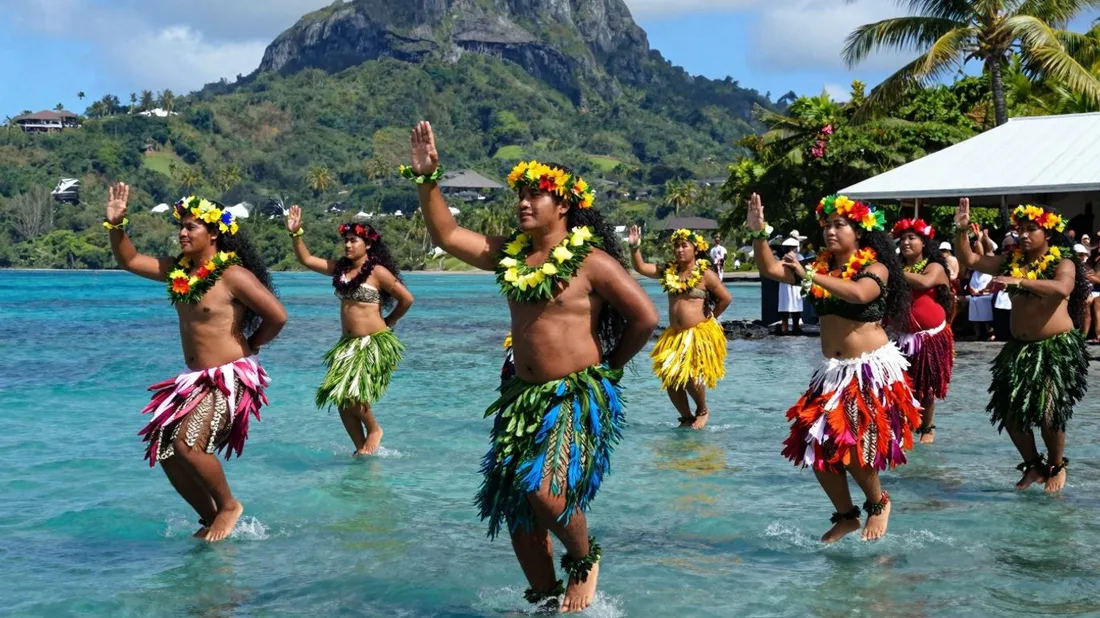
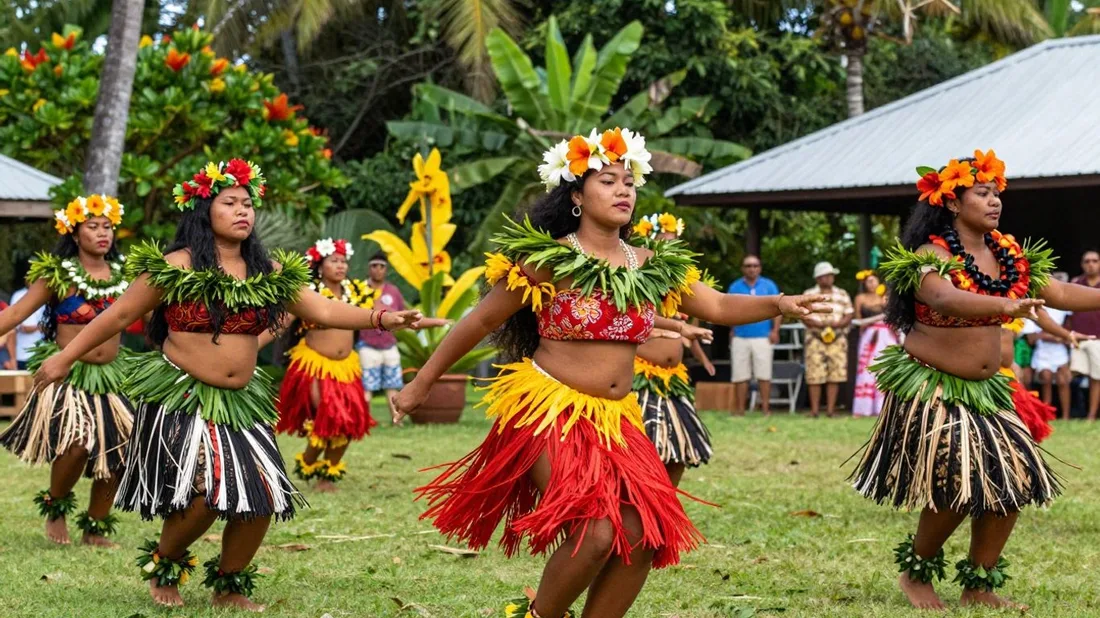
Never stand on, kick or anchor on coral, and keep fins and paddles off the reef in shallow water. Give fishermen, fish traps and lines a wide berth, and keep noise down near villages early in the morning. From July to November, humpback whales come close to the reefs, and boats must follow strict approach rules, explained in our whale watching guide.
Common planning mistakes
Renting a board or kayak without asking about the return route, the afternoon wind and what to do if you get into trouble; drifting towards a pass; and assuming a beach is patrolled because it is busy.
Safety and insurance
The Government of Canada’s travel advice notes that lifeguards don’t usually supervise beaches, that tidal changes can cause powerful currents and riptides, and that reef shoes help protect against coral cuts and stonefish. It also recommends choosing well-established operators that carry insurance. Check that your own policy covers the activities you plan, from kitesurfing to diving; our travel insurance guide lists what to ask. Tropical sun is strong even on cloudy days, so a rash guard and hat do more than sunscreen alone.
Accessibility and individual needs
Children need properly sized flotation vests, and operators set their own minimum ages for jet skis, kitesurfing and surf lessons, so ask before booking. Double sit-on-top kayaks are stable for a parent and child or a less confident paddler. Travellers who do not swim can still enjoy the lagoon from a glass-bottom boat or a lagoon tour with shallow stops.
After booking
Ask the provider what happens if the wind is too strong: most will move the session to the morning or a more sheltered part of the lagoon, or offer another day.
On the day
If the trades are howling, paddle close to shore on the sheltered side of the island, or swap to a guided outing and save the open lagoon for a calmer morning.