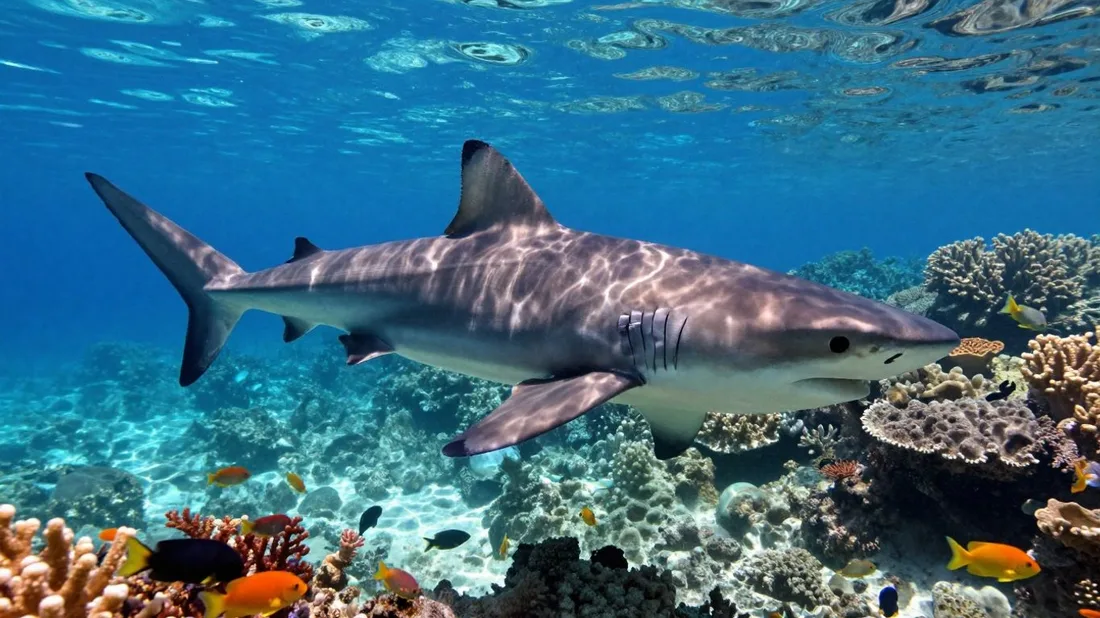
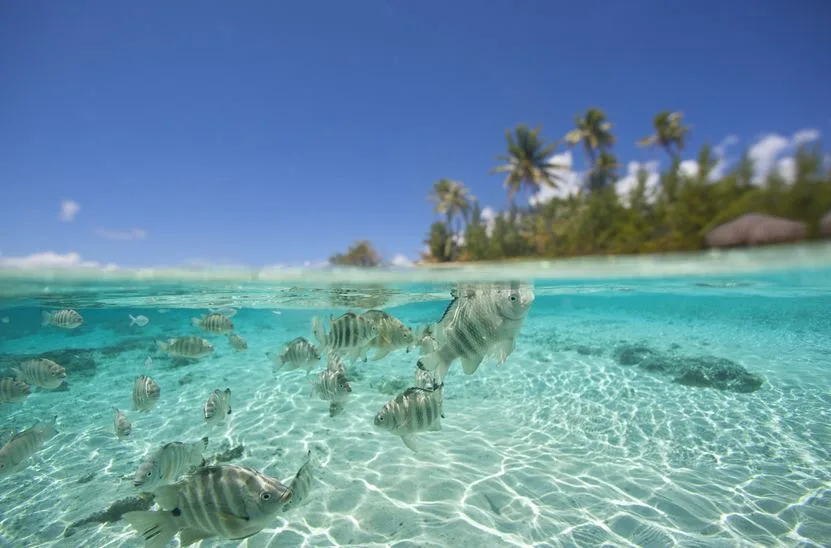
Thinking about where to go for some kiteboarding in Polynesia? It's a pretty amazing place, honestly. You've got these incredible blue waters, warm breezes, and so many islands to explore. Whether you're just starting out or you've been doing this for years, there's something for everyone. We're talking about spots from Tahiti all the way to New Caledonia, each with its own vibe and conditions. So, let's dive into some of the best Polynesian kiteboarding spots.
Key Takeaways
French Polynesia offers a variety of kiteboarding locations, from Tahiti's coasts to Moorea's lagoons and Bora Bora's calm waters.
The Tuamotu Islands are known for their flat water atolls, perfect for freestyle and speed, with Hirifa in Fakarava being a standout spot.
The prime kiteboarding season generally runs from June to October, offering the most consistent winds, though some spots can be windy year-round.
When choosing gear, consider light wind equipment, especially for December, and the versatility of foil boards can be a big plus.
Always be aware of your surroundings, including swimmers, boats, and marine life, to ensure a safe and enjoyable experience on the water.
Kiteboarding Adventures in Tahiti
Tahiti, the largest island in French Polynesia, is a fantastic place to get your kiteboarding fix. While it might be known for its surfing breaks, there are definitely spots that cater to kiteboarders too, offering a mix of conditions for different skill levels. It's a place where you can experience the thrill of riding on crystal-clear waters with volcanic peaks as your backdrop.
Papenoo L’Embouche: A Coastal Gem
Papenoo, particularly the L’Embouche area, is a well-regarded spot for kiteboarders. It often provides consistent wind, making it reliable for sessions. The lagoon here is quite spacious, offering plenty of room to cruise and practice your moves without feeling too crowded. It's a good place to start if you're looking for a more open and forgiving environment.
Maraa and Sapinus: Exploring Diverse Conditions
Maraa and Sapinus offer a bit more variety. You might find flatter water closer to shore, which is great for freestyle and learning, but venture a bit further out, and you can encounter some chop or even small waves depending on the wind and swell. It’s wise to check the local conditions before you head out, as they can change. Having a boat nearby can be helpful for exploring further or for safety.
Vairao and Teahupoo: For the Experienced Rider
Now, Vairao and the legendary Teahupoo are where things get serious. Teahupoo is world-famous for its massive surf, and while it's not typically a kiteboarding destination due to the extreme wave conditions and powerful reef, the surrounding areas and Vairao can offer challenging down-the-line wave riding for very experienced kiters. This is definitely not for beginners; you need solid wave riding skills and a good understanding of reef breaks. Only attempt these spots if you are a highly skilled rider with local knowledge.
When planning your trip, remember that Tahiti has a vibrant calendar of events, including sports competitions, so check what's happening during your visit. The best wind typically blows from June to October, but you can find conditions at other times too. Always be mindful of marine life and the reef when you're out on the water.
Moorea's Lagoon and Reefs
Moorea, just a short ferry ride from Tahiti, is another gem in French Polynesia that calls to kiteboarders. Its dramatic volcanic peaks draped in green plunge into stunning turquoise lagoons, creating a backdrop that's pretty hard to beat. While it might not have as many open-water spots as some other islands, Moorea offers a unique experience, especially if you're looking for a mix of flat water and reef riding.
Haapiti Beach: A Popular Choice
Haapiti Beach is often mentioned as a go-to spot. It's known for its beautiful scenery and generally good wind conditions, especially during the dry season. The lagoon here is quite expansive, offering plenty of space to cruise around. You'll find a mix of conditions, from shallow, flat water closer to shore to choppier sections as you move out towards the reef. It's a good place to practice your freestyle moves or just enjoy a long downwinder.
Temae Beach: Accessible Yet Challenging
Temae Beach, located near the airport, is quite accessible, which is a big plus. The lagoon here is also quite large and beautiful. However, it's important to be aware of the conditions. While it can be great for kiting, there are also boat channels and sometimes stronger currents to consider. It's a spot where you'll want to keep an eye on the wind direction and strength, and be mindful of other water users.
Kite Launching at Moorea Sunset Beach
Moorea Sunset Beach presents a different kind of launch. It's a smaller area, and you really need to be on your game here. Launching and landing can be tight, with obstacles like palm trees and docks nearby. This spot is definitely more suited for riders who are comfortable and experienced, as there's less room for error. The water just offshore is relatively shallow for a good distance, which is nice, but the launch itself requires focus.
Here's a quick rundown of what to expect:
Wind Season: Generally best from May to October.
Water Conditions: Mix of flat lagoon water and choppier areas near the reef.
Marine Life: Expect to see rays and reef sharks, so be aware of your surroundings.
Access: Some spots might require a day pass or access through resorts.
Moorea offers a different vibe than some of the larger, more open kite destinations. It's about enjoying the stunning scenery while being aware of the specific conditions and access points. It's a place where you can really connect with the beauty of the lagoon.
Bora Bora's Iconic Kitesurfing
Bora Bora, often called the "Pearl of the Pacific," is more than just a honeymoon destination; it's a surprisingly good spot for kitesurfers, especially if you're looking for stunning scenery to go with your ride. The famous lagoon here offers a unique kiting experience, blending breathtaking views with accessible conditions.
Matira Beach: Gentle Breezes for All
Matira Beach is a great starting point for many. It's known for its shallow, clear waters and generally gentler winds, making it quite welcoming for beginners and those who just want a relaxed session. You can often find steady breezes here, perfect for practicing your turns or just cruising. It's a spot where you can feel comfortable trying new things without the immediate pressure of strong currents or deep water.
Motu Piti Aau: Ideal for Beginners and Freestylers
Just a bit further out, the area around Motu Piti Aau opens up even more possibilities. This spot is particularly favored by kitesurfers who enjoy freestyle maneuvers. The expansive lagoon here provides plenty of space to practice jumps and tricks. For beginners, the consistent, manageable wind and the vast, flat water make it an excellent place to build confidence. It’s also a good area if you're looking to try out different board types, like a foil board, given the deep water sections available. Remember to be mindful of the coral heads scattered around, though; they're part of the beauty but require attention.
Best wind direction: Southeast trade winds are usually the most reliable.
Water conditions: Predominantly flat water inside the lagoon, with potential for small chop in stronger winds.
Gear recommendation: Light wind kites (12m-17m) and twin-tip boards are common, but a foil board is a great addition for lighter days.
When planning your trip, the period from June to October typically offers the most consistent winds, aligning with the dry season. However, even outside these months, you can often find good conditions, especially if you're prepared with lighter wind gear. It's always a good idea to check local forecasts and perhaps connect with other riders or local kite schools for the most up-to-date information on conditions. For those looking for a different kind of luxury beach experience, places like Barbados and St. Barts offer their own unique charms.
The Tuamotu Islands: Atoll Paradise
If you're dreaming of endless flat water and consistent winds, the Tuamotu Islands might just be your jam. This place is basically a collection of 77 atolls, which are essentially rings of coral islands surrounding a lagoon. Think of it as nature's own giant, shallow kite park. The lagoons here are huge and super clear, making them perfect for cruising, practicing freestyle tricks, or just enjoying the ride without worrying about big waves. The wind typically blows towards the center of the atoll, creating that glassy water surface we all love.
Finding the right spot is key. You want the wind to hit the reef pretty much head-on for the calmest lagoon conditions. But, be careful – sometimes strong winds can mess with the water flow through the small channels in the reef, creating unexpected currents. Also, keep an eye out for coral heads that might be just below the surface, especially if you're in shallower areas. It’s a good idea to avoid launching from islets that are heavily covered in trees, as they can block the wind.
Fakarava Atoll: Hirifa's Kiting Haven
When people talk about kiting in the Tuamotus, Fakarava often comes up, specifically the Hirifa area. It's pretty well-known and for good reason. You can find places here that offer lessons for all levels, rent gear, and even have boats ready to help you chase the best wind. It’s not just kiting either; you can try paddleboarding and wakeboarding too. They welcome all sorts of boards, from twin tips to surf and foil boards.
Navigating Atoll Lagoons Safely
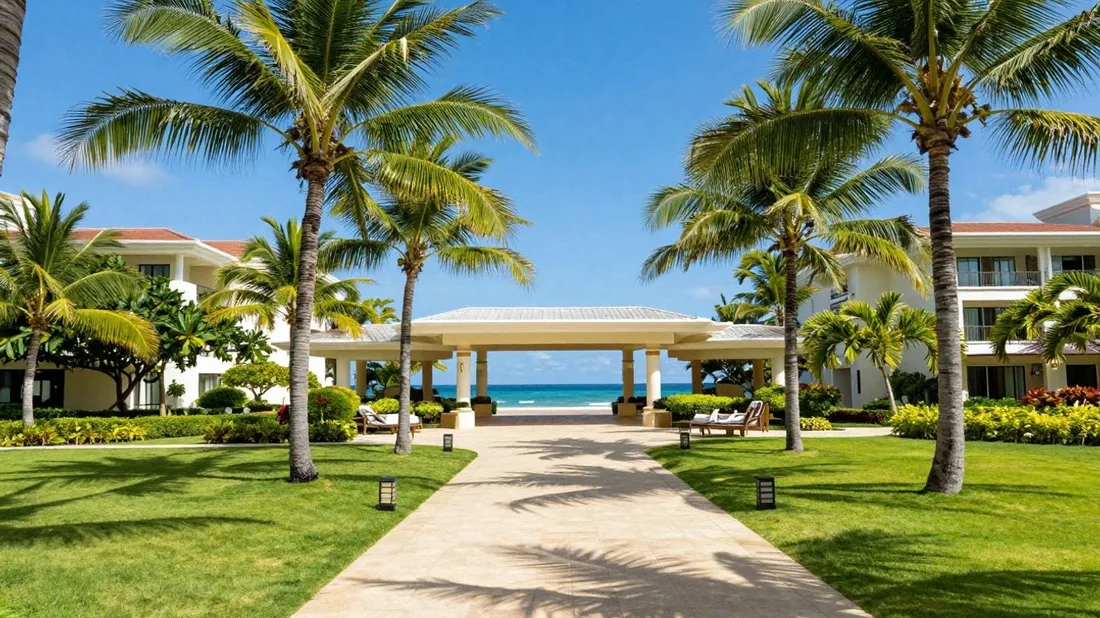
Kiting in an atoll lagoon is a bit different from other spots. Here are a few things to keep in mind:
Wind Direction: Aim for winds that are as perpendicular as possible to the reef. This usually means calmer water inside the lagoon.
Coral Awareness: Always check for submerged coral heads, especially in shallower sections. A quick scout from shore or asking locals can save you a nasty surprise.
Currents: Be aware that 'hoa' (small channels in the reef) can create unpredictable currents, particularly during stronger wind periods.
Launch Sites: Look for open, sandy areas on the motus (islets) that aren't obstructed by dense vegetation.
Choosing the Right Motu for Launching
When you're picking a spot to launch your kite, think about a few things. You want a clear, open space. Islets that are mostly sand or have very short grass are usually best. Avoid areas with lots of palm trees or dense bushes right at the water's edge. These can create wind turbulence, making your launch and ride less smooth. The motus on the southeast side of the atolls are often good candidates, provided they don't have too many shallow coral heads nearby.
Nu’ulua Island: Secluded Kiting
Samoa offers a different vibe for kitesurfers, a bit more off the beaten path compared to some of the more developed spots. If you're looking for wide-open spaces and a real sense of adventure, Nu’ulua Island might be your jam. It’s not your typical resort destination, which is exactly what draws some people here. Think pristine, undeveloped beaches and the sound of waves as your main soundtrack.
Getting to Nu’ulua requires a bit of effort, usually involving a boat trip, but that’s part of its charm. It keeps the crowds away and preserves that feeling of discovery. The conditions can vary, but when the wind is right, you've got a pretty sweet setup. It’s the kind of place where you can really feel like you’ve found your own piece of paradise.
A’ufaga and Salani Lefts: Wave Riding Opportunities
For those who live for the thrill of wave riding, A’ufaga and the Salani Lefts are where it’s at in Samoa. These spots are known for their potential to deliver some seriously fun waves, especially if you’re comfortable riding lefts. It’s not always glassy perfection; you’ll find a bit more chop and power here, which is what wave riders often seek.
It’s important to know your skill level before heading out. These aren't beginner spots, and the conditions can get challenging.
Wave Type: Primarily left-hand point breaks.
Best Wind Direction: Typically requires a good easterly or southeasterly wind.
Tide Considerations: Can be affected by tide, so check local conditions.
When planning your trip, keep in mind that the wind patterns can be a bit less predictable than in some other Polynesian destinations. The dry season, generally from May to October, usually offers the most consistent winds. However, even outside of this, you might find good days. It’s always a good idea to have a few different kite sizes with you to adapt to changing conditions. A 10-12m kite is often a good starting point for these wave spots during the windy season, but a larger or smaller one might be needed depending on the day.
Suva Lacala Bay: Urban Kiting
If you're looking for a kiting spot that's surprisingly close to the city buzz, Suva Lacala Bay on Viti Levu might be your jam. It's not your typical remote island paradise, but it offers a unique urban kiting experience. You'll find a decent stretch of water here, often with consistent winds, especially during the windy season. It's a good place to get some practice in without having to travel too far from the capital. Just be mindful of boat traffic and local activity, as it's a working bay.
Cloudbreak and Namotu Lagoon: Wave Riding Spots
Now, for the riders who crave some serious wave action, the Mamanuca Islands are where it's at. Cloudbreak is legendary, a world-class surf spot that, when the conditions align, can offer some truly epic down-the-line kiting. This isn't for beginners, mind you. You'll need solid wave riding skills and the right gear to tackle these powerful waves. Access usually involves a boat trip from one of the nearby islands or resorts. Namotu Lagoon, on the other hand, offers a slightly more forgiving, but still challenging, wave experience. It's a bit more protected, making it a bit more accessible for intermediate to advanced riders looking to get their wave fix.
Likuri Island: A Versatile Kiting Destination
Likuri Island is a bit of a gem in the Mamanucas, offering a bit of everything for kiteboarders. You've got calmer lagoon areas that are great for practicing freestyle or for those who are still building their confidence. Then, there are spots closer to the reef that can provide some fun, smaller waves. It's a place where you can spend a whole day, switching between different styles of riding. The island itself often has resorts or accommodations that cater to kiteboarders, making logistics pretty straightforward. It's a fantastic all-rounder for groups with mixed skill levels.
Here's a quick rundown of what to expect:
Suva Lacala Bay: Urban setting, consistent winds, watch for boat traffic.
Cloudbreak: Advanced wave riding, requires boat access, powerful swells.
Namotu Lagoon: Challenging waves, more protected than Cloudbreak, good for intermediates.
Likuri Island: Versatile, offers both flat water and wave riding, suitable for various skill levels.
New Caledonia's Coastal Kitesurfing
New Caledonia, a sprawling archipelago east of Australia, offers a unique blend of urban accessibility and wild lagoon exploration for kitesurfers. It's a place where you can find a bustling city beach scene one day and a secluded, untouched bay the next. The main island, Grande Terre, and its surrounding islands provide a diverse playground for riders of all levels.
Anse Vata and Plage de Meridien: City Beach Kiting
These spots near the capital, Nouméa, are surprisingly good for kitesurfing, especially if you're looking for convenience. Anse Vata is a popular bay, and while it can get busy with swimmers and other water sports enthusiasts, it offers a taste of kiting right in the city. Plage de Meridien, a bit further out, provides a more relaxed vibe with consistent winds, making it a solid choice for a quick session without venturing too far from civilization. Be mindful of boat traffic and the general public enjoying the water.
Ilôt Goeland and Passe de Dumbéa: Lagoon Exploration
For those craving open water and a true lagoon experience, head to the areas around Ilôt Goeland and Passe de Dumbéa. These spots are all about exploring the vast, shallow, and incredibly clear waters of the New Caledonian lagoon. You'll find plenty of space to cruise, practice freestyle, or just enjoy the stunning scenery. Access often involves a boat trip, which adds to the adventure and helps you reach these pristine kiting grounds.
Plage de Poé: Wide Open Kiting
Located on the west coast of Grande Terre, Plage de Poé is a long, sandy stretch that's practically made for kitesurfing. The wide-open beach makes launching and landing a breeze, and the expansive lagoon behind it offers miles of flat water. It's a favorite among locals and visitors alike, especially when the trade winds kick in. You'll find a more natural setting here, with fewer crowds than the city beaches, allowing for a more immersive kiting experience.
Here's a quick rundown of what to expect:
Anse Vata & Plage de Meridien: Urban convenience, good for quick sessions, can be crowded.
Ilôt Goeland & Passe de Dumbéa: Lagoon exploration, requires boat access, pristine conditions.
Plage de Poé: Long sandy beach, expansive flat water, natural setting, great for cruising and freestyle.
Best Times for Polynesian Kiteboarding
Figuring out the best time to visit Polynesia for kiteboarding really comes down to chasing the wind. While it's a tropical paradise year-round, the wind patterns shift, and you'll want to align your trip with the breezier months for the most consistent sessions.
The Windy Season: June to October
This is generally considered the prime time for kiteboarding across most of Polynesia. During these months, the trade winds pick up, offering reliable conditions for riders of all levels. Think steady breezes that make launching and staying powered up much easier. It's when you're most likely to find that sweet spot of wind that isn't too light and isn't overwhelmingly strong. Many locals and frequent visitors plan their trips around this period because the wind is just more dependable.
Navigating the Rainy Season
From about January to April, you're looking at the rainy season, which can also be the warmer, more humid time of year. While you might still get windy days, they're less predictable. You could have stretches of calm weather interspersed with periods of strong wind. Some accommodations and services might also scale back during these months. If you're on a budget or don't mind a bit of rain and humidity, it can still be a good time to visit, but be prepared for potentially less kiteable days.
Considering Light Wind Conditions
Even outside the main windy season, you can still find kiteable conditions, especially if you're prepared. From November to December, the winds can start to get lighter. This is where having the right gear becomes super important. If you're traveling during these months, or even during the shoulder seasons, packing a larger kite or a foil board can make all the difference. You might find yourself with epic sessions in lighter breezes that others might miss out on.
Here's a quick rundown of what to expect:
June - October: The dry season, with the most consistent and strongest winds. Ideal for all levels.
November - December: Transition period, winds can be lighter and less consistent. Bring light-wind gear.
January - April: The rainy season. Warmer, more humid, with less predictable winds. Can still have good days, but plan accordingly.
Essential Kiteboarding Gear
Alright, let's talk about what you'll need to bring along for your kiteboarding trips in Polynesia. It's not just about grabbing any old gear; the right equipment can seriously make or break your experience, especially with the varied conditions you'll find here.
Light Wind Equipment Recommendations
When the wind decides to take a little siesta, having the right gear is key. You don't want to be stuck on the beach wishing you'd brought something else. For those lighter wind days, which can pop up, especially outside the main windy season, think bigger.
Kites: Opt for larger kites. A 14m² or even an 18m² can be a lifesaver when the breeze is just a whisper. These larger kites catch more wind, helping you get up and going when smaller ones just won't cut it.
Boards: A bigger twin-tip board with more surface area will help you plane earlier. Some riders even bring a specific light-wind board that's wider and has a flatter rocker.
Foil Boards: Honestly, if you have one, bring it. Foil boards are fantastic in light winds. They lift you out of the water with minimal wind, allowing for smooth, fast rides even when others are sitting on the sand.
The Versatility of Foil Boards
Speaking of foil boards, they're becoming a game-changer for kiteboarders. They're not just for light wind, either. Once you get the hang of them, they open up a whole new world of riding. You can cruise around in barely any wind, carve smooth turns, and even ride waves with a different feel. They take some practice, for sure, but the payoff is huge. Just be mindful of shallow spots and coral when you're foiling – you don't want to damage that expensive equipment or the reef below.
Choosing the Right Twin-Tip Size
Your trusty twin-tip is probably what you'll use most often. Picking the right size depends on a few things: your weight, the wind strength, and your skill level. Here's a rough guide:
Remember, this is just a starting point. If you're on the lighter side for your weight category, you might go a bit smaller. If you're heavier or prefer a more powered ride, go a bit bigger. For lighter wind days, you'll want a board on the larger end of the spectrum for your weight.
Respecting Marine Life and Reefs
Polynesia's waters are teeming with life, and it's our job to keep it that way. You'll see all sorts of cool stuff under the surface, like rays and reef sharks. It's super important to be aware of where the coral reefs are. They can be shallow and sharp, and you don't want to damage them or yourself. Try to stick to deeper channels when you can, especially if you're still getting the hang of things. If you see marine animals, give them plenty of space. Don't chase them or try to touch them. They're just living their lives, and we're visitors in their home.
Awareness of Swimmers and Boats
When you're out on the water, remember that you're not the only one using it. There will be other kiters, swimmers, snorkelers, and boats. Always keep an eye on your surroundings. It's a good idea to have a general sense of where other people are, especially when you're launching or landing. If you're in a popular spot, it can get pretty crowded. Try to give everyone enough room to enjoy themselves safely. If you're unsure about a situation, it's always better to be cautious and maybe wait a moment before you go for that trick.
Understanding Lagoon Currents
Lagoons can have their own little currents, and they can change depending on the tides and wind. Sometimes they're barely noticeable, and other times they can really pull you. It's good to get a feel for the water movement before you head out for a long session. If you're kiting in an area with a lot of tidal exchange, you might notice the current picking up. Just be aware of it and adjust your riding if needed. It's not usually a big deal, but knowing it's there can help you stay in control and have a better time on the water.
So, What's the Verdict?
Alright, so we've talked about some pretty amazing spots in Polynesia for kiteboarding. From the clear waters of Moorea to the atolls of the Tuamotus, there's definitely a lot to explore. Remember, conditions can change, and it's always a good idea to check the local wind reports and be aware of other people in the water, whether they're swimmers, boats, or fellow kiters. Pack your gear, maybe a bit of extra light-wind equipment just in case, and get ready for some incredible rides. This part of the world really is something special for anyone who loves to fly across the water.
What's the best time of year to go kiteboarding in Polynesia?
The wind is usually best for kiteboarding in Polynesia from June to October. This is their dry season and when the winds are strongest. While it can be windy at other times, you might find lighter winds from November onwards, especially in December.
Are there specific spots in French Polynesia that are better for beginners?
Yes, places like Matira Beach and the lagoon near Motu Piti Aau in Bora Bora are great for beginners. They often have calmer waters and gentler winds, making it easier to learn and practice.
What kind of gear should I bring if I'm going during the lighter wind months?
If you're visiting when the winds might be lighter, it's a good idea to bring gear for those conditions. Think about a larger kite, maybe 14 meters or more, and a bigger board. Some people even find a foil board really helpful in light winds because it can get you up and riding with less breeze.
Is it safe to kiteboard near coral reefs?
You need to be very careful around coral reefs. While they make the water beautiful, they can also be sharp and hidden just below the surface. Always check the spot beforehand, especially in lagoons, and be aware of where the reefs are to avoid damaging your gear or hurting yourself.
What should I do if I encounter swimmers or boats while kiteboarding?
Always keep an eye out for other people and boats. It's super important to be aware of your surroundings. Give swimmers, snorkelers, boats, and jet skis plenty of space. The goal is to have fun without causing any accidents, so stay alert and steer clear of others.
Are there any islands that offer a more remote or less crowded kiteboarding experience?
The Tuamotu Islands, like Fakarava, can offer a more secluded experience. Also, islands like Nu’ulua Island in Samoa are known for being more off the beaten path. These places often have stunning natural beauty and fewer people around.
What are the main differences between kiting in a lagoon versus kiting near an atoll?
Kiting in a lagoon often means flatter water, which is great for learning tricks or just cruising. Kiting around an atoll usually happens on the side facing the open ocean or the windward side of the lagoon. This can mean more open space but also potentially choppier water or stronger currents depending on the wind and reef passages.
Besides kiteboarding, what else is there to do in these Polynesian destinations?
Polynesia is amazing for more than just kiteboarding! You can go snorkeling or diving to see colorful fish and coral, explore the islands by hiking or renting a scooter, enjoy the local culture and food, or just relax on the beautiful beaches. Many places also offer other water sports like paddleboarding or surfing.