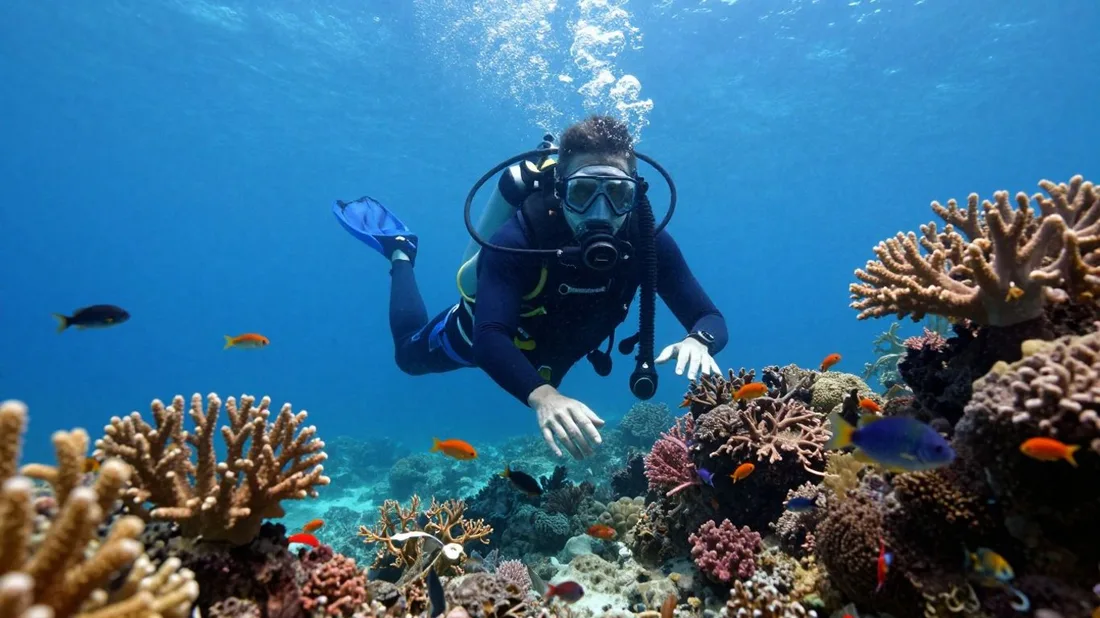
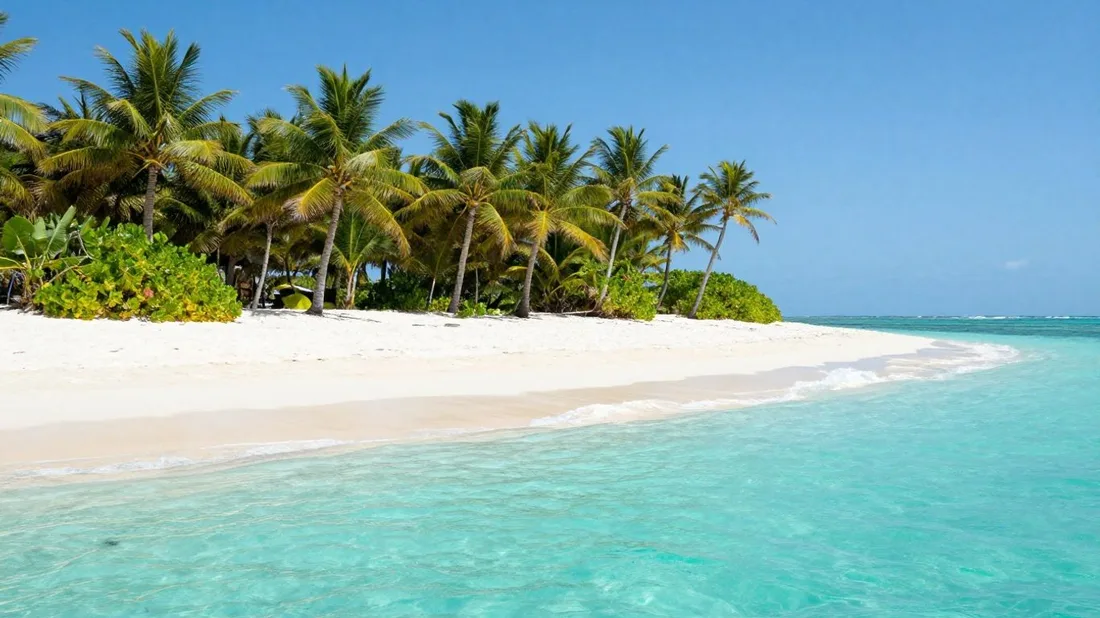
French Polynesia’s lagoons are calm-looking and shallow, which makes them inviting and easy to underestimate. Currents in reef passes, boat traffic, sharp coral and stonefish are all real, and the reefs themselves are slow to recover from damage. Good snorkeling etiquette protects both you and the reef.
Know the conditions before you swim
The Government of Canada travel advice warns that beaches usually have no lifeguards, tidal changes can cause strong currents, and riptides are common. The risk is highest in the passes and hoa (channels) that connect a lagoon to the ocean, where water moves fast on a changing tide. Ask your pension, hotel or a local operator where it is safe to swim that day, and use a guide for any pass or drift snorkel.
Inside the lagoon, the bigger hazard is boats. Snorkel close to shore or in marked areas, stay out of channels, and consider a bright swim cap or a towed float so drivers can see you. Always swim with a partner.
Protect your feet and the reef
Wear reef shoes or booties to enter and exit through sand; Canada’s advice specifically mentions stonefish and coral cuts. Once in the water, float and fin gently instead of standing. If you need to rest, find a sandy patch or hold a mooring line, never coral.
The reef etiquette checklist
- Don’t touch or stand on coral. Even a brief touch can damage living polyps, and broken coral cuts infect easily.
- Don’t feed fish, rays or sharks. Tahiti Tourisme asks visitors not to feed wild animals; feeding changes behaviour and can cause bites.
- Use reef-safe sunscreen, or better, cover up with a rash guard and leggings so you need less.
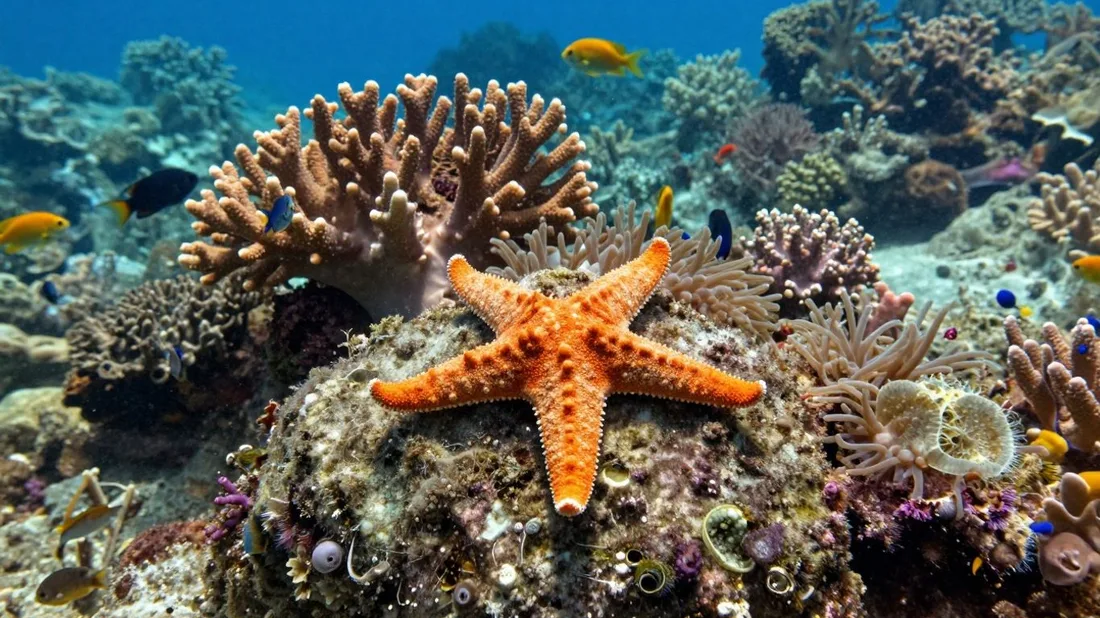
- Take nothing. Leave shells, coral and stones where they are, and buy local crafts instead.
- Keep your fins down. Swim horizontally and watch your fin tips near shallow coral heads.
- Give wildlife the lead. Watch turtles, rays and sharks from a calm distance, and never chase, block or ride an animal.
- Respect closed or protected areas, including marked marine zones and any local rāhui (traditional restrictions).
Wildlife encounters done well
Rays and sharks
Lagoon tours on Moorea and Bora Bora often stop at shallow sandbanks where stingrays and blacktip reef sharks gather. These sites are popular and can get crowded. Follow the guide’s instructions, keep your hands to yourself and let animals approach on their own terms. Our Bora Bora shark and ray guide covers what to expect and how to choose an operator.
Whales and dolphins
Humpback whales visit French Polynesia each year to give birth and raise calves, and the waters are a marine mammal sanctuary. In-water encounters are regulated, with minimum approach distances for boats and swimmers, and only authorized operators may take swimmers to whales. Book with an authorized operator, listen to the briefing, and accept that some days the whales decide. See our whale-watching guide.
Where to start
Good first sites include Taha’a’s coral garden between two motu, shallow lagoon spots on Moorea and Bora Bora, and the “Aquarium” near Rangiroa’s Tiputa pass on a guided trip. Our snorkeling spots guide covers more.
Gear that helps, and what to do if something goes wrong
A mask that seals well and a snorkel with a dry or splash top make calm, controlled swimming much easier, and fins let you move without kicking up sand or brushing coral. A long-sleeved rash guard protects against sunburn and jellyfish stings without needing as much sunscreen. Bring your own mask if you can; rental sets vary in fit.
If you feel a current pulling you away from shore, don’t swim straight against it. Swim across the current, parallel to the reef or beach, until it eases, then head in, and raise an arm to signal for help if you need it. On guided trips, stay close to the boat and the group.
Clean any coral cut promptly with fresh water and an antiseptic, and watch it over the following days, since coral cuts infect easily in warm conditions. A stonefish sting is extremely painful and needs urgent medical care; hot water applied to the wound while you get help can ease the pain. For anything serious, call emergency services or ask your accommodation to arrange help, and remember that medical facilities on small islands are limited.
Make the visit respectful
Many beaches and shore entries are next to homes or on family land, so ask before crossing property, keep noise down and take your rubbish with you. Fish in the lagoon are food for local families, so leave fishing areas undisturbed. On guided trips, tip if you wish but never pressure a guide to bend wildlife rules for a photo.
Common planning mistakes
Treating a lagoon as a pool, snorkeling a pass without a guide, and using an old photo or blog post as proof that conditions are safe today.
Accessibility and individual needs
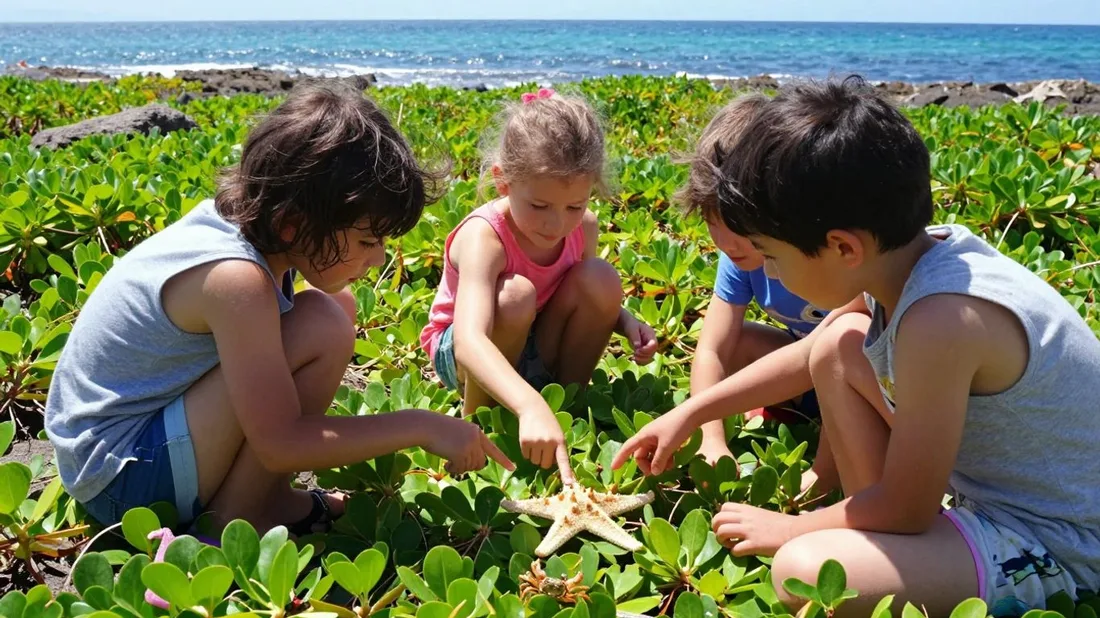
Children and weaker swimmers should use a flotation vest and stay within arm’s reach of an adult; ask operators whether masks and fins come in small sizes and whether boats have a ladder rather than a jump entry.
After booking
Before entering the water, ask the guide or accommodation about current, boat traffic and where the exit points are for that day.
On the day
If wind or current make a site unsuitable, a shallow sandy area or a glass-bottom boat ride can still show the reef without pressure on swimmers or coral.
Use this guide for trip ideas, not a current quotation or a guarantee of access, safety, inclusions or availability. Confirm the requirements and conditions for your dates, destination and provider before booking.