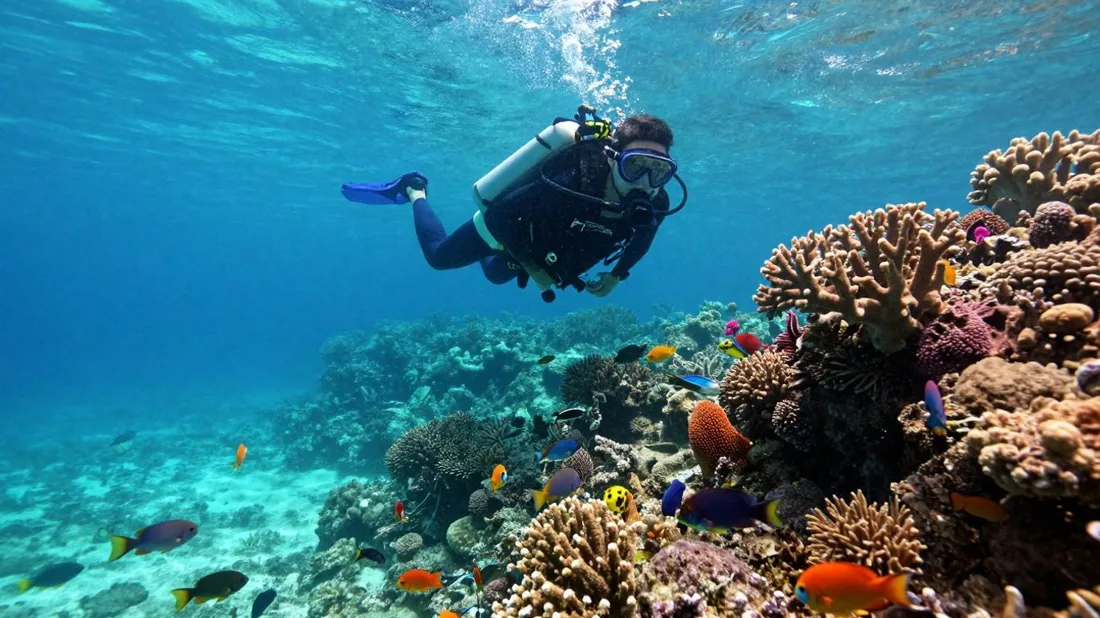
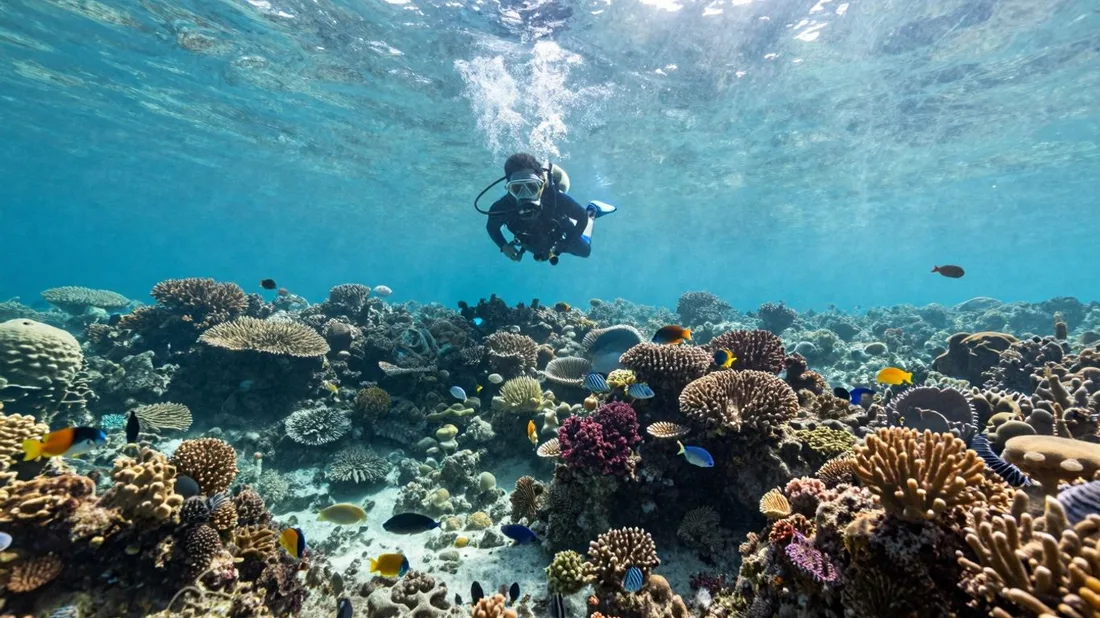
Thinking about a trip to Bora Bora? You've probably seen those amazing photos of people swimming with sharks and stingrays. It's a pretty unique experience, and a big part of what makes Bora Bora so special. But before you jump in, there are a few things to know about Bora Bora shark feeding and the tours that go along with it. It's not just about the thrill; there's a whole lot more to it, from safety to respecting the ocean.
Key Takeaways
Bora Bora offers incredible lagoon tours where you can swim with blacktip reef sharks and stingrays in clear blue waters.
While the idea of Bora Bora shark feeding might sound intense, tours focus on observing sharks in their natural habitat, not actively feeding them.
Safety is important; guides provide tips, and wearing fins can help with currents. Sharks generally keep to themselves.
Beyond sharks, these tours showcase Bora Bora's stunning scenery, including Mount Otemanu, and offer chances to see other marine life like manta rays.
Respecting the marine environment is key, ensuring these animals are not disturbed and their role in the ocean is appreciated.
Understanding Bora Bora Shark Encounters
Swimming with sharks in Bora Bora is a big draw for many visitors, and it's easy to see why. It’s not just about the thrill, though; sharks hold a special place in Polynesian culture, often seen as powerful spirits or guardians of the ocean.
The Allure of Swimming with Sharks
There's something undeniably captivating about the prospect of sharing the water with sharks. It taps into a primal fascination, a mix of awe and a little bit of healthy fear. The clear, warm waters of Bora Bora’s lagoon offer a unique chance to observe these animals in their natural environment, often with incredible visibility. Many people find the experience surprisingly peaceful, a far cry from the aggressive portrayals often seen in movies. It’s a chance to connect with nature on a different level.
Cultural Significance of Sharks in Polynesia
In Polynesian traditions, sharks aren't just fish; they're often revered. They are seen as powerful beings, sometimes even ancestors or protectors. Stories and legends passed down through generations speak of sharks' wisdom and their role in the balance of the ocean. Understanding this cultural context adds another layer to the experience, reminding us that these encounters are happening in a place where sharks have long been respected.
Debates Surrounding Shark Feeding Practices
While shark feeding tours are popular, they do spark some discussion. Some people wonder about the impact of feeding sharks on their natural behaviors and the overall health of the lagoon ecosystem. It's a topic that brings up questions about responsible tourism and how we can interact with wildlife in a way that benefits both visitors and the animals.
Here are a few points often discussed:
Natural Diet: How does supplemental feeding affect what sharks eat naturally?
Behavioral Changes: Does regular feeding alter how sharks behave around humans or other marine life?
Ecosystem Balance: What is the broader impact on the lagoon's delicate balance?
These are complex questions, and ongoing research helps inform how these tours are managed. Many operators focus on providing an educational experience that highlights the importance of sharks in the Bora Bora lagoon .
Choosing the Right Lagoon Tour Operator
When you're looking to swim with sharks in Bora Bora, picking the right tour company makes a big difference. It's not just about seeing the sharks; it's about the whole experience. Some operators focus more on the thrill, while others emphasize education and conservation. Think about what you want most from your trip. Do you want a quick dip with the sharks, or a more in-depth look at the lagoon and its inhabitants? Look for companies that have good reviews, especially ones that mention knowledgeable guides and a focus on safety. It's also worth checking if they offer other activities, like visiting different snorkeling spots or seeing stingrays, as many tours combine these.
What to Expect During a Shark Encounter Tour
Most shark tours start with a boat ride out into the lagoon. You'll likely be picked up from your hotel, which is super convenient. Once you reach the spot, the guides will give you a rundown of what to do. The water is usually quite clear, and you'll see blacktip reef sharks swimming around the boat even before you get in. Don't be surprised if they seem curious; they're often drawn to the boat. When it's time to get in, you'll usually just slip into the water from the boat. The sharks tend to keep their distance, swimming in circles or passing by. It's a lot calmer than you might imagine. After your time in the water, you'll hop back on the boat, and they'll usually have some snacks and drinks ready for you. The whole trip usually takes a few hours.
The Thrill of Swimming with Blacktip Reef Sharks
Swimming with blacktip reef sharks is a pretty unique experience. These sharks are generally quite shy and aren't known for being aggressive towards humans. They're sleek and fast, and seeing them glide through the clear blue water is really something else. You'll often see them in groups, cruising around the coral. It's a chance to see them in their natural home, not in an aquarium. The guides usually point out their behavior and help you feel more comfortable. It’s a moment where you feel really connected to the ocean.
Here's a quick look at what you might encounter:
Blacktip Reef Sharks: The stars of the show, usually seen in shallow to medium depths.
Stingrays: Often found gliding along the sandy bottom, they're gentle giants.
Tropical Fish: Expect a rainbow of colorful fish darting around the coral.
Safety Considerations for Shark Interactions
Jumping into the water with sharks might sound a little wild, and honestly, it can be if you're not prepared. But with a few pointers, you can feel a lot more at ease. The guides usually have things under control, but it's good to know a bit yourself.
Essential Safety Tips for Swimming with Sharks
When you're in the water, remember a few key things. Try to keep a calm demeanor; sharks often react to your energy. It's not about being fearless, but about showing you're not a threat or easy prey. It's all about respecting their space and letting them be.
Stay aware of your surroundings: Always know where the boat is and keep it in sight.
Avoid sudden movements: Thrashing around can attract unwanted attention.
Don't wear shiny jewelry: This can mimic fish scales and attract curious sharks.
Listen to your guide: They know the local sharks and their habits.
Understanding Shark Behavior in Their Natural Habitat
Sharks in Bora Bora's lagoon, especially the blacktip reef sharks you'll likely see, are generally quite docile. They're used to boats and people. They can sense electrical fields, which is why they might approach the boat when it arrives. Once you're in the water, they often just cruise around, minding their own business. They aren't typically looking for a meal when people are around; they're more interested in the food being offered by the guides. It's a different scenario than what you might see in movies.
The Role of Fins and Life Jackets
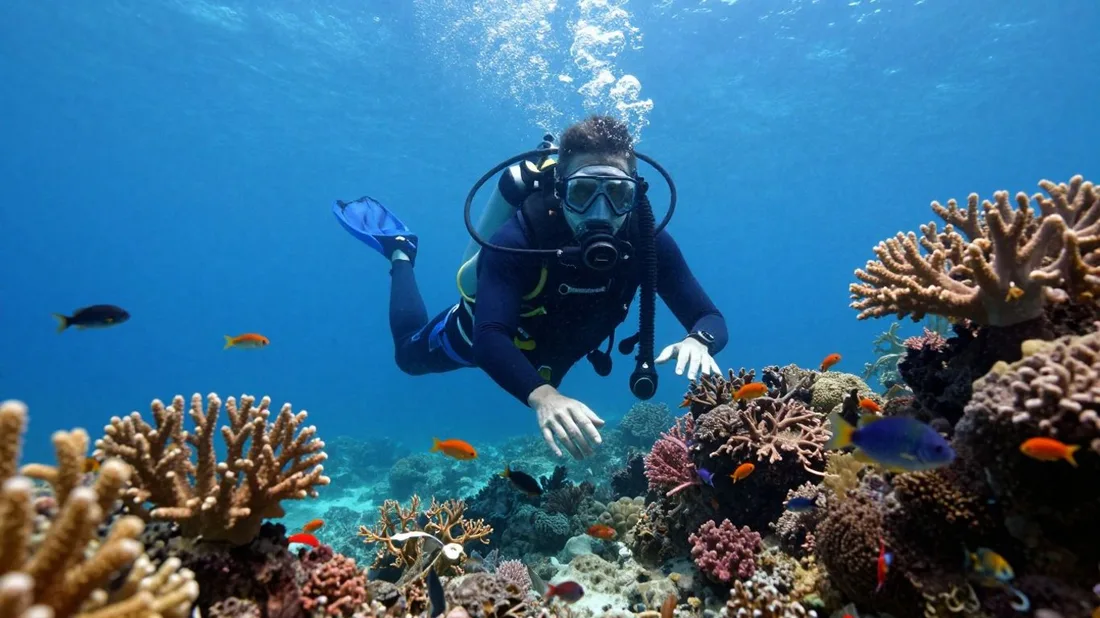
If you're comfortable wearing them, fins can be a real help. The currents in the lagoon can sometimes be a bit stronger than you expect, especially near passes. Fins give you more control and help you conserve energy, making it easier to get back to the boat if needed. Most tours provide them, along with snorkel gear. Life jackets are also usually available, which can add an extra layer of security if you're not a strong swimmer or just want that added peace of mind. It's always good to know that these safety items are available on tour if you need them.
Beyond the Sharks: The Bora Bora Lagoon Experience
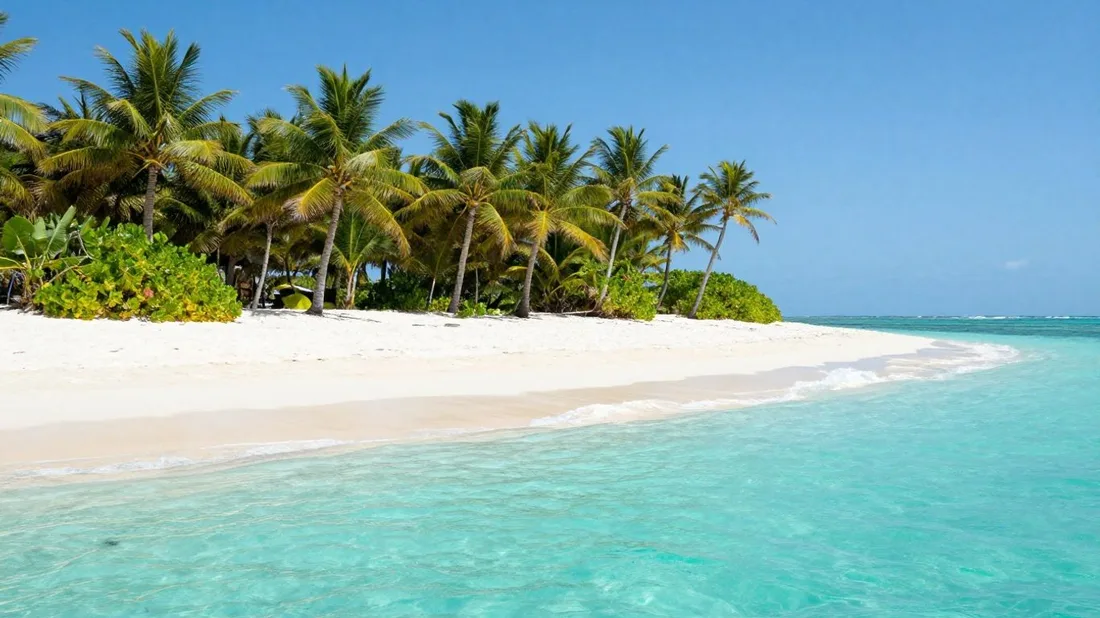
While the sharks are definitely a huge draw for many visitors to Bora Bora, the lagoon itself offers so much more. It's easy to get caught up in the thrill of swimming with these amazing creatures, but don't forget to soak in the rest of what this incredible place has to offer. The water here is something else, truly. It shifts through so many shades of blue, it's like looking at a painter's palette. And then there's the iconic Mount Otemanu, rising majestically from the center of the island. Seeing it from the water, with the lagoon stretching out around it, is just breathtaking. Seriously, it's a view that sticks with you.
Most lagoon tours will take you to a few different spots, and each one is special in its own way. You'll find yourself surrounded by vibrant coral and a dizzying array of fish. It's a whole other world down there.
Breathtaking Views of Mount Otemanu
Mount Otemanu is the big, dramatic peak you see in all the postcards, and for good reason. It's the remnant of an ancient volcano, and its sheer size and beauty are hard to describe. When you're out on the lagoon, especially on a clear day, the views of Otemanu are just spectacular. It really makes you appreciate the dramatic landscape of Bora Bora.
Exploring Multiple Snorkeling Spots
Your typical lagoon tour isn't just about one stop. You'll usually visit a few different areas, each offering a unique underwater scene. One spot might be shallower, perfect for getting comfortable with the water and seeing lots of smaller fish darting around. Another might be a bit deeper, with more coral formations where larger fish like to hang out. It’s a great way to see the variety of life in the lagoon.
Here's a general idea of what you might encounter at different spots:
Shallow Reefs: Expect colorful corals, small reef fish like butterflyfish and angelfish, and maybe even some sea turtles if you're lucky.
Coral Gardens: Areas with dense coral structures that provide shelter and food for a wide variety of marine life.
Interacting with Graceful Stingrays
Besides the sharks, the stingrays are another highlight for many. They are surprisingly gentle and curious creatures. You'll often see them gliding along the sandy bottom or through the water with an almost effortless grace. It’s quite a sight to watch them move. Just remember to give them their space and admire them from a respectful distance.
Historical Bans on Shark Feeding
Shark feeding tours, while a draw for many tourists seeking an adrenaline rush, have a complex legal history in French Polynesia. Back in 1997, a ban was put in place across the territory, largely in response to incidents that occurred in other locations like Moorea. This ban aimed to address concerns about altering natural shark behavior and potential risks to both humans and the animals. It's a topic that sparks ongoing discussion, balancing the desire for unique tourist experiences with conservation and safety.
Impact on Tourism and Local Practices
When shark feeding was more common, it was a significant draw for visitors. Some tour operators even noted a drop in bookings when restrictions tightened. For generations, local Polynesian culture has held a deep respect for sharks, often viewing them as ancestral protectors. The practice of feeding, for some, was seen as a continuation of this relationship. However, the legal restrictions mean that operators now focus more on observing sharks in their natural environment rather than actively feeding them during tours. This shift has required adjustments in how excursions are presented and experienced.
Current Regulations and Debates
Today, the regulations around shark feeding can be a bit nuanced. While direct, intentional feeding by tour operators might be restricted or prohibited in certain areas to prevent habituation and potential danger, the lines can sometimes blur. Some tours might still use bait to attract sharks for viewing, which can be a point of contention. The debate continues between those who advocate for stricter controls to protect marine life and ensure public safety, and those who believe that traditional practices and controlled interactions can coexist. The primary goal is to ensure the well-being of both the sharks and the people who come to admire them.
Observation over Interaction: Current tours often emphasize observing sharks in their natural habitat rather than direct feeding. This allows visitors to witness their behavior without interfering with their natural hunting patterns.
Cultural Context: Understanding the historical and cultural significance of sharks in Polynesian society adds another layer to the ongoing discussions about how best to interact with these animals.
Exploring the vibrant Bora Bora lagoon offers a chance to see these magnificent creatures, but always with an eye towards respecting their environment and the regulations in place.
Preparing for Your Underwater Adventure
So, you're gearing up for an unforgettable trip to Bora Bora and the thought of swimming with sharks has you buzzing? Awesome! But before you jump in, let's talk about getting ready. It’s not just about packing your swimsuit; a little preparation goes a long way to making this experience safe and totally awesome.
What to Bring on Your Lagoon Tour
Packing smart means you can focus on the amazing sights. Here’s a quick rundown of what you’ll want to have with you:
), a wide-brimmed hat, and sunglasses. The sun out there is no joke, and you don't want to be dealing with a burn while you're trying to spot sharks.
Waterproof Camera or Phone Case: You'll absolutely want to capture these moments. Make sure your gear is ready for the water, whether it's a dedicated underwater camera or a reliable case for your phone.
Towel and Change of Clothes: After a dip in the lagoon, a dry towel is a lifesaver. Having a fresh set of clothes for the ride back to your hotel makes the transition much more comfortable.
A Sense of Adventure: This is the most important item!
Understanding Water Conditions and Currents
Bora Bora's lagoon is generally calm, but it's always smart to be aware of what's happening with the water. Your tour operator will be the best source for real-time information, but generally speaking:
Lagoon vs. Ocean: The lagoon itself is protected by a coral reef, which means the water inside is usually quite placid. This makes it ideal for swimming and snorkeling.
Your guides are experts at choosing spots with minimal current and will brief you on any conditions to be aware of. They know how to keep you safe, so listen up!
Water Temperature: Expect warm, tropical water year-round. It's usually so pleasant you might forget you're even in the water!
Capturing Memorable Shark Photos and Videos
Getting those epic shots of your shark encounter is a big part of the fun for many. Here are a few pointers to help you get the best possible footage:
Practice with Your Gear: If you're using a new camera or phone case, test it out beforehand. Get comfortable with the settings and how to operate it underwater.
Stay Steady: When you're in the water, try to remain as calm and steady as possible. Sudden movements can startle marine life and make it harder to get clear shots. A stable hand makes for a much clearer picture.
Focus on the Action: Don't just point and shoot. Try to anticipate where the sharks might swim and position yourself to capture their movement. Sometimes, the best shots happen when you least expect them, so keep your camera ready!
Respect the Wildlife: Remember, you're a guest in their home. Let them come to you, and capture the natural behavior. You can find some great tips for responsible wildlife photography on various conservation sites .
By taking a little time to prepare, you'll be all set for an incredible adventure in Bora Bora's stunning lagoon.
Encountering Diverse Fish Species
Bora Bora's lagoon is like a giant, natural aquarium, absolutely packed with all sorts of fish. You'll see them everywhere, from the shallows near the shore to the deeper parts of the reef. Think schools of tiny, brightly colored fish darting around, and larger ones cruising by. It’s pretty amazing how many different kinds there are, all living together. You might spot parrotfish munching on coral, or angelfish with their striking patterns. The sheer variety is what makes snorkeling here so interesting. It’s a constant visual feast.
The Majesty of Manta Rays
While you're out on the water, especially in certain spots, you might get lucky and see manta rays. These are huge, graceful creatures that glide through the water. They're much bigger than the sharks you'll see on the tours, and watching them move is something else. They have these wide wingspans and just sort of float along. It’s a really special sight if you happen to catch one.
Observing Sharks in Their Environment
Of course, the main event for many is seeing the sharks. The blacktip reef sharks are the most common ones you'll encounter on the tours. They're usually pretty curious but also a bit shy. They tend to hang around the sandy bottoms or near the coral. It’s fascinating to watch them swim; they move with this effortless power. You'll also see them interacting with the other fish. It’s a chance to see them as they are, not in a zoo or aquarium. You can find more information about marine conservation in places like the Cook Islands .
Logistics and Amenities on Tour
When you book a shark feeding tour in Bora Bora, the tour operator handles a lot of the details so you can just relax and enjoy the experience. Most companies provide hotel pick-up and drop-off, making the whole day feel pretty effortless. It’s a nice touch that saves you the hassle of figuring out transportation to and from the marina.
Once you're out on the water, expect to be well taken care of. Refreshments are usually part of the package, and they often include local fruits and sometimes even some baked goods like coconut bread. It’s a great way to refuel after a morning of swimming and exploring the lagoon. The boats themselves are typically equipped for comfort, often featuring Polynesian artwork and sometimes even an outrigger for stability. You'll find all the gear you need, like snorkel masks, fins, and life jackets, readily available on board.
Here’s a quick rundown of what you might find:
Transportation: Round-trip transfers from your hotel.
Refreshments: Water, juice, and often local snacks like fruit platters.
Equipment: Snorkel gear (masks, snorkels, fins) and life vests.
Boat Comfort: Shaded areas, seating, and sometimes even a small restroom.
Some tours might offer slightly different amenities, so it's always a good idea to check with your chosen operator beforehand. But generally, they aim to cover all the bases so your only job is to have an amazing time.
Maintaining a Sense of Awe and Respect
These creatures have been around for ages, long before we were. When you're out there, just take a moment to soak it all in. The sheer number of fish, the way the sharks move, it’s pretty wild. Try to keep that feeling of wonder with you the whole time. It’s not just about getting a cool photo; it’s about experiencing something truly natural and powerful.
The Importance of Not Disturbing Marine Life
When you're in the water, whether you're with sharks, rays, or just a bunch of colorful fish, the golden rule is: look, don't touch. Seriously, don't try to pet the sharks or chase the rays. They're not pets, and they have their own lives to live. Even small actions, like kicking up too much sand or touching coral, can mess things up for them. Think about it – you wouldn't want someone barging into your house and rearranging your furniture, right? It’s the same idea here. We’re visitors in their world.
Here are a few things to keep in mind:
Keep your hands to yourself: No touching the marine life, no matter how tempting.
Watch your fins: Try not to kick up the seabed or bump into coral.
Don't feed the wildlife (unless instructed by your guide): Feeding can alter their natural behaviors and diets.
Stay calm: Sudden movements can startle or stress the animals.
Understanding the Sharks' Role in the Ocean
Sharks often get a bad rap, but they’re actually pretty vital to keeping the ocean healthy. They’re like the ocean’s cleanup crew, helping to keep fish populations in check and removing sick or weak animals. This helps maintain a balance in the marine environment. Without them, the whole system could get out of whack. So, when you see them, remember they’re not just scary predators; they’re an important part of the ocean’s intricate web of life. Learning about their role can really change how you see them, and it’s a big part of why exploring places like Bora Bora's Shark Sandbank is so special.
Wrapping Up Your Bora Bora Shark Adventure
So, you've seen the stunning blues of Bora Bora's waters and maybe even felt the thrill of swimming alongside its famous blacktip reef sharks. It's a pretty unique experience, right? After all the excitement, you'll likely head back to your hotel with some great photos and even better stories. Remember to take a moment to appreciate these amazing creatures and the beautiful place they call home. It's definitely a highlight that makes any trip to Bora Bora truly unforgettable.
Is swimming with sharks in Bora Bora safe?
Yes, swimming with sharks in Bora Bora is generally safe, especially when you go with a reputable tour operator. The tours usually focus on blacktip reef sharks, which are known to be quite gentle. Always listen to your guide's instructions to ensure a safe and enjoyable experience.
What kind of sharks will I see in Bora Bora?
The most common sharks you'll encounter on tours are blacktip reef sharks. You might also see lemon sharks in certain areas. These sharks are usually found in the shallow, clear waters of the lagoon.
Do I need to know how to swim well to join a shark tour?
While strong swimming skills are helpful, most tours provide life jackets and snorkeling gear, making it accessible even for those who aren't expert swimmers. The guides are there to help you feel comfortable and safe in the water.
What should I bring on a shark excursion?
It's a good idea to bring sunscreen, a hat, sunglasses, a towel, and a waterproof camera to capture the amazing sights! Most tours provide the snorkeling equipment, but you might want to bring your own if you have a specific preference.
Can I feed the sharks during the tour?
Shark feeding tours have been banned in French Polynesia for safety and environmental reasons. The focus is on observing sharks in their natural habitat, not on feeding them. You will, however, often get to feed stingrays!
What is the best time of year for a shark tour in Bora Bora?
Shark encounters are possible year-round in Bora Bora. The water temperature remains warm throughout the year, making it a great destination anytime. Peak tourist seasons might mean more crowded tours, though.
What's the difference between shark feeding tours and shark encounter tours?
Shark feeding tours, which are now banned, involved actively feeding sharks. Shark encounter tours are about observing sharks in their natural environment, often in areas where they naturally gather.
Besides sharks, what other marine life can I see?
Bora Bora's lagoons are rich with marine life! You'll likely see beautiful stingrays, a wide variety of colorful tropical fish, and sometimes even majestic manta rays. It's a fantastic opportunity to experience the underwater world.
Confirm current details
Ask the operator what its current practices are for feeding, distance and in-water conduct, and confirm departure times before booking.