This guide helps travelers match French Polynesia’s varied beaches to the traveler’s priorities.
Why this deserves a place in the plan
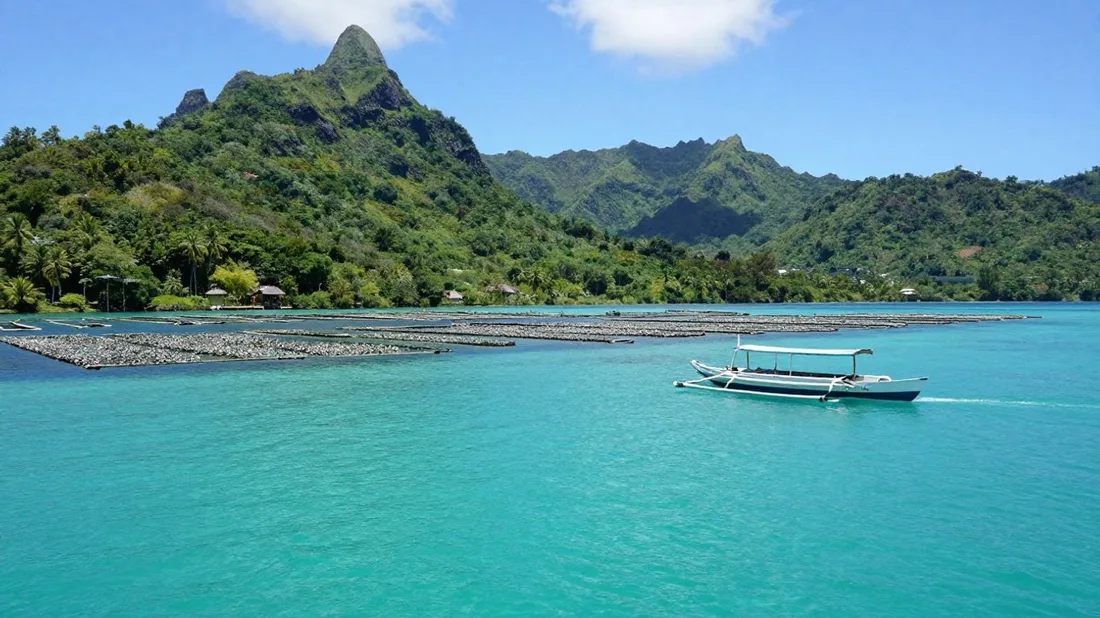
Beaches differ across the archipelagos. Travelers will find white or pink coral sand, darker volcanic sand, reef-fringed lagoons and exposed ocean shores; access and swimming conditions vary.
Choose the experience first
Choose the island first, then the shoreline. Consider swimming ability, children, snorkeling interest, shade, facilities and whether a resort or excursion controls access.
Build it into the itinerary
Plan beach time around daylight and current conditions rather than a fixed promise. Carry water, sun protection and footwear suited to coral rubble or hot sand.
Pick beach days to match the base island: Bora Bora and Moorea have resort and lagoon beaches, the Tuamotu atolls offer pink-sand and motu shorelines, and Tahiti adds black-sand beaches on its coast.
Details to verify before booking
Confirm access, transport, tides, warnings and equipment locally. Ask accommodations which nearby areas are appropriate for the group on that day.
Beaches island by island
Most of the famous sand in French Polynesia sits on lagoons rather than open ocean, and much of the shoreline belongs to resorts or private landowners. Knowing which beaches are public, and how to reach the rest, saves a lot of disappointment.
Tahiti: black sand and local favourites
Pointe Vénus in Mahina, on the north coast, is where Captain Cook observed the transit of Venus in 1769. Its black volcanic sand turns the water a deep green, and the reef is close enough for snorkeling. Lafayette Beach in Arue is another black-sand favourite. On the west coast, Vaiava Beach in Punaauia, known as PK18, has white sand, clear water, a picnic area and paddleboard and kayak rental. Tahiti Tourisme advises going early, since Tahiti’s beaches get busy, especially at weekends. More detail is on our Tahiti beaches page.
Moorea: public beaches with facilities
Temae, near the airport, is a long stretch of white sand that is good for swimming and snorkeling. Ta’ahiamanu, on the north side of Opunohu Bay, has parking and a picnic area, and Tiahura has shade and picnic tables popular with local families. Tipaniers beach in the northwest faces a sandbank where rays and blacktip reef sharks gather; access is through the Les Tipaniers hotel. West-coast beaches get the sunsets.
Bora Bora: Matira and the motu
Matira, on the southern tip of the main island, is Bora Bora’s main public beach: shallow, sandy and lined with places to rent kayaks and paddleboards. Most other beaches belong to resorts on the motu and are reserved for guests, so for other shorelines book a lagoon tour with a motu picnic. Our Bora Bora beaches guide goes further.
Maupiti and the Tuamotu atolls
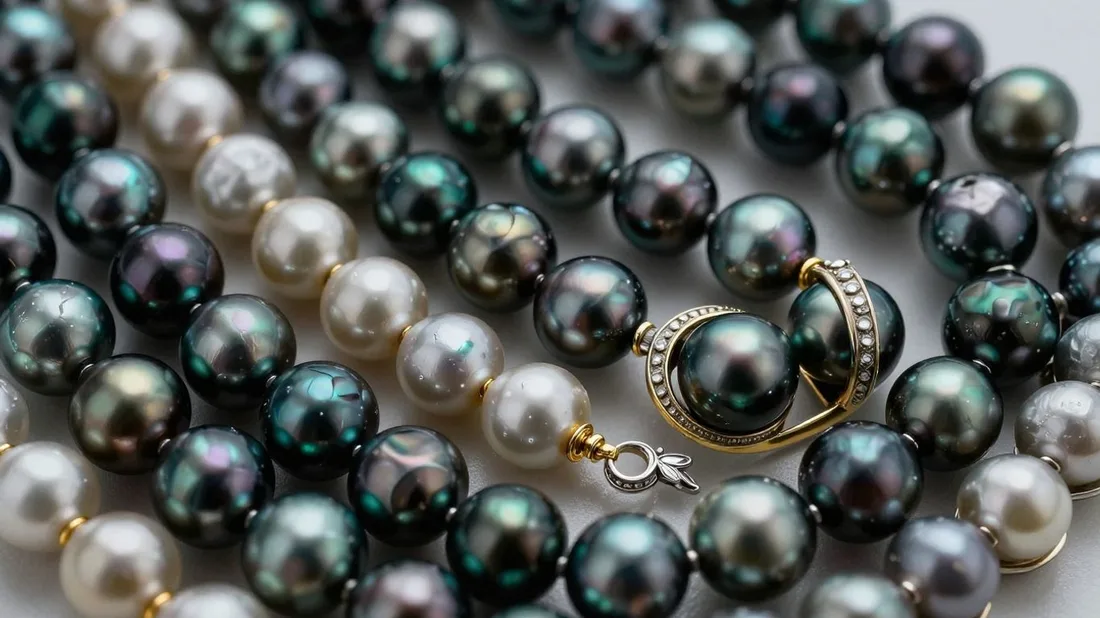
Tereia Beach on Maupiti looks across the lagoon to Motu Auira, and at low tide you can wade across, as Tahiti Tourisme describes. Ask locally about the tide and current before setting out. In the Tuamotus, the pink colour on beaches at Tikehau and Rangiroa comes from the shells of tiny foraminifera. Rangiroa’s Les Sables Roses sandbank is a little over an hour by boat from Avatoru, according to Tahiti Tourisme’s pink-sand guide, so it is reached on a day excursion, and the time ashore depends on the weather.
| Beach | Island | Sand | Access |
|---|---|---|---|
| Pointe Vénus | Tahiti | Black | Public, north coast, Mahina |
| Vaiava (PK18) | Tahiti | White | Public, west coast, Punaauia |
| Temae | Moorea | White | Public, near the airport |
| Ta’ahiamanu | Moorea | White | Public, Opunohu Bay, parking and picnic area |
| Matira | Bora Bora | White | Public, southern tip of the main island |
| Tereia | Maupiti | White | Public; wade to Motu Auira at low tide in calm conditions |
| Les Sables Roses | Rangiroa | Pink | Boat excursion from Avatoru |
| Lagoon motu | Tikehau | Pink and white | Lagoon boat excursions |
Reading the conditions
Inside the reef the water is usually calm and warm all year, about 27 to 29°C. The exceptions are near the passes, where the lagoon drains to the ocean and currents can be strong, and on unprotected ocean-facing shores. The Government of Canada notes that lifeguards don’t usually supervise beaches, that riptides are common with tidal changes, and that reef shoes help protect against coral cuts and stonefish. The side of an island sheltered from that day’s wind is generally the more comfortable one for a swim.
On the high islands, avoid swimming near river mouths after heavy rain, when runoff clouds the water. Most public beaches have parking and toilets, with a snack bar nearby, but shade can be scarce, so bring a hat and water. Many motu and coastal plots are family land: land only where you are welcome, or go with an operator who has an arrangement. Sandbar and motu outings are covered in our guide to sandbar excursions.
Public beaches are shared spaces for local families, especially at weekends and in school holidays, when picnics, music and children fill the sand. A greeting of ’ia ora na (hello) and māuruuru (thank you) is appreciated. Leave pink sand, shells and coral where you find them, take rubbish away with you, and keep music and drones away from other people’s picnics.
Make the visit respectful
Protect dunes and vegetation, never remove coral or shells where prohibited, and give marine animals space. Leave the shoreline as it was found.
Common planning mistakes
Avoid selecting a trip from beach color alone. Images can hide difficult entry, limited shade, private access or seasonal changes.
Accessibility and individual needs
For children or less confident swimmers, ask about shallow sandy entries and whether any lifeguard or supervision exists, which is uncommon on many island beaches.
After booking
Ask the accommodation each morning which nearby shoreline is calm and open, because wind direction can change which beach is comfortable for swimming.
On the day
When the ocean side of an island is rough, a sheltered lagoon beach or a shaded picnic spot can replace the planned swim.