Thinking about snapping some amazing photos under the waves in Tahiti? It's a pretty cool idea. You get to see all sorts of fish and maybe even some sharks or rays up close. It’s not just about pointing a camera and clicking, though. You'll want to think about what gear to bring and how to actually get those shots to look good. This guide is here to help you figure all that out, so you can bring home some truly memorable pictures from your trip.
Key Takeaways
Get the right gear, like a GoPro with a special lens, or even fancier camera setups with waterproof cases and lights, to capture clear underwater shots.
Tahiti's waters are home to lots of cool sea life – think sharks, rays, and colorful fish. Knowing where and when to find them will help you get great photos.
Playing with light is a big deal. Sometimes natural light works best, but bringing underwater lights or flashes can make your photos of sharks and other animals really stand out.
Don't be afraid to try different spots. Places like Moorea and Bora Bora have unique underwater areas, from calm lagoons to reefs, each offering different photo opportunities.
Being patient and observing marine animals is key. Getting close to rays or waiting for turtles to pose might take time, but it leads to the best pictures.
Capturing Tahiti's Underwater Wonders
Tahiti's waters are absolutely brimming with life and color, making it a dream spot for anyone wanting to snap some amazing photos beneath the waves. It’s more than just taking pictures; it’s about freezing a moment of pure magic, a memory you can hold onto long after you’ve dried off. Whether you're a seasoned pro or just starting out with a simple camera, the opportunities here are incredible.
Immortalize Your Polynesian Adventure
Think about it: you're in one of the most beautiful places on Earth, surrounded by vibrant coral and fascinating creatures. Why not capture that? An underwater photoshoot can turn your vacation into something truly special. It’s a chance to get some unique shots, maybe even with you in them, looking like you belong in a magazine. It’s a way to really remember your trip, not just with souvenirs, but with images that tell a story. You can even get professional help for this, like Alika Photo, who has been shooting in Polynesia for over 20 years. They offer different packages, some including a set number of edited photos, which is pretty neat.
Choosing Your Underwater Photography Location
Not all spots are created equal when it comes to getting good shots. Some areas are known for specific animals, while others offer clearer water or more interesting coral formations. For instance, if you're hoping to see rays and sharks, certain lagoons are famous for them because they're often fed there. You might find yourself swimming with them, getting really close. It’s important to pick a location that matches what you want to photograph. Some places are protected marine areas, which means lots of healthy life. Others might be more accessible, like shallow snorkeling spots that are like natural aquariums. The key is to research a bit or ask locals where the best action is.
Timeless Moments in Crystal-Clear Lagoons
What makes Tahiti so special for photos is the water clarity. On a good day, it’s like looking through glass. This makes everything pop – the blues of the water, the bright colors of the fish, the textures of the coral. You can get shots that look almost unreal. Even with basic gear, like a GoPro and a special lens to fix how water bends light, you can come away with some fantastic images. The interplay of sunlight filtering through the water creates a natural spotlight that’s hard to beat. It’s these moments, when the light is just right and the marine life is active, that you’ll want to capture. It’s about being patient and ready when nature puts on its show. You might even find yourself wanting to go back for more, just to try and get that perfect shot, like some people do when photographing the unique blue-eyed eels in Faie.
Essential Tahitian Underwater Photography Gear
Alright, so you're heading to Tahiti and want to snag some killer underwater shots. You don't need to break the bank, but having the right tools makes a huge difference. A good setup can turn a decent memory into a postcard-worthy image.
GoPro and Specialized Lenses
For a lot of folks, a GoPro is the go-to. They're tough, easy to use, and capture pretty wide-angle views, which is great for those big reef scenes or when you're trying to get a bit of the surface and underwater action in one frame. But, if you're serious about getting clear shots, especially when you've got part of your camera above water and part below, you'll want a specialized lens. These help fix the weird distortion that water can cause, making your images look much more natural. It’s a pretty affordable way to step up your game compared to a whole professional setup.
Professional Camera Housings and Domes
Now, if you're bringing a serious camera, like a DSLR or mirrorless, you absolutely need a proper underwater housing. These aren't just waterproof bags; they're precision-engineered cases that let you control all your camera's buttons and dials while keeping it bone dry. For wide-angle shots, especially those split-level (half-in, half-out of the water) photos, a dome port is your best friend. It helps correct for the magnification effect of water, giving you sharper, clearer images.
Underwater Strobes for Enhanced Lighting
Tahiti's waters are usually clear, but light still gets tricky the deeper you go. Ambient light alone can make colors look a bit dull, especially reds and oranges. That's where strobes come in. These are basically underwater flashes. Using strobes brings back those vibrant colors and adds a pop to your subjects, making them stand out from the background. They're particularly helpful when you're shooting faster-moving subjects like sharks, giving you that crisp, well-lit look.
Focus Lights for Deeper Dives
While strobes are great for lighting up the scene, a focus light is a smaller, continuous light source. It's not powerful enough to light up a whole reef, but it's perfect for helping your camera's autofocus system lock onto your subject in low-light conditions. This is super handy when you're trying to photograph shy critters or when you're exploring deeper areas where natural light is scarce. It just helps ensure your shots are sharp and in focus, which is half the battle underwater.
Wildlife Encounters for Stunning Shots
Tahiti's waters are teeming with life, and getting those incredible shots of marine creatures is a huge part of the fun. It’s not just about pointing your camera; it’s about understanding their behavior and being in the right place at the right time.
Swimming with Reef Sharks and Rays
Many spots around Tahiti, especially protected areas, are fantastic for seeing reef sharks and rays. They often hang around feeding areas, so boats bringing food can be a good indicator. Don't be shy, but also be respectful. Rays can be quite curious and might even swim right up to you, especially if they associate you with food. Sharks, while often misunderstood, are usually more interested in their own business, but getting a good shot means being steady and patient. The key is to approach them calmly and let them come to you if they choose.
Interacting with Curious Manta Rays
Manta rays are just majestic, aren't they? Seeing them glide through the water is something else. They often circle in certain areas, and if you're lucky, they might come quite close. It’s a real thrill when one swoops in, showing off its massive mouth. Having your camera ready and settings dialed in for quick action is a good idea here. Sometimes they’ll swim right past you, giving you a chance for a really dramatic photo.
Photographing Expressive Dogfish Sharks
Dogfish sharks are a bit different. While many fish look pretty blank, these guys seem to have a bit more character in their faces. Getting a good shot of one can be a fun challenge. They might be a little deeper, so you’ll need to be comfortable with your gear and perhaps your buoyancy. Sometimes you just have to take a lot of pictures to get that one perfect expression.
The Enigmatic Blue-Eyed Eels of Faie
Now, these are something special. The blue-eyed eels in Faie are known for being super friendly and coming right up to you as soon as you enter the water. It’s a unique experience. The water can sometimes be a bit murky, and the bottom might not be the prettiest, which can make photography tricky. You might need to try different approaches, maybe using ambient light on some days and strobes on others, to see what works best for capturing these fascinating creatures. It often takes a few tries to get the shot you’re hoping for.
Be patient and observe their behavior.
Maintain a safe distance, especially with sharks.
Adjust your settings based on light and subject.
Consider using strobes for better color and detail, but know when ambient light is better.
Techniques for Memorable Underwater Photos
Getting those shots that really pop underwater takes a bit of know-how. It's not just about pointing and clicking; you've got to think about the light, the water, and what you're trying to capture. Mastering these techniques will make your underwater photos stand out.
Mastering Ambient Light Photography
Sometimes, the natural light filtering down from the surface is all you need. This works best in shallow, clear water where the sun's rays can reach. You're aiming to capture the blues and greens of the water and the natural colors of the reef or marine life. It's about working with what you've got, letting the environment dictate the mood. Think about shooting upwards to catch those sunbeams – they can add a real sense of magic to your images.
The Impact of Strobes on Shark Photography
When you're photographing sharks, especially in darker or murkier conditions, strobes can be a game-changer. They add a burst of light that can bring out the details and texture of the shark's skin, making it pop against the background. Without them, sharks can sometimes blend into the blue. It's a balancing act, though; you don't want to overdo it and blow out the highlights. A good starting point is to keep your strobe power relatively low and adjust as needed. Experimenting with strobe placement can also make a big difference in how the light hits your subject.
Shooting in Varied Water Conditions
Tahiti's waters can change. One day might be crystal clear, the next a bit silty, especially after rain or near river mouths. When the water's not perfect, you have a few options. You can try to get closer to your subject to minimize the amount of water between your lens and them. This reduces the effect of particles scattering the light. If you're shooting in darker conditions or deeper water, you might need to rely more on artificial light, like strobes or focus lights, to get a clear image. Don't be afraid to adjust your settings – a slightly higher ISO or a wider aperture might be necessary.
Iterative Improvement for the Perfect Shot
This is where the real magic happens. You take a shot, you look at it, you figure out what could be better, and then you try again. Maybe the lighting wasn't quite right, or the composition felt off. Go back, adjust your settings, change your angle, or wait for the animal to move into a better position. It might take a few tries, or even a few different sessions, to get that shot you're dreaming of. It's a process of learning and adapting. Don't get discouraged if your first attempt isn't perfect; every shot is a step towards a better one.
Here's a quick rundown of things to consider:
Subject Distance: Get as close as you can without disturbing the marine life.
Light Source: Decide if natural light is enough or if you need strobes.
Water Clarity: Adjust your technique based on how clear the water is.
Camera Settings: Be ready to tweak your shutter speed, aperture, and ISO.
Navigating Tahiti's Dive Sites
Tahiti and its surrounding islands offer a bunch of amazing spots for underwater photography, each with its own vibe and critters. You've got everything from protected lagoons to open reefs, so there's really something for everyone, whether you're just starting out or you've been doing this for years.
Diving in Moorea's Marine Protected Areas
Moorea is a real gem, especially its marine protected areas like the Tiahura Marine Park. Think crystal-clear waters and a fantastic chance to see reef sharks and rays up close. They don't fence the animals in; it's just an area where fishing is banned, so the wildlife feels right at home. You'll often see sharks and rays coming right up to the boats because they know food is coming. It's a pretty reliable way to get some great shots. The colors here are just incredible, with the sea and sky putting on a show.
Reef Sharks: Expect to see blacktip reef sharks, often drawn in by feeding.
Rays: Stingrays are common and can be quite curious, sometimes even trying to climb on you for food!
Fish: A wide variety of colorful reef fish are always around.
Exploring Bora Bora's Lagoon and Reefs
Bora Bora is famous for its luxury, but you can totally experience its underwater world without breaking the bank. The lagoon is where you'll likely find manta rays, and if you're patient, they might just come right up to you. The trick here is to get down low on the reef and wait calmly; these gentle giants are curious and often investigate.
Manta Rays: Look for them in the lagoon, especially during certain seasons. Patience is key for good encounters.
Eagle Rays: Also spotted in the lagoon, though conditions can sometimes make them tricky to photograph.
Lagoon Life: Plenty of smaller fish and coral formations make for interesting shots.
While the lagoon offers unique encounters, the outer reefs might not be as spectacular as other islands, but they still provide a good experience, especially for shark sightings.
Snorkeling the Natural Aquarium
Moorea also boasts a spot called the Lagoonarium, which is basically a natural aquarium. It's a fantastic place for snorkeling, easily reached by a short boat trip from a motu. They often have feeding sessions that bring in tons of fish, blacktip sharks, and stingrays. It's a fun half-day activity, perfect if you want a concentrated dose of marine life without needing full scuba gear. It's a great option for a quick, high-action photo session.
Huahine's Laid-Back Underwater Vistas
Huahine offers a more relaxed pace, and while the diving might be a bit easier, the underwater photography opportunities are still really cool. The island has a wonderfully chill, non-touristy feel that extends to its underwater scenes. You might not find the sheer volume of action as in some other spots, but the tranquility allows for different kinds of shots, focusing on the natural beauty and perhaps some unique coral formations or less common fish.
Coral Gardens: Explore vibrant coral structures.
Smaller Reef Fish: Capture the diversity of smaller, colorful species.
Peaceful Encounters: Enjoy a less crowded, more serene underwater environment.
Alika Photo: Artistic and Relaxed Sessions
If you're looking to capture some truly special memories from your trip, consider hiring a local photographer. Alika Photo, run by Alexandre COIA, has been documenting the beauty of Polynesia for over two decades. He uses professional gear, including housings and dome ports, to shoot both fully and partially submerged sessions in the lagoons and ocean. His style is described as artistic yet laid-back, meaning each shoot can be customized to whatever vibe you're going for – be it energetic, magical, or just plain fun. He offers packages, like the "Manta" package, which includes ten edited photos for a lasting memento of your adventure. It's a great way to get unique shots you might not capture on your own, especially if you're interested in specific marine life encounters. You can find him based in Tahiti but he also works in Moorea.
Tailoring Your Shoot to Your Desires
When you book a session with a Tahitian photographer, you're not just getting someone to point and shoot. You're collaborating to create a visual story of your time in paradise. Think about what you want to highlight: is it the vibrant coral reefs, the graceful dance of manta rays, or perhaps the thrill of swimming alongside reef sharks? Communicating your vision beforehand is key. Some photographers are happy to work with your specific requests, whether that means focusing on portraits, action shots, or a mix of everything. It's about making the experience yours.
Here’s a quick rundown of what to discuss:
Location: Where do you want to shoot? Lagoon, open ocean, specific reef?
Subject: What marine life are you hoping to see and photograph?
Style: Do you prefer candid shots, posed portraits, or action sequences?
Output: How many edited photos do you expect, and in what format?
Understanding Photography Packages
Photography packages can vary quite a bit, so it's wise to understand what's included. Some might offer a set number of edited digital images, while others might include prints or even video clips. Prices can range significantly based on the photographer's experience, the duration of the shoot, and the number of final images you receive. For instance, a package might cover a two-hour session and deliver 15 high-resolution, retouched photos. It’s always a good idea to clarify the turnaround time for receiving your photos, especially if you want them before you leave the islands. This way, you can plan accordingly and know exactly what to expect from your investment in capturing your Polynesian adventure .
Tips for Photographing Marine Life
Getting those amazing underwater shots in Tahiti is all about knowing your subjects and being ready. It’s not just about pointing and shooting; you’ve got to be a bit of a detective and have some patience.
Getting Close to Rays and Sharks
When you're out with the rays and sharks, especially in spots where they're used to boats and food, they can be surprisingly approachable. The key is to be calm and let them come to you. Don't chase them; that just scares them off. If you're lucky enough to be on a tour that feeds them, that's your golden ticket. They'll often swim right up, sometimes so close you can almost feel their velvety skin. For sharks, especially reef sharks, they're usually curious but cautious. A gentle approach, maybe with a slow, steady movement, can get you some fantastic close-ups. Remember, they're not monsters; they're just living their lives.
Capturing Turtle Encounters
Spotting turtles in Tahiti is pretty common, especially around coral areas. They can be quite chill, often just hanging out on the reef. Instead of just snapping a picture of them swimming, try to capture them resting. You can get some really interesting angles, like looking down on their shells to see those cool patterns, or getting right down to their level for a more personal shot. Sometimes, you might see them munching on something; those moments are great too. Just be mindful not to disturb them too much.
Photographing Schools of Fish
Schools of fish are a sight to behold, a shimmering, moving mass. To get a good shot, you want to try and capture that sense of movement and unity. Sometimes, using a wider lens can help you get more of the school in the frame. If you can position yourself so the light hits them just right, you'll get some beautiful reflections. It's also about timing; wait for a moment when the school is dense and moving in a particular direction. You might need to take a few shots to get one where the composition feels right.
Focusing on Coral Ecosystems
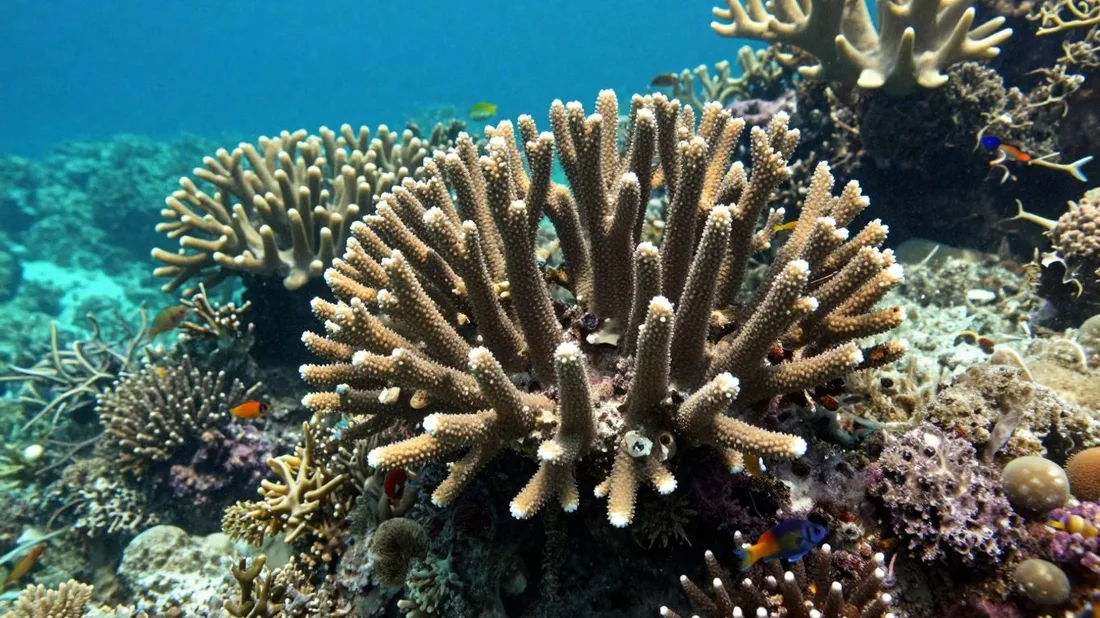
Don't forget the coral! It's the foundation for so much of the life underwater. When you're photographing coral, think about the colors and textures. Sometimes, a macro lens is perfect for showing off the intricate details. But you can also use a wider lens to show how the coral forms a whole habitat for smaller creatures. Look for interesting shapes and how the light plays on the different surfaces. It’s like a whole city down there, and each little part tells a story.
Logistics and Planning Your Trip
Getting your underwater photography adventure in Tahiti sorted involves a few key pieces of planning. It's not just about showing up with your camera; you've got to think about how you'll get around and where you'll stay. Booking your accommodation and transport in advance is a really good idea, especially if you're traveling during peak season.
Ferry Travel Between Islands
Moving between Tahiti's islands is usually done by ferry or plane. The ferry is a more budget-friendly option for shorter hops, like between Tahiti and Moorea. It's a pretty straightforward process. You can usually buy tickets right at the terminal. The ride itself is generally about 30-45 minutes, giving you some nice views of the water.
Check schedules: Ferry times can change, so always look them up before you head to the port.
Book ahead if possible: For popular routes or times, booking in advance can save you a headache.
Consider luggage: If you have a lot of camera gear, factor in how you'll manage it on board.
Choosing Accommodation Wisely
Where you stay can really impact your trip. You've got everything from fancy overwater bungalows to more basic guesthouses and Airbnbs. If your main goal is underwater photography, being close to good dive sites or boat departure points can save you a lot of travel time each day.
Location, location, location: Think about proximity to dive shops or areas known for marine life.
Budget: French Polynesia can be pricey, so decide what you're comfortable spending. Sometimes staying a little further from the main tourist hubs can save you money.
Amenities: Do you need a kitchen? Reliable Wi-Fi for uploading photos? Consider what's important for your workflow.
Dive Shop Recommendations
Choosing the right dive shop is pretty important for a good experience. They'll handle your boat trips, guides, and often rental gear. Look for shops that have a good reputation for safety, knowledgeable guides, and well-maintained equipment. Reading online reviews can be super helpful here.
Understanding Dive Schedules
Dive operations typically run on set schedules. Most offer two or three dives per day, often in the morning. Some might have afternoon options too. If you're planning specific photo shoots, talk to the dive shop about the best times to go out. For example, some manta ray encounters are better at certain times or conditions.
Dealing with Refraction and Water Clarity
Shooting underwater is a bit like looking through a wavy window, right? Light bends when it hits the water, and that changes how things look. This bending, called refraction, can make subjects appear bigger and closer than they really are. It also affects how sharp your photos turn out. When the water isn't super clear – maybe it's a bit murky from sand or plankton – your pictures can look hazy. Getting a good shot often means working with these conditions, not against them. You might need to adjust your focus or get closer to your subject to cut through the murkiness. Sometimes, using a strobe can help bring back some of the color and detail that gets lost in hazy water.
Achieving Dramatic Light Beams
Ever seen those amazing photos with shafts of sunlight cutting through the water? They look pretty cool, but getting them takes a bit of luck and knowing when to shoot. These light beams, often called crepuscular rays, happen when sunlight hits particles in the water and gets scattered. To capture them, you usually need the sun to be at a certain angle, often lower in the sky, and the water needs to have enough stuff floating in it to catch the light. Shooting upwards towards the surface when these beams are present can give you some really dramatic shots. It's all about timing and being in the right place when the light decides to put on a show.
Photographing Deeper Water Subjects
When you go deeper, the light changes. Colors start to disappear, especially reds and oranges, because water absorbs them. So, subjects can look a bit dull and blueish without extra help. This is where strobes or video lights really come into play. They bring back those lost colors and make your subject pop. You also have to think about your camera settings. Deeper water means less natural light, so you might need to use a wider aperture or a slower shutter speed, which can be tricky if your subject is moving. Plus, the pressure increases the deeper you go, which is something your gear needs to handle.
The Art of Patience with Marine Animals
Getting those incredible shots of marine life isn't always about fancy gear; a lot of it is just waiting. Animals don't always perform on cue. You might see a cool shark or a graceful ray, but they might swim off before you can get the perfect angle. Patience is key. Sometimes, you just have to hang back, stay still, and let the animal get comfortable with your presence. They might eventually come closer or do something interesting. It's a bit like birdwatching, but underwater. You learn to read their behavior and anticipate their movements. It’s a slow process, but the payoff – that one amazing shot you waited hours for – is totally worth it.
Your Underwater Tahiti Adventure Awaits
So, you've seen what Tahiti's waters have to offer for photos. Whether you're thinking about hiring a pro to capture those magical moments or grabbing your own gear to try it yourself, the underwater world here is pretty amazing. From colorful fish to graceful rays and even some sharks, there's so much to see. Don't forget to pack your camera, or at least your sense of adventure, because these memories are definitely worth holding onto. Tahiti's lagoons are waiting for you to explore and photograph them.
What's the best way to take cool underwater pictures in Tahiti?
To get awesome underwater photos, think about using a GoPro with special lenses that help fix how things look underwater. Sometimes, a professional camera with a special case and dome lens works even better. Don't forget lights to make everything brighter and clearer!
What kind of sea animals can I expect to see and photograph?
Tahiti's waters are full of amazing creatures! You might see graceful manta rays, speedy reef sharks, and even curious dogfish sharks with funny faces. Keep an eye out for the cool blue-eyed eels in Faie, too!
How can I get the best shots of sharks and rays?
Getting close is key! For rays and sharks, try to be calm and patient. Sometimes, using extra lights called strobes can make them stand out more in your pictures. Remember, they often come closer when food is around.
Are there specific places in Tahiti that are great for underwater photos?
Absolutely! Places like Moorea have protected areas perfect for diving. Bora Bora's lagoons and reefs offer stunning views, and islands like Huahine have a relaxed vibe with cool underwater sights. Even snorkeling in a 'Natural Aquarium' can be amazing!
Do I need special gear to take good underwater photos?
While a simple GoPro can get you started, better photos often come with specialized gear. This includes waterproof camera housings, dome ports for clearer shots, and underwater lights (strobes and focus lights) to add brightness and color.
What are some tips for photographing marine life like turtles or schools of fish?
For turtles, try to get close without scaring them, and focus on their expressions. To photograph schools of fish, try to capture the whole group moving together. Don't forget the colorful coral reefs – they make a beautiful background!
How do photographers work with people in Tahiti?
Some local photographers, like Alika Photo, offer special underwater photo sessions. They can tailor the shoot to what you want, whether it's fun, magical, or adventurous. They usually offer packages with a set number of edited photos.
What should I consider when planning my trip for underwater photography?
Think about how you'll travel between islands, like using ferries. Choosing the right place to stay and booking with good dive shops is important. Also, understand the dive schedules so you can plan your photo opportunities.