French Polynesia is a dream destination, and while many think of the famous beaches, there's a whole other world of natural beauty to explore. Beyond the turquoise waters, you'll find unique flora, including rare orchids, especially on the islands of Taha'a and Raiatea. These islands offer a glimpse into a different side of paradise, where the air is fragrant with vanilla and the landscapes are as captivating as the ocean. It's a place where nature's delicate wonders, like the Tahitian orchid gardens, are waiting to be discovered.
Key Takeaways
Taha'a is known as the 'Vanilla Island' and is a major producer of Vanilla tahitensis, a unique variety that requires hand-pollination.
Visitors can explore vanilla plantations on Taha'a to learn about the cultivation and processing of vanilla.
Raiatea is home to Mount Temehani, the only place in the world where the endangered Tiare Apetahi flower grows.
Hiking in Raiatea's Mount Temehani offers chances to see unique flora, including rare orchids, and enjoy stunning views.
Exploring Taha'a's inland areas reveals local plantations, lush forests, and opportunities to see orchids and ylang-ylang.
The Unique Tahitian Vanilla
When you think of French Polynesia, you might picture turquoise lagoons and overwater bungalows, but there's another scent that defines these islands, especially Taha'a: vanilla. This isn't just any vanilla; it's Vanilla tahitensis , a special variety that's pretty much unique to this part of the world. It's a bit of an evolutionary puzzle, not found naturally anywhere else. Unlike other vanillas, the Tahitian kind is plump, oily, and has this incredibly rich aroma that chefs and perfume makers go wild for. The whole process of growing and harvesting it is incredibly hands-on.
Visiting Taha'a's Vanilla Plantations
If you're on Taha'a, you absolutely have to visit a vanilla plantation. It’s not just about seeing where the vanilla comes from; it’s about understanding the sheer amount of work that goes into it. You'll see firsthand how each delicate orchid flower has to be pollinated by hand – no bees here to do the job! Then there's the nine-month wait for the pods to mature, followed by harvesting and sun-drying. Many plantations welcome visitors, showing you every step from flower to finished pod. It’s a real eye-opener.
Hand Pollination: Witness the delicate morning task of pollinating each orchid bloom.
Maturation & Harvest: Learn about the nine-month growing period and the careful harvesting.
Drying Process: See how the pods are dried in the sun to develop their signature aroma.
Local Products: Most visits end with a chance to buy fresh vanilla beans, extracts, and other local goodies.
Exploring the Vanilla Valley
Beyond the plantations themselves, there's a whole area often called the 'Vanilla Valley'. Taking a tour here, maybe by 4x4 or even an electric bike, lets you see the wider landscape where this precious spice is grown. You'll get a feel for the island's interior, often passing by other local crops like coconut, pineapple and breadfruit. It’s a great way to connect with the island's agricultural heart and understand how vanilla fits into the local economy and culture.
The Enchanting Tiare Apetahi of Raiatea
Raiatea, often called the "Sacred Island," holds a botanical treasure unlike any other: the Tiare Apetahi. This delicate bloom is found nowhere else on Earth, making it a truly special sight for any visitor.
Mount Temehani's Fragile Bloom
The Tiare Apetahi's story is deeply tied to Mount Temehani, the island's highest peak. It's here, in the unique microclimate of the Temehani plateau, that this flower thrives. It's said that attempts to cultivate the Tiare Apetahi elsewhere have always failed, cementing its status as an island endemic. The flower itself is quite distinctive, with five petals arranged in a way that resembles an open hand, and it carries a subtle, pleasant fragrance.
An Endangered Island Treasure
Sadly, this beautiful flower is quite rare. Its limited habitat on Mount Temehani makes it vulnerable. Conservation efforts are ongoing, but the Tiare Apetahi remains an endangered species. Seeing it in its natural environment is a privilege, a reminder of the delicate balance of nature.
The Emblematic Flower of Raiatea
More than just a pretty plant, the Tiare Apetahi is a symbol of Raiatea. It represents the island's unique spirit and its deep connection to the natural world. For the people of Raiatea, it's a source of pride and a reminder of the island's special place in the Pacific.
Here's a little more about this unique flower:
Appearance: Five petals, often described as hand-shaped.
Scent: Delicate and pleasing.
Habitat: Exclusively found on the Temehani plateau of Mount Temehani.
Status: Endangered species.
Exploring Raiatea's Natural Wonders
Raiatea, often called the 'Sacred Island,' is way more than just a pretty face. While it might not have the endless white sand beaches of some other islands, it makes up for it with its dramatic, green mountains and seriously lush plant life. The interior of the island is just begging to be explored, whether you're into hiking, horseback riding, or zipping around on a quad.
Hiking Mount Temehani
If you're up for a bit of a trek, Mount Temehani is probably the most famous spot. It's a good few hours to get to the top, but trust me, the view from the lookout point is something else. You'll get this incredible panoramic scene over the lagoon. Plus, along the way, there are three waterfalls where you can take a breather. It’s a solid workout, but totally worth the effort.
Cloud-Forest Pockets and Unique Flora
As you climb higher, the landscape shifts. You'll find these cool little pockets of cloud forest, which are home to some really unique plants. The most famous of these is the Tiare Apetahi. This flower is super special because it only grows on Raiatea, nowhere else in the world. It's got these delicate, five-petaled blooms that look like a hand. It’s pretty amazing to see something so rare thriving in its natural habitat.
Panoramic Views Over the Lagoon
Beyond the Temehani plateau, there are other spots that offer amazing vistas. Mount Tapioi, for instance, is a shorter hike, taking less than an hour. The path starts between the gendarmerie and the post office in Uturoa. From its summit, you get another fantastic perspective of the island and the surrounding lagoon. It’s these kinds of views that really make you appreciate the raw beauty of French Polynesia.
Raiatea's Diverse Landscapes
Raiatea isn’t the first island that pops into someone’s head when they picture classic white sand beaches. But honestly, that’s part of what gives it personality— its landscapes are wild, green, and full of surprising variety. Whether you’re into hiking, swimming in odd places, or uncovering something shiny, every corner hides something new.
Lush Mountains and Hiking Trails
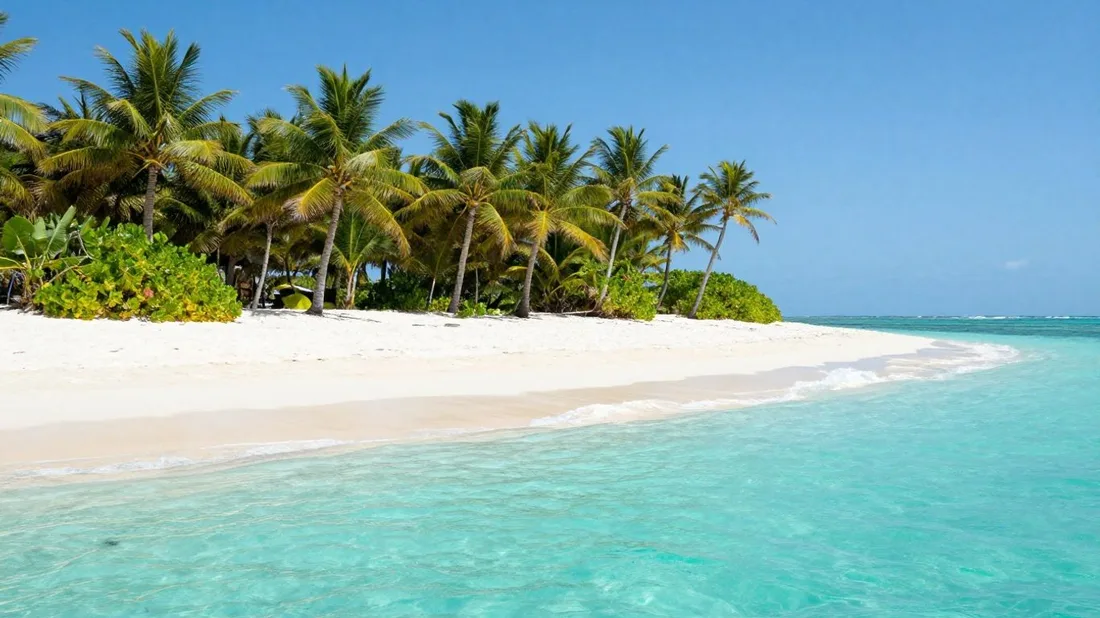
Raiatea’s interior is all about rugged peaks and valleys that will get your legs working. The most famous hikes are:
Mount Temehani: Takes about 4 hours, not easy, but the panoramic view from the top is worth every step. Funny thing? You actually pass by three different waterfalls, great spots to catch your breath.
Mount Tapioi: A much shorter climb, about 45 minutes from Uturoa. I did it on a whim before breakfast (though maybe not the best idea on an empty stomach!). The views down to the lagoon are classic postcard stuff.
Valley and hillside walks: For those not out for a summit, there are mid-level jungle trails—bring extra water, the humidity gets to you fast.
The Unique Seawater Pool
You can’t make this stuff up: the town built a big municipal pool right at the edge of the sea, but the wall failed, and now it’s just a pool open to the lagoon. Locals and school kids still use it, ladder and all! No exaggeration, sometimes you’ll see little fish swimming by while you practice your crawl. It’s a quirky spot to cool off, with a story for later.
Discovering Pearl Farms
Black pearls are everywhere in the shops downtown, but the best way to get what’s real is to go straight to a pearl farm. These places are:
A chance to see how the oysters are seeded and how pearls really grow
Way cheaper than city shops (plus, they’ll tell you exactly what you’re buying)
Just kind of hypnotic—watching the staff at work is calming in a weird way
Here’s a quick overview:
If you’re shopping for presents (or a treat for yourself), this makes it personal. And honestly, the stories behind each pearl are worth as much as the pearls themselves.
Hiking Through Central Hills and Valleys
Beyond the beaches and the famous vanilla, Taha'a's interior is a whole other world waiting to be explored. Think lush green hills and winding valleys, crisscrossed by trails that invite you to wander. It’s not always easy going – some paths can be a bit rough and overgrown, which honestly, just adds to the adventure. You can trek from one side of the island to the other, like the route connecting Haamene to Patio. It’s about 11 kilometers, taking you through forests thick with bamboo and ferns. The reward? Some seriously stunning views over the lagoon and the islands nearby.
Admiring Local Plantations
As you hike, you'll stumble upon small, working plantations. These aren't huge commercial operations, but more like family plots where locals grow staples like yams, taro, cassava, and pineapples. It’s a glimpse into the island’s agricultural heart. You’ll also see the fragrant ylang-ylang trees, their sweet scent filling the air, especially when the pods are drying. It’s a real sensory experience.
Encountering Orchids and Ylang-Ylang
Taha'a is a botanist's dream, especially if you're into orchids. While the island is famous for its vanilla, its inland microclimates also support a surprising variety of other plant life. You might find yourself walking through areas where moss clings to tree trunks, and the air is thick with moisture – perfect conditions for delicate orchids to thrive. It’s a different kind of beauty compared to the coastal palms, a more intimate, hidden world. The ylang-ylang, of course, is everywhere, and its perfume is one of the defining scents of Taha'a.
Vanilla Tahitiensis: An Evolutionary Enigma
Tahitian vanilla, known for its rich, sweet flavor, is a bit of a botanical puzzle. Unlike most vanilla orchids that hail from the Americas, Vanilla tahitensis is found only in French Polynesia and New Guinea. It's a unique species, and its journey to the Pacific islands is a story that has fascinated scientists for ages. The exact origin of this particular vanilla orchid has long been a subject of debate among botanists. It's not something you'd find growing wild in the jungles where other vanilla varieties come from, which makes its presence here so intriguing.
From Guatemala to French Polynesia
So, how did this special orchid end up in places like Taha'a and Raiatea? The leading theory, supported by DNA analysis, suggests a long and winding path across the globe. It's believed that Vanilla tahitensis likely originated in the vanilla-growing regions of Guatemala. From there, it's thought to have hitched a ride on a Spanish galleon, making its way across the vast Pacific Ocean. One popular story even suggests it arrived in French Polynesia tucked away in the luggage of a French admiral sometime in the mid-19th century. It's quite a journey for a delicate orchid!
The Botanical Puzzle of Raiatea
The first official description of Vanilla tahitensis was actually based on a specimen found on Raiatea, a sacred island in the archipelago. This adds another layer to the mystery – this unique plant, clearly not native, was first formally recognized on an island deeply connected to Polynesian culture. It highlights how introductions and cultivation can lead to new varieties and fascinating botanical histories. The process of how it was cultivated and eventually became the prized Tahitian vanilla we know today involves careful hand-pollination and specific drying techniques, quite different from other vanilla types.
Introduction: Vanilla plants were first brought to French Polynesia around 1848.
Cross-Pollination: It's believed that different vanilla species, possibly Vanilla fragrans and Vanilla aromatica , were introduced and then crossed.
Development: This cross-pollination likely led to the unique characteristics of Vanilla tahitensis , which differs from the more common Vanilla planifolia (Madagascar vanilla) in its pod size and aromatic profile.
Navigating Raiatea's Terrain
Getting around Raiatea is part of the adventure, really. It's not exactly a tiny island where you can just walk everywhere, but it's also not a sprawling metropolis. You've got a few main ways to explore, and each has its own vibe.
Car, Scooter, or Quad Rentals
For real freedom to roam, renting a vehicle is the way to go. You can grab a car, a scooter, or even a quad bike. Trying to cycle the whole 99km around the island? Yeah, probably not the best idea unless you're training for something serious. Scooters are great for zipping around, especially if you're sticking to the main roads. Cars give you more comfort, especially if you're planning on longer drives or have more gear. Quads are fun for hitting some of the rougher tracks, if that's your thing.
Here’s a quick look at what might work for you:
The Kindness of Locals for Hitchhiking
If you're feeling lucky and want to experience the local hospitality, hitchhiking is definitely an option here. People in Raiatea are known for being pretty friendly and helpful. It might take a little longer to get where you're going, but you'll likely meet some interesting folks along the way. Just be patient and have a smile ready!
Understanding Local Transportation
Beyond rentals and thumbing a ride, there aren't many public transport options. Ferries connect Raiatea to other islands, which is how most people arrive. Once you're on Raiatea, your main choices are the rental vehicles mentioned above. Some accommodations might offer shuttles, but don't count on it for general island travel. If you're staying in Uturoa, the main town, you can get around on foot for local shops and restaurants, but to see the rest of the island, you'll need wheels.
Flights from Tahiti to Raiatea
Getting to Raiatea is pretty straightforward, especially if you're already in Tahiti. The main way to go is by plane. Air Tahiti runs flights pretty regularly between Tahiti's Faa'a International Airport and Raiatea's small airport. The flight itself is short, only about 45 minutes. It's a nice little hop, just enough time to maybe finish a tropical juice and look out the window at the ocean.
Sea Travel Options
If flying isn't your thing, or you're looking for a different experience, there are sea travel options too. Ferries do run between islands, but they take a lot longer – we're talking about twelve hours or so. It's a much slower journey, but if you're not in a rush and enjoy being on the water, it could be a pleasant way to arrive. For those who are into sailing, the Hawaiki Nui ferry is apparently a pretty good choice.
Best Time to Visit Raiatea
Raiatea has a tropical climate, which basically means it's warm year-round. There are two main seasons: a wetter, warmer period from November to March, and a slightly cooler, drier season from April to October. Most people seem to suggest visiting during the drier months, from April to October. The temperatures are a bit more comfortable then, it's less humid, and you get more sunshine. It just makes exploring the island a bit more pleasant, I think.
Here's a quick look at the seasons:
Beaches, Lagoons, and Water Activities
Taha'a is blessed with some seriously beautiful spots to just chill by the water. Think postcard-perfect beaches with sand that feels just right under your feet and a lagoon that’s so clear you can see forever. It’s the kind of place where you can easily spend your days just floating, swimming, or taking a boat out to explore.
Snorkeling the Coral Garden
One of the absolute must-dos here is checking out the Coral Garden. It’s tucked away between a couple of small islands, and it’s packed with colorful coral and all sorts of tropical fish. Seriously, it’s like swimming in a giant, natural aquarium. You don't need to be a pro swimmer to enjoy it; just floating with a mask and snorkel is enough to see some amazing stuff.
Excursions to Pearl Farms and Motus
Beyond the usual beach scene, Taha'a offers some really unique excursions. You can visit local pearl farms and see how those famous Tahitian black pearls are grown – it’s pretty fascinating. Some trips will even take you out to uninhabited little islands, called motus, where you can have a whole day of peace and quiet, just you and the ocean. It’s a great way to get a feel for the island life beyond the main villages.
A Floral Finale
So, while French Polynesia might be famous for its beaches and blue waters, don't forget to look a little closer. The islands hold some truly special flowers, like the vanilla orchid on Taha'a and the unique Tiare Apetahi on Raiatea. Spotting these rare beauties takes a bit of effort, maybe a hike or a visit to a plantation, but it’s totally worth it. It’s a different kind of souvenir, a memory of the quiet, natural wonders you can find if you just keep your eyes open. It really adds another layer to the whole island experience, you know?
What makes Tahitian vanilla so special?
Tahitian vanilla, or Vanilla tahitensis, is a special kind of vanilla grown in French Polynesia. It's different because it has plump, shiny pods that are full of oil. Chefs and perfume makers really like it! It's also special because it has to be pollinated by hand since there aren't many bees there to do the job.
Where can I see vanilla being grown?
You can visit vanilla farms on the island of Taha'a. These farms let visitors see how vanilla is grown, from pollination to drying the pods in the sun. It's a great way to learn how much hard work goes into making this spice.
What is the Tiare Apetahi flower?
The Tiare Apetahi is a very rare flower that only grows on Mount Temehani on the island of Raiatea. It's a beautiful, delicate white flower, but it's in danger of disappearing. People have tried to grow it elsewhere, but it only thrives in its natural home.
What can I do on Raiatea besides see flowers?
Raiatea has beautiful green mountains perfect for hiking. You can also explore unique spots like a natural seawater pool that's open to the ocean. Visiting pearl farms to see how the famous black pearls are made is another interesting activity.
What's the best way to get around Raiatea?
To explore Raiatea, renting a car, scooter, or quad bike is a good idea. The island isn't super small, so biking the whole way might be tough. Hitchhiking is also an option, as the local people are known for being friendly and helpful.
How do I travel between the islands?
To get to Raiatea, you'll first fly to Tahiti. From Tahiti, you can take a short, 45-minute flight with Air Tahiti. There are also boat options, but they take much longer, about twelve hours.
When is the best time to visit these islands?
The best time to visit is generally during the dry season, from May to October. The weather is usually less rainy and more sunny during these months, making it more pleasant for exploring the outdoors and hiking.
Are there other interesting plants to see besides orchids and vanilla?
Yes! On Taha'a, you can see many local plants while hiking, like mape trees and the fragrant ylang-ylang, which is used in perfumes. The islands have a lot of unique plant life adapted to the tropical environment.