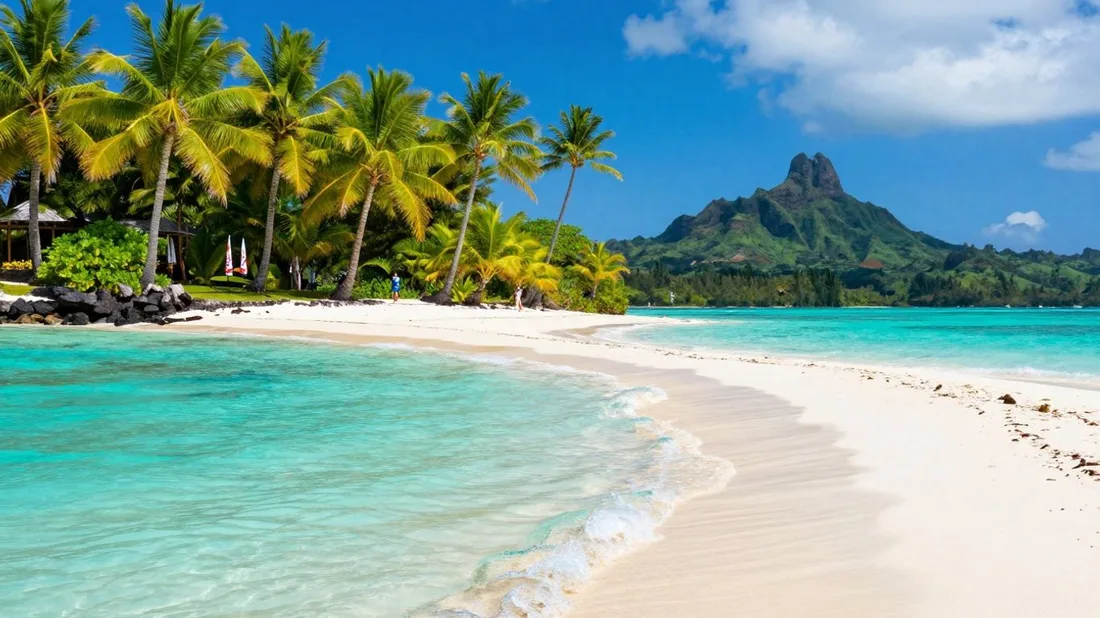
Thinking about French Polynesia? Beyond the famous beaches and clear blue water, there's another way to see these amazing islands: on horseback. These Polynesian horse trails offer a unique look at the landscapes, from rugged mountains to quiet bays. It's a different pace, a chance to connect with the land and maybe even find some hidden spots. If you're looking for something a little less ordinary, saddle up!
Key Takeaways
Explore Nuku Hiva's dramatic terrain, with trails leading to bays like Ha’atuatua and Anaho.
Discover the lush beauty of Huahine, often called the 'Garden Island,' with rides around its serene lagoon.
Experience Maupiti's tranquil charm on trails that showcase its volcanic peaks and peaceful motus.
Ride through Moorea's mountainous interior for stunning views of the island's famous bays.
Consider the Marquesas Islands for a more rugged and culturally rich equestrian adventure.
1. Nuku Hiva Horseback Trails
Nuku Hiva, the largest island in the Marquesas, offers a rugged and wild landscape that's just begging to be explored on horseback. Forget the manicured paths you might find elsewhere; here, you're looking at trails that wind through dramatic valleys and along coastlines with views that'll stop you in your tracks. The sheer scale of the mountains and the raw beauty of the bays make for an unforgettable riding experience.
Many of the island's most stunning spots are only reachable by foot, boat, or, you guessed it, horseback. This means you can get to places that feel truly untouched. Imagine riding along a black sand beach with towering, knife-edge ridges behind you – it’s pretty mystical.
Here are a few things to keep in mind when planning your ride:
Trail Difficulty: Trails can be steep and uneven, so a moderate level of fitness is helpful. It's not exactly a leisurely stroll.
Scenery: Expect dramatic volcanic landscapes, lush green valleys, and breathtaking ocean vistas. You'll likely pass ancient archaeological sites too.
Wildlife: Keep an eye out for local birds and maybe even some goats roaming the hillsides.
Local Guides: Hiring a local guide is highly recommended. They know the terrain, the history, and the best spots to show you.
While specific tour operators can change, look for services based out of the main villages like Taiohae, Hatiheu, or Taipivai. They'll often have horses suited to the terrain and can guide you to places like Ha’atuatua Bay or along the routes leading to Anaho Bay.
2. Ha’atuatua Bay Ride
Ha’atuatua Bay offers a unique horseback riding experience, especially if you're looking for something a bit different from the usual beach rides. The trails here wind through lush vegetation, giving you a real sense of being immersed in the island's natural beauty. It's a fantastic way to see parts of the island you might otherwise miss.
When you set out, you'll likely encounter a mix of terrain. Some paths are relatively flat and easy, perfect for a relaxed trot, while others might have gentle inclines that let you and your horse work a little. The guides are usually very knowledgeable about the local flora and fauna, so keep an ear out for interesting facts.
Here’s what you can generally expect:
Scenery: Expect to see vibrant tropical plants, maybe some fruit trees, and glimpses of the bay itself. The air is usually fresh and carries the scent of flowers.
Wildlife: Keep an eye out for local birds. Sometimes, you might even spot small lizards darting across the path.
Pace: Rides are often tailored to the group's experience level, but generally, there's a good balance between walking and trotting.
It's a good idea to check with local operators beforehand about the specific routes they offer. Some might focus more on the coastal views, while others might take you deeper inland. This kind of ride is a great addition to any trip, offering a different perspective than just lounging on the beach. You can find various tourism professionals who can arrange these excursions.
3. Anaho Bay Horseback Route
Anaho Bay, nestled on the northeastern coast of Nuku Hiva in the Marquesas Islands, offers a truly special horseback riding experience. This isn't just a casual trot; it's a journey through a landscape that feels ancient and untouched. The trails here wind through lush valleys and lead to the shores of one of French Polynesia's most stunning bays. The contrast between the vibrant green of the mountains and the deep blue of the ocean is something you won't forget.
Getting to Anaho Bay itself is part of the adventure. While you can reach it by boat, riding a horse allows you to connect with the environment in a different way. You'll likely follow paths that locals have used for generations, passing by taro fields and getting glimpses of traditional life. The horses are generally well-trained and accustomed to the terrain, making the ride accessible even if you're not an expert rider.
Here's what you can expect:
Scenic Vistas: Prepare for breathtaking views of the bay, the surrounding volcanic peaks, and the vast Pacific Ocean.
Cultural Immersion: You might pass by archaeological sites and learn about the rich history of the Marquesas people.
Wildlife Encounters: Keep an eye out for local birds and perhaps even see some of the island's unique flora up close.
Tranquil Atmosphere: Anaho Bay is known for its peacefulness, and riding a horse here only adds to the sense of calm and escape.
While specific tour operators can vary, looking for local guides who specialize in equestrian tours in the Anaho Bay area is your best bet. They'll know the safest and most scenic routes, and can tailor the experience to your comfort level.
4. Hatiheu Bay Equestrian Path
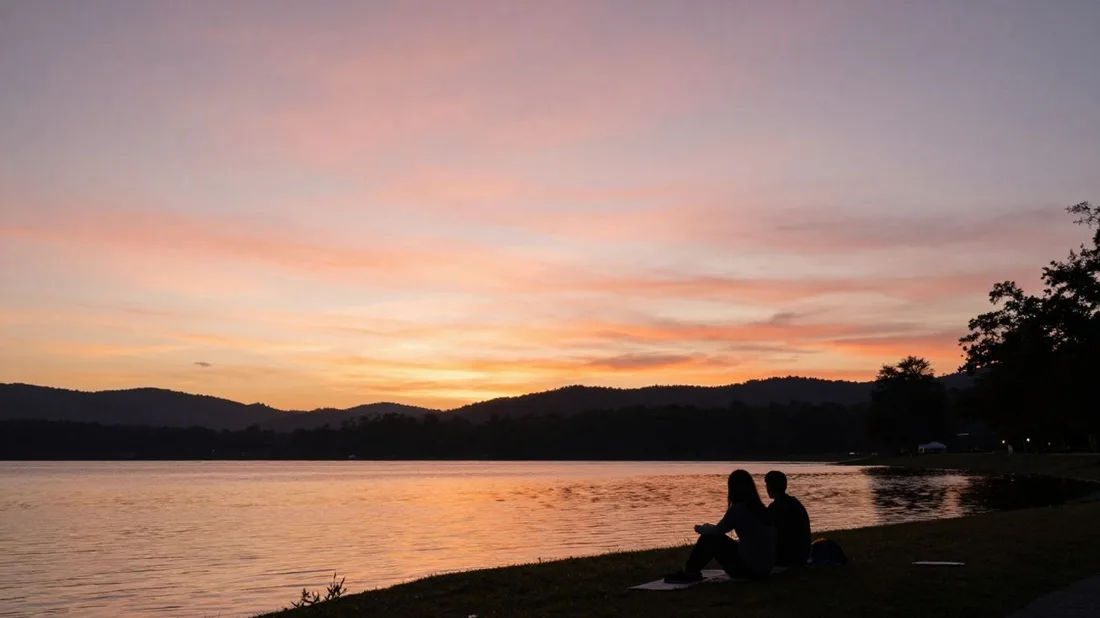
Hatiheu Bay, nestled on the island of Nuku Hiva in the Marquesas, offers a unique horseback riding experience that winds through lush valleys and along dramatic coastlines. While not as widely advertised as some other activities, local guides can often arrange rides that showcase the island's rugged beauty. These trails provide a fantastic way to see parts of the island inaccessible by vehicle.
Imagine trotting along paths shaded by breadfruit trees, with the scent of tropical flowers filling the air. The routes typically lead to breathtaking viewpoints overlooking the bay and the vast Pacific Ocean. It's a chance to connect with nature and experience the tranquility of this remote paradise.
Here’s what you might expect on a typical ride:
Scenic Vistas: Rides often include stops at panoramic viewpoints, offering incredible photo opportunities.
Cultural Immersion: Some tours may pass by ancient archaeological sites, giving a glimpse into the island's history.
Varied Terrain: Expect a mix of gentle trails through valleys and more challenging sections along coastal cliffs.
5. Taiohae Valley Trails
The Taiohae Valley on Nuku Hiva offers a different kind of horseback riding experience, moving away from the coast and into the island's lush interior. This route is perfect for those who want to see the dramatic volcanic landscapes and verdant valleys that make the Marquesas Islands so unique. You'll ride through dense tropical vegetation, with the towering cliffs of the valley walls surrounding you. It’s a bit more rugged than some of the coastal rides, but the views are absolutely worth the effort.
The trails here wind through ancient taro fields and past cascading waterfalls, giving you a real sense of the island's natural beauty and history. You might even spot some of the local wildlife along the way. It’s a great way to connect with the heart of Nuku Hiva.
Here’s what you can expect on a typical ride:
Terrain: Expect a mix of well-trodden paths and slightly more challenging, uneven ground as you ascend into the valley.
Scenery: Lush green valleys, dramatic cliff faces, and tropical flora.
Wildlife: Keep an eye out for native birds and perhaps some of the island's free-roaming horses.
Duration: Rides can vary, but many offer half-day excursions.
6. Aakapa Bay Riding Route
Aakapa Bay offers a different kind of horseback riding experience, a bit more laid-back than some of the more rugged Marquesan trails. It's a good spot if you're looking for a gentler ride with lovely coastal views. The horses here are generally well-trained and used to carrying riders along the beach and through some of the nearby vegetation.
The main draw is the chance to ride along the shoreline, with the sound of the waves as your soundtrack. It's not a super long route, but it's peaceful and pretty. You might find local guides who can take you out, often with a focus on enjoying the scenery rather than a strenuous trek.
Here’s what you can generally expect:
Scenery: Mostly beach riding, with some paths leading into light jungle or coastal scrub.
Pace: Usually a relaxed walk, sometimes a slow trot if conditions allow and riders are comfortable.
Duration: Rides are typically shorter, maybe an hour or so, perfect for a casual outing.
It’s a nice option if you’re staying nearby and want a simple, enjoyable way to see a bit of the coast from a different perspective. Just be sure to check with local operators about availability and what the ride entails, as services can vary.
7. Taipivai Horse Trails
The Taipivai Valley, often mentioned in tales of the Marquesas, offers a unique horseback riding experience. While not as widely advertised as some other locations, the trails here wind through lush, dramatic landscapes that feel truly untouched. Imagine riding past ancient stone platforms and through dense tropical foliage, with the sounds of nature as your only soundtrack.
These trails are best suited for riders who appreciate a more rugged and authentic adventure. It's less about manicured paths and more about exploring the raw beauty of the valley.
Here’s what you might encounter:
Varied Terrain: Expect a mix of well-trodden paths and more challenging, uneven ground as you ascend into the valley.
Historical Sites: Keep an eye out for remnants of ancient Polynesian settlements, adding a layer of historical discovery to your ride.
Breathtaking Vistas: The higher you go, the more spectacular the views of the surrounding mountains and the Pacific Ocean become.
8. Huahine Lagoon Rides
Huahine, often called the “Garden Island,” offers a more relaxed pace compared to some of its flashier neighbors. When it comes to horseback riding, the lagoon areas provide a unique experience. Imagine a gentle ride along the shores of Avea Bay, with the calm, clear waters of the lagoon stretching out before you. It’s not about conquering rugged mountains here; it’s more about soaking in the peaceful scenery and the lush tropical environment.
While specific guided horseback tours focused solely on the lagoon might be less common than, say, boat tours, many local operators who offer 4x4 island and lagoon excursions can sometimes incorporate short, scenic rides. It’s worth inquiring locally about possibilities, especially if you’re staying at one of the charming guesthouses or hotels near the water.
Here’s what you might expect from a lagoon-adjacent ride:
Gentle terrain: Trails are typically flat, following the coastline or paths through coconut groves.
Stunning views: Expect picturesque vistas of the turquoise lagoon, small motus (islets), and the verdant interior of the island.
Wildlife spotting: Keep an eye out for tropical birds and perhaps even some marine life visible from the shore.
The real charm of riding near the Huahine lagoon lies in its tranquility and the chance to connect with the island's natural beauty at a slower speed. It’s a perfect way to appreciate the “Garden Island” vibe without the hustle and bustle.
9. Maupiti Motu Trails
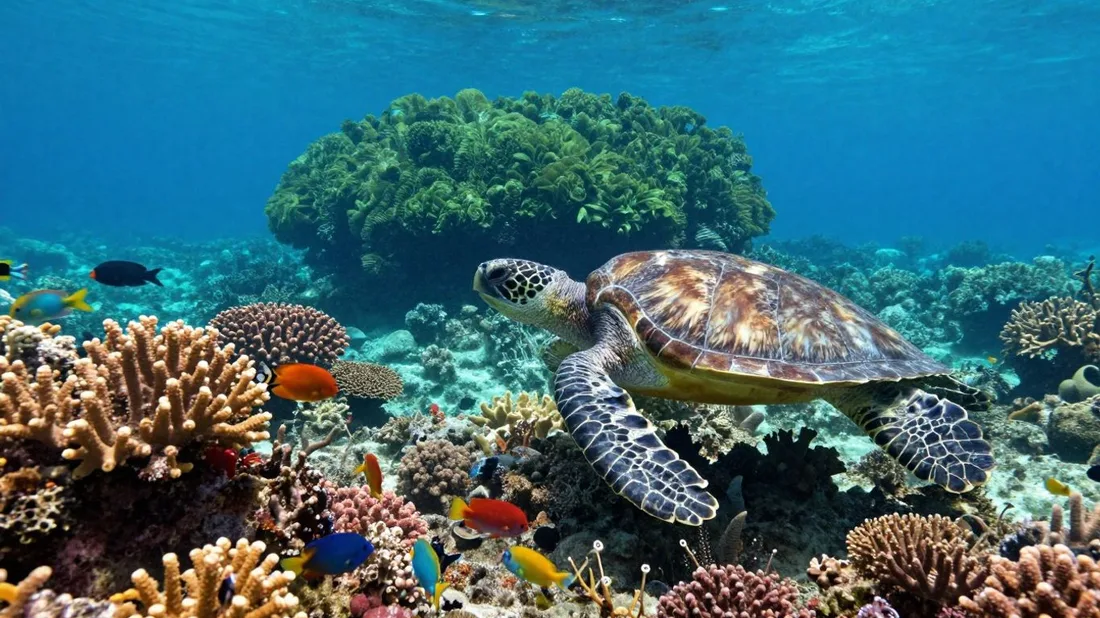
Maupiti, often called the 'mini-Bora Bora' without the crowds, offers a truly special horseback riding experience. The island's motus, those small islets dotting the lagoon, are perfect for exploring on horseback. Imagine trotting along sandy paths with the turquoise water just a few feet away, the iconic Mount Teurafaatiu rising majestically in the background. It's a slower pace of life here, and riding a horse lets you soak it all in.
The trails aren't overly strenuous, making them accessible for most riders. You'll likely find yourself riding along the shores of these motus, perhaps even venturing onto paths that lead to secluded spots only reachable by horse or on foot. The shallow lagoon means you can sometimes even walk your horse through parts of it during low tide, which is pretty unique!
Here's what you might encounter on a Maupiti motu ride:
Gentle sandy tracks perfect for a relaxed pace.
Stunning views of the main island's volcanic peak.
Opportunities to see local flora and fauna up close.
Crossing shallow parts of the lagoon, weather and tide permitting.
10. Moorea Mountain Rides
Moorea, with its dramatic, jagged peaks rising straight out of the turquoise lagoon, offers some seriously epic horseback riding adventures. Forget the beach for a bit and head inland for a different kind of island experience. These mountain trails give you a whole new perspective on Moorea's wild beauty. You'll be riding through lush valleys, past pineapple plantations, and up to viewpoints that will just take your breath away.
Getting to Moorea is pretty straightforward. You can fly in, but honestly, the ferry from Tahiti is way easier and cheaper. It takes less than an hour, and there are plenty of departures throughout the day. Once you're on Moorea, renting a car is a good idea to get around, especially if you want to reach the trailheads easily.
Here's what you can expect on a mountain ride:
Varied Terrain: Trails can range from gentle paths through verdant valleys to steeper climbs offering panoramic views.
Lush Scenery: Expect to see dense tropical vegetation, exotic flowers, and maybe even some local wildlife.
Iconic Vistas: Many rides culminate at viewpoints like the Belvedere, overlooking Opunohu and Cook's Bays, offering those postcard-perfect shots.
Ready to Ride?
So, there you have it. French Polynesia is more than just beaches and blue water, though it has those in spades. Getting on a horse here lets you see a different side of these amazing islands, from rugged mountains to quiet shores. Whether you're a total beginner or have been riding for years, there's a trail out there for you. It’s a pretty special way to experience the beauty and the spirit of these islands. Don't miss out on this unique adventure!
What is French Polynesia?
French Polynesia is a collection of beautiful islands in the South Pacific Ocean. It's a part of France and has 118 islands and atolls spread out over a huge area. Each island group is special and different, making the whole place very unique.
How do I get around between islands?
You can fly between islands using Air Tahiti or Air Moana. Sometimes, if an island doesn't have an airport, you might need to take a boat after your flight. It's a good idea to book your flights ahead of time, especially if you plan to visit many islands.
What kind of activities can I do besides horseback riding?
Besides amazing horseback rides, you can go snorkeling or diving in the clear waters, explore lagoons, visit beautiful beaches, hike up mountains for great views, and learn about the local culture. Many islands offer boat tours too.
Are there places to stay near these riding routes?
Yes, there are many places to stay, from fancy resorts to cozy guesthouses. Many hotels and local hosts are happy to help you arrange activities like horseback riding and tours.
What should I pack for a horseback riding trip?
It's best to pack light, breathable clothing suitable for warm weather. Bring comfortable pants for riding, sturdy shoes, a hat for sun protection, and of course, your swimsuit for enjoying the ocean!
Is horseback riding suitable for beginners?
Many riding tours are designed for all skill levels, including beginners. The guides will match you with a suitable horse and show you the basics, so you can enjoy the ride safely.
What is the best time of year to visit French Polynesia for horseback riding?
The best time to visit is usually during the dry season, which runs from May to October. The weather is pleasant, with less rain and lower humidity, making it ideal for outdoor activities like horseback riding.
Can I book horseback riding tours in advance?
Yes, it's highly recommended to book your horseback riding tours in advance, especially during peak tourist seasons. This ensures you get your preferred time and availability, and it helps the tour operators plan accordingly.