French Polynesia is a paradise for bird lovers, with a stunning array of feathered friends calling these islands home. From the vast ocean to dense forests and remote atolls, you can spot all sorts of amazing birds. We'll take a look at some of the most notable ones, from soaring seabirds to shy forest dwellers, and talk about how we can help protect them.
Key Takeaways
French Polynesia is home to iconic seabirds like frigatebirds and tropicbirds, often seen soaring over its beautiful islands.
The Tahiti Monarch is an endangered forest bird, and efforts are underway to monitor its nests and protect its habitat.
Diverse birdlife includes the striking Society Kingfisher, migrating Pacific Swallows, and colorful fruit doves found in the canopy.
Remote atolls offer unique birding opportunities, with sightings of shorebirds and reef-herons on places like Tureia.
Conservation is vital, with dedicated Tahitian native bird sanctuaries working to protect threatened species and their homes.
Iconic Seabirds of French Polynesia
When you think of French Polynesia, you probably picture turquoise waters and white sandy beaches. But look up, and you'll see some incredible birds making their home in this paradise. The seabirds here are truly something else, masters of the wind and waves.
Frigatebirds Soaring Over Moorea
Spotting frigatebirds is a real treat. These large, dark birds have an amazing wingspan and are often seen gliding effortlessly above the water, especially around islands like Moorea. It can be tricky to tell the Great Frigatebird from the Lesser Frigatebird, as they look quite similar. They're known for their aerial acrobatics, sometimes even stealing food from other birds. Watching them patrol the skies is a classic Polynesian experience.
White-tailed Tropicbirds in Flight
These elegant birds are a sight to behold. With their striking white plumage and long, streamer-like tail feathers, White-tailed Tropicbirds are unmistakable. You might see them near cliffs or soaring over valleys. They have a grace about them that's captivating, a real symbol of the islands' wild beauty. They are often seen in places like the Gambier islands or even near waterfalls on Tahiti.
White Terns Nesting in Coconut Trees
The White Tern, also known as the 'fairy tern', is another gem. These all-white birds are often found nesting in the most unlikely places, like the fronds of coconut trees right by the sea. They don't build traditional nests, often just laying their single egg in a slight depression on a branch. It’s a testament to their adaptability and the peaceful nature of their island homes. You can often spot them alongside Brown Noddies, another common seabird that shares these coastal nesting spots. For a broader look at Pacific birdlife, check out birdlife of Fiji .
Endangered Forest Dwellers
French Polynesia's lush forests are home to some truly special birds, but sadly, many are in trouble. It's a tough world out there for them, with habitat loss and other issues making life pretty difficult. We're going to look at a couple of these forest residents, focusing on one in particular that really needs our attention.
The Tahiti Monarch's Struggle
The Tahiti Monarch (Pomarea nigra) is a small, all-black bird that's found only on the island of Tahiti. It's a real gem of the native avifauna, but it's also critically endangered. Back in the day, these birds were more common, but things have changed. Their numbers have dropped dramatically over the years, and now they're fighting for survival.
Monitoring Nests of the Tahiti Monarch
Conservation groups are working hard to help the Tahiti Monarch. One of the key things they do is monitor the nests. This involves carefully watching where the birds lay their eggs and raise their young. It's a delicate process, and researchers often have to get pretty high up into the trees to check on things. They're looking for signs of success, like healthy chicks, but also for threats, like predators or problems with the nest itself.
Here's a look at some of the challenges faced:
Predation: Introduced species like rats and cats pose a significant threat to eggs and young birds.
Habitat Degradation: Loss of native forest impacts the monarch's food sources and nesting sites.
Disease: Like many isolated populations, they can be vulnerable to new diseases.
Habitat of the Tahiti Monarch
The Tahiti Monarch prefers the dense, humid forests found in the mountainous interior of Tahiti. These areas are rich with native plants that provide both food and shelter. They tend to stick to the higher elevations, where the forest is less disturbed. Unfortunately, these specific forest types are shrinking, which directly affects the monarch's ability to thrive. Protecting these remaining forest patches is absolutely vital for the species' future.
Diverse Avifauna of the Islands
French Polynesia isn't just about the big seabirds and the critically endangered forest dwellers. The islands host a surprising variety of birdlife, from common visitors to more elusive forest residents. It's a mix of native species and those that have found a new home here.
Society Kingfisher's Presence

The Society Kingfisher, also known as the Tahiti Kingfisher, is a striking bird you might spot near water sources. They have a beautiful blue and orange plumage. While not as widespread as some other birds, finding one is a treat. They tend to perch patiently, waiting for a chance to snatch a small fish or insect. Keep an eye out near rivers and coastal areas, especially on islands like Tahiti and Moorea.
Pacific Swallow's Migration
While not a permanent resident year-round, the Pacific Swallow makes its way through French Polynesia during its migratory journeys. These agile flyers are often seen darting over open fields or water, catching insects on the wing. Their presence signals the changing seasons and the vast network of avian travel across the Pacific. Spotting them can be a bit of a game of chance, as their visits are temporary.
Fruit Doves in the Canopy
French Polynesia is home to several species of fruit doves, and they are a real highlight for birdwatchers. These birds are masters of camouflage, often hidden high up in the dense forest canopy. Their diet consists mainly of fruits and berries, playing an important role in seed dispersal. Some species, like the White-capped Fruit Dove, are quite common, while others, such as the Rapa Fruit Dove, are critically endangered and incredibly rare.
Here's a look at some of the fruit doves you might encounter:
Grey-green Fruit Dove: Often seen in pairs, these are beautiful, though somewhat uncommon, birds.
Atoll Fruit Dove: Found in the Tuamotu Archipelago, this species is listed as Near-threatened.
Makatea Fruit Dove: This vulnerable species is specific to the Makatea island.
Exploring Remote Atolls and Their Birds
Venturing out to the more isolated atolls of French Polynesia is like stepping into another world, especially for birdwatchers. These rings of coral and sand, often with a central lagoon, are vital havens for a variety of birdlife, quite different from what you might find on the larger, volcanic islands. It's a chance to see species that thrive in these unique marine environments.
Birding on Tureia Atoll
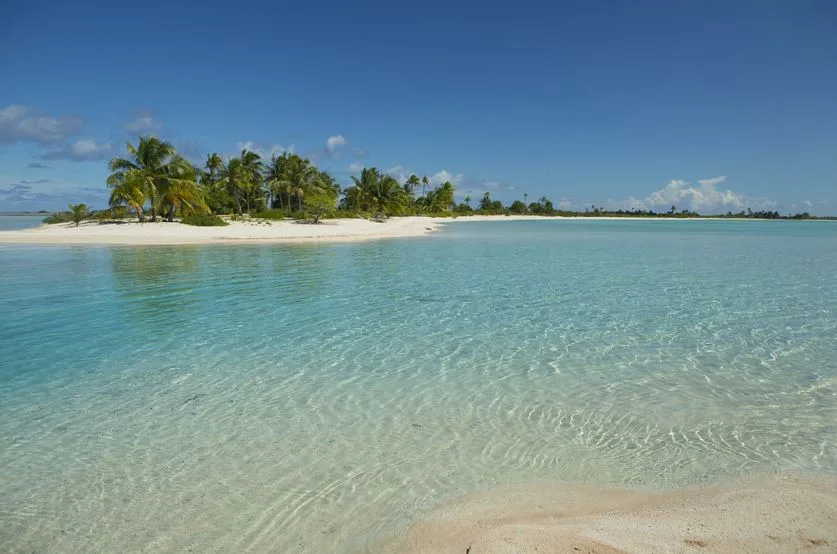
Tureia Atoll, a place you might stop for a quick refuel, offers a surprising birding opportunity. Imagine landing on a strip of land surrounded by endless blue, with palm trees swaying gently. It feels pretty remote, and that's exactly the charm. We found ourselves heading towards the lagoon, guided by a local who knew just where to look. It was a bit of a surprise, not knowing what to expect, but that's part of the adventure, right? We managed to spot a few different types of birds just by their shapes.
A plover, hopping along the shore.
A longer-billed shorebird, probing the sand.
A heron-like bird, standing still near the water's edge.
A swift tern, gliding effortlessly overhead.
Identifying them later, with the help of online resources, turned out to be a fun challenge. It’s amazing how much life can be found in these seemingly simple island ecosystems. You can find similar remote island experiences in places like Fiji's hidden coves .
Identifying Shorebirds on Tureia
On Tureia, the shorebirds were particularly interesting. We saw what we identified as a Pacific Golden-Plover, a common sight in many parts of the world but still special to see here. Then there was the Wandering Tattler, a bird that travels vast distances. Its presence on such a small atoll highlights the incredible journeys these birds undertake. We also spotted a Pacific Reef-Heron, and it was fascinating to see the white morph of this bird against the blue water. It really makes you appreciate the diversity of bird species that rely on these atolls for survival.
Encounters with Reef-Herons
The Pacific Reef-Heron, in its various color forms, is a common sight around the lagoons and coastlines of French Polynesia's atolls. On Tureia, we encountered the white morph, a striking bird standing calmly by the water. These herons are often seen wading in shallow waters or perched on rocks, patiently waiting for their next meal. They are a reminder of the resilient nature of wildlife in these exposed environments. It's not uncommon to see them on islands like Palmerston Island , which also hosts a variety of seabirds. Observing these birds in their natural habitat, undisturbed by human activity, is a truly special experience.
Conservation Efforts and Sanctuaries
Protecting the unique birdlife of French Polynesia is a big job, and thankfully, there are dedicated folks working on it. It's not just about admiring these feathered friends; it's about making sure they stick around for future generations. Many species here face serious challenges, and conservation groups are stepping up to help.
Protecting Tahitian Native Bird Sanctuaries
Several areas have been set aside as sanctuaries, giving native birds a safe place to live and breed. These protected zones are super important for species that are struggling. Think of them as safe havens where the birds can avoid some of the biggest threats they face. It’s a proactive approach to bird preservation.
The Role of Ornithology Societies
Ornithology societies, like the Ornithology Society of Polynesia, play a massive part in this. They're often the ones out there doing the hands-on work. This includes things like monitoring nests, especially for birds like the critically endangered Tahiti Monarch. Researchers and volunteers spend a lot of time tracking bird populations, understanding their needs, and figuring out the best ways to help them thrive. They also work on habitat restoration projects, which is pretty vital.
Here's a look at some of the work being done:
Nest Monitoring: Keeping a close eye on nests to protect eggs and chicks from predators and other dangers.
Habitat Restoration: Replanting native vegetation that birds rely on for food and shelter.
Community Outreach: Educating local communities about the importance of bird conservation and how they can help.
Research: Studying bird behavior, population trends, and the impact of environmental changes.
Threatened Species in French Polynesia
It's a sobering fact that French Polynesia has a significant number of threatened bird species. Some are critically endangered, meaning they are at a very high risk of extinction in the wild. For example, several ground doves and lorikeets are on the brink. The numbers paint a stark picture:
These figures highlight the urgency of conservation efforts. It's a race against time for some of these birds. Supporting organizations involved in reef-safe resorts and conservation can make a difference, as sustainable tourism often goes hand-in-hand with protecting natural habitats. The work being done on land, like protecting areas similar to The Coral Garden in Tahaa , is just as important for the overall health of the ecosystem.
Endemic Species and Their Habitats
French Polynesia is home to some truly unique birds, species you won't find anywhere else on Earth. It's pretty amazing to think about. These endemic birds have adapted to the specific environments of these islands over a long time. Sadly, many of them are in trouble.
Kuhl's Lorikeet of Rimatara
The Kuhl's Lorikeet, also known as the Rimatara Lorikeet, is a small, brightly colored parrot. It used to be found on several islands, but now its main stronghold is Rimatara. This little guy is a real gem of the Polynesian avifauna. Its survival is closely tied to the health of the island's forests.
Here's a look at some of the lorikeet's characteristics:
Coloration: Mostly green with a red forehead and blue on its crown and belly.
Diet: Primarily feeds on nectar, pollen, and fruits from native trees.
Habitat: Prefers dense native forest, especially areas with flowering trees.
Conservation efforts are ongoing to protect this vulnerable species. It's a tough situation for many of these island birds.
Ground Doves of the Marquesas
The Marquesas Islands have their own special ground doves. We're talking about species like the Marquesan Ground Dove and the Polynesian Ground Dove. These birds are ground-nesters, which makes them particularly susceptible to predators. Their populations have really taken a hit over the years.
These doves are an important part of the Marquesan ecosystem, but their future is uncertain without dedicated protection. It's a stark reminder of how fragile island life can be.
Warblers of French Polynesia
French Polynesia's warblers are another group of endemic birds facing challenges. The Tahiti Warbler, for instance, is found only on Tahiti. Its habitat is shrinking, making it harder for the species to thrive. You can find information on birdwatching opportunities in places like the Papenoo Valley which might offer glimpses of native species.
Other warblers, like the Rimatara Warbler, are also critically endangered. The ongoing work to understand and protect these birds is vital for their long-term survival. Exploring the diverse natural environments of these islands can be a rewarding experience for nature lovers interested in spotting these rare species in their natural island habitats .
So, What's Next for the Feathered Friends of French Polynesia?
So, that's a wrap on our little bird-watching journey through French Polynesia. It's pretty amazing how many different kinds of birds call these islands home, from the ones you see soaring high above to the tiny ones flitting through the trees. We saw some really cool ones, and honestly, there are even more out there that we didn't get to spot this time around. It just goes to show that there's always something new to discover, whether you're a seasoned birder or just someone who enjoys looking up. Keep your eyes peeled, and maybe you'll see some of these amazing creatures on your own adventures!
What are some of the most common seabirds I might see in French Polynesia?
You'll likely see magnificent Frigatebirds soaring high above the islands, especially around places like Moorea. Keep an eye out for the elegant White-tailed Tropicbirds with their long tails, and the graceful White Terns, which often nest in coconut trees. These birds are a beautiful sight against the blue sky and ocean.
Are there any birds in French Polynesia that are in danger of disappearing?
Yes, sadly, some forest birds are struggling. The Tahiti Monarch is one example. Conservation groups are working hard to protect its home and monitor its nests. It's important to learn about these special birds and how we can help them survive.
Besides seabirds, what other kinds of birds live in French Polynesia?
The islands are home to a variety of birds! You might spot the colorful Society Kingfisher, often near water. The Pacific Swallow is a swift flyer, and in the dense forest canopies, you might catch a glimpse of the beautiful Fruit Doves. Each island has its own unique mix of birdlife.
What is special about the birds on remote islands like Tureia Atoll?
Exploring remote atolls like Tureia offers a chance to see different birds. You might find shorebirds busy along the beaches and lagoons. Pacific Reef-Herons are also common sights. These less-visited places can be fantastic for birdwatching, offering a glimpse into a more untouched natural world.
What is being done to protect the birds in French Polynesia?
There are dedicated efforts to safeguard the native birds. This includes creating protected areas and sanctuaries for them. Ornithology societies and researchers play a big role in studying these birds, understanding the threats they face, and working to ensure their future.
Are there any birds found ONLY in French Polynesia?
Absolutely! French Polynesia is home to several endemic species, meaning they are found nowhere else on Earth. A notable example is the Kuhl's Lorikeet, which lives on Rimatara island. The Marquesas Islands also have unique Ground Doves, and various Warblers inhabit different parts of the region.