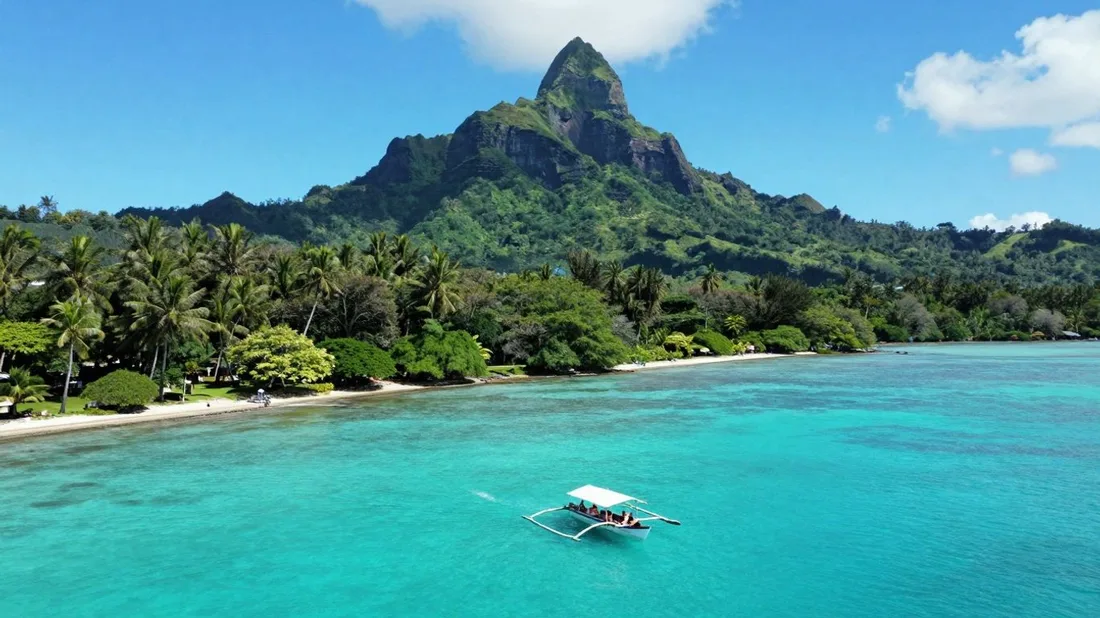
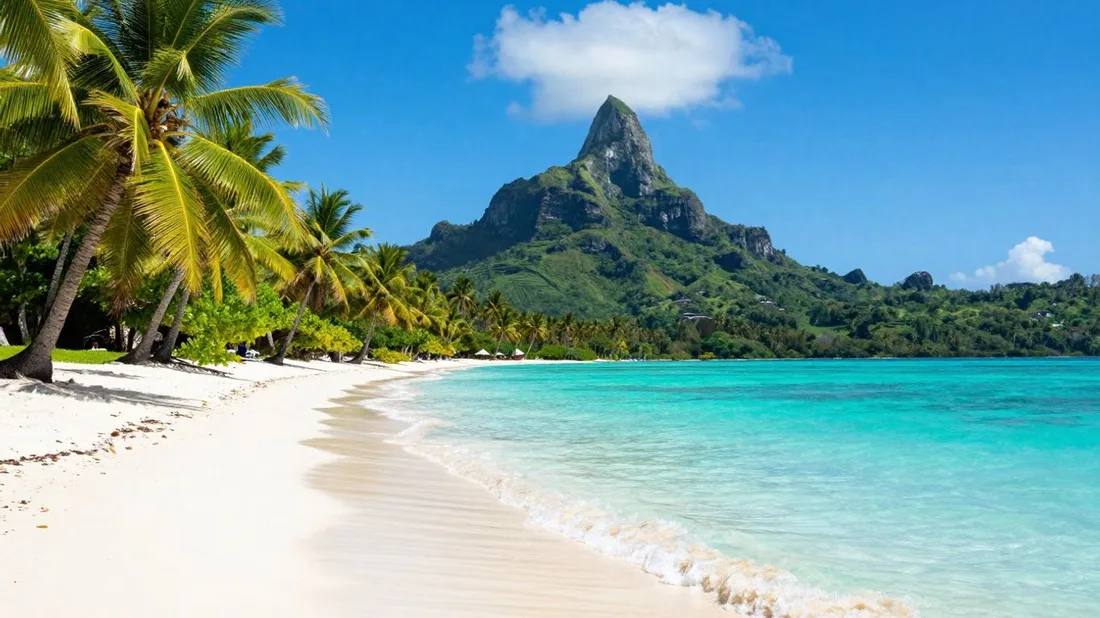
Thinking about doing something really cool and helpful for the planet? Maybe you love the ocean and want to lend a hand. Well, there are these volunteer trips where you can actually help fix up coral reefs. It's a chance to see amazing places, learn new things, and make a real difference. This article is all about what you can expect if you decide to join a Tahitian coral restoration trip.
Key Takeaways
Volunteering in Tahitian coral restoration involves hands-on work like growing coral fragments and cleaning up reefs.
You'll learn about different coral types and how to care for them in nurseries.
These trips offer a chance to improve your diving skills and learn about marine conservation.
Your efforts directly help damaged reefs recover and support marine life.
Participating in Tahitian coral restoration provides a unique cultural experience alongside conservation work.
The Importance of Coral Reefs
Coral reefs are like the bustling cities of the ocean. They're home to a quarter of all marine life, even though they only cover a tiny fraction of the seafloor. Think of them as underwater apartment buildings, packed with fish, invertebrates, and all sorts of other creatures looking for food and shelter. Beyond just being a cool place for sea critters, reefs do a lot for us humans too. They act as natural barriers, protecting coastlines from big waves and storms, which is super important for communities living near the sea. Plus, they support fisheries that feed millions and bring in tourism dollars. These vibrant ecosystems are truly vital for both ocean health and human well-being.
Threats Facing Coral Ecosystems
Unfortunately, these amazing underwater worlds are in trouble. They're facing a lot of pressure from different sides. Climate change is a big one, causing ocean temperatures to rise. When the water gets too warm, corals get stressed and can expel the colorful algae that live inside them, turning white. This is called coral bleaching, and if it lasts too long, the coral can die. Pollution is another major issue. Runoff from land, carrying things like fertilizers and sewage, can smother corals or cause algae to grow too much, blocking sunlight. Overfishing can also disrupt the delicate balance of the reef ecosystem. And then there's physical damage from things like boat anchors dropping carelessly or destructive fishing practices.
The Role of Coral Restoration
Given all these threats, it's clear that just hoping for the best isn't going to cut it. That's where coral restoration comes in. It's basically like a marine gardening project. Scientists and volunteers work to help damaged reefs recover. This often involves growing new coral fragments in underwater nurseries and then transplanting them back onto degraded reef areas. It's a hands-on way to give nature a helping hand. The goal isn't to replace natural recovery processes entirely, but to speed things up and give reefs a fighting chance against the damage they've sustained. It's about actively rebuilding these crucial habitats so they can continue to support marine life and protect our coasts.
Embarking on Your Tahitian Coral Restoration Journey
So, you're thinking about diving into coral restoration in Tahiti? That's awesome! It's a big step, but totally doable. The first thing you'll want to do is figure out which volunteer program actually fits you. There are a bunch out there, and they can be pretty different.
Choosing the Right Volunteer Program
When you're looking at programs, think about what you really want to get out of it. Some focus more on the hands-on planting and nursery work, while others might have a bigger emphasis on research and data collection. It's also good to check out the organization's track record – are they actually making a difference? Look for programs that are transparent about their methods and results.
, coral gardening, research, education)?
Location: Are you looking for a specific island or atoll?
Duration: How long can you commit? Some programs are short, others are longer.
Preparing for Your Trip
Once you've picked a program, it's time to get ready. This isn't just about packing your bags, though that's important too! You'll want to make sure you're physically ready for the work. If you're not a strong swimmer or comfortable in the water, maybe do some practice sessions beforehand. Also, brush up on any basic marine biology you can – it'll make the experience even richer.
What to Expect as a Volunteer
Expect to get your hands dirty, or rather, wet! Most days will involve spending time in the water, doing everything from cleaning coral nurseries to helping attach new fragments. You'll likely be working alongside local staff and other volunteers, so teamwork is a big part of it. Evenings might involve workshops or just chilling out and getting to know everyone. It's a chance to learn a ton and contribute directly to reef health. You'll also find that the days can be long, but incredibly rewarding. It's not a vacation, it's a working trip, but the setting is pretty amazing.
Key Volunteer Tasks in Tahitian Coral Restoration
So, you're thinking about getting your hands dirty, or rather, wet, helping out with coral restoration in Tahiti? Awesome! It's not just about looking at pretty fish (though there are plenty of those). You'll actually be doing some important work. Your efforts directly contribute to giving damaged reefs a second chance.
Here's a breakdown of what you might actually be doing:
Coral Identification and Propagation
Before you can fix things, you need to know what you're dealing with. This involves learning to tell different coral species apart – some look pretty similar, trust me. Once you can identify them, you'll learn the techniques for fragging, which is basically taking small pieces of healthy coral and preparing them to grow into new colonies. It's like gardening, but underwater!
Maintaining Coral Nurseries
Think of these as underwater kindergartens for corals. You'll be visiting these nursery sites, often attached to frames or structures, to clean them. Algae can grow on the coral fragments, and you'll gently remove it so the corals can get the sunlight they need. You'll also check if the fragments are securely attached and healthy.
Underwater Surveys and Data Collection
This is where you become a reef detective. You'll be trained to conduct surveys to assess the health of the reef. This could involve counting specific types of fish, noting the presence of certain invertebrates, or looking for signs of stress or disease on the corals. All this information is super important for scientists to track the reef's progress and understand what's working.
Marine Debris Removal Dives
Unfortunately, our oceans have a trash problem. You'll participate in dives specifically aimed at removing any plastic, fishing gear, or other human-made junk that's ended up on the reef. This is vital because debris can smother corals, damage them physically, and even entangle marine life. It's a tough job, but incredibly satisfying when you see a cleaner patch of reef afterwards.
A Typical Day in Tahitian Reef Conservation
So, what's a day actually like when you're out there helping the reefs in Tahiti? It's a mix of hands-on work, learning, and just soaking in the incredible environment.
Morning Restoration Activities
Your day usually kicks off pretty early. After a quick breakfast, you'll head out for the main conservation tasks. This often involves getting in the water, either snorkeling or doing a shallow dive, depending on the specific activity. You might be tending to the coral nurseries, which means checking on the baby corals, cleaning them, or making sure they're securely attached.
Checking the health of coral fragments.
Cleaning algae off nursery structures.
Attaching new coral fragments to frames.
Sometimes, the morning is dedicated to underwater surveys. This is where you'll be carefully observing and recording data about the reef's condition, noting any changes or issues you spot. The goal is to be thorough and consistent with your observations.
Afternoon Learning Sessions
After a break for lunch and some downtime, the afternoons are often geared towards education. This is your chance to really deepen your knowledge. You might attend a workshop on identifying different coral species, learning about the threats they face, or understanding the science behind the restoration techniques you're using.
Other afternoons could involve more data entry from the morning's surveys or perhaps another short dive focused on a specific task, like removing any marine debris that's found its way onto the reef.
Evening Relaxation and Community
Evenings are generally your own time. You can relax, chat with fellow volunteers, or explore the local village a bit. Some programs might organize optional talks or social gatherings, giving you a chance to connect with the local community and learn about their culture. It's a good time to recharge before another day of making a difference.
Skills Gained Through Coral Restoration Volunteering
So, you're thinking about signing up for a coral restoration trip? That's awesome! Beyond just doing a good deed for the ocean, you'll actually come away with some pretty neat skills. It's not just about getting your hands dirty (or, well, wet); you're learning practical stuff that can be useful in a bunch of ways.
Marine Conservation Expertise
This is probably the most obvious one. You'll learn about what makes coral reefs tick, why they're in trouble, and what we can actually do to help them bounce back. It’s more than just knowing that corals are important; you'll get a feel for the whole ecosystem. You'll start to recognize different types of corals and understand the threats they face firsthand, not just from a documentary.
Identifying coral species: Learning to tell your staghorn from your brain coral.
Understanding reef health indicators: What to look for to see if a reef is doing well or struggling.
Recognizing signs of stress: Like bleaching or disease, and what causes them.
Research and Monitoring Techniques
Volunteering here isn't just about planting corals. You'll be part of the team collecting important data. This means learning how to properly survey a reef, count fish, or check the condition of existing coral structures. These aren't just random tasks; they're part of a bigger scientific effort to track reef recovery.
Here’s a peek at what you might do:
Coral fragment collection and attachment: Learning the best methods to safely collect small pieces of coral and secure them to frames or existing structures.
Underwater surveys: Using specific methods to record data on coral cover, fish populations, and the presence of any issues.
Data logging: Accurately recording your findings, which helps scientists understand the progress of restoration efforts over time.
Improved Diving and Snorkeling Proficiency
If you're already a diver or snorkeler, this is a fantastic way to get even better. You'll spend a lot of time in the water, often in different conditions. This means you'll naturally improve your buoyancy, your ability to move efficiently underwater, and your comfort level in the marine environment. You might even pick up some specialized techniques for working underwater, like how to handle tools or equipment without disturbing the reef.
It’s a great way to build confidence and become a more capable ocean explorer.
Rehabilitating Damaged Reefs
When you join a coral restoration trip, you're not just taking a vacation; you're actively helping to bring damaged reefs back to life. Think of it like being a gardener for the ocean. You'll be involved in tasks that directly help coral grow and attach to areas where it's been lost. This isn't just about making things look pretty; it's about rebuilding entire underwater communities. Healthy reefs mean more fish, better coastlines, and a more vibrant ocean for everyone.
Supporting Marine Biodiversity
Coral reefs are like bustling cities underwater, home to a quarter of all marine life. When reefs suffer, so do the countless species that rely on them for food, shelter, and breeding grounds. Your work directly contributes to creating a safer, more stable environment for these creatures. It’s about giving fish, turtles, and all sorts of other sea critters a place to call home again. Every piece of coral you help plant is a step towards a richer, more diverse ocean.
Educating Local Communities
Your presence and efforts as a volunteer also have a ripple effect beyond the reef itself. You'll interact with local communities, sharing your experiences and the importance of conservation. This can inspire them to become stewards of their own marine resources. Sometimes, volunteers even help with educational programs for local kids, spreading awareness about ocean health. It’s a way to build a shared commitment to protecting these precious ecosystems for the long haul.
Travel and Accommodation
Getting to your Tahitian coral restoration adventure usually involves flying into Faa'a International Airport (PPT) in Papeete. From there, you'll likely take a domestic flight to a smaller island, depending on your specific program's location. Think of it as a two-part journey to reach paradise. Others might partner with guesthouses or small resorts.
Program Duration and Requirements
Most coral restoration trips have a minimum stay, often around two weeks, though longer commitments are usually welcomed and sometimes encouraged. This allows you to really get into the rhythm of the work and see the impact you're making. As for requirements, you'll generally need to be comfortable in the water, either snorkeling or diving. If you're planning on diving, having a certification is usually a must, though some programs offer training. A general level of fitness is also helpful, as you'll be spending time in the sun and potentially carrying equipment.
Included and Excluded Costs
When budgeting for your trip, it's good to have a clear picture of what's covered. Some programs also throw in local excursions or airport transfers. What's usually not included?
Here's a general breakdown:
Weekly Excursions and Activities
) with coral restoration. That's awesome! But the adventure doesn't stop when the work is done. The Tahitian atolls are seriously beautiful, and the programs usually build in time for you to actually see them. Think of it as a reward for all your hard work. Most trips include at least one big excursion each week, and sometimes there are smaller, spontaneous outings too.
These aren't just random trips; they're designed to give you a real feel for the place. You might find yourself hopping on a boat to explore a nearby uninhabited island, which is pretty cool. Or maybe it's a special snorkeling trip to a spot known for amazing marine life – imagine swimming with sea turtles or spotting colorful fish you haven't seen before. Some groups even go out looking for dolphins or try their hand at some traditional fishing. It really depends on the season and what's happening locally, but the goal is always to show you the natural wonders of the area.
Experiencing Local Culture
It's not just about the ocean, though. These trips are also a fantastic chance to connect with the local Tahitian culture. You'll likely be staying on or near an island where people live, and interacting with them is a big part of the experience. You get to see how life is lived outside the tourist bubble, which is pretty eye-opening. Learning about their traditions and way of life adds a whole other layer to the trip.
), and just generally soak in the atmosphere. It’s a chance to understand the community you’re helping and to appreciate the human side of conservation. You might even pick up a few words of the local language or learn about traditional crafts. It’s these kinds of interactions that often stick with you long after you’ve left.
Discovering Marine Life
Beyond the specific restoration sites, the waters around the Tahitian atolls are teeming with life. Even on your days off, you'll have chances to see incredible marine creatures. The house reefs, often right near where you're staying, are usually fantastic spots for snorkeling or casual dives. You can expect to see a wide variety of tropical fish, from tiny, brightly colored ones to larger species. Keep an eye out for graceful sea turtles gliding by, or maybe even some harmless reef sharks patrolling the waters. It’s a constant reminder of why your restoration work is so important – protecting this vibrant underwater world.
So, while you're there to help the reefs, don't forget to take a moment to just marvel at the natural beauty surrounding you. It’s a pretty special place, and experiencing it fully is part of what makes these volunteer trips so memorable.
Reef Guru Coral Restoration Course
So, you're thinking about getting more hands-on with coral conservation? That's awesome! The Reef Guru Coral Restoration Course is a fantastic way to start. It’s not just about learning; it’s about doing. You’ll get right into the action, learning how to identify different coral species, which is super important for knowing what to work with. Then, you’ll practice propagation – basically, growing new corals from fragments. It’s a bit like gardening, but underwater! You’ll also get a solid lesson in buoyancy control, which is key to not damaging anything while you’re working. This course is designed to give you the practical skills needed to actively participate in reef rehabilitation efforts.
PADI Specialty Certifications
Beyond the Reef Guru program, there are PADI specialty certifications that can really boost your abilities and recognition. Think about the PADI Coral Watch Diver specialty. This one teaches you how to monitor coral health using specific methods and how to submit that data. It’s a great way to contribute to ongoing research. Another useful one is the PADI Dive Against Debris specialty. We all know trash is a huge problem for reefs, and this course trains you to safely remove marine debris while you’re out on dives. These certifications add a professional edge to your volunteer work.
Global Recognition for Restoration Efforts
Completing these courses means you’re not just a volunteer; you’re becoming a trained coral restoration diver. This kind of training is recognized globally. When you finish programs like Reef Guru or gain PADI specialties, you get a certificate. This shows you have the skills to help with coral restoration projects anywhere in the world. It’s a tangible way to prove your commitment and ability to contribute to marine conservation. You might even find yourself assisting with efforts to restore damaged reefs, contributing to the survival of these vital underwater ecosystems .
The Long-Term Vision for Reef Health
So, you've spent time out there, hands-on, helping to rebuild these underwater cities. It feels good, right? But what happens after you leave? The goal isn't just a quick fix; it's about setting up a future where these reefs can thrive on their own. Think of it like planting a garden. You don't just throw seeds around; you prepare the soil, water them, and protect them until they can grow strong. That's what we're doing here, but on a much grander scale, underwater.
Empowering Future Marine Conservationists
). It's also about passing the torch. The programs here often work with local communities, training young people to become the next generation of reef guardians. They learn the same skills you do – how to grow coral, how to monitor its health, and why it all matters. This local involvement is key to making sure the work continues long after the volunteers head home. It builds a sense of ownership and pride in protecting their own natural treasures.
Your Role in Protecting Ocean Ecosystems
When you sign up for one of these trips, you're doing more than just volunteering for a week or two. You're becoming part of a bigger movement. The data you help collect, the coral fragments you attach, the trash you pull from the water – it all adds up. It helps scientists understand what's happening, guides restoration efforts, and shows the world that people care. It's a tangible way to contribute to the health of our oceans, one coral fragment at a time. You're not just a tourist; you're a temporary, but important, caretaker of this incredible environment.
Making a Difference, One Coral at a Time
So, you've learned a bit about what goes into helping coral reefs bounce back. It's not just about pretty dives, though those are a perk. It's about getting your hands dirty, learning new things, and actually doing something to help these underwater cities. Whether you're attaching tiny coral bits or cleaning up the reef, every bit of effort counts. If you're looking for a trip that feels good and does good, signing up for a coral restoration volunteer trip might just be the perfect adventure.
What exactly is coral restoration?
Coral restoration is like giving damaged coral reefs a helping hand. It involves activities like growing new coral pieces in special underwater 'nurseries' and then attaching them to areas where reefs have been hurt. The goal is to help these underwater cities bounce back and thrive again.
Why are coral reefs so important?
Think of coral reefs as busy underwater towns! They provide homes for tons of fish and sea creatures, which is super important for ocean life. They also act like natural walls, protecting coastlines from big waves and storms. Plus, they're beautiful places that many people love to visit and explore.
What kind of work will I do as a volunteer?
As a volunteer, you'll get hands-on experience! You might help grow coral fragments, attach them to structures, keep an eye on the health of the reefs by collecting information, or even help clean up trash from the ocean floor. You'll learn a lot about marine life and how to care for it.
Do I need to be a great swimmer or diver to help?
You don't need to be an expert diver to start! Many programs welcome beginners and can help you get certified. Some tasks can even be done while snorkeling. The most important thing is wanting to help and being willing to learn.
What should I expect on a typical day?
Your days will likely be a mix of activities. Mornings might be spent doing hands-on restoration work in the water, like tending to coral nurseries or doing surveys. Afternoons could involve learning more through workshops or data entry. Evenings are often free to relax or connect with others.
What will I learn from this experience?
You'll gain awesome skills! You'll learn a lot about marine conservation, how to identify different types of coral, and how scientists monitor reef health. Your diving or snorkeling abilities will likely get much better too, and you'll understand the ocean's challenges better.
How long do these trips usually last?
Trip lengths can vary, but many programs suggest a minimum stay of two weeks to really get involved. Some people choose to stay longer, maybe three or four weeks, especially if they need to get diving certifications. This gives you more time to learn and contribute.
What costs are usually involved?
It's always good to check exactly what's included and what's extra before you book.
Confirm current details
Check the program’s current dates, fees, diving requirements and what participants actually do before signing up.