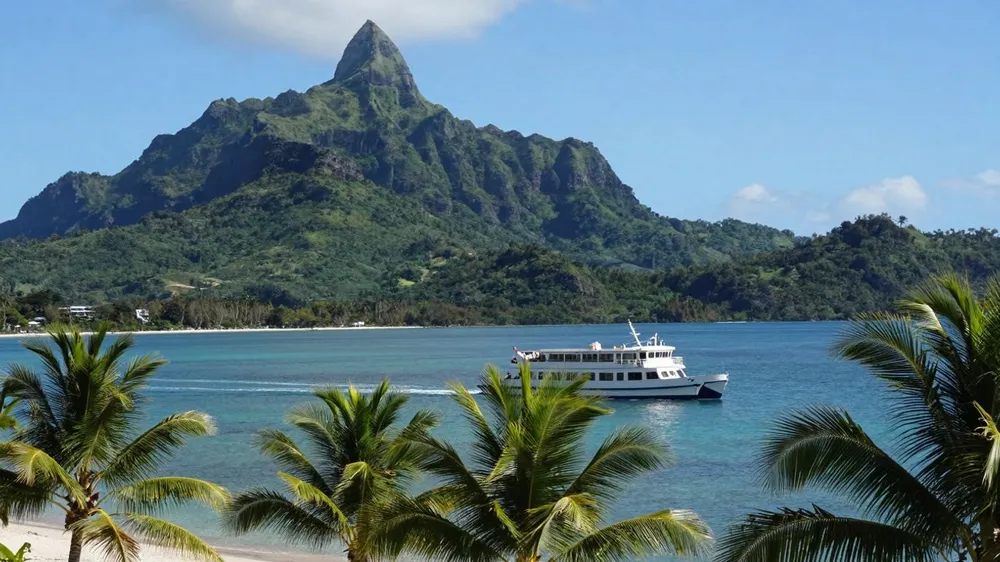
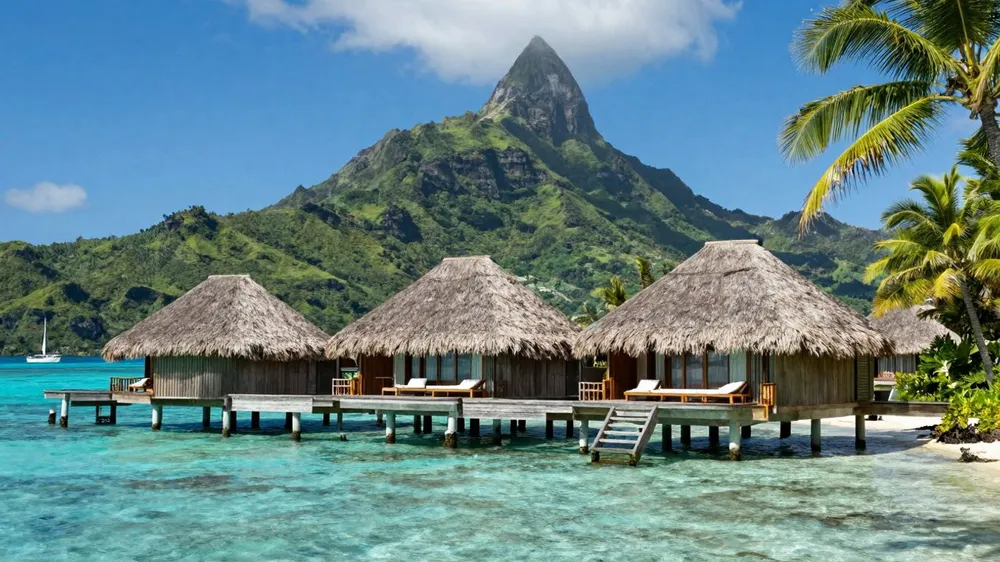
Thinking about visiting Tahiti and catching a glimpse of some whales? You're in luck! The Tahiti whale migration brings these incredible creatures to the warm waters each year, offering a truly special experience. It’s not just about seeing them, though; it’s about understanding when and how to best witness this natural wonder. Let's break down the best times and ways to experience the Tahiti whale migration.
Key Takeaways
Swimming with whales is possible and ethically managed in French Polynesia, but it's strictly regulated to protect the animals.
Booking whale watching excursions in advance, especially during peak months, is highly recommended due to popularity.
1. Peak Whale Watching Season
When you think about visiting Tahiti for whales, you're probably wondering about the absolute best time to go.
During this peak period, the waters around French Polynesia become a nursery and resting spot for majestic humpback whales. They make the long journey from the chilly Antarctic waters to these warmer, calmer seas. Why? To give birth, nurse their young calves, and generally take a break before heading back south. It's a massive migration, one of the longest for any mammal on Earth.
Here's a quick rundown of what to expect during the prime months:
You'll see more whales, and the activity starts to get more intense. It's a great time to start your trip.
The highest concentration of whales is usually seen now, with lots of active calves and generally good ocean conditions for viewing.
It's your last solid chance for peak activity.
Planning your trip around these months means you're more likely to witness these gentle giants. It's a truly awe-inspiring experience that many travelers find to be the highlight of their visit to French Polynesia .
2. August Whale Sightings
You'll find more humpback whales making their way into the warmer waters, often with calves in tow. This is a fantastic month to catch these gentle giants as they settle into their breeding and calving grounds.
The waters are generally still quite pleasant, making for comfortable boat trips.
Here's a general idea of what to expect:
Increased Numbers: More whales are arriving daily.
Calf Sightings: It's common to see mothers with their young calves.
Active Behavior: Whales might be more active as they get accustomed to the new environment.
You might even catch some of the dramatic breaches or tail slaps that humpbacks are famous for. Planning your trip around Tahiti's dramatic landscapes can make for an even more memorable vacation.
3. September Whale Encounters
The conditions are usually fantastic, and the number of humpback whales here is at its peak. You'll find a really high concentration of these gentle giants, and it's a great month to see mothers with their calves.
This is when the whale activity really intensifies, making it a top choice for anyone hoping for incredible sightings.
High Whale Numbers: Expect to see more whales than in the preceding or following months.
Active Calves: It's a prime time to witness playful calves interacting with their mothers.
Ideal Ocean Conditions: The seas are typically calmer, making for smoother boat rides and better visibility.
Breeding and Nursing: Whales are here for reproduction and to care for their newborns, so you'll see a lot of family activity.
It's a good idea to book your whale watching excursions in advance, as this is a popular time to visit. You can find some great whale watching tours that operate during this period.
Many operators offer specialized trips, and some even allow for the unique experience of swimming with whales, though this is strictly regulated to protect the animals. It's a truly humbling experience to be in the water with these massive, yet graceful, mammals.
4. October Whale Activity
Many of the humpback whales are still around, and you'll often find mothers with their calves. It's a really good month for those last-chance sightings before they start heading back south.
You're likely to see plenty of breaches and tail slaps as the whales continue their routines in the warm waters.
Here's a general idea of what to expect:
Continued Humpback Presence: Most of the humpback whales that arrived earlier in the season are still present.
Calf Activity: You'll likely see mothers and their young calves, which are always a special sight.
Behavior: Expect to see playful behavior, including breaches and fluke slapping, as they prepare for their long journey.
Decreasing Numbers: While still strong, whale numbers will gradually start to decrease as the month progresses.
It's a good idea to book in advance, especially if you're interested in specific types of tours, like swimming with whales which is still permitted.
5. July Whale Season Start
While the absolute peak is still a little way off, this is when the first humpback whales start making their grand entrance. They're traveling all the way from Antarctica, a journey of thousands of kilometers, to find warmer waters to rest, breed, and give birth.
It's a great time to get a head start on your whale watching adventure before the biggest crowds arrive. The waters are generally calmer, and the whales are often more relaxed as they settle into their new environment.
Early arrivals: The first pods begin to appear.
Fewer boats: Less competition for prime viewing spots.
Calm seas: Often provides smoother sailing and better visibility.
Many people choose to visit islands like Rurutu, known as the "whale island," for its incredible whale encounters. You can find out more about the diverse experiences French Polynesia offers, from whale watching to exploring unique islands like Rurutu and Tubuai .
6. November Last Chance Sightings
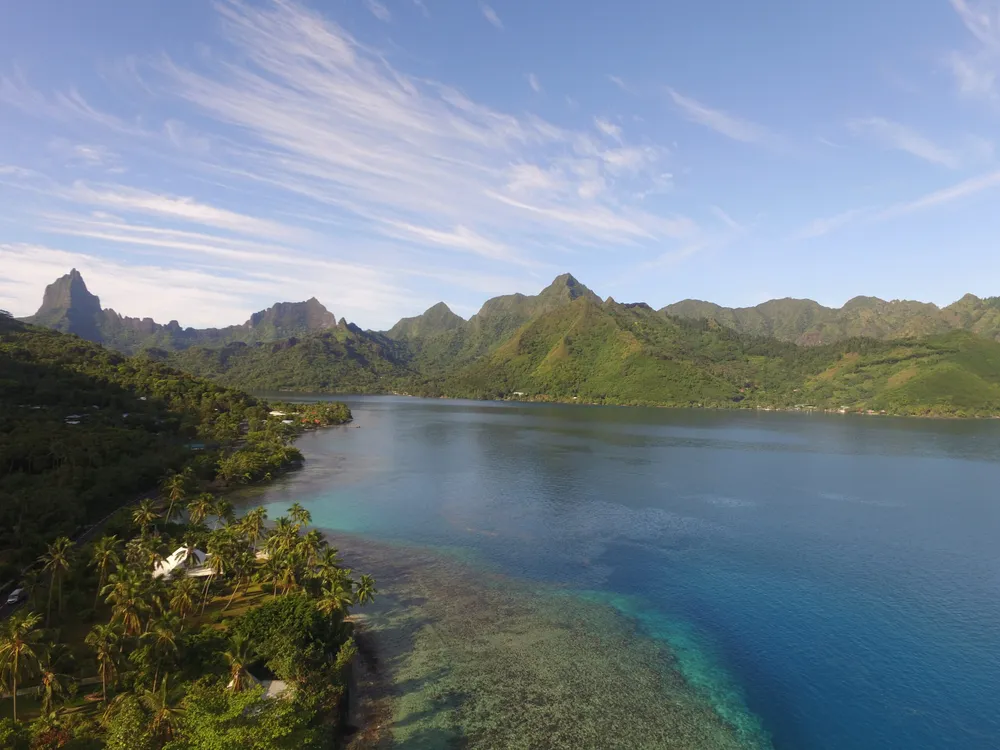
It's definitely a 'last chance' scenario, so if you're planning a trip towards the end of the year, keep your eyes peeled. The weather can be a bit more unpredictable this time of year, with the wet season starting to creep in, so flexibility with your plans is key.
Here's a quick look at what to expect:
Fewer whales: The bulk of the migration has passed.
Potential for rain: The weather starts to shift.
Quieter tours: You might find fewer boats out on the water.
Remember to check with local operators about their schedules and expectations for this time of year. You might even find some great deals on excursions as the season wraps up. It's a good time to consider Bora Bora's magic with excursions if you're looking for other activities too.
7. Swimming With Whales
It's not just about jumping in the ocean; it's a carefully managed activity that prioritizes the well-being of the whales. The goal is to have a passive encounter, allowing the whales to approach you on their own terms.
These excursions are highly regulated to ensure minimal disturbance. Operators adhere to strict guidelines regarding group size, interaction time, and distance from the animals. Typically, you'll be in small groups, equipped with masks, snorkels, and fins, ready to slip into the water when the opportunity arises. The experience is about observation and quiet presence, not active pursuit.
Here's what you can generally expect:
Briefings: Guides will explain whale behavior, safety protocols, and ethical guidelines before you even leave the shore.
Water Entry: You'll enter the water calmly, usually from a boat, and wait for whales to show interest.
Passive Observation: The focus is on observing their natural movements and interactions without interfering.
Respectful Distance: While you're in the water, maintaining a respectful distance is paramount. Guides will ensure this.
It's a profound experience, often described as humbling and awe-inspiring. Witnessing a humpback whale glide through the water beside you, or seeing a mother and calf interact, is something that stays with you long after you've returned to shore. This kind of interaction is a privilege, and the regulations in place help preserve it for future generations. If you're considering this adventure, it's wise to book with reputable operators who are committed to ethical whale tourism .
8. Whale Watching Excursions
When you're ready to get out on the water, there are some fantastic ways to see the whales in Tahiti's waters. Booking an excursion is the most popular and practical way to find these gentle giants. Many tours focus on the humpback whales that migrate through during the season, offering a chance to witness their incredible journeys.
These excursions aren't just about spotting whales; they're about responsible tourism. Operators are usually certified by local authorities and follow strict guidelines to ensure the whales' well-being. This means maintaining a respectful distance and limiting observation times, especially around mothers and calves. It’s all about a peaceful encounter.
Here’s what you can generally expect from a whale watching trip:
Small Group Sizes: To minimize disturbance, most tours limit the number of guests, often to around 6-8 people. This also means a more personal experience for you.
Knowledgeable Guides: Expect guides who are passionate about marine life and can share fascinating facts about whale behavior, migration patterns, and the local ecosystem.
This is a rare privilege, strictly managed to ensure safety and respect for the animals.
Focus on Ethics: Responsible operators prioritize the whales' peace.
The best tours tend to fill up quickly, so booking a couple of months in advance is often recommended. You can find a variety of options, from half-day trips to longer cruises in French Polynesia that might combine whale watching with exploring other islands.
9. Humpback Whale Migration
Every year, Tahiti becomes a temporary home for humpback whales, and it's all thanks to their incredible migration. These giants travel thousands of kilometers, a journey that's one of the longest for any mammal on Earth. They make their way from the colder waters of Antarctica all the way to the warm, calm seas around French Polynesia. Why? It's primarily for breeding and giving birth to their young. The tropical warmth offers a safer environment for newborn calves, who are born with less blubber than adults.
This massive movement isn't just a random swim; it's a well-timed, instinctual journey. During this period, the waters are teeming with activity. You'll see mothers with their calves, and often, males competing for attention. It's a truly spectacular sight, and a big reason why people flock to the islands during this time.
The journey covers over 6,000 km.
They seek warm waters for calving and nursing.
The migration is a vital part of their life cycle.
Observing this migration is a privilege. It's a chance to witness a natural wonder and understand the importance of these creatures. Many believe that seeing these whales is a deeply moving experience, connecting us to the wider ocean world. It's a reminder of the vastness and beauty of marine life and why protecting their habitats is so important. You can learn more about these amazing animals and their journeys by visiting Tonga for whale watching .
10. Ethical Whale Tourism
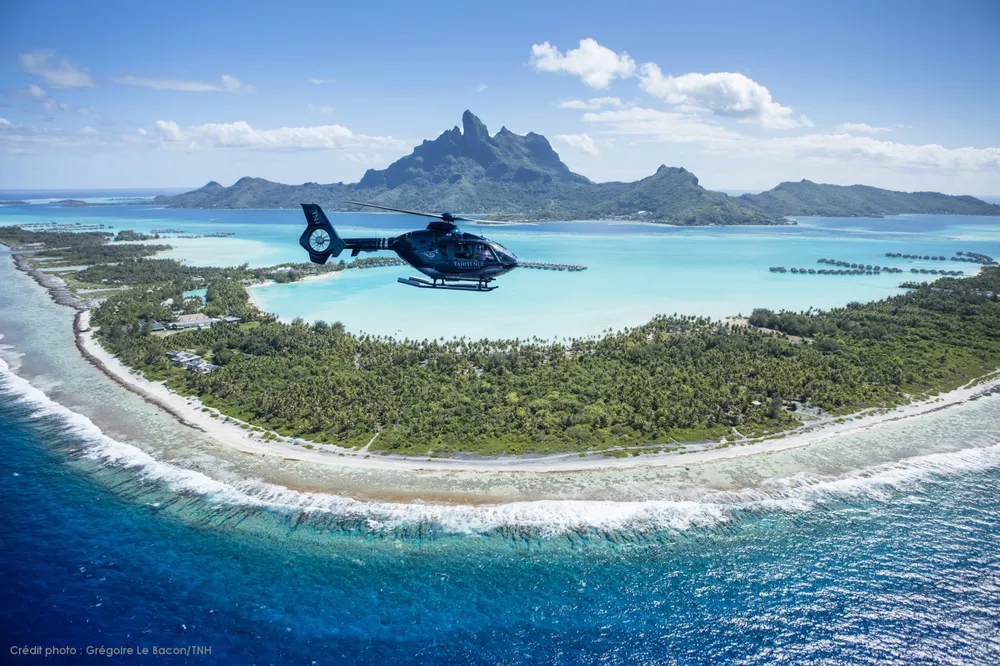
When you're thinking about seeing whales in Tahiti, it's super important to remember that these are wild animals in their home. French Polynesia has some really strict rules to make sure we don't bother them too much. It's not like a zoo; it's a privilege to be near them.
Here's a quick rundown of what makes whale tourism here ethical:
Respect the Distance: Boats need to stay at least 100 meters away from the whales, and if you're swimming, the rule is 30 meters. This gives them space to do their thing without feeling stressed.
We don't want to overstay our welcome.
No Separation: Never try to get between a mother and her calf, or block their path to shore. They need to feel safe and unhindered.
Small Groups: To minimize disturbance, tour operators often limit the number of people on a boat and in the water at one time. Some places are even looking at reducing group sizes further.
Being a responsible tourist means following these guidelines so that future generations can also experience the wonder of these magnificent creatures. It's all about observing them in a way that supports their well-being and the health of the ocean.
Ready for Your Whale Adventure?
So, you're thinking about heading to Tahiti to see some whales? Awesome choice! Whether you dream of seeing them breach from a boat or even getting in the water for a regulated swim, planning ahead is key. Book those tours early, especially if you're aiming for the peak months. It’s more than just a trip; it’s a chance to connect with nature in a really special way. Pack your bags, keep an eye on the weather, and get ready for an experience you won't soon forget.
When is the absolute best time to see whales in Tahiti?
This is when the most whales are around, the babies are active, and the ocean is usually calm.
What months are considered whale season in Tahiti?
During these months, humpback whales travel from Antarctica to the warmer waters near the islands to have their babies and rest.
Can I swim with whales in Tahiti?
Yes, you can! French Polynesia is one of the few places where swimming with whales is allowed and carefully managed. Special tours with trained guides take small groups out, and strict rules are followed to make sure the whales are not disturbed. It's a truly special experience.
Which island is the best for whale watching?
Moorea is often called the top spot for whale watching in French Polynesia. It's easy to get to from Tahiti and has lots of experienced tour guides who care about the whales. You might also see whales from the shore in Tahiti, and sometimes on Rurutu, a more remote island.
Are whale watching tours safe?
Yes, whale watching tours in Tahiti are generally very safe. The guides are experienced and follow strict rules to keep both the people and the whales safe. They know how to approach the whales respectfully and ensure a peaceful encounter.
What should I expect on a whale watching excursion?
On a whale watching trip, you'll likely go out on a boat with a knowledgeable guide. They'll help you find the whales and might share interesting facts about them. You could see whales jumping, playing, or swimming with their calves. Some tours also offer the chance to swim near them, following all the rules.
Is it possible to see whales from the beach?
Sometimes! However, to get closer and have a better chance of seeing them, a boat tour is recommended.
Why do whales come to Tahiti?
Humpback whales travel thousands of miles from the cold waters of Antarctica to the warm, safe lagoons of French Polynesia. They come here to give birth to their calves and nurse them. The warm water is perfect for the newborns, and it's a peaceful place for them to rest before their long journey back south.
Confirm current details
Whale season and viewing rules are set each year, so check the current dates and regulations with authorized operators before booking.
Use this guide for trip ideas, not a current quotation or a guarantee of access, safety, inclusions or availability. Confirm the requirements and conditions for your dates, destination and provider before booking.