Key Takeaways
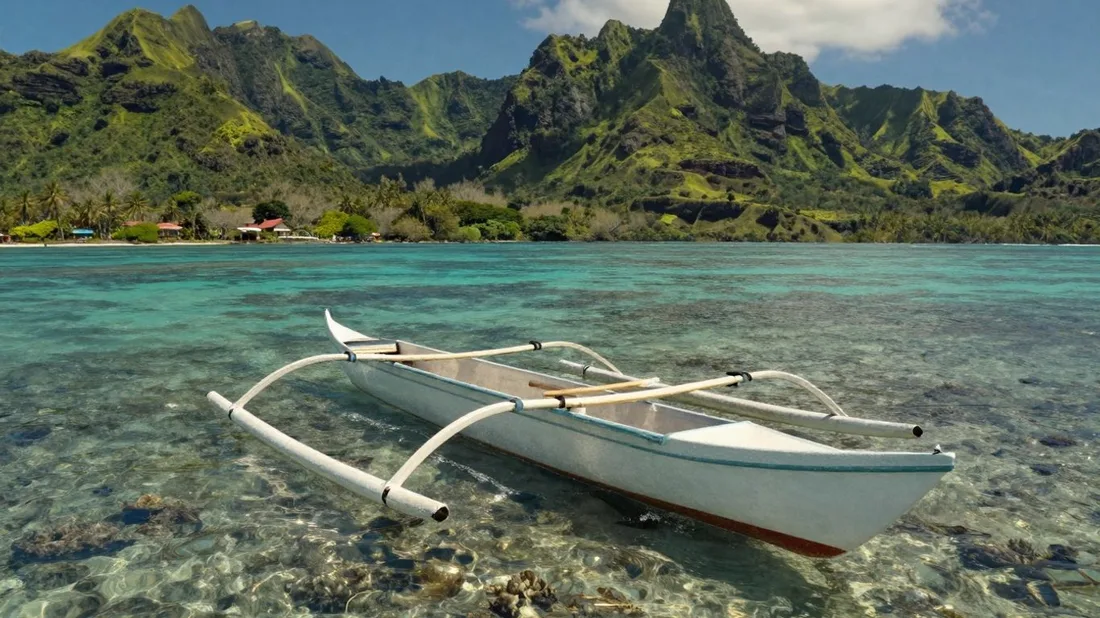
Tahiti offers great sunrise spots on its east coast and sunset views on the west, each with its own unique feel.
Black sand beaches, mountain overlooks, and quiet bays all provide different photo chances – don't limit yourself to just one type of spot.
Plan ahead by checking the weather and tides, and use GPS pins or offline maps to find less crowded locations.
Pack light but smart: bring a sturdy tripod, lens cloths, and something to protect your gear from salt and sand.
Respect the environment and local communities by following leave-no-trace guidelines and asking before taking photos in villages.
1. East Coast Beaches With Panoramic Views
Waking up early on Tahiti’s east coast is a must if you want to catch the sunrise. This side of the island faces the big Pacific Ocean, so it gets the first light of day. The beaches here are mostly black sand, stretching out wide, and usually, you'll only see a few locals out fishing or taking a morning stroll before the sun is fully up. It’s the perfect spot if you’re hoping for those dramatic sky colors – think oranges, pinks, and yellows – especially if there are some clouds rolling in.
The wide-open views here make it ideal for capturing the full sweep of the dawn.
Here’s a quick look at a few spots that are great for sunrise:
These beaches offer a chance to get some amazing photos without the usual tourist crowds. The quiet start to the day really adds to the whole experience, making it feel more special.
2. Belvédère de Taravao Overlook
If you're looking for a view that stretches across the isthmus connecting Tahiti Nui and Tahiti Iti, the Belvédère de Taravao overlook is your spot. It's about an hour's drive from Papeete, and honestly, the payoff is huge for how little effort you need to put in. The main overlook is right off the road, so no strenuous hikes required here.
On a clear morning, the lagoon below absolutely ignites with the sunrise. It’s a photographer’s dream, offering a sweeping panoramic view that’s hard to match. Low clouds sometimes hug the peaks, adding a dramatic flair to the scene. It’s a great alternative if you’re not keen on sandy beaches or want a different perspective of the island waking up.
Here’s what makes it a top pick:
Easy Access: Just search for "Belvédère de Taravao" on your GPS. The main viewpoint is conveniently located right by the road.
Panoramic Vistas: Offers incredible views of the isthmus and the lagoon, especially during sunrise.
Dramatic Lighting: Watch as the sun paints the water and mountains in vibrant colors.
For those who want to capture the full sweep, a tripod can be really helpful, especially if you're hoping for some long exposure shots with passing clouds. It’s a place where you can really appreciate the scale of Tahiti’s landscape. If you're planning a trip that includes exploring other islands, you might find that each one offers its own unique perspectives, making island-hopping a truly memorable experience, much like the luxury found in private villas in Bora Bora .
3. Papenoo Beach Golden Hour
Papenoo Beach is a real gem on Tahiti's west coast, especially when that golden hour light starts to hit. It's not just about the colors, though they are pretty spectacular. The beach itself is wide with dark, volcanic sand, which makes the sky's glow really pop. You'll see locals and visitors alike here, but it rarely feels overwhelmingly crowded, especially if you time it right.
The real magic happens as the sun dips low, painting the sky in shades of orange, pink, and sometimes even deep purples. It’s a dynamic scene; one evening might bring fiery hues, while the next could be softer, more pastel tones. The waves here are often quite active, adding a constant rhythm to the visual display. It’s a place where you can just sit, watch the light change, and feel pretty connected to the island.
Here are a few things to keep in mind if you're planning a visit:
Timing is Key: Aim to get there about 30 minutes before the sun actually sets. This gives you time to find a good spot and watch the light build. The best colors often linger even after the sun has disappeared below the horizon, so don't pack up too early.
Gear Up: A wide-angle lens is great for capturing the expansive sky and coastline. If you want to make the sun look bigger against the horizon, a telephoto lens can do the trick. A tripod is also helpful, especially if you plan to stay into the twilight hours when the light is dimmer.
Embrace the Vibe: Papenoo isn't just a photo op; it's a place where people come to relax. You'll see surfers, families, and friends. Just take a moment to soak it all in before you start snapping pictures.
It’s a spot that really shows off the raw, natural beauty of Tahiti. You get the open sky, the rolling waves, and that incredible light – it’s a pretty unbeatable combination for sunset lovers.
Getting a good spot is usually pretty easy. You can find public beaches like Plage Vaiava, and parking isn't a big hassle. If you've got a polarizing filter for your camera, it's a good time to use it, especially if the sun is still up and hitting the water. Don't be afraid to wander around the marina or the walkways by the lagoon; you can get some different angles that way.
Here’s a quick rundown for planning your visit:
Best Time to Shoot: Usually between 5:15 PM and 6:00 PM, but this changes depending on the time of year.
Gear to Consider: A tripod is helpful, and a polarizer or graduated ND filter can make a difference.
5. Moorea’s Mountain And Shore Views
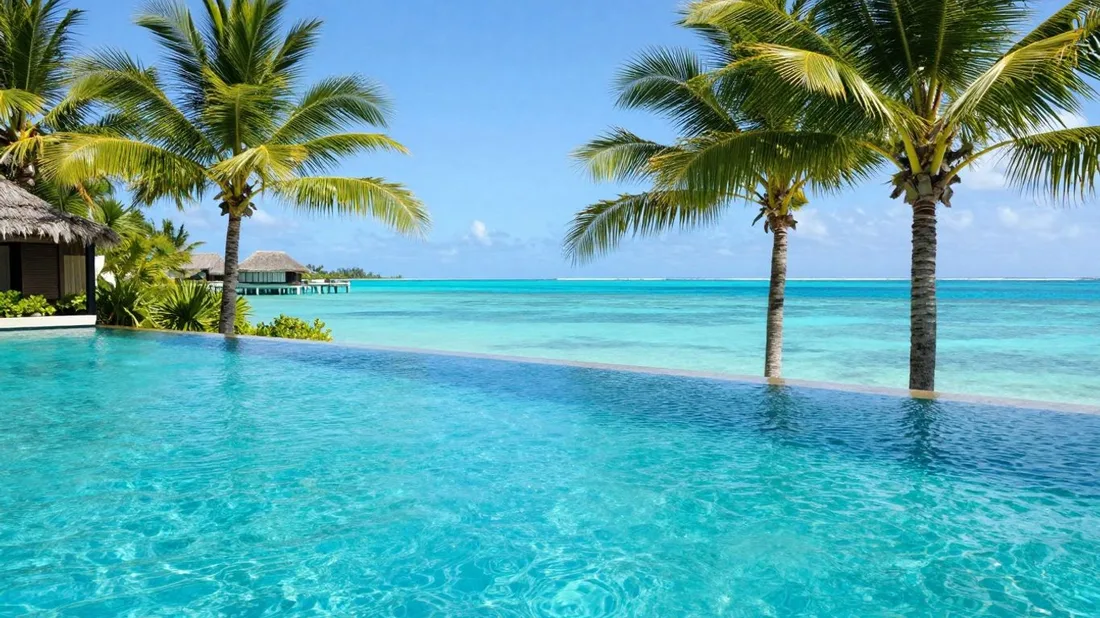
Just a short ferry ride from Tahiti, Moorea offers a completely different vibe, and its mountains and shores are spectacular at sunrise and sunset. The jagged peaks here really catch the first light of day, making for some dramatic shots. For a truly memorable sunrise, head to Toatea Lookout. You'll get to watch the lagoon transform from deep indigo to bright turquoise as the sun climbs. It’s quite a show.
When evening rolls around, Ha’apiti Beach is a great spot to catch the sunset. You can also find some pretty sweet views from an overwater bungalow if you're lucky enough to be staying in one. Watching the sun dip behind Mount Rotui is an experience you won't soon forget.
Here are a few things to keep in mind when planning your Moorea photo trip:
Sunrise: Toatea Lookout is your best bet for that early morning glow over the lagoon.
Sunset: Ha’apiti Beach offers wide-open views, perfect for capturing the sun as it sets.
Wildlife: Keep an eye out for dolphins, especially near the lagoon opening in the early morning.
If you're exploring nearby islands, Moorea is a must-see. You can find some amazing photo opportunities, similar to what you might find on Kadavu, with its clear waters and colorful reefs.
6. Hitiaa’s Untouched Reefs
If you're looking for a spot that feels truly off the beaten path for sunrise, Hitiaa on the east coast is worth checking out. It's a bit of a hidden gem, tucked away between small villages and river mouths. You won't find many tourists here; it's more the kind of place local fishermen and surfers know about. The vibe is pretty raw and natural – think dark reef rocks, shadows from palm trees, and tide pools that catch all the amazing colors of the sky. The best part is probably the quiet solitude you can find here.
Sunrise at Hitiaa happens fast, especially over the reefs. You've got a pretty short window to get those shots where the light really pops off the water and rocks. It's not the easiest place to park, so you might need to ask around or just use the pull-offs along the main road. Sometimes there are some friendly wild dogs around, so just keep your snacks put away.
Here’s why it’s a good pick:
The light hits the reefs quickly, offering a brief but brilliant display.
You'll likely experience a sense of peace and quiet, away from the usual crowds.
The natural landscape provides a dramatic backdrop with black rocks and reflections.
7. Teahupo’o’s Clifftop Lookouts
While Teahupo’o is world-famous for its incredible surf, its clifftop vantage points are often overlooked for sunrise and sunset photography. Don't make that mistake. These elevated spots offer a dramatic perspective, painting the mountains and the lagoon below in vibrant oranges and deep blues as the day ends.
Getting to these lookouts usually involves a short walk up marked paths. It’s a good idea to ask a local about the safest routes, as conditions can vary. The payoff is a wide-open view, perfect for setting up a tripod and capturing moody clouds or striking silhouettes over the water. It’s a different kind of island beauty than you’ll find at sea level.
Here’s what makes these lookouts special:
Unique Angles: See the famous surf break from above, with the vast Pacific stretching out.
Dramatic Light: The way the sun hits the cliffs and water creates stunning contrasts.
Fewer Crowds: Often, you’ll find more peace here than at popular beach spots.
If you're planning a trip and want to catch these views, consider the best time of year for photography. The dry season, roughly from May to October, generally offers clearer skies, which can make for more predictable and vibrant sunset shows. For those interested in marine life, the period from July to November is prime time for whale watching, and you might even spot some of these giants from the coast during their migration from July to November .
Remember to pack essentials like water and wear sturdy shoes. The effort to reach these clifftop spots is absolutely rewarded with unforgettable views.
8. Vaipahi Gardens At Dawn
If you're looking for a peaceful start to your day with some really nice light, the Vaipahi Gardens are a solid choice. They're not super high up like some of the mountain spots, but they still offer these lovely, calm views over the hills and down towards the water. It’s a great place if you want to get some shots with flowers or trees in the front, with the sunrise happening behind them. The paths here are pretty easy to walk, so you don't need to be a super hiker to enjoy it.
Getting there early is key to catching the best light and the quietest moments.
Here’s a little breakdown of why it’s good for dawn photography:
Tranquil Atmosphere: Before the crowds arrive, the gardens are incredibly serene. You’ll often hear just the birds and the gentle rustling of leaves.
Reflective Surfaces: The still water in ponds and streams can create beautiful reflections of the sky and the surrounding plants, especially in the soft morning light.
Layered Scenery: The layout of the gardens, with its varied plants and gentle slopes, allows for creating images with depth, from foreground flowers to the distant coast.
Remember to check the weather, as conditions can change. Bringing a tripod can also help if you want to capture those smooth water reflections or longer exposures as the light builds. It’s a spot that rewards patience and an early alarm clock. For more tips on planning your island adventures and finding unique perspectives, you can check out insights from top travel blogs .
9. Traditional Fare Houses At Sunrise
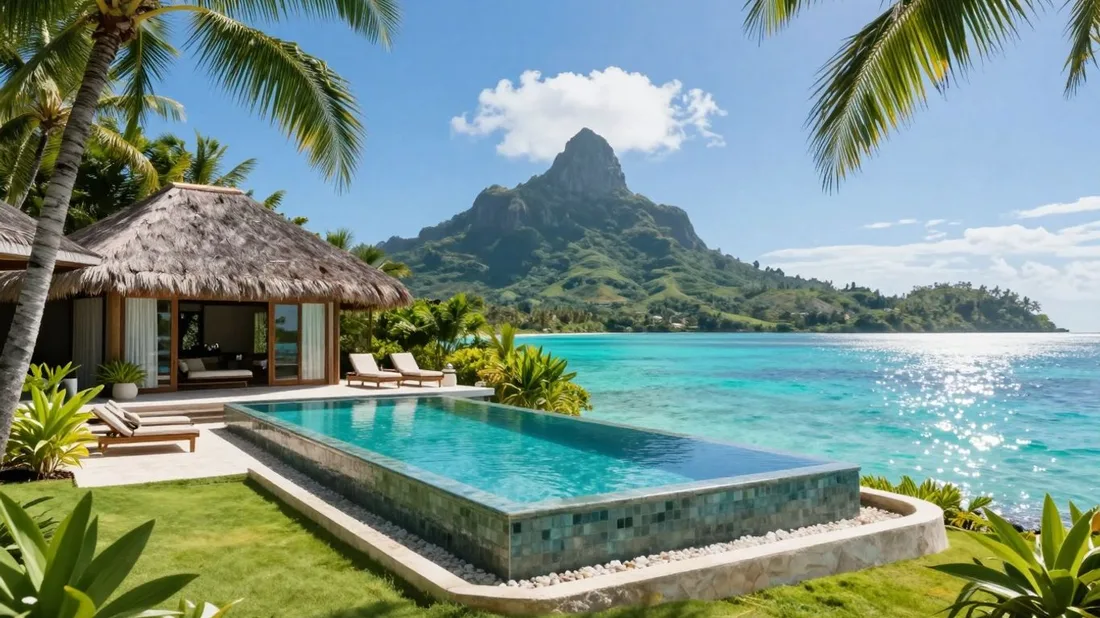
Waking up early to catch the sunrise over Tahiti's traditional fare houses is a truly special experience. These thatched-roof dwellings, often found in more rural parts of the island, take on a magical quality as the first light hits them. The soft, golden hues of dawn paint the natural materials, making the structures look almost alive. It's a quiet time, before the day gets busy, and you'll often find yourself with these beautiful scenes almost all to yourself.
If you're looking to capture this, here are a few things to keep in mind:
Aim to arrive before 6 am. This is when you might catch the dew glistening on the thatched roofs and the surrounding greenery, adding an extra layer of sparkle to your photos.
Try to frame your shots with locals if possible. Early mornings are when fishermen often head out, and their silhouettes against the rising sun can add a dynamic element.
Experiment with a low camera angle. This can really emphasize the unique lines and textures of the fare houses.
It’s these moments, experiencing the island’s heritage in the quiet of the morning, that really make a trip memorable. You get a sense of the local way of life that you just can't get any other time of day.
10. Pa’ea’s Historical Landmarks In Evening Glow
Pa’ea, located on Tahiti's west coast, offers a different kind of sunset experience, one steeped in history. Forget the typical beach scene for a moment and picture ancient stone temples, known as marae, nestled under the shade of old trees. As the sun begins to dip, the light filters through the dense canopy, casting long, dramatic shadows across these sacred sites. It’s a powerful sight, really, making you feel a connection to the island's past.
The late afternoon sun here has a way of highlighting the textures of the stones and the gnarled roots of the trees, creating a truly atmospheric scene. It’s not just about the colors in the sky, but how that light interacts with the landscape and the history embedded within it.
Here’s a little guide to making the most of it:
Timing is Key: Aim to arrive around 5 PM. This gives you time to explore before the best light hits and you might even see locals out for their evening strolls.
Gear Up: A wide-angle lens is your friend here. It helps capture the scale of the marae and the surrounding environment, giving context to the historical stones.
Look for Angles: Don't just shoot straight on. Try framing your shots through gaps in the foliage or around the stones themselves for a more layered and interesting perspective.
Wrapping Up Your Tahiti Light Show
So, there you have it. Chasing the sun across Tahiti is a pretty amazing way to spend your time. Whether you’re an early bird catching the first rays on the east coast or a night owl soaking in the last light on the west, the island really shows off. Remember to pack smart, maybe grab a map or use those GPS pins we talked about, and just go with the flow. Tahiti has a way of surprising you with its beauty, so don’t stress too much about getting every single shot perfect. The real magic is in being there, breathing it all in. You’ll leave with some killer photos, sure, but more importantly, you’ll have memories that stick. Enjoy the journey, and happy shooting!
When is the best time of year to visit Tahiti for amazing sunrise and sunset pictures?
The dry season, from May to October, is your best bet. The skies are usually clearer, and the light is super bright, making those sunrise and sunset colors really pop.
Do I need to join a tour to find the best photo spots in Tahiti?
Not always! Many spots are easy to find with a car or scooter. But, guided tours can be great for reaching hidden gems and getting insider tips from locals.
What essential items should I pack for a sunrise or sunset photo session in Tahiti?
Definitely bring your camera, a tripod, extra batteries, and a lens cloth. A wide-angle lens is great for big views. Don't forget sunscreen, bug spray, water, and light clothing. A hat and sunglasses are smart too.
Are GPS pins or digital maps really necessary to find the best photo spots?
Using GPS pins or offline maps can be super helpful, especially for finding less crowded or harder-to-reach places. It saves you time and stress, so you can focus on the view.
What kind of weather should I expect when visiting mountain lookouts?
Mountain weather can change fast! Even if it's sunny down below, it can get misty or cloudy up high. Always check the forecast before you head up.
Is it important to respect local customs when visiting villages or cultural sites?
Absolutely. Always be respectful of local people and their homes. Ask permission before taking photos of people or private property, and be mindful of cultural traditions.
What's the best way to capture reflections in the water during sunrise or sunset?
Look for calm water, which often happens during low tide or in sheltered bays. Using a polarizing filter can also help reduce glare and make the reflections clearer.
Besides beaches, what other types of locations offer great sunrise and sunset views?
Tahiti has stunning viewpoints from mountain overlooks, lush gardens, and even historical sites. These spots offer different perspectives and light, making them just as magical as the beaches.