Thinking about getting your scuba certification? Let me tell you, Tahiti is a pretty amazing place to do it. I wasn't sure at first, being a bit nervous about the whole underwater thing, but the whole experience was surprisingly chill. From the clear water to the super patient instructors, it really made learning to dive feel possible. If you're on the fence, this might just be the push you need to go for it.
Key Takeaways
The SSI Tahiti scuba certification process is designed to be straightforward and enjoyable, even for beginners.
Tahiti's waters offer fantastic visibility and comfortable temperatures, creating an ideal learning environment.
Dive instructors in Tahiti are known for their patience and skill in guiding new divers through the certification steps.
Completing your certification in Tahiti allows you to immediately explore vibrant marine life and stunning underwater landscapes.
Beyond the dives, Tahiti provides a beautiful setting to relax and experience local culture after achieving your certification.
Embarking on Your Tahiti Scuba Certification Journey
So, you're thinking about getting your scuba certification in Tahiti? That's fantastic! It's a pretty straightforward process, especially with organizations like SSI, which really aim to make it fun and not too stressful. The goal is to get you comfortable and safe underwater.
Understanding the SSI Certification Process
The SSI system is designed to be accessible. You'll start with some academic work, which you can often do online before you even leave home. This covers the basics of how scuba gear works and what to expect underwater. Then comes the practical part: confined water dives, where you practice skills in a pool or shallow, protected area, followed by open water dives in the ocean. It’s all about building your confidence step-by-step.
Preparing for Open Water Dives
Before you hit the open water, there are a few things to consider. It's a good idea to get a quick check-up from your doctor to make sure you're fit for diving. Once you're in Tahiti, your dive center will guide you through everything. They'll handle most of the gear, but you might want to bring your own mask and snorkel if you have a favorite. Remember, the instructors are there to help you every step of the way.
Essential Gear for Your First Dives
Don't worry about buying a whole set of gear right away. When you arrive for your certification course, the dive shop will provide you with the major equipment. This typically includes:
Buoyancy Control Device (BCD)
Regulator
Mask, fins, and snorkel (though a personal mask is often preferred)
Wetsuit (usually a thin one for Tahiti's warm waters)
Tank and weights
Your instructor will show you how to use everything properly. It’s all part of the learning curve, and honestly, it’s not as complicated as it might seem at first glance. You'll be amazed at how quickly you get used to it all, especially with the incredible visibility you'll find in places like Kiribati's lagoons .
The Allure of Tahiti for Beginner Divers
So, you're thinking about getting your scuba certification, but maybe the idea of being underwater feels a little... much? I get it. I wasn't exactly a water baby myself. But Tahiti? It's a game-changer for folks like us. The water here is just unbelievably clear. Seriously, you can see for ages, which makes a huge difference when you're trying to get the hang of things. It really helps you feel more comfortable and less like you're just floating in the big blue unknown. Plus, it's consistently warm, like bathwater warm, even when you're a bit deeper. You won't need a super thick wetsuit, just something light to keep you cozy and protect your skin a bit. This makes practicing your new skills so much easier and more enjoyable.
Crystal Clear Waters for Optimal Visibility
Imagine looking down and seeing the sandy bottom or colorful coral formations dozens of feet below. That's what you get in Tahiti. This amazing visibility means you can see everything happening around you, which is a big confidence booster. It lets you focus on the cool stuff happening underwater instead of worrying about what you can't see. It’s like having a front-row seat to an underwater show.
Consistently Warm Water Temperatures
Forget shivering! The water temperatures in Tahiti are pretty much perfect year-round, usually hovering between 79 and 84 degrees Fahrenheit. This means you can spend more time exploring and less time thinking about getting cold. A thin wetsuit is usually all you need, which is way more comfortable than a bulky one. This pleasant warmth makes those initial training sessions feel more like a relaxing swim than a chilly ordeal.
A Welcoming Environment for New Scuba Enthusiasts
Tahiti really rolls out the red carpet for new divers. The conditions are just right for learning. The calm, clear water makes it easy to practice your skills without feeling overwhelmed. You'll find that the instructors here are incredibly patient and used to working with beginners. They know how to make you feel at ease, guiding you through every step. It’s a place where you can really build your confidence and discover a whole new world. It’s no wonder so many people choose this spot to take their first plunge into the underwater world. You can even find some great beginner-friendly spots, like the famous 'Aquarium' dive site, which feels exactly like its name suggests – a giant, vibrant fishbowl. If you're looking for a place to start your underwater adventures, consider checking out some of the amazing spots in the Mamanuca Islands .
Kind and Caring Dive Professionals
When you're getting your scuba certification in Tahiti, the instructors really make a difference. They know you're new to this, and they're genuinely there to help you succeed. It’s not just about ticking boxes; they want you to feel comfortable and confident. I remember feeling a bit nervous before my first real open water dive, but my instructor was so calm and reassuring. They explained everything slowly, checked in on me constantly, and even held my hand a bit during the descent to help me feel steady. It’s this kind of personal attention that turns a potentially stressful experience into something really positive. They're patient, and they understand that everyone learns at their own pace. It’s like they’ve got this sixth sense for when you need a little extra support.
Patient Instruction for Skill Development
Learning new skills underwater can feel a bit strange at first, especially when you’re dealing with breathing through a regulator and managing your buoyancy. Your instructors are pros at breaking down these skills into manageable steps. They'll demonstrate exactly what you need to do, whether it's clearing your mask or practicing a controlled ascent. You get to try it yourself, and they're right there, offering gentle corrections and encouragement. They don't rush you. If you need to repeat a skill a few times, that's perfectly fine. They'll stick with you until you've got it down. This patient approach is key to building your confidence and making sure you’re truly ready for the underwater world. It’s a process, and they respect that.
Making Certification Drills Enjoyable
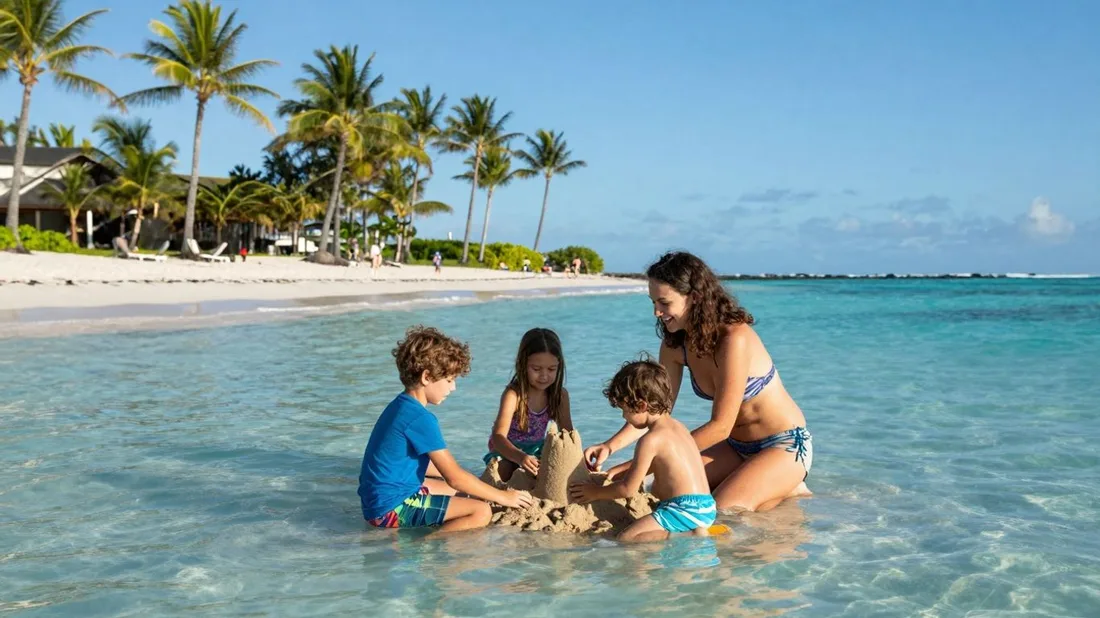
Let's be honest, some of the required skills for certification might sound a bit daunting, like taking your regulator out and putting it back in underwater. But your instructors have a knack for making these practice sessions fun. They turn what could be a nerve-wracking drill into a game or a challenge you can tackle with a smile. They use humor and positive reinforcement, which really helps to ease any anxiety. You'll find yourself laughing through the exercises, not stressing about them. This positive atmosphere makes a huge difference in how you perform and how much you enjoy the learning process. It’s all about building good memories while you gain important skills. You might even find yourself looking forward to the next practice session!
Discovering Underwater Wonders During Certification
As you start your scuba certification journey in Tahiti, the underwater world immediately pulls you in. It’s not just about learning skills; it’s about experiencing something truly spectacular. The moment you descend, the anxiety many beginners feel tends to just melt away. Suddenly, you're focused on the vibrant life all around you, not on your own nerves. It’s a pretty amazing shift.
Encountering Diverse Marine Life
Tahiti’s waters are teeming with life. You’ll see schools of fish moving in unison, their colors flashing as they turn. Big, gentle Napoleon wrasses might glide past, and you’ll spot countless smaller, brightly colored fish darting through the coral. It’s like swimming through a living, breathing aquarium. You might even be lucky enough to see a sea turtle peacefully grazing on the seabed. This incredible biodiversity makes every moment underwater a discovery.
Witnessing Incredible Biodiversity
The sheer variety of creatures is astounding. From tiny, colorful reef fish to larger marine animals, the ecosystem here is rich and varied. You'll see different species interacting, creating a dynamic underwater scene. It’s a constant reminder of how much life exists beneath the surface. For those interested in conservation, you can even find opportunities to participate in marine conservation efforts that help protect these vibrant environments.
Experiencing the 'Aquarium' Dive Site
Many beginners find their first dives feel like entering a natural aquarium. The visibility is usually excellent, meaning you can see far and wide. The water is consistently warm, so you can focus on observing the marine life without feeling too cold. This comfortable setting allows you to truly appreciate the beauty and abundance of the underwater world, making your learning experience both effective and memorable.
Demonstrating Essential Scuba Skills
So, you've made it through the classroom and pool sessions, and now it's time to show what you've learned in the big blue. It's totally normal to feel a bit fluttery in your stomach before your first open water check-out dives. I know I did! But remember all those skills you practiced? They're there to keep you safe and comfortable. You'll be asked to show you can manage your gear, breathe steadily from your regulator, and handle things like mask removal and replacement underwater. It might feel a little strange at first, especially taking your mask off, but your instructor will be right there with you. They've seen it all before and are there to guide you. The goal is to prove you can handle common situations calmly.
Overcoming Beginner Apprehensions
Let's be real, the idea of breathing underwater can be a bit daunting when you first think about it. I was definitely one of those people who thought, 'Can I really do this?' But the beauty of getting certified in a place like Tahiti is the environment itself. The water is so clear, and it's consistently warm, which makes a huge difference. Plus, the instructors are incredibly patient. They don't rush you. If you need a moment to get your breathing right or feel a bit overwhelmed, they'll wait. They'll offer a hand, a reassuring word, or just give you space. It’s about building your confidence step-by-step. You'll find that as you get more comfortable, those initial worries just melt away.
The Rewarding Feeling of Certification Success
There's honestly no feeling quite like it when you complete your final dive and know you've earned that certification card. It's a mix of relief, pride, and pure excitement. You've pushed past any nerves and proven to yourself that you can explore this incredible underwater world. After that last signal from your instructor, you'll probably want to give your buddy and your instructor a big high-five. It’s a moment to celebrate your accomplishment. You've just opened up a whole new avenue for adventure, and Tahiti is the perfect place to start your journey. Think about all the amazing sea-track adventures you can now embark on!
Beyond the Dives: Embracing the Island Experience
So, you've done it! You've earned your scuba certification in paradise. Now what? Well, it's time to really soak in everything Tahiti has to offer, both above and below the water. Think of it as the perfect reward after all your hard work mastering those skills.
Relaxing in World-Renowned Accommodations
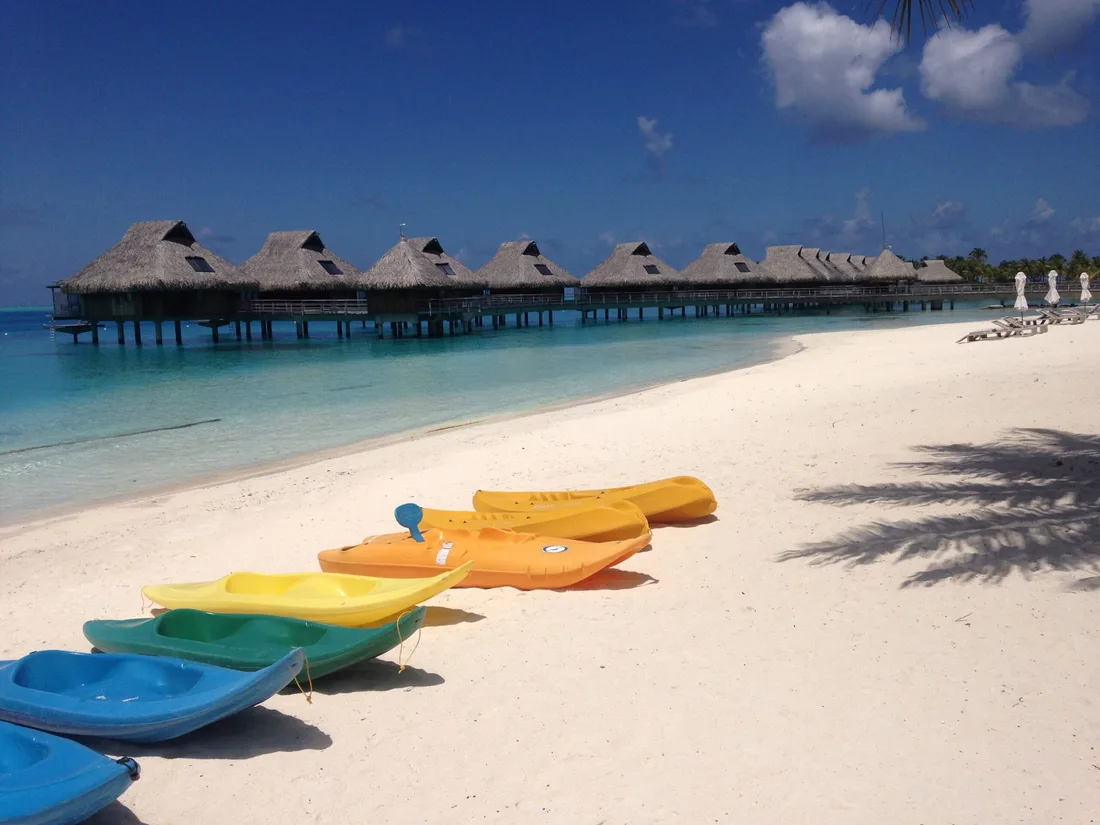
After a day spent exploring the underwater world, you'll want a comfortable spot to unwind. Tahiti and its surrounding islands boast some truly amazing places to stay. Whether you're dreaming of a luxurious overwater bungalow where you can watch the sunset with a cool drink, or a more laid-back guesthouse that gives you a real feel for island life, there's something for everyone. These places aren't just for sleeping; they're part of the whole experience. Imagine waking up to the gentle sound of waves and stepping out onto your private deck. It’s pure bliss.
Immersing Yourself in Local Culture
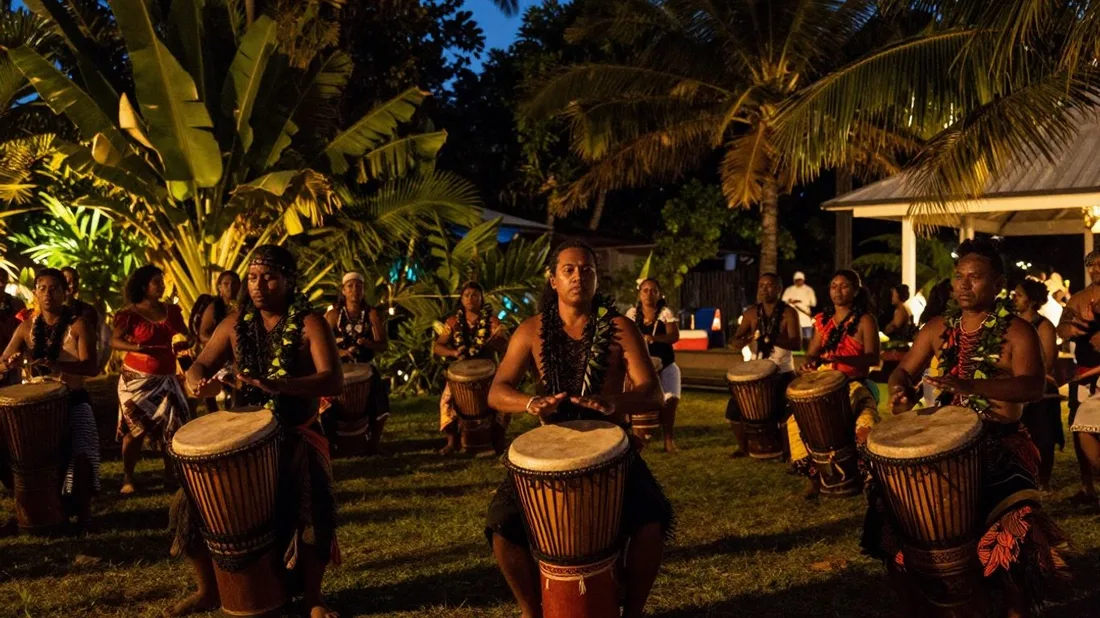
Getting certified is a fantastic achievement, but don't forget to connect with the heart of Tahiti. The islands have a rich culture, and the people are known for their warm hospitality. Take some time to chat with locals, perhaps learn a few words of Tahitian, or even catch a traditional dance performance. It’s these interactions that often create the most lasting memories. You might find yourself drawn to the concept of 'mana,' the spiritual life force that permeates the islands.
Exploring Tahiti's Natural Beauty Post-Certification
Your certification opens up a whole new world, but Tahiti's beauty extends far beyond the reefs. Consider renting a car or a scooter to explore the lush interior of the main island. You'll find dramatic volcanic peaks, hidden waterfalls, and verdant valleys that are just begging to be discovered. Or, perhaps take a boat trip to a smaller, less-visited motu (islet) for a picnic on a secluded beach. The opportunities for adventure are endless, and you can explore them at your own pace. For those looking for more aquatic adventures, consider exploring other parts of French Polynesia which offer unique diving experiences.
Planning Your Dive Trip to French Polynesia
So, you're thinking about getting your scuba certification in Tahiti? Awesome choice! But before you start dreaming of the underwater world, let's talk about getting there and making the most of your trip. Planning is key, especially for a destination as far-flung and incredible as French Polynesia.
Best Times to Visit for Diving
When you decide to go really matters for what you'll see. The weather is generally good from April to November, which is the drier season. This is a solid time for clear skies and calm seas. However, if you're hoping to see humpback whales, you'll want to aim for August to October. For specific shark migrations, like hammerheads, the timing can shift, often falling between February and March in the Tuamotus or later in the summer months in other areas. Water temperatures are pretty consistent, usually between 26-28°C, so you won't need a super thick wetsuit.
Travel Logistics to Tahiti
Getting to Tahiti usually means flying into Faa'a International Airport (PPT) on the main island. Most international flights will connect through a major hub like Los Angeles or San Francisco. Air Tahiti Nui is a common carrier for this route, and they even have a nice perk for divers: an extra free checked bag for your gear. Make sure to check their policy before you pack! If you're coming from Europe, you'll likely route through Paris first. Remember to sort out your ESTA if you have a US stopover. Once you're in Tahiti, inter-island travel is typically done by plane, with Air Tahiti being the main domestic airline.
Island Hopping Within French Polynesia
French Polynesia is made up of many islands spread across a vast ocean, so island hopping is part of the adventure. Don't try to cram too many islands into one trip; it's better to focus on a few to really experience them. For a good mix, consider visiting islands from different archipelagos, like the Society Islands (Tahiti, Moorea), the Tuamotus (Rangiroa, Fakarava), and maybe even the Marquesas if you have more time. Packages like the Te Moana Diving Pass can help you explore multiple locations within a specific region, offering a set number of dives across various dive centers. This can be a cost-effective way to see more without breaking the bank.
Here's a quick look at when different marine life is most active:
Grey Reef Sharks: Visible year-round.
Humpback Whales: August to October (Tahiti/Moorea), October to December (Marquesas).
Hammerhead Sharks: February to March (Tuamotus), July to September (Marquesas).
Marbled Groupers (mating): Mid-June to early July (Tuamotus).
When it comes to costs, scuba diving isn't the cheapest activity here, but packages can help. A single dive might cost between 7,000 and 15,000 XPF (about $60-$130 USD). Look into dive packages; for instance, a 10-dive package can offer a significant discount compared to booking individual dives. The currency used is the Pacific Franc (XPF).
Beginner-Friendly Dives in Tahiti
When you're just starting out, the idea of diving into the big blue can feel a little daunting. But don't worry, Tahiti and its surrounding islands are fantastic for new divers. Many spots offer calm, shallow waters perfect for practicing your new skills. Think of places like the lagoon areas, which are protected from strong currents and waves. These sites often feel like giant, natural swimming pools, making it easy to get comfortable with your gear and the underwater world. You'll find plenty of colorful fish and coral right there, no need to go far.
Exploring UNESCO Biosphere Reserves
For those looking for something truly special, French Polynesia has some incredible UNESCO Biosphere Reserves. Places like Fakarava and Tikehau are renowned for their amazing underwater life. These areas are protected, meaning the ecosystems are really healthy and vibrant. You can expect to see a huge variety of fish, maybe even some reef sharks or rays, all in their natural habitat. It's a chance to witness a thriving marine world that's been carefully preserved. It’s a big deal for conservation and a huge treat for us divers.
Potential for Shark and Whale Sightings
Now, let's talk about the big stuff – sharks and whales! While you'll likely see plenty of reef sharks on most dives, some locations offer chances to see bigger species. The passes, which are channels connecting the lagoon to the open ocean, can be hotspots for larger marine animals, especially during certain times of the year. Whale sharks, for instance, are sometimes spotted, and while seeing a humpback whale is rarer, it's not impossible. It's important to remember that these are wild animals, and sightings are never guaranteed, but the possibility adds an extra layer of excitement to the experience. Always follow your guide's instructions if you're lucky enough to encounter these magnificent creatures.
So, Was It Worth It?
Look, getting certified in Tahiti was a pretty cool experience. It wasn't always easy, and yeah, there were moments I felt a bit out of my depth, literally. But the instructors were great, really patient, and the water was amazing. Plus, after all that hard work, getting to explore the reefs and see all the fish made it totally worth the effort. If you're thinking about it, just go for it. You might surprise yourself with what you can do, and honestly, where better to learn than paradise?
Do I need to bring my own scuba gear to Tahiti?
Not at all! While you'll want to pack your own mask and snorkel, dive shops in Tahiti will provide you with all the other necessary equipment, like fins, a wetsuit, and your buoyancy control device. You can focus on learning and enjoying the underwater world.
Is Tahiti a good place for beginner divers?
Absolutely! Tahiti is fantastic for new divers. The water is super clear, meaning you can see a long way, which helps you feel more confident. Plus, the water is nice and warm year-round, so you won't get too cold.
What is the SSI certification process like?
SSI makes getting certified easy and fun. You'll learn the basics, practice skills in calm water, and then head out for open water dives. The instructors are there to guide you every step of the way, making sure you feel comfortable and safe.
What kind of marine life can I expect to see?
You're in for a treat! French Polynesia is known for its amazing sea life. You'll likely see all sorts of colorful fish, maybe even sea turtles, and possibly even sharks and rays. It's like swimming in a giant, beautiful aquarium!
What if I get nervous during my dives?
It's totally normal to feel a little nervous at first, but your instructors are experts at helping you overcome that. They are patient and kind, and they'll work with you to build your confidence. Remember to just relax, breathe, and take it all in.
What should I do after getting certified?
Once you're a certified diver, the adventure continues! You can relax on stunning beaches, explore the island's lush valleys and waterfalls, or immerse yourself in the local culture. Tahiti offers plenty to do both in and out of the water.
When is the best time to visit Tahiti for diving?
While diving is great year-round, some people prefer certain months. For example, you might see manta rays from June to October and humpback whales from July to November. September is often recommended for a first dive trip.
Are there specific dive sites recommended for beginners?
Yes, Tahiti has several dive sites perfect for new divers. Sites like 'The Aquarium' offer calm conditions and abundant marine life, making them ideal for practicing your new skills and enjoying the underwater scenery without feeling overwhelmed.