Thinking about visiting Tahiti and seeing those giant manta rays? It's a pretty amazing experience, honestly. These huge, gentle creatures are a big part of what makes the waters around French Polynesia so special. If you're planning a trip, you'll want to know the best spots and how to make the most of your encounter. We'll cover where to go, what to expect, and how to be a good visitor to these incredible animals. Let's get into the details about seeing Tahiti manta rays.
Key Takeaways
Maupiti is considered the top spot in French Polynesia for seeing manta rays, offering clear lagoon waters for viewing.
Manta rays, known as 'fafa piti' in Tahitian, are large, harmless filter feeders that can grow quite big.
The best way to see them is through organized boat trips for snorkeling or scuba diving, often to 'cleaning stations' where small fish tend to them.
It's important to observe manta rays respectfully; never touch them as this can harm their protective skin coating.
While Maupiti is the prime location, manta rays can also be spotted on other islands like Bora Bora and Moorea, depending on the season.
A Fascinating Icon of Polynesian Waters
The manta ray, known locally as 'fafa piti', is truly one of the ocean's most impressive residents in the waters around Tahiti. These gentle giants can grow to have a wingspan of up to six meters, making them one of the largest fish in the sea. Despite their enormous size, they are completely harmless, posing no threat to humans. Their diet consists solely of plankton, which is why you'll often find them in areas where this microscopic food source is abundant, like the channels between lagoons and the open sea. French Polynesia is a fantastic place to see these creatures, with islands like Maupiti being particularly famous for them. Seeing a manta ray glide through the clear blue water is an experience you won't soon forget. You can spot them in many places across The Islands of Tahiti , from popular spots to more remote atolls.
Understanding Manta Ray Behavior
Manta rays have some really interesting habits. One of the most fascinating is their use of 'cleaning stations'. These are specific spots on the reef where smaller fish, like wrasse, gather. The manta rays visit these stations to have tiny parasites and dead skin removed by these smaller fish. It's a kind of natural spa day for them! They'll often hover or swim slowly around these coral patches, sometimes even lining up for their turn. It's a remarkable example of how different species can work together. You might see them in depths ranging from 6 to 30 feet. It's important to remember that these rays are here for a service, and we should observe them quietly.
Plankton Feeders: Their diet is exclusively plankton, influencing where they are found.
Gentle Giants: Despite their size, they are docile and pose no danger.
Cleaning Station Visitors: They regularly visit specific reef areas for cleaning.
When planning your trip, consider that manta rays are often seen year-round, but their activity can sometimes be influenced by plankton blooms and water temperatures. Understanding their movements helps in planning the best time for your encounter.
Prime Locations for Manta Ray Encounters
When you're dreaming of seeing manta rays in Tahiti, one island immediately jumps to the top of the list: Maupiti. It's really become the spot for these gentle giants.
Maupiti: The Premier Manta Ray Destination
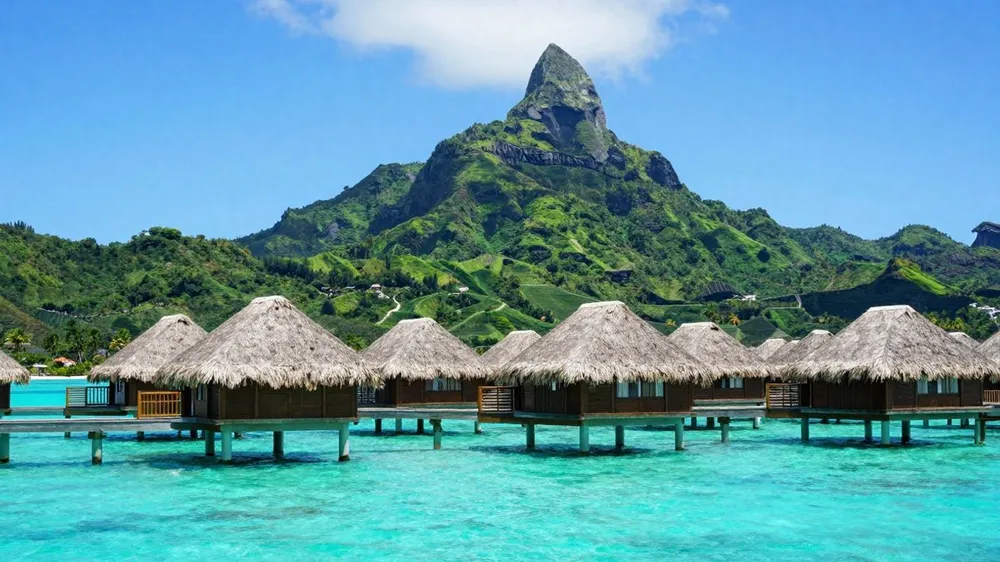
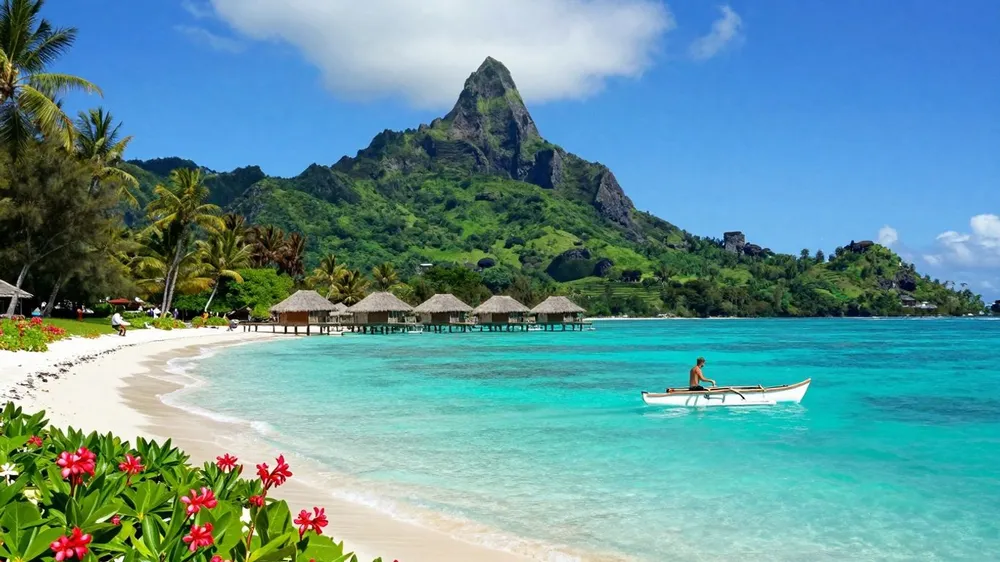
Maupiti is a smaller, less developed island compared to its famous neighbor Bora Bora, and that's a big part of its charm. It's known for being incredibly authentic and, importantly, the best place in French Polynesia to see manta rays. You can find them gracefully swimming near the coral reefs, and in Maupiti, they frequent the shallow, clear lagoon waters. This makes for absolutely stunning viewing opportunities. Many guesthouses on the island can help you arrange a boat trip specifically to see the mantas. It's a truly magical experience that many visitors talk about long after they've left.
Exploring Other Islands for Manta Sightings
While Maupiti is the star, don't think it's the only place you might spot these magnificent creatures. French Polynesia is dotted with islands where manta rays hang out. You might get lucky and see them around other islands like Moorea or even further afield in atolls like Tikehau or Rangiroa. These places often have their own unique underwater scenes, from vibrant coral gardens to busy lagoon passes, where mantas might show up. It's always worth asking locally about recent sightings, as their movements can vary.
Here's a quick look at where else you might find them:
Moorea: Known for its dramatic peaks, Moorea also offers chances to see rays, often in shallower waters near its bays.
Tikehau: This atoll is famous for its clear lagoon and abundant fish life, making it a good spot for ray encounters.
Rangiroa: One of the largest atolls, Rangiroa's famous passes can attract larger marine life, including mantas.
Getting to Maupiti is part of the adventure, often involving flights from Papeete or Raiatea, and sometimes ferry connections from Bora Bora. Once there, you'll find a more laid-back vibe than on the more tourist-heavy islands, with plenty of charming guesthouses to choose from.
Experiencing Manta Rays Up Close
Getting into the water with these gentle giants is an experience you won't soon forget. Whether you're a seasoned diver or just enjoy a good snorkel, there are ways for everyone to witness the magic of manta rays in their natural environment.
Snorkeling with Gentle Giants
Snorkeling is a fantastic way to see manta rays, especially in shallower areas. You'll typically enter the water from a boat, and it's important to listen to your guide's instructions. Many manta ray encounters happen at "cleaning stations," which are spots where small fish, like cleaner wrasse, tend to the rays' skin and gills. It's a fascinating symbiotic relationship to observe. Some parts of these stations are quite shallow, making it easy to spot the mantas right from the surface. Remember, never touch the manta rays, even if they seem curious and swim close to you. Their protective mucus coating can be damaged, leaving them vulnerable.
Scuba Diving for Manta Ray Enthusiasts
For those who want to spend more time underwater, scuba diving offers an incredible perspective. Maupiti, for instance, has diving clubs that are well-regarded for manta ray sightings. You can explore both the lagoon and the outer reef. While diving, the same rules apply: observe from a distance and let the rays approach you. Staying calm and being discreet will allow you to see their natural behavior unfold. It's also common to see other marine life, like sharks, during these dives.
Respectful Observation Guidelines
Observing manta rays requires a mindful approach. These creatures are sensitive, and their peace should be respected. Here are a few key points to keep in mind:
Maintain Distance: Always give the manta rays plenty of space. Avoid chasing or crowding them.
No Touching: As mentioned, touching them can harm their protective skin layer.
Minimize Noise and Movement: Sudden movements or loud noises can startle them.
Follow Your Guide: Listen carefully to the instructions provided by your tour operator.
Here's a quick look at what to expect:
Remember, the goal is to witness these magnificent animals in a way that doesn't disturb their natural routines. Enjoy the incredible privilege of sharing the water with them.
Understanding the Symbiotic Relationship
So, you're out on the water, maybe snorkeling or getting ready for a dive, and you see them – these huge, graceful manta rays. They're not just cruising around randomly; often, they're heading towards a specific spot. This isn't just any patch of coral; it's a "cleaning station." Think of it like a spa day for these gentle giants. Tiny fish, like cleaner wrasse, set up shop on these coral outcrops. Their job? To nibble away parasites and dead skin off the mantas. It's a pretty neat arrangement, a real win-win. The mantas get a much-needed grooming session, and the little fish get a free meal delivered right to their doorstep. These cleaning stations are vital hubs of activity in the lagoon. You might even see mantas lining up, patiently waiting for their turn. It's a fascinating glimpse into the natural world and the intricate connections between different species.
Navigating the Cleaning Station Depths
When you visit a manta ray cleaning station, you'll notice the depth can vary quite a bit. We're talking anywhere from about 6 to 30 feet (2 to 10 meters). Some areas are shallow enough that you can easily spot the mantas gliding by right from the surface, which is great for snorkelers. However, in these shallower zones, it's important to stay on the surface and avoid free-diving. This is to make sure you don't disturb the rays as they get their spa treatment. It’s all about respecting their space and letting them go about their business undisturbed. If you're interested in exploring the underwater world further, operators like Topdive offer excursions that can take you to these incredible spots, providing a safe and guided experience.
Planning Your Manta Ray Excursion
So, you're ready to meet those amazing manta rays in Tahiti? Awesome! Planning your trip to see them is pretty straightforward, especially if you're heading to a prime spot like Maupiti. Most of the local guesthouses there are super helpful and can sort out a boat trip for you. It's really the easiest way to get out to where the mantas hang out.
Organizing Boat Trips from Your Guesthouse
When you book your stay at a guesthouse, just ask about their manta ray tours. They usually have a few options, and the staff know the best times and spots. They'll handle the boat, the captain, and often a guide who knows the manta behavior. It takes a lot of the guesswork out of it for you. This is often the most convenient way to arrange your adventure.
Choosing Between Full or Half-Day Tours
Deciding between a full or half-day tour really depends on what you want to get out of the experience and your own energy levels. Here’s a quick breakdown:
Half-Day Tours: These are great if you're short on time or just want a taste of manta ray swimming. You'll typically get a few hours out on the water, focusing on the main manta cleaning stations. It's usually enough time for a couple of snorkeling or diving sessions.
Full-Day Tours: If you really want to soak it all in, a full-day trip is the way to go. These often include stops at other interesting spots, like secluded motus for a picnic lunch or different snorkeling areas. You'll have more time to relax, observe the mantas without feeling rushed, and maybe even spot some other marine life.
Encountering Sharks in Tahitian Waters
While manta rays are the stars of the show for many visitors, Tahiti's waters are also home to a variety of sharks. Don't let the word 'shark' alarm you; most species found here are quite shy and pose little threat to humans. Blacktip reef sharks are a common sight, often seen cruising the shallow lagoons and around coral bommies. They're sleek, fast, and a beautiful part of the ecosystem. You might also spot whitetip reef sharks, usually resting on the sandy bottom or near reef edges. If you're lucky, and especially if you venture further out into the open ocean, you could even see larger species like lemon sharks or even the occasional tiger shark, though these encounters are much rarer and typically happen on deeper dives.
Exploring Maupiti's Pristine Beaches
After a day spent marveling at marine life, Maupiti's beaches offer a perfect place to unwind. Tereia Beach, also known as Point Puoro, is a standout. It's a long stretch of soft, white sand with incredibly clear, shallow water that's just perfect for a leisurely swim. The view across the lagoon towards the island's iconic mountain is simply stunning. It's the kind of place where you can just sit, listen to the gentle lapping of the waves, and feel completely at peace. Many motus also have their own secluded beaches, offering even more private slices of paradise.
Discovering Idyllic Motus
Scattered around the main island of Maupiti are numerous small islets, or motus. These are often uninhabited, covered in lush vegetation, and fringed with palm trees. Taking a boat trip to explore these motus is a must-do. You can find your own private stretch of sand, snorkel in the calm waters of the lagoon right off the shore, or simply enjoy a picnic lunch surrounded by breathtaking scenery. Some motus are home to small, family-run guesthouses, offering a truly secluded island experience. It's on these motus that you can truly appreciate the untouched beauty of French Polynesia.
Flights from Papeete and Raiatea
Reaching Maupiti is part of the adventure, and flying is the most common way to get there. Air Tahiti operates flights connecting Maupiti with both Papeete (on Tahiti) and Raiatea. These flights offer a scenic introduction to the islands, often flying over stunning turquoise lagoons and coral reefs. It’s a good idea to book your tickets in advance, especially during peak travel times, as the planes aren't huge. The flight from Papeete is longer than from Raiatea, but both offer a relatively quick journey to this more remote gem.
Ferry Connections from Bora Bora
If you find yourself already in Bora Bora, there's a ferry option to Maupiti. This isn't a high-speed catamaran, mind you; it's more of a local supply boat that makes the trip. It’s a slower, more relaxed way to travel, giving you a chance to see the islands from sea level. The schedule can be a bit unpredictable, so it’s best to check locally for the most up-to-date information once you're in Bora Bora.
Here's a quick look at your main transport options:
Air Tahiti Flights: From Papeete (PPT)
From Raiatea (RFP)
Ferry Service: From Bora Bora (Vaitape)
Remember to factor in travel time and potential delays when planning your itinerary. Getting to Maupiti is an experience in itself, and it’s worth the effort to reach this tranquil paradise. You can find more information about island hopping and transportation on The Islands of Tahiti .
Embracing Local Guesthouses
Forget the big resorts; Maupiti is all about the local guesthouses, or 'pensions' as they're called. These aren't just places to sleep; they're your ticket to experiencing real Polynesian life. You'll find them scattered around the main island and on some of the smaller motus. Staying in a pension means you're likely to be welcomed like family. It's a chance to chat with locals, learn about their traditions, and get insider tips on the best spots to see manta rays or just relax.
Experiencing Traditional Polynesian Culture
When you stay in a local guesthouse, you're not just a tourist; you're a guest. Many guesthouses offer home-cooked meals, giving you a taste of authentic Tahitian cuisine. Think fresh fish, taro, and tropical fruits. You might even get invited to a traditional dance or music performance. It's these personal connections that make a trip truly memorable.
Here's what you can typically expect:
Warm Hospitality: Hosts are genuinely happy to share their island and culture.
Home-Cooked Meals: Delicious, fresh, and local food is often on the menu.
Cultural Immersion: Opportunities to learn about local customs and way of life.
Peaceful Atmosphere: A stark contrast to the hustle and bustle of busier islands.
The Importance of Not Touching Manta Rays
When you're out on the water, hoping for a glimpse of these incredible creatures, it's super important to remember they're wild animals and need our respect. Manta rays have this special coating on their skin, kind of like a protective layer, that keeps them safe from infections. Touching them, even with the best intentions, can strip away this natural defense , leaving them vulnerable. It's like taking off your jacket in a snowstorm – not a good idea!
Think about it: these gentle giants are just going about their day, feeding and getting cleaned. Our job is to be quiet observers, not to interfere. If a manta ray swims close, which they sometimes do, just stay still and let them be. They're curious, but they also need their space to stay healthy. It's all about appreciating them in their environment without causing any harm.
Maintaining a Respectful Distance
Keeping a safe distance is key to a good manta ray encounter. It helps them feel comfortable and allows you to see their natural behavior. Guides will usually have specific instructions on how close you can get, and it's really best to stick to those. Remember, they're not pets; they're magnificent wild animals.
Here are a few pointers to keep in mind:
Stay Calm: Sudden movements or loud noises can startle them.
No Chasing: Let the manta rays come to you. Don't try to follow them if they swim away.
Observe from the Boat: Sometimes, the best views are from the boat itself, especially if the water is a bit choppy.
Listen to Your Guide: They know the local waters and the mantas' habits.
When you're planning your trip, look for tour operators who are serious about conservation. They'll often brief you on responsible practices before you even get in the water. It makes the whole experience better for everyone, especially the mantas. You can find some great options for boat trips from your guesthouse that prioritize these guidelines.
Best Times for Manta Ray Viewing
Figuring out the best time to see those amazing manta rays in Tahiti is key to a great trip. While you can spot them year-round, certain periods really up your chances of a memorable encounter.
Seasonal Considerations for Sightings
Manta rays are pretty much always around in Tahitian waters, but their numbers can fluctuate. Think of it like a popular restaurant – sometimes it's buzzing, other times it's a bit quieter. The peak season for manta sightings, especially in places like Maupiti, generally runs from November through April. This is when the plankton blooms are often at their highest, which is the manta rays' favorite food source. More plankton means more mantas hanging around.
Understanding Manta Ray Movements
Manta ray movements are largely driven by food availability and breeding cycles. During the warmer months (roughly May to October), some mantas might move to different feeding grounds or engage in mating rituals. However, the "cleaning stations" – those spots where small fish clean the mantas – are active year-round. These stations are reliable places to find them, regardless of the season. It’s worth noting that while the main season is November to April, you can still have fantastic sightings outside of this window. It just might require a bit more patience or a different location.
Here's a quick rundown:
November to April: Generally considered the prime time due to higher plankton concentrations, leading to more manta activity.
May to October: Still a good time for sightings, especially at cleaning stations, though numbers might be slightly lower.
Year-round: Manta rays are residents, so spontaneous encounters are always possible.
Don't forget that local tour operators and guesthouse owners are your best resource for the most up-to-date information on current sightings. They know the waters and the rays!
A Memorable Encounter
So, if you're dreaming of seeing those incredible manta rays up close, Maupiti really is the spot. It's not just about the fish, though; it's the whole vibe of the island – so chill and authentic. Remember to be respectful when you're out there, let them come to you, and just soak in the amazing experience. After a day in the water, kicking back on one of the quiet beaches is pretty perfect too. It’s a trip that sticks with you, for sure.
What exactly are manta rays and why are they special?
Manta rays are like the gentle giants of the ocean, with huge 'wings' that help them glide through the water. They can be as wide as a small car and are related to sharks! Even though they look big, they are totally harmless and only eat tiny plants called plankton. Seeing them swim is a truly amazing sight.
Where is the best place in Tahiti to see manta rays?
Maupiti is known as the top spot for manta ray adventures in Tahiti. Many people say it's the best place in the whole area to find them. You can also find them in other beautiful islands like Bora Bora and Moorea, but Maupiti is often highlighted for its amazing manta ray encounters.
How can I see manta rays?
The most popular ways to see manta rays are by snorkeling or scuba diving. You can join boat tours that take you right to where the mantas hang out. Some places even offer to pick you up from your guesthouse! It's important to know that free diving near them isn't allowed, but snorkeling and diving are fantastic.
What is a manta ray cleaning station?
A cleaning station is a special spot underwater where manta rays go to get cleaned by tiny fish. These little fish eat parasites off the mantas, which helps keep the mantas healthy. It's like a spa day for the manta rays! You can often see mantas waiting their turn to be cleaned.
What should I do if a manta ray swims close to me?
If a manta ray comes near you, it’s super important to stay calm and not touch it. They have a special coating on their skin that protects them, and touching them can harm that. Just watch them peacefully as they swim by. They might even come closer if you are quiet and respectful.
Can I swim with sharks too?
Yes, you might see sharks when you're out looking for manta rays! In places like Maupiti, it's common to see blacktip sharks in the lagoon. They are usually shy and not a danger if you keep a respectful distance.
When is the best time of year to see manta rays?
While manta rays can be seen at different times, there are certain seasons when they are more active and easier to spot. It's a good idea to check with local tour operators about the best viewing times, as they know the manta rays' habits and movements throughout the year.
How do I get to Maupiti?
You can fly to Maupiti from Papeete or Raiatea. If you're coming from Bora Bora, there's also a ferry service that can take you there. Once you arrive, you'll find that it's a much quieter and more traditional island compared to some of the others.