Planning a trip to French Polynesia for some underwater adventures? It can be a bit confusing to figure out the best way to book your dives. There are different passes and operators, and knowing what's included can make a big difference. This guide breaks down what you need to know about Tahiti dive packages so you can make the most of your time exploring the amazing marine life.
Key Takeaways
Explore the different dive package networks like Te Moana, Top Dive, and E-Diving Pass to find the best value and coverage for your needs.
Discover top islands for diving, including Rangiroa, Fakarava, and Moorea, each offering unique underwater experiences.
Be aware of the incredible marine life you can encounter, from sharks and rays to whales and dolphins, which are often featured in Tahiti dive packages.
Consider practical aspects such as the best time to visit, what's included in your package, and the quality of rental gear to ensure a smooth trip.
Understanding Tahiti Dive Package Costs
So, you're thinking about diving in Tahiti? Awesome choice! But before you start picturing yourself swimming with sharks, let's talk about the money side of things. French Polynesia uses the Pacific Franc (XPF), which is tied to the Euro. It's not exactly a budget destination, but knowing what to expect helps.
French Polynesia's Currency and Cost of Living
The currency here is the Pacific Franc (XPF), and it's pegged to the Euro. For folks coming from the Eurozone, this can make things a bit simpler when it comes to withdrawing cash. Just keep in mind that overall, French Polynesia is on the pricier side. Everything from your hotel room to your daily meals will reflect that.
Average Cost Per Dive
That's roughly 59€ to 126€. If you average it out to around 10,000 XPF per dive, and you're planning on doing at least ten dives during your trip, you're looking at a budget of about 840€ just for the underwater fun. And honestly, if you're serious about seeing what's down there, ten dives is a pretty good minimum.
Budgeting for Multiple Dives
To make things a bit more affordable, many dive centers have teamed up to offer package deals. It's a smart way to save some cash if you plan on spending a lot of time underwater. Here’s a quick look at some options:
Te Moana Diving Pass: This pass usually gets you 10 dives and can offer a discount of around 28%. You can use it at a bunch of different dive centers across the Society Islands and the Tuamotus.
Top Dive: This is one of the biggest operators with centers spread out across the islands. Their 10-dive packages might be a bit more expensive upfront, but they sometimes throw in extras like free Nitrox for certified divers or offer two-tank trips, which can save you time.
E-Diving Pass: This one is pretty flexible. You get to pick your dive centers beforehand and decide how many dives you want at each. It covers a wider area, including places like the Marquesas Islands, giving you more freedom.
Exploring Tahiti Dive Package Networks
When planning your underwater adventures in Tahiti, you'll find that several networks make it easier to access different dive sites and operators. It's like having a pass to a whole underwater theme park!
Te Moana Diving Pass Options
The Te Moana Diving Pass is a popular choice for divers looking to explore multiple locations. It covers a good number of dive centers spread across both the Society Islands and the Tuamotus. This pass can be a smart move if you plan on doing a decent number of dives, as it usually comes with a discount compared to buying single dives.
Covers 14 dive centers: This gives you flexibility across different island groups.
Potential for significant savings: Discounts can add up, especially if you're a keen diver.
Top Dive Operator Benefits
Top Dive is one of the larger operators in French Polynesia, with a presence in many key diving areas. They have a reputation for being a reliable choice and often have packages that include some nice perks. Their network is extensive, making it convenient if you're hopping between islands.
Wide coverage: With centers in both the Society Islands and the Tuamotus, they offer broad access.
Nitrox included: For certified Nitrox divers, this can be a great bonus, allowing for longer bottom times without extra charge.
Two-tank trips: This is a time-saver, letting you get more diving done in a single day, which is handy if your time is limited.
E-Diving Pass Flexibility
While specific details on an 'E-Diving Pass' might vary, the concept generally points towards digital or flexible pass systems. These passes aim to offer convenience and adaptability. Think of it as a digital ticket that lets you book dives as you go, perhaps with a pre-paid credit or a set number of dives that you can use across various affiliated sites.
Here's a quick look at how package pricing might compare:
Top Islands for Unforgettable Dives
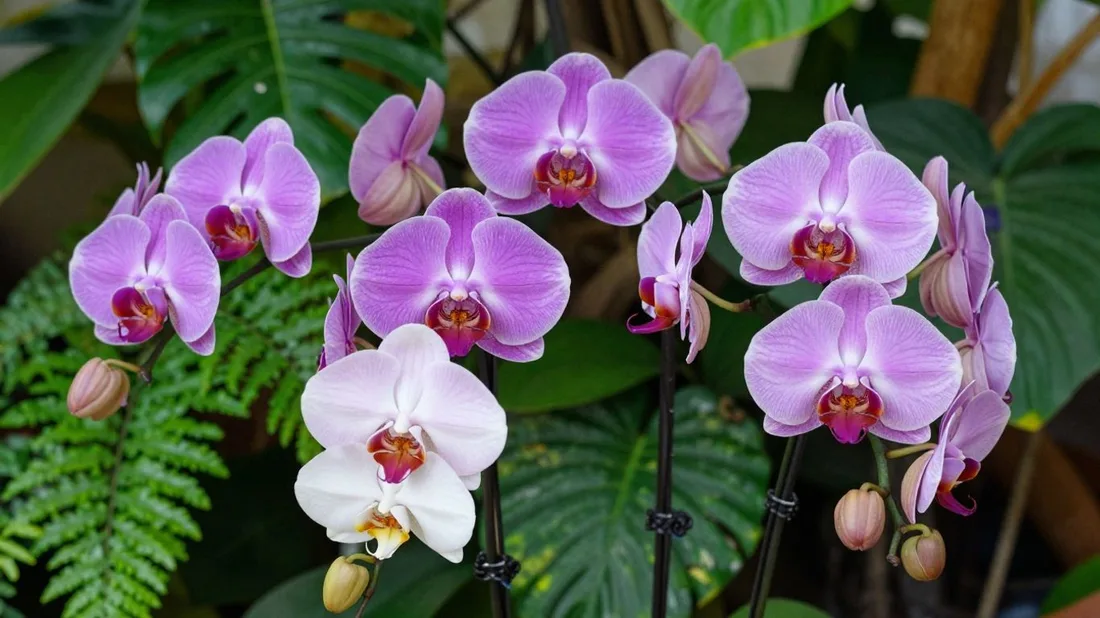
When you're planning a trip to Tahiti for some underwater adventures, picking the right island makes a big difference. Each spot has its own vibe and marine life.
Rangiroa: A Diver's Paradise
Rangiroa is the largest atoll in the Tuamotu Archipelago, and it's pretty famous among folks who love to explore beneath the waves. It's got these big channels, called passes, where the ocean currents bring in all sorts of cool stuff. You can expect to see lots of sharks here, like hammerheads and grey reef sharks, especially in the Tiputa Pass. It's a place that really draws in the crowds, so sometimes there's talk about how all the visitors might affect the whales and dolphins. If you're thinking about visiting, checking out a tour to the Blue Lagoon could be a good idea for some snorkeling with baby sharks.
Fakarava: UNESCO Biosphere Reserve
Fakarava is another gem in the Tuamotus, and it's special because it's a UNESCO Biosphere Reserve. This means they're working hard to protect the nature there. It feels a bit more peaceful than Rangiroa, and it's known for its incredible shark encounters, particularly in the South Pass. Imagine swimming with hundreds of sharks – it's quite the sight! Staying near the pass, like at Tetamanu village, puts you right in the middle of the action. It's definitely worth booking a couple of dives here to really soak it all in.
Moorea: Accessible Underwater Wonders
If you're looking for something a bit easier to get to, Moorea is a fantastic choice. It's just a short ferry ride from Tahiti, making it super convenient. The waters here are often calmer, which is great for all levels of divers and snorkelers. You'll find beautiful coral gardens and plenty of colorful fish. It's a wonderful spot for a more relaxed underwater experience, and you can still see rays, sharks, and turtles. It's a good option if you want amazing marine life without the long travel to the more remote atolls. Moorea's lagoons are particularly noted for being calmer and more sheltered, providing a great environment for underwater exploration.
Here's a quick look at what makes these islands stand out:
Rangiroa: Known for its strong currents in passes, attracting large pelagics like hammerhead sharks.
Fakarava: A protected biosphere reserve offering incredible shark aggregations, especially in its passes.
Moorea: Easily accessible with calm lagoons, ideal for a variety of marine life encounters and suitable for all skill levels.
Sharks and Rays Galore
Get ready for some seriously cool encounters when you book a Tahiti dive package. The waters here are absolutely buzzing with life. You'll likely see plenty of sharks, from the smaller blacktip and whitetip reef sharks cruising by to the occasional larger gray or lemon shark. And the rays? They're everywhere! Stingrays glide along the sandy bottoms, and if you're lucky, you might even spot a majestic manta ray doing its thing. It’s pretty amazing to see these creatures in their natural habitat.
Whale and Dolphin Sightings
This is when the magnificent humpback whales make their way to French Polynesian waters to breed and give birth. While you can't usually dive with them, snorkeling excursions offer a chance to witness their incredible aquatic ballets and even hear their haunting songs. Dolphins are also frequent visitors, often seen playing in the boat wakes or leaping through the waves. It’s a truly special experience to share the ocean with these gentle giants.
Diverse Tropical Fish Species
Beyond the big guys, the coral reefs are bursting with color. Expect to see schools of vibrant tropical fish darting through the coral gardens. You'll find everything from tiny, brightly colored nudibranchs to larger parrotfish and angelfish. The sheer variety is astounding, and each dive feels like you're exploring a living aquarium. It’s a photographer’s dream, though just soaking it all in is pretty fantastic too.
Wreck Diving Adventures
Tahiti's waters hold secrets beneath the waves, including fascinating shipwrecks. These underwater sites offer a different kind of exploration, often teeming with marine life that has made them their home. Imagine gliding past old hulls, now encrusted with coral and visited by schools of fish. It's like stepping back in time, but with a lot more water. These dives are usually for those with a bit more experience, so always check with your dive operator about the specific requirements. It's a chance to see history and nature intertwined in a unique way.
Nitrox for Certified Divers
If you're already certified, you might want to consider using Nitrox. It's basically air with a higher percentage of oxygen. What does that mean for you? Well, for many divers, it can mean longer bottom times or feeling less tired after a dive. Think of it as getting a little extra breathing room underwater. Most dive centers in Tahiti can accommodate Nitrox fills, but you'll need proof of your Nitrox certification. It's a simple step that can make your multiple dives even more enjoyable.
Two-Tank Dive Trips
Want to make the most of your day underwater? Two-tank trips are a popular choice. You'll do two dives back-to-back, usually with a surface interval in between. This is a great way to see more of what Tahiti's reefs and passes have to offer without having to pack up and move between sites multiple times. It's efficient and lets you really get into the rhythm of the ocean. Operators often plan these trips to hit two distinct and exciting locations, giving you a broader experience of the local underwater world.
Choosing the Right Time for Your Dive
So, you're planning a trip to Tahiti to explore the underwater world, which is awesome! But when exactly should you book your tickets? Timing can make a big difference, especially when you're hoping to see specific marine life or just want the best weather.
Seasonal Marine Life Migrations
If you're dreaming of swimming with giants, timing is everything. The waters around Tahiti are a highway for some incredible creatures throughout the year.
Grey Reef Sharks: Good news! These guys are pretty much year-round residents, so you don't have to plan your trip around them.
Best Diving Seasons by Region
French Polynesia isn't just one big island; it's a collection of atolls and islands, each with its own microclimate and best times to visit for diving.
This is often considered the prime time for most visitors.
Marquesas Islands: Being closer to the equator, these islands tend to be hotter.
Water Temperature and Wetsuit Recommendations
One of the best things about diving in French Polynesia? The water is warm! You can expect temperatures to hover between 26 and 28°C (79-82°F) pretty much all year. It might be a degree or so warmer in the Marquesas.
Most people find a 3mm shorty wetsuit is perfectly fine for comfort. However, if you tend to get cold easily, or if you're planning on doing multiple dives in a day, bringing a full 3mm or even a 5mm wetsuit wouldn't be a bad idea. I personally used my 5mm when I was there, and it was just right for me, especially since I was heading to cooler waters afterward.
Navigating Dive Package Inclusions
When you're looking at different dive packages for Tahiti, it's easy to get lost in all the options. What exactly are you getting for your money? It's not just about the number of dives, though that's a big part of it. You'll want to check out the network of dive centers the package works with. Some packages might give you access to a wider range of locations or operators, which can be pretty handy if you want to explore different atolls.
It's really about making sure the package fits your adventure style.
Here's a breakdown of what to look for:
Dive Center Network Coverage: Does the package let you hop between different dive shops? This can be great if you want to experience various dive sites or if your plans change.
Package Discounts and Savings: Are there deals for booking multiple days or for groups?
Included Dive Sites and Locations: Does the package specify which atolls or famous spots you'll visit? Some might focus on one island, while others offer a tour of several.
For example, a package might look like this:
Always read the fine print. " Getting clear on these details beforehand saves a lot of hassle later on.
Practical Considerations for Tahiti Diving
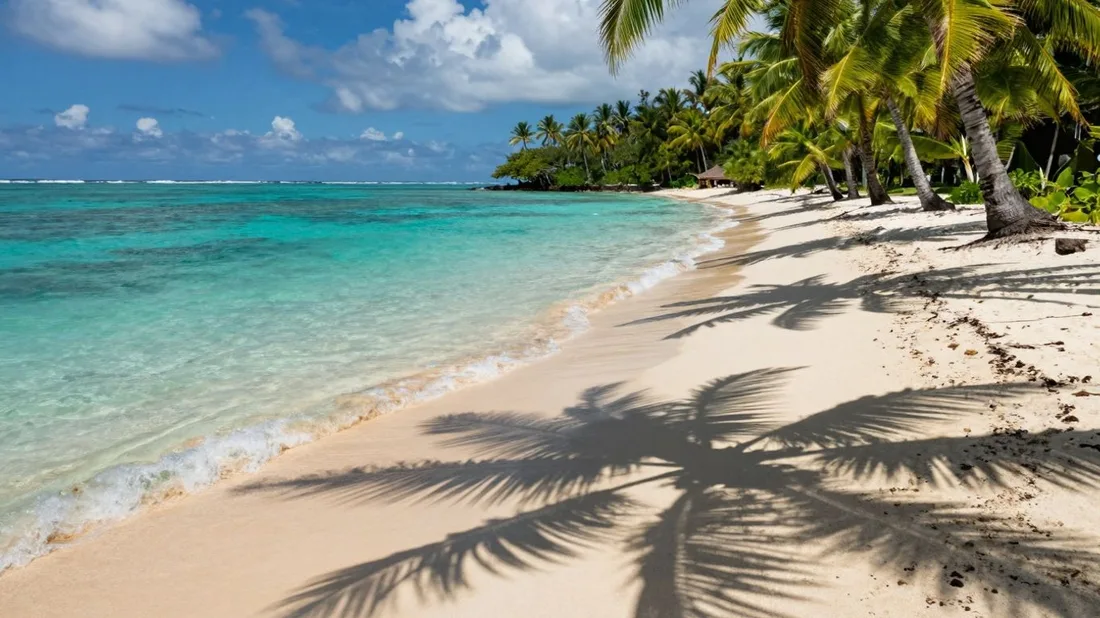
So, you're planning a dive trip to Tahiti and wondering about the nitty-gritty details? It's smart to think about these things before you go. It's not just about the amazing underwater sights; it's also about making sure your trip goes smoothly.
Language Services at Dive Centers
Don't worry too much about the language barrier. While French is the official language, English is widely spoken at most dive centers, especially since the US is a big source of visitors. You'll find that staff are usually happy to help you out, whether you need to ask about a dive site or just want to chat about your day. It makes things a lot easier when you can communicate clearly.
Quality of Rental Diving Gear
If you're not keen on lugging your own gear all the way to French Polynesia, you're in luck. The dive centers here generally have really good quality rental equipment. I've heard from many people that the gear is well-maintained and up-to-date. So, you can probably leave your bulky wetsuit and fins at home if you prefer, and just rent what you need when you get there. This can really simplify your packing.
Travel Between Atolls
Getting around between the different islands and atolls is part of the adventure, but it does take some planning. Air Tahiti is the main way to hop between islands, and it's a good idea to book your flights in advance, especially if you're traveling during peak season. The Air Tahiti domestic airline offers a Tuamotu Pass that can save you a bit on airfare if you plan to visit multiple atolls in that region. Factor in travel time between locations; it can eat up a good chunk of your day, sometimes even a full day, so don't overschedule yourself.
Beyond the Dive Sites
While the underwater world is the main draw, Tahiti and its surrounding islands offer plenty to explore when you're not in the water. Think of it as a chance to soak in the local vibe and see what makes these islands so special beyond the coral reefs.
Exploring Rangiroa's Lagoon
Rangiroa's lagoon is massive, seriously, it's one of the largest in the world. It's not just for divers, though. You can take boat trips out to explore its vastness. Many tours will take you to quiet motus (small islets) where you can just relax on the sand, swim in the clear water, or even try some snorkeling right from the shore. Some excursions might even include a picnic lunch on a secluded beach – talk about paradise!
Discovering Local Pearls and Vanilla
Tahiti is famous for its black pearls. Visiting a pearl farm is a really interesting way to learn how these beautiful gems are cultivated. You can see the whole process, from the oysters to the finished product. It's a great place to pick up a unique souvenir. And while you're exploring, look out for Tahitian vanilla, grown on islands like Taha'a and prized by chefs around the world. The fragrant beans make a lovely souvenir to take home.
Experiencing Island Lifestyle
Taking a break from the water gives you a chance to connect with the local culture. Wander through local markets, try some of the fresh fruit, and maybe even pick up some handmade crafts. You can also find opportunities to learn about traditional Polynesian arts, like pareo dyeing or flower arranging, which is a really hands-on way to engage with Polynesian heritage . It’s all about slowing down and enjoying the relaxed pace of island life. Don't forget to sample some of the local cuisine too – fresh fish is usually a safe bet and absolutely delicious.
So, Which Tahiti Dive Package is Right for You?
Alright, so we've looked at a few ways to get underwater in French Polynesia. It's definitely not the cheapest place to go, but honestly, the experiences seem pretty amazing. Whether you're eyeing the big networks like Te Moana or Top Dive, or maybe something more flexible like E-diving pass, there's a package out there. Remember to think about where you want to go – places like Rangiroa and Fakarava are often mentioned as top spots. Consider what you want to see, like sharks or maybe even whales if you time it right. Ultimately, picking the right package just means figuring out what fits your budget and what kind of underwater adventure you're dreaming of. Happy diving!
How much does diving in Tahiti usually cost?
Buying a package of dives usually saves you money, with a 10-dive package costing around 72,000 XPF ($600 USD) or more, depending on the dive center.
What are the best islands in Tahiti for diving?
Rangiroa is known as a diver's dream, famous for its amazing lagoon and the Tiputa Channel, where you can see dolphins, sharks, and rays. Fakarava is another top spot, recognized by UNESCO for its natural beauty and shark diving. Moorea is also a great choice, especially since it's easy to get to from Tahiti and offers beautiful underwater sights.
What kind of marine life can I expect to see?
You'll see a lot of cool sea creatures! Expect to encounter many sharks, like reef sharks and sometimes even tiger sharks, along with graceful manta rays and stingrays. The waters are also full of colorful tropical fish. If you're lucky, you might even spot dolphins or whales, especially during certain times of the year.
Are there special dive packages available?
Yes, several dive centers have teamed up to offer packages. 'Te Moana Diving Pass' and 'E-Diving Pass' let you dive at various locations within their network, often with discounts. 'Top Dive' is a larger operator that also offers packages and sometimes includes free Nitrox for certified divers.
When is the best time to go diving in Tahiti?
The water temperature is warm year-round, usually between 79-82°F (26-28°C). If you want to see specific animals like humpback whales or certain sharks, check the migration seasons, as they vary by month and location.
What's included in a typical dive package?
Dive packages usually cover a set number of dives at specific locations or within a network of dive centers. Some might offer discounts compared to paying for each dive separately. Always check what's included, like boat trips, dive guides, and sometimes even gear rental, though this can vary.
Do I need to bring my own diving gear?
You don't have to worry too much about bringing your own equipment. Most dive centers in French Polynesia have good quality rental gear, including wetsuits, masks, and tanks. So, if you prefer not to travel with your gear, you'll likely find what you need available to rent.
Can I travel between different dive islands easily?
Getting between the islands usually involves flights or ferries. While it's possible to visit multiple atolls like Rangiroa and Fakarava in one trip, it can take up a day or two for travel. Planning your itinerary carefully can help you make the most of your diving time.
Confirm current details
Confirm the number of dives, certification level required, equipment rental and flight connections with the dive center before booking.
Use this guide for trip ideas, not a current quotation or a guarantee of access, safety, inclusions or availability. Confirm the requirements and conditions for your dates, destination and provider before booking.