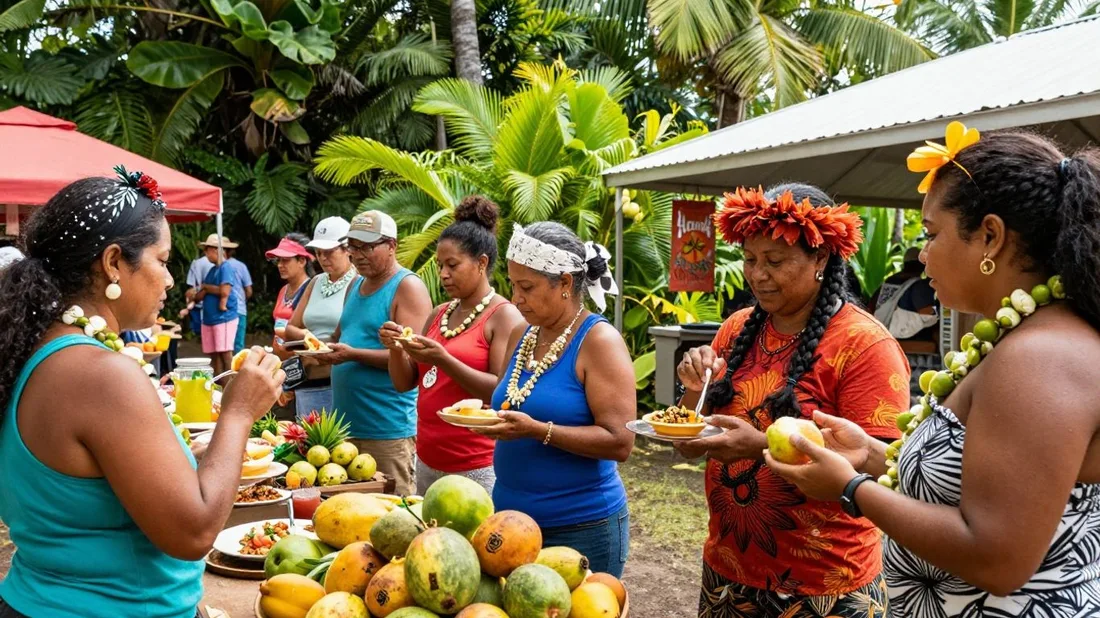
Thinking about a trip to Tahiti? Forget the usual resort stay. Imagine cruising around the island in a cool vintage car, soaking in all the sights and sounds. It's a fantastic way to see everything, from busy Papeete to the quiet corners of Tahiti Iti. Polynesian vintage car tours offer a unique vibe, letting you set your own pace and really connect with the island's beauty and culture. Get ready for an adventure that's a bit different, a bit nostalgic, and totally unforgettable.
Key Takeaways
Explore Tahiti's diverse landscapes, from the main island's coastal road to the wilder side of Tahiti Iti, all at your own speed in a vintage car.
Discover natural wonders like the Arahoho Blowhole and Fa'aruma'i Waterfalls, plus historical spots such as the Marae of Paea and Pointe Vénus Lighthouse.
Experience local life by visiting markets, trying traditional food like 'poison cru', and observing activities like outrigger canoe (vaa) racing.
Enjoy breathtaking views from scenic overlooks like Belvédère de Taravao and explore the island's botanical gardens and unique grottos.
Embrace the freedom of Polynesian vintage car tours to uncover hidden beaches, surf spots like Teahupoo, and the charming, slower pace of island living.
Embarking on Polynesian Vintage Car Tours
Getting behind the wheel of a vintage car in Tahiti is like stepping back in time, but with way better scenery. Forget the usual rental car experience; this is about soaking in the island's vibe at a pace that lets you actually see it. The Circle Road, or Route 1, is your main highway, a 117-kilometer loop around Tahiti Nui, the larger, more populated part of the island. It's a fantastic way to get a feel for the place, from the bustling capital to quiet coastal villages.
Discovering Tahiti's Circle Road
This road is the island's lifeline, connecting towns and villages with stunning ocean views on one side and lush, volcanic mountains on the other. You'll pass by black sand beaches, small fishing harbors, and local markets. It's not a race; it's an invitation to stop whenever something catches your eye. Keep an eye out for roadside stands selling fresh fruit – the papayas and pineapples are incredible.
Pace Yourself: Don't try to do the whole thing in a day. Break it up and enjoy the journey.
Look for 'Points of Interest': Many spots are marked, offering great photo opportunities or a chance to stretch your legs.
Embrace the Unexpected: Sometimes the best discoveries are the unplanned stops.
Navigating Papeete's Charm
Papeete, the capital, is a lively hub. While the Circle Road is more about natural beauty, Papeete offers a taste of urban Polynesian life. The waterfront is a great place to start, with its markets and cafes. Driving here can be a bit more intense, with more traffic and narrower streets, but it's manageable if you stay alert.
Understanding Local Driving Etiquette
Driving here is generally relaxed, but there are a few things to keep in mind. People tend to be friendly, and a wave or a nod is common. Speed limits are usually respected, and you'll often see locals pulling over just to chat or admire the view. Be mindful of pedestrians, especially in towns, and give way to outrigger canoes (va'a) if you're near the water – they have the right of way!
Exploring Tahiti Nui's Coastal Wonders
Tahiti Nui, the larger part of the island, offers a coastline that's a mix of dramatic natural features and historical markers. Driving the main road, Route 1, you'll find these spots are easily accessible and provide a great snapshot of the island's beauty.
The Majestic Arahoho Blowhole
This isn't your typical blowhole right on the water's edge. Instead, the Arahoho Blowhole is a bit inland, where waves force water through a long lava tube, creating a misty spray that shoots out surprisingly far. It's a cool geological quirk.
Location: Around PK 22 on the northern coast of Tahiti Nui.
Experience: Listen for the 'conch-like' sound as the water is expelled.
Surroundings: There's a black sand beach nearby, often dotted with surfers.
Pointe Vénus Lighthouse and Historical Significance
Head to PK 10 and you'll find Pointe Vénus. This spot is famous because Captain Cook observed the transit of Venus here. It's a place where science and history meet the sea.
Historical Note: Named after the astronomical event observed by Captain Cook.
Atmosphere: Often a gathering spot for local families, especially on holidays.
Scenery: Features a nice black sand beach.
Fa'aruma'i Waterfalls: A Trio of Natural Beauty
Just a short drive from Papeete, the Fa'aruma'i Waterfalls are a series of three cascades tucked away in a lush valley. It feels like stepping into a hidden jungle oasis.
Accessibility: Located in a valley, requiring a short walk.
Features: Three distinct waterfalls.
Environment: Surrounded by thick tropical vegetation.
Discovering Toouo Beach's White Sands
Leaving the more developed Tahiti Nui behind, Tahiti Iti feels like stepping back in time. The roads here are quieter, the pace slower, and the sense of untouched nature is palpable. It's a place where you can really feel the island's wild heart. One of the unexpected gems is Toouo Beach. Unlike the typical black sand beaches found elsewhere, Toouo boasts a long stretch of soft, white sand. It's a local favorite, especially for family gatherings, and it's easy to see why. The gentle waves lapping the shore create a peaceful soundtrack, perfect for a lazy afternoon. Imagine parking your vintage car, opening the doors, and just letting the sea breeze wash over you. It’s pure bliss.
Experiencing Teahupoo's Legendary Surf
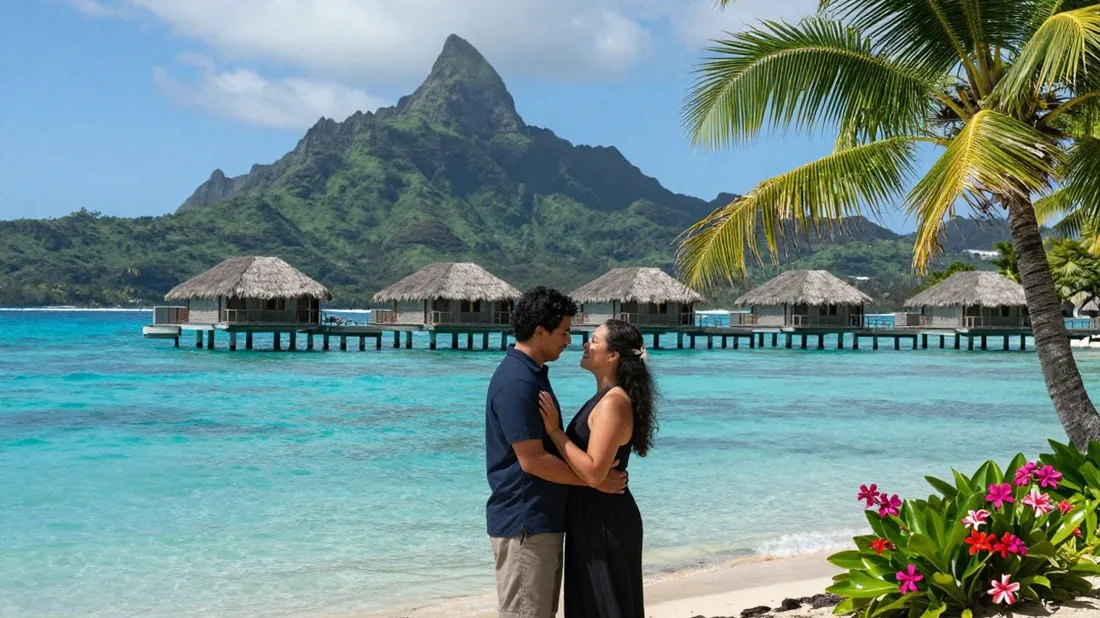
For those who follow the world of surfing, Teahupoo needs no introduction. This is where some of the most powerful and iconic waves on the planet break. Even if you're not a surfer yourself, witnessing the raw energy of the ocean here is an experience. The waves can get seriously massive, especially during the prime season, drawing professional surfers from all over. It's a dramatic spectacle, a testament to nature's power. The road leading to Teahupoo winds through lush vegetation, with the ocean always close by, building anticipation for the famous surf break.
Exploring Isolated Roads and Local Life
Tahiti Iti is characterized by its limited road network. You can drive for a good stretch, soaking in the scenery, but eventually, the road simply ends, requiring you to turn back. This lack of a complete circumnavigation road is part of its charm, preserving its remote feel. Along these isolated routes, you'll encounter very few other vehicles. Life here moves at a different rhythm, a stark contrast to the bustling capital. It’s in these quiet moments, observing local life unfold at its own pace, that you truly connect with the spirit of French Polynesia. You might even find yourself reminded of Hawaii's own rugged beauty, given the similar volcanic landscapes.
Here's a quick look at what makes Tahiti Iti special:
Untamed Landscapes: Expect dramatic coastlines and lush, mountainous interiors.
Local Vibe: Experience a slower pace of life, far from the tourist crowds.
Surfing Mecca: Home to world-renowned waves at Teahupoo.
Unique Beaches: Discover rare white sand stretches like Toouo Beach.
Limited Access: Roads often end, preserving the island's secluded character.
Historical Stops on Your Vintage Car Itinerary
When you're cruising around Tahiti in a vintage car, it's not just about the pretty views, right? You've got to soak in some of the island's past too. Luckily, there are some really cool spots that tell a story, and they're totally doable with your classic ride.
The Sacred Marae of Paea
First up, let's talk about the Marae of Paea. These aren't just piles of rocks; they were super important gathering places for ancient Polynesians. Think of them as historical community centers, but way more spiritual. The Marae of Paea has a bit of a dramatic past, with tales of old battles fought right there. It’s a quiet place now, but you can almost feel the history in the air. It’s a good reminder of the island's deep roots.
Grotto de Marae's Lush Surroundings
Just a bit further down the road, you'll find the Grotto de Marae. It’s not exactly a grotto in the cave sense, but more like a beautiful, natural garden area with some small waterfalls and a cool little cave-like spot with water. It’s a nice place to stretch your legs for a bit. Just a heads-up, though: the mosquitoes here can be pretty intense, especially if it’s humid. Definitely bring some bug spray if you plan on lingering. It’s a pretty spot, but maybe not for a long picnic.
James Norman Hall's Home and Literary Legacy
For all you book lovers out there, this stop is a must. James Norman Hall, famous for co-writing The Bounty Trilogy , lived here. His home, Maison James Norman Hall, is a window into his life and his connection to Tahiti. It’s one of those places that really brings history to life. You can imagine him sitting there, writing about epic sea voyages. It’s a quiet tribute to a writer who found inspiration in this paradise. It’s a great way to connect with the island’s cultural side, beyond just the beaches and mountains. You can find out more about his life and works at James Norman Hall's Home .
Scenic Vistas and Mountainous Backdrops
When you're cruising around Tahiti in a vintage car, you'll quickly notice that the island isn't just about beaches and lagoons. There's a dramatic, rugged interior that demands attention, and the best way to appreciate it is from a few key viewpoints. These spots offer a different perspective on Tahiti's beauty, showing off its volcanic heart.
Belvédère de Taravao's Panoramic Views
This lookout point, perched high above the Taravao Isthmus, is a must-see. From here, you get a sweeping vista that connects the two main parts of the island, Tahiti Nui and Tahiti Iti. It’s like looking at a map come to life, with the turquoise waters on one side and the lush green interior on the other. You can really appreciate the geography of the island from this vantage point.
Mount 'Orohena Foothills and Coastal Vistas
While Mount 'Orohena itself, the highest peak in French Polynesia, is often shrouded in clouds, the drive into its foothills offers incredible scenery. You'll find yourself winding through roads with steep, green slopes rising on either side. Keep an eye out for small, local restaurants or cafes that might have balconies or terraces. Even if they're closed, the views from their exteriors are often worth the stop. You get a real sense of the island's wild, untamed nature here, with the rugged terrain meeting the coast.
The Taravao Isthmus from Above
Similar to the Belvédère de Taravao, but worth mentioning again because it's so striking, is the view of the isthmus. This narrow strip of land is the bridge between the larger, more populated Tahiti Nui and the wilder Tahiti Iti. Seeing it from above really highlights how the island is shaped. It's a place where you can pause, take a breath, and just soak in the sheer scale of the landscape.
Here's a quick rundown of what to expect:
Elevation: Most key viewpoints are between 1,800 and 2,500 feet.
Scenery: Expect dramatic coastlines, lush valleys, and the distinct shape of the isthmus.
Best Time: Early morning or late afternoon often provides the best light for photos and slightly cooler temperatures.
Le Marché: A Taste of Polynesian Crafts
When you're cruising around in your vintage ride, make sure to swing by Le Marché, the main market in Papeete. It's not just a place to grab souvenirs; it's where you can really feel the pulse of local life. You'll find everything from hand-carved wooden bowls and woven pandanus mats to vibrant pareos and fragrant vanilla beans. It's the perfect spot to pick up a unique memento of your trip. Don't be shy about haggling a little – it's all part of the fun!
Experiencing a Polynesian Show and Poison Cru
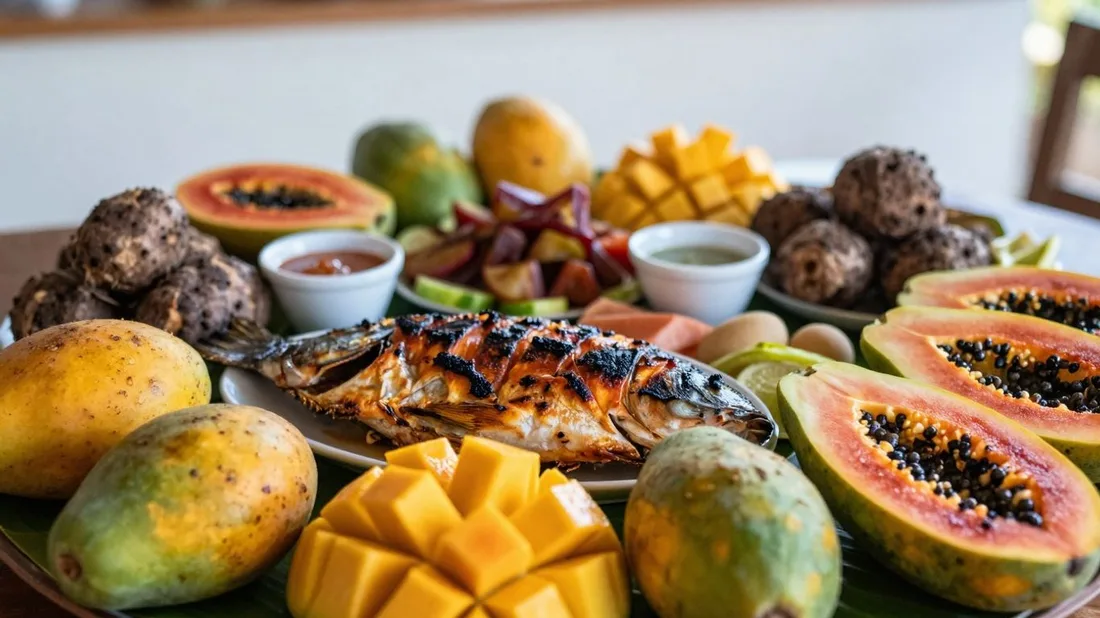
No trip to Tahiti is complete without experiencing a traditional Polynesian show. Many hotels offer these, and they're a fantastic way to see local culture come alive. You'll witness energetic drumming, graceful hula-like dances, and fire dancers that will leave you mesmerized. And the food! You absolutely have to try 'poison cru'. It's basically raw fish marinated in lime juice and coconut milk, often with fresh tomatoes and onions. It sounds simple, but it's incredibly refreshing and delicious, especially on a warm evening.
Here's a little breakdown of what to expect:
Music: Rhythmic drumming and melodic chanting.
Dance: Storytelling through movement, from gentle swaying to powerful leaps.
Fire Dancing: A thrilling display of skill and bravery.
Poison Cru: The star of the culinary show – fresh, flavorful, and addictive.
Observing Traditional Vaa Boats
Keep an eye out along the coast for traditional Polynesian outrigger canoes, known as 'vaa'. These aren't just for show; they're still used by locals for fishing and racing. Seeing them glide across the water, often with multiple paddlers working in unison, is a beautiful sight and a reminder of the islands' deep connection to the ocean. If you're lucky, you might even catch a local race – the energy and skill involved are truly impressive.
Gardens and Geological Marvels
When you're cruising around Tahiti in a vintage car, you'll want to make time for some of the island's natural beauty spots. It's not all about the beaches and surf, you know. There are some really cool gardens and geological formations that are totally worth a stop.
The Water Gardens Vaipahi
These gardens are pretty neat. You can park your car nearby and then take a short walk to get there. It feels like stepping into a different world, with lots of plants and water features. It's a really peaceful place to just wander around for a bit. Some people say it's a great spot for a lunch break, and you might even find locals selling snacks.
Maraa Grotto's Freshwater Pools
This spot is a bit of a hidden gem. You'll find it along the coast, and it's known for its cool, freshwater pools. The water is said to be quite refreshing, though some visitors find it a bit chilly. It's a unique geological feature, with water dripping from the rocks, creating a serene atmosphere. Just a heads-up, though: bring some bug spray! The mosquitoes here can be pretty persistent, especially if you linger too long.
Botanical Gardens and Tropical Flora
If you're a plant lover, you'll really enjoy the Botanical Gardens. It's like a tropical jungle come to life. You can see all sorts of exotic plants and flowers. It's a great place to get a feel for the island's lush vegetation. You might even feel like you've stepped back in time, surrounded by all the greenery. It's a nice contrast to the coastal drives and gives you a different perspective on Tahiti's natural beauty .
Here's a quick rundown of what to expect:
Vaipahi Water Gardens: Lush greenery, water features, peaceful atmosphere.
Maraa Grotto: Freshwater pools, unique rock formations, potential for mosquitoes.
Botanical Gardens: Diverse tropical plants, jungle-like feel, great for photos.
Beaches and Surfing Havens
Tahiti's coastline is a mix of dramatic black sand shores and some surprisingly serene white sand spots, perfect for a vintage car cruise. You'll find some of the most iconic surf breaks here, drawing wave riders from all over.
Taharuu Beach's Surfing Spectacle
Located on the main island, Taharuu Beach is a popular spot, especially for those who love watching surfers. Even if you're not catching waves yourself, the energy here is infectious. You can park your car nearby and walk over to the black sand. The waves here can get pretty big, sometimes reaching up to 7 meters, though 2-3 meters is more common. There's usually a small snack stand or two, so you can grab a drink and just soak in the scene. It's a great place to pull over and stretch your legs.
Moorea's Taahiamanu Beach
While technically on the island of Moorea, a short ferry ride from Tahiti, Taahiamanu Beach (also known as Moorea's public beach) offers a different vibe. It's known for its calmer waters, often protected by reefs, making it a nice contrast to the wilder surf spots. The sand here is lighter, and it's a lovely place for a relaxed picnic after a drive. You might find locals enjoying the water, making it a good spot for a bit of people-watching.
Black Sand Beaches and Coastal Coves
Beyond the famous surf spots, Tahiti is dotted with numerous black sand beaches, a result of its volcanic origins. Many of these are quite isolated, especially as you venture further around the island, particularly on Tahiti Iti. Driving along the coast, you'll discover hidden coves and stretches of sand where you might be the only one around. These spots are ideal for a quiet stop, perhaps to enjoy a packed lunch from one of Papeete's markets or just to listen to the waves.
Here's a quick look at what to expect:
Taharuu Beach: Known for consistent surf, black sand, and a lively atmosphere.
Taahiamanu Beach (Moorea): Lighter sand, calmer waters, good for relaxing.
Isolated Coves: Numerous unnamed spots, especially on Tahiti Iti, offering solitude and natural beauty.
Wrapping Up Your Tahiti Drive
So, that's a wrap on our vintage car journey around Tahiti. It’s pretty amazing how much you can see just by following that main road, the Circle Road. From the bustling market in Papeete to the quiet shores of Tahiti Iti, there’s a lot packed into this island. Remember to take your time, don't let the local drivers rush you, and just soak it all in. Whether you're stopping at waterfalls, ancient sites, or just enjoying the ocean breeze, driving a classic car here really adds something special to the whole experience. It’s a trip that sticks with you, for sure.
What's the best way to get around Tahiti in a vintage car?
The main road, called the Circle Road, goes all around the island and is about 120 km long. It's perfect for a relaxed drive to see all the sights. Just follow the road markers, and don't worry too much about other cars rushing you.
What should I know about driving in Tahiti?
Locals sometimes drive very close behind you, but it's best to stay calm and not let them rush you into missing turns. The roads are generally easy to follow, especially with a map app.
Are there any interesting natural spots to visit?
Yes! You can see the Arahoho Blowhole, where the ocean sprays water through rocks. There are also beautiful waterfalls like the Fa'aruma'i Waterfalls and cool caves like the Maraa Grotto with its freshwater pools.
What historical places can I see?
You can visit ancient sacred sites called Marae, like the Marae of Paea. Also, check out the Grotto de Marae, which is a pretty garden area with a cave, and the home of writer James Norman Hall, who wrote about the Bounty mutiny.
What are some scenic viewpoints?
The Belvédère de Taravao offers amazing views of the island's narrow middle part. You can also enjoy views from the hills near Mount 'Orohena, looking out over the land and sea.
What's unique about Tahiti Iti?
Tahiti Iti, the smaller part of the island, is less crowded and feels more wild. It's famous for big waves and surfing, and you can find quiet beaches like Toouo Beach with white sand.
Can I experience local culture?
Definitely! Visit Le Marché (the market) in Papeete for local crafts and food. You can also enjoy Polynesian shows with traditional music and dancing, and try delicious local food like 'poison cru' (marinated raw fish).
Are there any famous beaches or surfing spots?
Taharuu Beach is great for watching surfers. You can also visit Pointe Vénus, a historic spot with a lighthouse. While Moorea's Taahiamanu Beach has white sand, many of Tahiti's beaches have beautiful black sand.