French Polynesia is more than just beaches and blue water, you know? It's got these incredible hidden spots, like sea caves, that are just begging to be explored. Think Rurutu with its limestone wonders or Tahiti's volcanic tunnels. It's a whole different kind of adventure, a bit wilder and definitely memorable. We're talking about places that have stories to tell, shaped by nature over ages.
Key Takeaways
French Polynesia offers a variety of sea caves, from Rurutu's limestone formations to Tahiti's lava tubes.
Exploring these Polynesian sea caves can involve challenging hikes and climbs, sometimes requiring ropes.
Rurutu is known for its numerous caves, including the Mitterrand Cave, Ana Taupee, and Ana Eva.
Beyond the caves, Rurutu provides opportunities for whale watching and experiencing local crafts.
When planning a trip to see Polynesian sea caves, hiring local guides is recommended for safety and cultural insight.
Discovering Polynesian Sea Caves
French Polynesia isn't just about sun-drenched beaches and crystal-clear lagoons, though it has those in spades. Beneath the surface, and along its dramatic coastlines, lie hidden worlds waiting to be explored: sea caves. These natural formations offer a different kind of adventure, a journey into the earth's sculpted artistry. The allure of these hidden grottoes is undeniable, promising mystery and discovery.
The Allure of Hidden Grottoes
Imagine stepping into a space carved by the relentless power of the ocean over millennia. These aren't just holes in the rock; they are geological time capsules. Some are vast chambers echoing with the sound of the sea, while others are narrow passages leading to secret pools. The air inside is often cool and damp, carrying the scent of salt and ancient stone. It's a sensory experience that connects you directly to the raw forces that shaped these islands. Exploring them feels like uncovering a secret the island has kept just for you.
Exploring the Depths of French Polynesia
French Polynesia's volcanic origins and subsequent geological shifts have created a diverse landscape ripe for cave formation. While Rurutu is famous for its limestone caves, other islands boast different types, like lava tubes. Each island offers a unique window into the region's past.
Here's a glimpse of what you might find:
Limestone Caves: Primarily found on islands like Rurutu, these are formed by the dissolution of rock, often featuring impressive stalactites and stalagmites.
Lava Tubes: Created by ancient volcanic activity, these underground tunnels offer a different kind of subterranean exploration.
Coastal Erosions: Caves formed by the sea's constant action on softer rock along the shorelines.
Planning a trip to experience these natural wonders is an adventure in itself. You might find yourself drawn to the dramatic cliffs of Rurutu, or perhaps the volcanic landscapes of Tahiti. Whichever you choose, the experience of entering these hidden spaces is truly memorable. For those interested in the vibrant cultural events that also dot the islands, you can check out the Tahiti events calendar .
Rurutu's Limestone Wonders
Rurutu, a gem in the Austral Islands, is practically a geological masterpiece sculpted by time and the sea. Its dramatic limestone cliffs aren't just scenery; they're riddled with caves, each with its own story. The island boasts around thirty of these natural formations , making it a prime spot for anyone fascinated by underground exploration.
The Mitterrand Cave's Grandeur
This cave, named after a former French President who visited, is a real showstopper. Inside, you'll find massive stalactites and stalagmites that create an atmosphere akin to a grand cathedral. It's a place where you can really feel the immense geological history of the island. Local guesthouses can often help arrange guided visits, which are highly recommended to truly appreciate the cave's scale and the legends associated with it.
Ana Taupee: The Dragon's Den
Known locally as Ana Taupee, this cave has earned the nickname 'the dragon's den' thanks to the striking shapes formed by its stalactites and stalagmites. Getting there involves a bit of a climb up a cliffside, and you'll definitely want a guide for this one. The entrance might look a bit intimidating, but the reward is incredible. From within, you get stunning views out over the vast Pacific Ocean. If you're visiting between July and November, you might even spot whales in the waters below – a truly unforgettable sight.
Ana Eva: The Weeping Cave
Ana Eva, meaning 'the weeping cave,' is another significant site on Rurutu. This cave has a history of habitation by islanders. Its walls are often adorned with seashell incrustations, a testament to its ancient origins, possibly over a hundred thousand years old. Exploring these caves offers a glimpse into both the island's natural history and its past human connections. It's a reminder of how these natural shelters have played a role in island life for centuries. You can find out more about unique island landscapes like this on Niue's rugged coast .
Tahiti's Geological Marvels
Tahiti, often thought of for its overwater bungalows and vibrant culture, also hides some pretty cool geological spots, especially when it comes to caves. It’s not just about the limestone wonders you find on islands like Rurutu; Tahiti has its own unique underground attractions shaped by volcanic activity and water.
Mara'a Caves and Their Pools
When you're on Tahiti's west coast, the Mara'a Caves are a must-see. These aren't deep, dark caverns, but rather a series of three natural caves carved right into the rock. They're surrounded by really lush greenery, which makes the whole experience feel quite serene. The best part? There are pools of fresh water inside some of them. Taking a dip in these cool, clear pools after a bit of exploring is incredibly refreshing. It’s a moderate walk to get there, and you can even scramble up some rocks with the help of ropes to find a nice viewpoint if you’re feeling a bit adventurous.
The Ancient Lava Tube Loop
If you want to get a bit more off the beaten path, the Hitiaa lava tube loop is where it's at. This hike really takes you back in time, letting you walk through lava galleries that are thousands of years old. It’s a mix of walking along rivers and passing through these impressive caves. The sound of water echoing off the rock walls is pretty neat. It’s a great outing for anyone who likes nature and a bit of adventure. Just make sure you have good water shoes!
Navigating the Hitiaa Lava Galleries
Exploring the Hitiaa lava galleries is an adventure in itself. The trail involves a bit of river trekking, so expect to get your feet wet. The lava tubes themselves are fascinating, showing the raw power of volcanic activity that shaped this island. It’s a good idea to go with someone who knows the area, as the paths can be a bit tricky.
Here’s a quick look at what you might encounter:
Mara'a Caves: Natural rock formations with refreshing pools.
Hitiaa Lava Tube Loop: Ancient volcanic tunnels and river walks.
Accessibility: Trails range from moderate to requiring some climbing.
Best Time to Visit: Generally during the dry season for easier trail conditions.
Exploring Rurutu's Thirty Caves
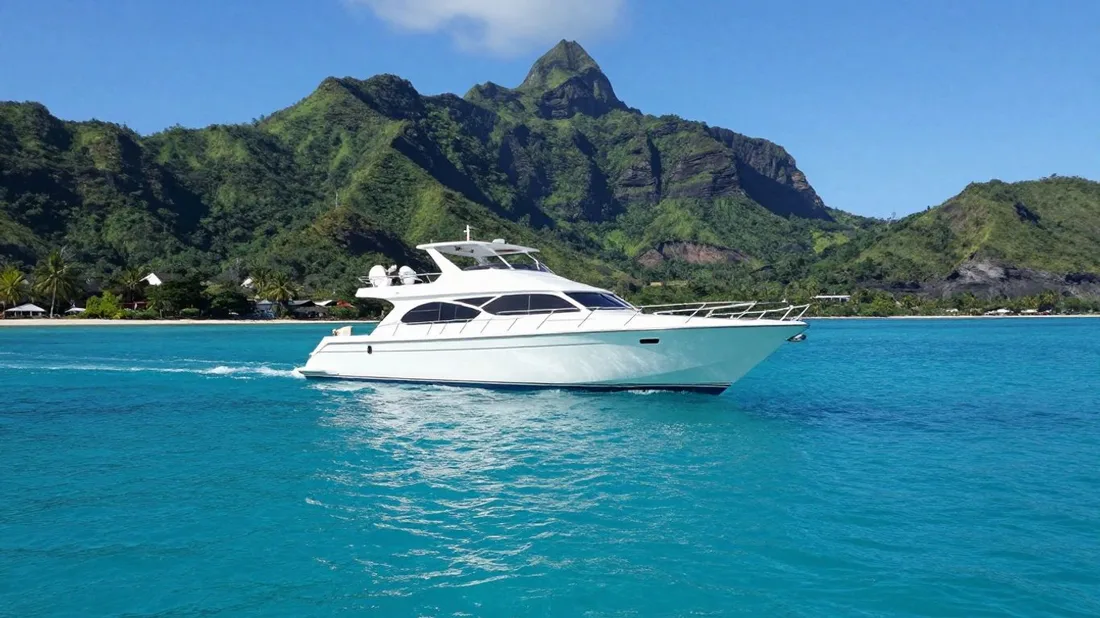
Rurutu, often called 'Whale Island,' is a real gem in the Austral Islands. It's not just about the whales, though. This place is a paradise for anyone who loves exploring underground. We're talking about around thirty caves here, each with its own story and unique formations. It's a lot to take in, and honestly, you could spend days just poking around these natural wonders. The island's limestone cliffs are riddled with these openings, a testament to its wild geological past. It feels like every corner you turn, there's another hidden entrance waiting to be discovered.
Guided Tours of Hidden Grottoes
While some caves are pretty accessible, many of Rurutu's best spots are tucked away. That's where local guides come in. They know these caves like the back of their hand – not just the paths, but the history and the legends too. It's a good idea to hook up with one of them. They can help you find places like the Mitterrand Cave, named after the French president who visited, which is huge inside with amazing stalactites and stalagmites. Or there's Ana Taupee, known as the 'Dragon's Den' because of its entrance, but it opens up to incredible ocean views. You'll definitely want a guide for these.
The Geological Significance of Limestone Cliffs
The whole landscape of Rurutu is shaped by its limestone. These cliffs aren't just pretty; they're like a history book. Over thousands of years, the water has carved out these caves, leaving behind incredible structures. You can see how the island was formed, how the sea levels changed, and how life has adapted. It's pretty mind-blowing when you stop and think about it. Some caves even have seashells stuck in their walls, showing they were formed when the sea was much higher.
Here's a quick look at what you might find:
Stalactites and Stalagmites: These are the cave's natural sculptures, formed by dripping water over ages. Some are massive, creating a cathedral-like feel.
Ocean Vistas: Certain caves, especially those near the coast, offer breathtaking views of the Pacific Ocean. It's a unique perspective, seeing the sea from within the earth.
Seashell Incrustations: Evidence of ancient sea levels, these shells embedded in cave walls tell a story of geological change.
Unique Rock Formations: Beyond the typical stalactites, you'll find formations that look like animals, faces, or abstract art, shaped by water and time.
The Strenuous Tiipoto - Pahia Climb
Some of the sea caves in French Polynesia aren't just a walk in the park. Take the Tiipoto - Pahia trail on Rurutu, for instance. It's a serious climb, not for the faint of heart or those who get dizzy easily. We're talking about a path that goes from walking to actual climbing on walls that are almost straight up. You'll be using ropes and chains that are already there to help you get up, and the ground can be pretty slippery, especially when it's wet. This route is definitely for experienced adventurers who are prepared for a real challenge.
Expert-Level Technical Ascents
Beyond Tiipoto - Pahia, there are other spots that demand a high level of skill. Think about the lava tube loop on Tahiti. While it's not as steep, it involves walking through rivers and scrambling over rocks in ancient lava galleries. It's an adventure, for sure, but it requires good footwear and a willingness to get a little wet. The key is to be prepared for varied terrain and conditions.
Understanding Elevation Gains in Polynesian Sea Caves
When planning your cave adventures, it's good to know what you're getting into. Some trails have a significant climb. For example, the Tiipoto - Pahia trail has a big elevation gain, over 2,000 feet. This means you'll be working hard to get to those higher cave entrances. Other trails, like the Mara'a Caves, are much shorter and more moderate, with less climbing involved. It really depends on which island and which caves you choose.
Here's a quick look at some trail stats:
Beyond the Caves: Rurutu's Natural Beauty
While Rurutu's caves are definitely a major draw, this island has so much more to offer. It's a place where nature really shows off, and you can feel it everywhere you go.
Whale Watching in Austral Waters
If you're visiting between July and November, you're in for a treat. Rurutu is known as 'Whale Island' for a reason. The waters around here become a gathering spot for humpback whales. Seeing these massive creatures breach and play in the ocean is an experience you won't forget. It's pretty amazing to watch them from the shore, or even better, from a boat. The local guides know the best spots and times to catch this incredible show. It’s a highlight for many visitors, and it’s easy to see why.
The Artistry of Local Handicrafts
Beyond the natural wonders, Rurutu's people have a rich tradition of craftsmanship. You'll find beautiful handmade items, often made from local materials. Think woven hats, baskets, and other decorative pieces. These aren't just souvenirs; they're a reflection of the island's culture and the skill passed down through generations. It’s a great way to support the local community and take a piece of Rurutu's spirit home with you.
Exploring Taro Plantations and Irrigation Networks
One of the most unique sights on Rurutu is its taro plantations. These aren't just fields of crops; they're a testament to the islanders' ingenuity. You'll see intricate irrigation systems, with channels carefully dug to bring water to each patch of taro. It’s a beautiful example of how people have worked with the land for centuries.
These plantations are a living part of the island's heritage, and understanding how they work gives you a different perspective on Rurutu's history and its people. It’s a peaceful scene, often set against dramatic limestone cliffs, making for some stunning views.
Choosing the Right Island for Exploration
French Polynesia is a big place, and not all islands are created equal when it comes to sea caves. Rurutu, for instance, is famous for its limestone caves, with around thirty of them dotting the landscape. It's often called 'whale island' because of the humpbacks that visit its waters, so you get a double dose of nature. Tahiti offers a different vibe with its lava tubes and the Mara'a Caves, which have these cool pools you can swim in. If you're looking for a specific type of cave experience, like those with dramatic stalactites or ancient lava formations, you'll want to research which island best fits your interests. It's worth looking into flight options to Papeete as a starting point for many journeys.
The Importance of Local Guides
Seriously, don't try to go it alone in most of these places. The terrain can be tricky, and some caves are pretty remote. Local guides know the paths, the safe entry points, and the best times to visit. They're also the keepers of the stories and legends tied to these natural wonders. Think of it as getting the inside scoop, plus it's a great way to support the local community. They can help you find hidden gems you'd never discover on your own.
Respecting Natural and Cultural Heritage
This is a big one. These caves are not just rocks and water; they're part of a living culture and a delicate ecosystem. Stick to marked trails, don't touch formations unless you're absolutely sure it's okay, and definitely don't take anything. Pack out everything you pack in. Remember, you're a visitor. Be mindful of the environment and the traditions of the people who call these islands home. It’s about leaving a place better than you found it, or at least, exactly as you found it.
Here's a quick rundown of what to consider:
Island Choice: Rurutu for limestone, Tahiti for lava tubes.
Guide Necessity: Highly recommended for safety and insight.
Environmental Impact: Tread lightly, leave no trace.
Cultural Sensitivity: Be respectful of local customs and beliefs.
Stalactites and Stalagmites Formations
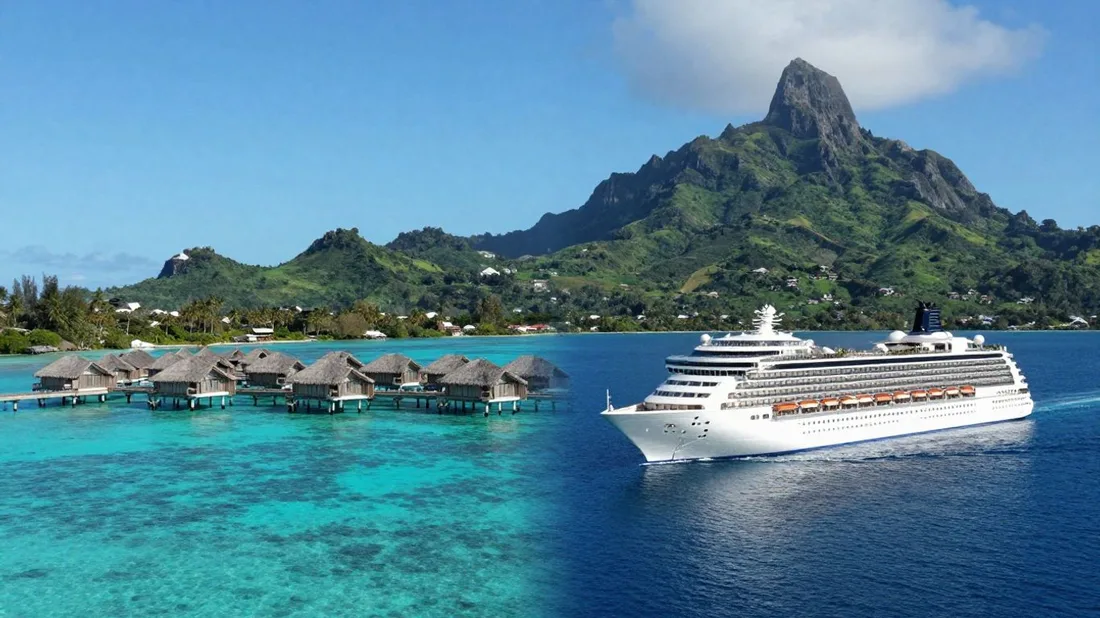
When you step into some of these caves, it’s like entering another world. You’ll see these amazing rock formations hanging from the ceiling, called stalactites, and others rising from the floor, stalagmites. They form over thousands of years as water drips, carrying minerals that build up over time. In places like Rurutu's Mitterrand Cave, these formations are huge, creating a really grand, almost cathedral-like feel inside. It’s pretty wild to think about how long it took for them to grow.
Caves with Ocean Vistas
Some of the most breathtaking spots aren't just about what's inside the cave, but the view you get from it. Take Ana Taupee on Rurutu, for example. It's known as the 'Dragon's Den' and from its entrance, you get these incredible views looking out over the vast Pacific Ocean. It’s a unique perspective, seeing the ocean framed by the cave’s opening. It’s a reminder of the powerful forces that shaped these coastal wonders.
Seashell Incrustations in Ancient Caves
It's not just rock formations you find in these caves. Some of them hold clues to their ancient past right on their walls. The Tupumai cave, for instance, has walls covered in seashells. This isn't just decoration; it shows that this cave was once underwater, a testament to geological changes over a very long time. It’s like looking at a history book written in stone and shell, showing how the land and sea have shifted over tens of thousands of years.
The Legends and Lore of Polynesian Caves
Polynesian caves aren't just geological formations; they're steeped in stories and ancient beliefs. Many of these hidden places are tied to local legends, passed down through generations. It's like stepping into a living history book when you explore them.
Stories of Hina, the Ogress
One of the more striking tales involves Hina, often depicted as a wild, cannibalistic ogress. Her presence is said to linger in certain caves, where evidence of her dwelling, like woven mats on the cave floor, is sometimes mentioned in local lore. These stories add a layer of mystique and caution to exploring these natural spaces, reminding visitors of the island's deeper, more primal past.
Myths Surrounding the Mitterrand Cave
The Mitterrand Cave on Rurutu, named after a former French president's visit, has its own set of myths. While the cave itself is known for its impressive stalactites and stalagmites, creating a cathedral-like feel, the surrounding legends often speak of its spiritual significance or past inhabitants. Local guides might share tales that connect the cave to ancient rituals or natural phenomena, making a visit more than just sightseeing.
Interpreting Cave Symbolism
Beyond specific stories, the caves themselves can be seen as symbolic. Their entrances, sometimes appearing formidable like the 'jaws of a monster' at Ana Taupee, can represent a threshold between the known world and the unknown. Inside, the formations and the echoing sounds might have been interpreted by ancient Polynesians as messages from the gods or spirits. These natural cathedrals were often considered sacred spaces.
Sacred Sites: Many caves were likely used for ceremonies or as places of refuge.
Connection to the Elements: The presence of water, rock formations, and the ocean's proximity often feature in the symbolism.
Guardianship: Some legends suggest caves were guarded by spirits or mythical creatures.
Until Next Time, French Polynesia!
So, exploring the caves of French Polynesia was pretty wild. From the cool lava tubes to the ones with whale sightings, it’s clear this place has some serious natural wonders. Rurutu, in particular, really stood out with its limestone caves and the chance to see whales up close. It’s a reminder that there’s so much more to see and do beyond the usual beach spots. If you’re looking for an adventure that’s a bit different, definitely put these islands on your list. I know I’ll be dreaming about those underground passages and the ocean views for a long time.
What makes French Polynesian sea caves special?
These caves are amazing because they have cool rock shapes like stalactites and stalagmites. Some caves offer stunning views of the ocean, and others have walls covered in old seashells, showing how they formed over a very long time.
Which island is best for exploring caves?
Rurutu is a top spot with about thirty caves to explore, including famous ones like the Mitterrand Cave and Ana Taupee. Tahiti also has cool caves like the Mara'a Caves and lava tubes.
Are the cave trails difficult?
Some trails are easy, like the Mara'a Caves, which are great for a short walk. However, some, like the Tiipoto - Pahia climb, are very tough and require climbing skills and caution. It's important to know your limits.
Can I explore the caves alone?
It's highly recommended to go with a local guide. They know the caves well, can help you stay safe, and can share interesting stories and history about the caves and the islands.
What kind of wildlife might I see near the caves?
If you visit Rurutu between July and November, you might see whales! The waters around the island are a resting and breeding spot for them. You can also see lots of colorful fish if you go snorkeling or diving near the coral reefs.
Are there any legends about these caves?
Yes, many! Some caves have stories about mythical figures like Hina, a wild ogress. Other legends are tied to specific caves, like the Mitterrand Cave, adding a layer of mystery and history to your exploration.
What should I bring for a cave adventure?
Good walking shoes or hiking boots are a must, especially if the paths are muddy. If you plan to explore lava tubes, bring water shoes. A flashlight is also helpful for seeing inside darker areas. Don't forget water and snacks!
How can I be respectful when visiting caves and islands?
Always follow your guide's instructions and stick to marked paths. Avoid touching cave formations, as they are fragile. Also, be mindful of local customs and traditions, and try to leave the natural environment as you found it.