Thinking about learning to sail? French Polynesia offers a truly amazing backdrop for anyone wanting to get their sea legs. Imagine learning to handle a boat with crystal clear waters and stunning islands all around you. It's not just about getting a certificate; it's about experiencing a whole new way of life. From Tahiti to Bora Bora, these Polynesian sailing schools provide an adventure you won't forget, blending education with the pure joy of being on the water.
Key Takeaways
French Polynesia is an ideal location to learn sailing, with beautiful scenery and warm waters.
Liveaboard courses offer an immersive experience, allowing you to learn and live on a yacht for a week.
You can earn valuable ASA certifications, like ASA 104 and ASA 114, which open doors to chartering your own boat.
These sailing schools provide hands-on training from experienced instructors, focusing on practical skills.
Beyond sailing, you'll get a taste of the local culture, enjoy delicious food, and build confidence on the water.
Why Choose French Polynesia for Sailing Education
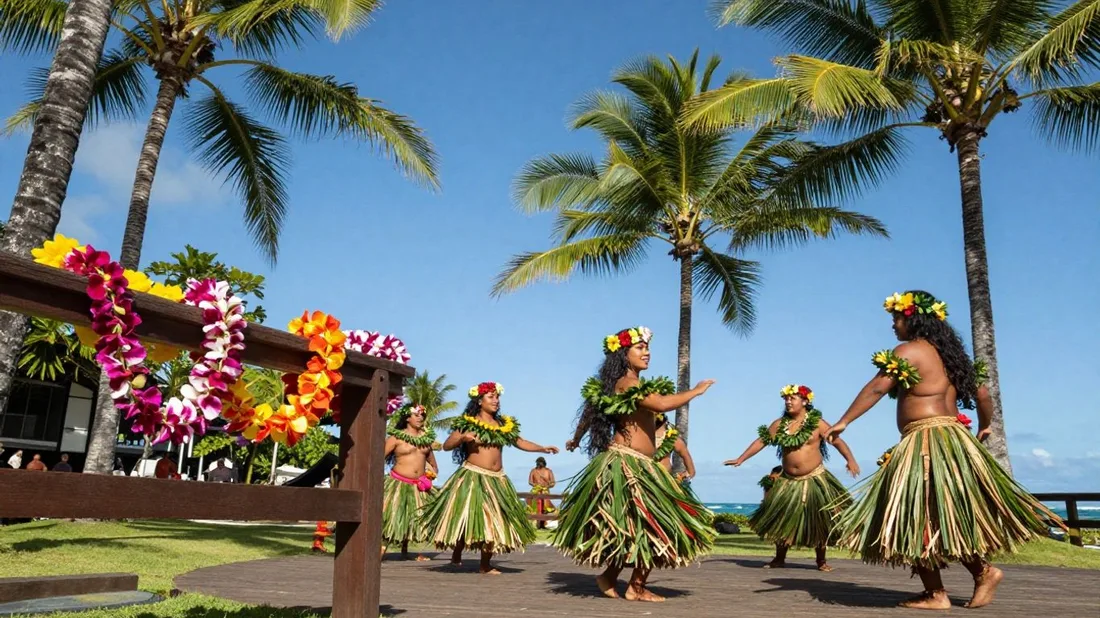
Thinking about learning to sail? French Polynesia is a pretty amazing place to do it. Forget stuffy classrooms; here, the ocean is your teacher, and the scenery is unbeatable. It's more than just a sailing course; it's a full dive into a cruising lifestyle. Imagine waking up to views of volcanic peaks and turquoise lagoons every day. The islands themselves, like Tahiti, Raiatea, and Bora Bora, offer a stunning backdrop for picking up new skills. The warm, welcoming local culture adds another layer to the experience, making it truly memorable.
Stunning Natural Beauty: Volcanic islands, coral reefs, and clear blue waters.
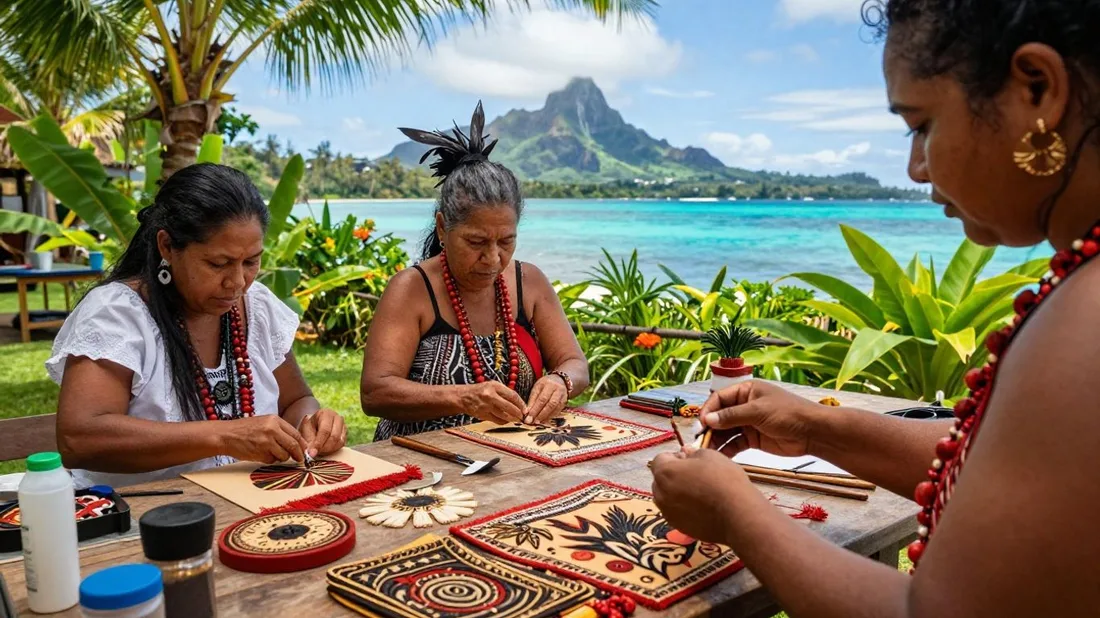
Rich Culture: Friendly locals and a unique blend of Polynesian and French influences.
Ideal Sailing Conditions: Consistent trade winds and protected lagoons.
Navigating Your Polynesian Sailing Journey
Getting started with sailing in French Polynesia is straightforward. Most schools operate on a liveaboard model, meaning you'll live on a sailboat for the duration of your course. This setup allows for maximum time on the water, practicing what you learn. You'll typically spend your days sailing between islands, anchoring in quiet bays, and learning essential boat handling skills. Evenings are spent enjoying local food and the tranquility of island life.
Key Skills Acquired at Polynesian Sailing Schools
When you sign up for a sailing course here, you're not just getting a vacation; you're gaining practical skills. You'll learn the basics of steering, how to manage sails in different wind conditions, and the proper way to anchor your vessel. Navigation, both by traditional methods and modern electronics, is a big part of the curriculum. You'll also get hands-on experience with boat systems and safety procedures. By the end of your course, you'll feel much more comfortable and capable handling a sailboat.
Boat Handling: Steering, docking, and maneuvering in various conditions.
Sail Trim: Adjusting sails for optimal performance.
Anchoring: Securely dropping and retrieving anchor.
Navigation: Chart reading, GPS use, and understanding weather patterns.
Safety Procedures: Man overboard drills, emergency protocols, and basic first aid.
The Nautilus Sailing Experience in Tahiti
So, you're thinking about learning to sail, and the idea of doing it in Tahiti has crossed your mind? Good choice. Seriously, forget stuffy classrooms and choppy harbor waters. Imagine this: you're on a sleek catamaran, the sun is warm, and the water is that unbelievable shade of turquoise you only see in magazines. That's where Nautilus Sailing puts you. They're not just teaching you knots and how to read a compass; they're dropping you right into the cruising life, seven days straight, aboard a fully equipped boat.
It’s a pretty intense week, but in the best way. You’ll be eating, sleeping, and sailing, all while hopping between some of the most stunning islands you've ever laid eyes on. Your instructor, who’s actually done this stuff for real, will be right there, guiding you through everything from steering and trimming sails to dropping anchor and figuring out where you are on the chart. By the end of it, you'll feel like you've been doing this for years, not just a week.
Tahiti: A Premier Sailing Destination
Let's be real, Tahiti isn't just pretty; it's practically built for learning to sail. Think dramatic volcanic peaks rising out of the ocean, surrounded by these calm, shallow lagoons that are just perfect for practicing your skills. The water is usually pretty clear, and you've got these warm, welcoming locals who are happy to share their slice of paradise. Plus, the food? A fantastic mix of Polynesian flavors and French cooking. It’s a place where you can really get a feel for what sailing in the tropics is all about, without the crazy waves you might find elsewhere.
Daily Itinerary: A Week of Polynesian Sailing
Here’s a rough idea of what a typical week might look like. Keep in mind, this can change based on the weather and what the group is up for, but it gives you a good picture:
Saturday: Arrive in Papeete, hop on a quick flight to Raiatea, get settled on the boat, and enjoy a nice dinner ashore. Easy start.
Sunday: Boat systems check, chart briefing, and then you're off to a quiet anchorage. Practice steering, learn about sail trim, and maybe even spot some whales on the way. Snorkel time, followed by your first formal lessons.
Monday: Engine basics, then out for more sailing practice. You'll learn different points of sail and how to trim sails effectively. Then, it’s a passage to Bora Bora. You'll practice mooring in the lagoon and maybe even see some manta rays.
Tuesday: Morning lesson and your first ASA test. Today’s challenge is sailing around the north end of Bora Bora. Dinner at the famous Bloody Mary's.
Wednesday: Sail back towards Taha'a. Anchor near a fancy resort and head to the Coral Gardens for some incredible snorkeling among vibrant coral and fish.
Thursday: More sailing practice, heading towards another beautiful island, perhaps exploring its local culture and cuisine.
Friday: Final sailing drills, review of skills, and preparing the boat for return. Enjoy a farewell dinner.
Saturday: Disembark, feeling like a completely different person, ready for your next adventure.
What's Included (Generally):
Professional instruction
Accommodation aboard the yacht
All meals while on board
Use of safety equipment
Course materials
What's Not Included (Usually):
Flights to and from Tahiti
Airport transfers
Meals ashore
Personal expenses
ASA certification fees (if applicable)
Immersive Learning Aboard a Yacht
Forget classrooms and textbooks for a moment. A liveaboard sailing course is about jumping right in. You'll be living on a sailboat for the duration of your training, eating, sleeping, and, of course, sailing. This isn't just a few hours on the water; it's a full immersion into the cruising life. Imagine waking up to the gentle rocking of the waves and the stunning views of French Polynesia right outside your cabin. This hands-on approach accelerates your learning curve dramatically. You'll be actively involved in every aspect of sailing, from trimming the sails to plotting a course, all under the watchful eye of an experienced instructor. It’s a fast-paced, engaging way to pick up real-world sailing skills.
What's Included in Your Polynesian Sailing Adventure
When you sign up for a liveaboard course here, a lot is taken care of so you can focus on learning. Typically, your fee covers:
A modern sailboat for your training.
Instruction from qualified sailors who know these waters.
All meals prepared aboard, except for a few dinners ashore.
Course materials, including textbooks and logbooks.
Formal certification upon successful completion.
What's usually not included are your travel expenses to and from the departure point, personal items, and any optional activities you might want to do when you're not sailing. It's always a good idea to check the specifics with your chosen school, but generally, they aim to make your sailing adventure as smooth as possible.
The Nautilus Difference: Exceptional Instructors and Vessels
What really sets a liveaboard experience apart is the quality of both the instructors and the boats. Nautilus Sailing, for instance, prides itself on bringing in top-notch instructors who are not only skilled sailors but also great teachers. They're there to guide you, answer your questions, and build your confidence. The vessels themselves are modern, well-maintained yachts, chosen for their suitability for learning and cruising in the beautiful waters of French Polynesia. You'll be learning on a boat that's equipped for comfort and performance, making your journey both educational and enjoyable. It’s about getting a realistic feel for what sailing a cruising boat is like, preparing you for future adventures, perhaps even exploring places like the Cook Islands .
ASA 104 Bareboat Charter Certification
This certification is your ticket to skipper a keelboat, around 30 to 45 feet long, on multi-day trips. You'll learn how to handle it in various conditions, from calm inland waters to choppier coastal seas, even with winds up to 30 knots. It covers the nitty-gritty like stocking the galley, keeping the boat systems running, basic engine care, and advanced sail trimming. Plus, you'll get a solid grasp on coastal navigation, including chart plotting and GPS use, how to moor securely, dock smoothly, and what to do in health, safety, or emergency situations. Understanding weather patterns is also a big part of this.
ASA 114 Catamaran Cruising Certification
If you're drawn to the stability and space of catamarans, this one's for you. ASA 114 lets you skipper a sailing cruising catamaran, also in the 30 to 45-foot range, for multi-day liveaboard adventures. You'll learn all about what makes a catamaran tick – its structure, how it performs under sail and power, and its specific systems. Heavy weather sailing and emergency response are covered here too, focusing on the unique aspects of sailing a multihull. This certification is your key to chartering catamarans worldwide.
Prerequisites and Next Steps for Certification

To jump into ASA 104 and 114, you'll typically need to have completed ASA 101 and ASA 103. These earlier courses build the foundational knowledge and skills. You'll need to show you can handle the competencies outlined in those standards. If you're missing ASA 103, don't worry too much; reach out to the school, and they can likely work with you on a path forward. Once you successfully complete the course, you'll receive your official ASA certifications, opening up a world of sailing adventures.
Here's a quick look at what you'll be able to do:
ASA 104: Skipper a monohull sailboat (30-45 ft) on coastal waters in moderate to heavy winds.
ASA 114: Skipper a cruising catamaran (30-45 ft) on coastal waters in moderate to heavy winds.
Upon completion, you'll have the credentials to charter boats and continue your sailing journey with confidence. It's a fantastic way to turn your passion for the water into a tangible skill set.
Explore the Islands of French Polynesia
French Polynesia is more than just a pretty postcard; it's a sailor's dream. Imagine gliding across turquoise lagoons, the warm breeze filling your sails as you hop between islands. It’s a place where the water is impossibly clear and the scenery is just breathtaking.
Sailing Between Tahiti and Bora Bora
Starting your journey often means flying into Tahiti, the main hub. From there, you can set sail towards the iconic Bora Bora. The trip itself is an adventure, with opportunities to spot marine life and get a feel for open-water sailing. The passage offers a fantastic introduction to cruising in these waters. You'll learn to manage the boat in varying conditions, making your way towards that famous volcanic silhouette.
Discovering Taha'a and its Coral Gardens
After the excitement of Bora Bora, a visit to Taha'a is a must. This island is known for its vanilla plantations and, more importantly for sailors, its incredible Coral Gardens. Picture yourself snorkeling in a protected bay, drifting gently over vibrant coral formations teeming with colorful fish. It’s a truly serene experience, a world away from the hustle and bustle.
Raiatea: Your Gateway to Polynesian Sailing
Raiatea holds a special place in the hearts of sailors. It's often the starting point for many sailing adventures and is considered the historical heart of Polynesian sailing. You can explore its rich culture, visit ancient marae (temples), and enjoy the local markets. It's also a great place to practice your skills, perhaps doing some docking drills before heading out on longer passages. Planning your trip to French Polynesia can be simplified by looking into various stopover routes .
Here's a glimpse of what a typical week might look like:
Day 1: Arrive in Raiatea, settle into the boat, and enjoy a local dinner.
Day 2: Systems checks, sail trim practice, and a sail to a quiet anchorage. Snorkeling and first lessons.
Day 3: Engine basics, sailing practice, and a passage to Bora Bora. Mooring practice and maybe manta ray spotting.
Day 4: Sail around Bora Bora, perhaps visiting a famous restaurant like Bloody Mary's.
Day 5: Sail to Taha'a, anchor, and snorkel the amazing Coral Gardens.
Day 6: Circumnavigate Taha'a, visit a pearl farm and a vanilla plantation.
Day 7: Docking practice, sail back to Raiatea, and prepare for departure.
The Polynesian Sailing Lifestyle
Sailing in French Polynesia isn't just about learning knots and reading charts; it's about stepping into a whole different way of life. You're not just a tourist here; you become part of the rhythm of the ocean and the islands. It's a pace that's slower, more connected to nature, and frankly, pretty amazing.
Experiencing Local Culture and Cuisine
Forget fancy restaurants for a moment. The real magic happens when you connect with the local culture. Think about sharing a meal with islanders, tasting fresh-caught fish grilled over an open fire, or trying fruits you've never even heard of. The food here is a blend of French influence and Polynesian tradition, and it's seriously good. You'll find yourself enjoying simple things, like a cold drink after a day on the water, or just watching the sunset paint the sky.
Taste local delicacies: From poisson cru (raw fish marinated in lime and coconut milk) to taro root dishes.
Engage with communities: Visit local markets and talk to the people who call these islands home.
Embrace island time: Slow down and appreciate the relaxed pace of life.
The Joy of Sailing in Tropical Waters
There's a unique kind of freedom that comes with sailing these waters. The trade winds are usually pretty reliable, making for smooth sailing between islands. You'll see water so clear it looks like glass, and the colors are unreal – blues and greens you didn't know existed. Waking up to the gentle rocking of the boat and the sound of waves is an experience that stays with you. It's not just about getting from point A to point B; it's about the journey itself, the feeling of the sun on your skin, and the vastness of the ocean around you. It’s a chance to disconnect from the everyday hustle and reconnect with something more primal and peaceful. You might even spot some dolphins playing in the wake!
Building Confidence and Sailing Skills
This whole experience is a massive confidence booster. You start out maybe a little unsure, but as you handle the boat, make decisions, and see the results, you just feel more capable. It's not just about sailing, either. You learn to rely on yourself, solve problems on the fly, and work with your crew. Every successful maneuver, every safe anchorage, adds to that feeling of accomplishment. You'll find yourself more decisive and more comfortable taking on new challenges, both on and off the water. It’s a practical kind of learning that translates into real-world skills. You'll leave feeling like you can handle a lot more than you thought possible, ready for your next adventure, maybe even exploring places like Kiribati Island Life.
Preparing for Your Polynesian Sailing School
So, you've decided to learn to sail in French Polynesia. Awesome choice! But before you're out on the water, mastering the winds and waves, there's a bit of prep work involved. It's not complicated, but getting these things sorted beforehand makes the whole experience smoother. Think of it like packing for a trip – you wouldn't just throw things in a bag, right?
Planning Your Sailing Trip
First things first, you need to figure out the logistics. When do you want to go? The weather in French Polynesia is pretty great year-round, but there are slightly drier and wetter seasons. Most people aim for the dry season, which runs from May to October. You'll also need to book your flights and accommodation before and after your sailing course. Remember, your course will likely be a liveaboard experience, meaning you'll be sleeping on the boat, but you might need a place to stay the night before you board and the night after you disembark.
Here’s a quick checklist to get you started:
Book your course: This is the big one! Make sure you choose a school and dates that work for you.
Flights: Book your international flights to Papeete (PPT) and any inter-island flights, like to Raiatea (RFP), which is often the starting point.
Accommodation: Arrange places to stay before and after your course.
Travel Insurance: Always a good idea for any trip, especially one involving adventure activities.
Visa Requirements: Check if you need a visa for French Polynesia based on your nationality.
Resources for Pre-Trip Preparation
To help you get ready, there are some great resources available. Nautilus Sailing, for instance, offers an online Masterclass. It’s packed with over 30 videos that cover a lot of the basics you'll need to know. It’s a fantastic way to get a head start and feel more comfortable when you arrive. You'll also get textbooks and materials as part of your course fee, which are super helpful for studying before you even set foot on the boat. Don't underestimate the value of reviewing these materials; it really makes a difference.
What to Expect on Your First Day
Your first day is all about getting settled and oriented. You'll typically arrive at the marina, meet your instructor and fellow students, and get shown to your boat. After you've stowed your gear, there's usually a boat systems overview and a safety briefing. You'll learn about the equipment on board, how to use it, and what to do in different situations. Then, it's time for the exciting part: setting sail! You'll likely do some basic maneuvers, get a feel for steering, and perhaps head to a nearby anchorage for your first night. It’s a busy day, but it’s designed to get you comfortable and ready for the week ahead. You might even get to enjoy a nice dinner ashore, like at a spot in Raiatea, to kick off your adventure. It’s a great chance to compare the islands of French Polynesia with other sailing spots like Bora Bora before you even start your lessons.
Beyond the Course: Joining the Sailing Tribe
So, you've spent a week out on the water, learned a ton, and maybe even snagged some certifications. What's next? Well, with Nautilus Sailing, finishing your course is just the beginning. You're not just a former student; you're now part of a community, a tribe of folks who've experienced the magic of learning to sail in French Polynesia. It's pretty cool, honestly.
Exclusive Alumni Events and Adventures
Once you're in, you're in for good. Nautilus hosts special events just for people who've completed their training. Think flotillas where you can sail with other alumni, maybe even join in on offshore deliveries if you're feeling adventurous, or just attend free webinars to keep your skills sharp. They're always planning something, and it's a great way to keep the sailing spirit alive and explore new places. It's not just about the initial trip; it's about continuing the adventure.
Connecting with Fellow Sailors
This is where the real magic happens after the course. You've shared an intense, fun experience with your classmates and instructor. You've probably bonded over shared challenges and triumphs on the boat. This connection doesn't just disappear when you dock. The alumni network is a fantastic way to meet people who share your passion for the sea. You can swap stories, get advice, or even plan future sailing trips together. It's like finding a whole new group of friends who just get it.
Continuing Your Sailing Journey
Learning to sail is a journey, not a destination. Being part of the Nautilus tribe means you have ongoing support and opportunities. Whether you want to charter a boat for your own vacation, take on more advanced courses, or just stay connected with the sailing world, this community is there for you. They even have resources to help you plan your next big sailing adventure, maybe even exploring places like Fiji's adventure activities .
Here's a quick look at what being part of the tribe can involve:
Flotilla Gatherings: Sail alongside other alumni in organized group sails.
Webinars & Workshops: Keep learning with online sessions on various sailing topics.
Global Trip Opportunities: Participate in unique sailing expeditions organized by Nautilus.
Networking: Connect with a diverse group of sailors for advice and camaraderie.
The Expertise of Nautilus Sailing Instructors
When you decide to learn sailing in French Polynesia, you're not just picking a location; you're choosing an experience. A big part of that experience comes down to the people guiding you – your instructors. At Nautilus Sailing, they really focus on bringing in folks who know their stuff and love sharing it. These aren't just people who can sail; they're seasoned sailors who have spent a lot of time on the water, often in places just like the islands you'll be exploring.
They often come from diverse backgrounds, bringing a mix of racing, cruising, and teaching experience. This means they can handle pretty much any question you throw at them, from the basics of tying a knot to more complex weather patterns. They’re there to make sure you feel comfortable and confident, no matter your starting point. Their goal is to get you sailing safely and competently.
Student Testimonials and Experiences
It's always good to hear from people who've been there, right? Many students talk about how their instructors really made the trip special. Take Jason from Texas, for example. He mentioned how his instructor, Troy, was fantastic at reading their skill level and adjusting the pace of the lessons. He said Troy knew just when to teach and when to let them practice, which kept things interesting without being overwhelming. That kind of personalized attention is what people seem to remember most.
Another common theme is how instructors help build confidence. Learning to handle a boat in a new environment can be a bit daunting, but having a patient and knowledgeable guide makes all the difference. Students often leave feeling like they can actually handle a boat on their own, which is a pretty big deal.
Finding the Right Instructor for Your Goals
When you're planning your trip, think about what you want to get out of it. Are you aiming for a specific certification, like the ASA 104? Or are you just looking to get a feel for sailing in a beautiful place? Nautilus Sailing tries to match you with an instructor who fits your needs. Some instructors might have a background more focused on racing, while others might be more experienced in long-distance cruising.
Here’s a quick look at what you might look for:
Certification Focus: Some instructors specialize in ASA prep, making sure you cover all the required skills.
Experience Level: Instructors with extensive cruising experience can offer insights into living aboard and managing longer passages.
Teaching Style: Do you prefer a very structured approach, or someone more laid-back and adaptable? It’s worth considering what works best for your learning style.
Sailing Catamarans for Your Course
When you're thinking about learning to sail in a place as stunning as French Polynesia, the boat you'll be on really matters. Most schools here, like Nautilus Sailing, tend to favor catamarans for their courses. Why? Well, they're super stable, which is a big plus when you're trying to get the hang of things like tying knots or understanding sail trim without feeling like you're going to tip over. Plus, they have a lot more space, both on deck and below. This means more room to spread out your charts, practice maneuvers, and just generally be comfortable while you're living aboard for a week. Catamarans offer a fantastic platform for learning in these beautiful, often calm, lagoon environments.
Features of Modern Sailing Yachts
Modern sailing yachts, whether monohulls or catamarans, come equipped with all sorts of gear to make sailing easier and safer. You'll find things like GPS systems that show you exactly where you are on a digital chart, autopilot to help steer when you need a break, and reliable engines for getting in and out of harbors. Many boats also have features like roller furling for the sails, meaning you can easily adjust them from the cockpit. Inside, you've got comfortable berths, a galley for preparing meals, and heads (that's boat talk for bathrooms). It's all designed to let you focus on learning the sailing part without worrying too much about the basics of living on the water.
Comfort and Performance on the Water
Choosing the right boat is a balance between comfort and how well it sails. Catamarans, for instance, are known for their stability and speed, especially when sailing off the wind. They tend to have a shallower draft, which is great for exploring those shallow, crystal-clear lagoons you find all over French Polynesia. Monohulls, on the other hand, can offer a more traditional sailing feel and might point higher into the wind. For a learning environment, the stability and space of a catamaran often win out, making the whole experience more enjoyable and less intimidating for beginners. You want a boat that feels secure and responsive, allowing you to build confidence with every tack and jibe.
Ready to Set Sail?
So, you've read all about learning to sail in French Polynesia. It sounds pretty amazing, right? Imagine yourself out on the water, with those incredible islands all around. Whether you're a total beginner or looking to brush up on your skills, there are options out there to get you going. It's more than just a course; it's a chance to really experience a different way of life. Think about it – you could be out there, feeling the wind, and actually knowing what you're doing at the helm. It’s a big step, but totally doable. French Polynesia is waiting!
What's the best way to learn sailing in French Polynesia?
The most immersive way to learn sailing in French Polynesia is through a liveaboard course. This means you'll live on a sailboat for about a week, learning everything from steering to navigation while sailing between beautiful islands. It's like a floating classroom!
What will I learn in a sailing course in Tahiti?
You'll learn all the basics of sailing, like how to steer the boat, manage the sails, anchor safely, and read charts. You'll also get hands-on practice with things like docking and understanding how the boat works. By the end, you'll feel much more confident on the water.
Do I need any experience before taking a sailing course?
Not at all! Many courses are designed for beginners, meaning you start with zero experience. Some advanced certifications might require you to have completed basic courses first, but there are options for everyone.
What kind of boats will I be sailing on?
You'll likely be sailing on modern sailboats, often catamarans. These boats are known for being stable and comfortable, making them great for learning. They have all the equipment you need for living aboard and sailing.
What is a 'liveaboard' sailing course?
A liveaboard course means you'll be living on the sailboat for the entire duration of your training, usually around seven days. You'll eat, sleep, and sail on the boat, which gives you a real feel for the cruising lifestyle.
Can I get certified after the course?
Yes, many courses offer certifications like the ASA 104 (Bareboat Charter) and ASA 114 (Catamaran Cruising). These certifications are recognized and can allow you to charter (rent) sailboats in many places around the world.
What's included in a typical sailing adventure package?
Usually, the course fee covers your spot on the sailboat, instruction from expert captains, all meals on board (except a few dinners ashore), learning materials, and the official certification if you pass. It's a pretty complete package!
Besides sailing, what else can I experience in French Polynesia?
You'll get to see amazing islands, snorkel in clear lagoons with colorful fish, and experience the local Polynesian culture and food. It's not just about learning to sail; it's also a fantastic vacation exploring a tropical paradise.