Thinking about jumping into conservation work in Polynesia? It's a pretty amazing way to spend your time, getting your hands dirty while helping out some incredible places. These programs aren't just about looking at pretty reefs, though. You'll be doing real work, learning a ton, and maybe even discovering a new passion. It’s a chance to see how things work on remote islands and understand the challenges they face.
Key Takeaways
Polynesian conservation internships offer hands-on experience in vital ecological work, from coral reef restoration to native species protection.
These programs provide unique opportunities to study marine and island ecosystems in some of the Pacific's most pristine environments.
Interns gain practical skills in research, data collection, and fieldwork, often working alongside experienced scientists and local communities.
Participating in these internships supports ongoing conservation efforts and contributes to the sustainability of Polynesian islands.
Beyond fieldwork, these experiences foster cultural understanding and build connections within the global conservation community.
Exploring Polynesian Conservation Internships
Thinking about spending some time in the Pacific to help out with conservation? That's awesome! Polynesia, with its incredible islands and unique environments, offers some really special opportunities for internships. It's not just about looking at pretty coral reefs, though that's a big part of it. These programs are designed to give you a real taste of what it takes to protect these fragile places.
Marine Conservation And Island Sustainability In French Polynesia
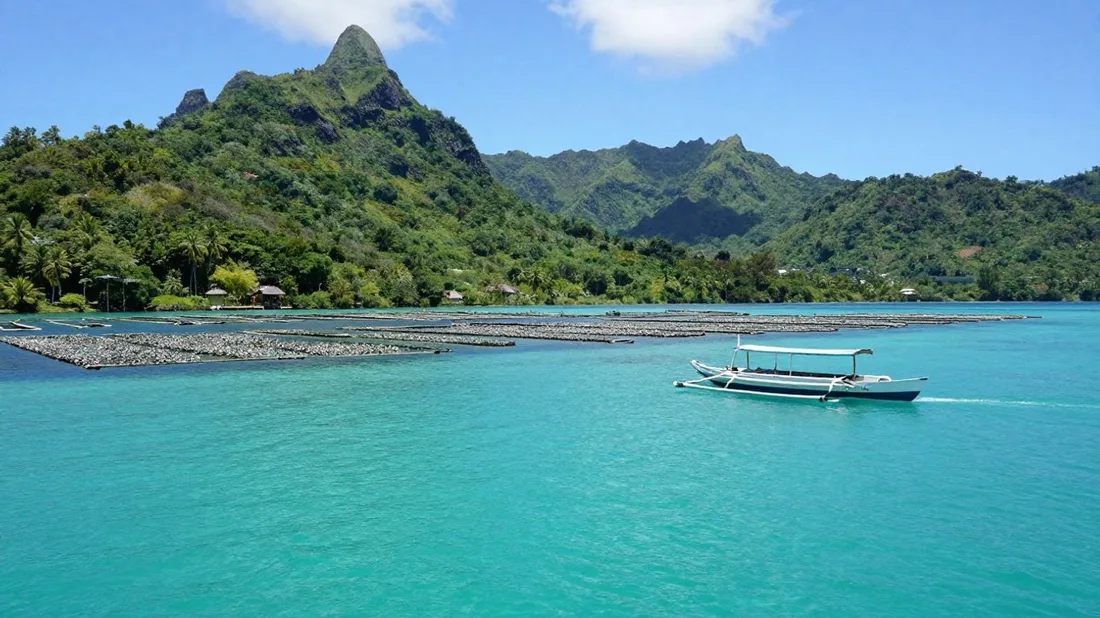
French Polynesia is famous for its stunning lagoons and atolls. Internships here often focus on keeping those vibrant coral reefs healthy and helping local communities find ways to live sustainably. You might be out on the water a lot, collecting data on fish populations or helping with projects that reduce waste on the islands. It’s a chance to see firsthand how human activity impacts these delicate ecosystems and what can be done to help.
Hawaiian Reef Monitoring And Coastal Conservation
Hawaii's islands have their own set of challenges, from protecting native species to managing the impact of tourism on coastlines. If you're interested in this area, you could be involved in monitoring the health of coral reefs, which are vital to the islands' ecosystems. You might also work on projects aimed at restoring coastal habitats or helping to educate visitors about responsible practices. The goal is to balance conservation with the needs of the people who live there.
Understanding Polynesian Ecocultural Practices
What makes Polynesian conservation unique is how it often ties into the local culture. Many programs emphasize learning about traditional ecological knowledge – the ways indigenous communities have understood and managed their environment for generations. This isn't just academic; it's about working alongside local people, respecting their practices, and understanding how these ancient methods can inform modern conservation efforts. It’s a more holistic approach, recognizing that people and nature are deeply connected.
Hands-On Field Experience In The Pacific
Forget just reading about conservation; this is where you get your hands dirty. Polynesian conservation internships throw you right into the action, offering a chance to work on real projects that make a difference. You'll be out there, boots on the ground (or fins in the water!), contributing to vital work.
Coral Reef Restoration And Monitoring
Coral reefs are incredibly important, but they're facing a lot of challenges. Interns often get involved in activities like planting new coral fragments, removing invasive species that harm the reef, and keeping an eye on the health of existing coral. This involves regular surveys to track changes in coral cover, fish populations, and water quality. It's detailed work, requiring careful observation and data recording.
Here's a look at what a typical monitoring day might involve:
Site Selection: Identifying specific areas of the reef to survey based on project goals.
Data Collection: Recording coral health (e.g., bleaching, disease), fish counts, and invertebrate presence using standardized methods.
Photo-Documentation: Taking underwater photos for later analysis and comparison.
Reporting: Entering collected data into databases and discussing findings with the team.
Native Species Restoration Efforts
Many islands in Polynesia are home to unique plants and animals found nowhere else. These species are often at risk due to habitat loss or introduced predators. Interns can participate in efforts to bring them back. This might mean growing native plants in nurseries to later reintroduce them into degraded areas, or helping to protect nesting sites for endangered birds or sea turtles. It’s about giving these special creatures a better chance to thrive.
Coastal Ecosystem Health Assessments
Beyond the reefs, the coastlines themselves need attention. Interns might help with projects that look at the health of mangrove forests, seagrass beds, and sandy beaches. These areas are vital for many species and also protect the islands from erosion. Activities could include measuring shoreline changes, assessing water quality in coastal lagoons, or monitoring the impact of human activities on these sensitive zones. Understanding these interconnected systems is key to effective conservation.
Research Opportunities In Polynesian Waters
Polynesia's vast ocean territories are a treasure trove for scientific inquiry, offering unique chances to study marine life and environmental processes. Internships here aren't just about observing; they're about actively participating in critical research that helps us understand and protect these vital ecosystems. You can contribute to groundbreaking studies right in the heart of the Pacific.
Investigating Reef Shark Ecology
Sharks are often misunderstood, but they play a huge role in keeping ocean ecosystems healthy. In places like French Polynesia, which is a massive shark sanctuary, researchers have a rare opportunity to study these animals in conditions that are still pretty natural. Interns might help track shark movements, identify different species, and gather data on their behavior and diet. This work is super important because, in many parts of the world, shark populations are already struggling. Studying them here gives us a baseline to understand what a healthy shark population looks like.
Assessing Microplastic Pollution In Coral Reefs
Plastic is a problem everywhere, and the beautiful coral reefs of Polynesia are no exception. Research projects are looking closely at how much microplastic is in the water and on the reefs. Interns could be involved in collecting water samples, analyzing sediment, and even examining the guts of small marine creatures to see what they've ingested. This helps scientists figure out the extent of the pollution and how it might be affecting corals, clams, and other reef inhabitants. It's a tough but necessary job to figure out how to tackle this growing issue.
Studying Coral Reef Ecophysiology
Coral reefs are like the rainforests of the sea, full of life and incredibly sensitive to changes in their environment. Interns can get involved in studying how corals and other reef organisms function, especially in the face of climate change and warming waters. This might involve measuring things like coral growth rates, how they respond to stress, and their overall health. Understanding these processes is key to figuring out how reefs will cope in the future and what we can do to help them survive. It's a complex field, but incredibly rewarding.
Here's a look at some specific research areas:
Shark Population Dynamics: Tracking species, estimating numbers, and understanding feeding habits.
Microplastic Sampling: Collecting water and sediment samples, analyzing for plastic particle size and type.
Coral Health Assessments: Measuring growth, bleaching susceptibility, and physiological responses to environmental stressors.
Invertebrate Surveys: Documenting populations of sea cucumbers, giant clams, and other key reef dwellers.
Tetiaroa Atoll Restoration Program
This program is really the heart of a lot of the conservation work happening on Tetiaroa. It's all about trying to bring the island back to a healthier state after years of changes. Think of it like giving the island a much-needed makeover, but with science. They're doing things like removing invasive species – you know, the ones that don't belong and mess with the local plants and animals. It’s a big job, and they’re tracking how everything responds, from the tiniest insects to the bigger birds.
Monitoring seabird populations: They're checking where seabirds like to nest and roost. Turns out, they don't really like coconut palms much, preferring other trees. This helps them figure out what kind of trees to plant more of.
Replenishing lagoon life: They're catching baby fish and crustaceans and raising them to release back into the lagoon. The idea is to help the fish numbers bounce back.
Studying plant water use: Figuring out how much water different plants drink is important, especially on islands where fresh water isn't exactly abundant. They've put sensors on common trees to get a handle on this.
Coastline Monitoring And Dynamics
Keeping an eye on the coast is pretty important for these islands. Things like erosion, sea level changes, and even how the land itself is shaped over time are all part of the picture. Interns might get involved in tracking these changes, which helps scientists understand how the coastline is behaving and what might happen in the future. It’s not just about looking at the land, but also how the water interacts with it.
Ecological Response To Environmental Changes
Islands are sensitive places, and they react to changes in their environment. This could be anything from changes in rainfall to the impact of introduced species. Researchers are looking at how different parts of the ecosystem respond. For example, they're studying what happens to the land when invasive rats and ants are removed. They want to see if the native plants and animals can make a comeback on their own. It’s a way to test if restoration efforts are actually working and to learn more about how these island environments function.
Cultural Immersion And Community Engagement
Working in Polynesia isn't just about the ocean and the land; it's also about the people. These internships really push you to connect with local communities, which is a big part of conservation work, you know? You get to see firsthand how traditional ways of life are tied to the environment. It’s not just about collecting data; it’s about understanding the whole picture.
Working With Indigenous Communities
This is where things get really interesting. You're not just a visitor; you're there to collaborate. It means showing up with respect and a willingness to learn. Sometimes, this involves helping with projects that have been going on for years, guided by people who have lived there their whole lives. It’s a chance to build relationships and see conservation through a different lens.
Understanding Traditional Ecological Knowledge
Polynesian cultures have a deep connection to their natural surroundings. This knowledge, passed down through generations, is incredibly important for conservation. You might learn about sustainable fishing practices, how to read the weather, or the medicinal uses of plants. It’s a different kind of science, one that’s been proven by time.
Building Global Conservation Networks
While you're there, you're not alone. You'll meet other interns, local researchers, and community members. This is your chance to start building a network of people who care about the same things you do. These connections can be super helpful down the road, whether for future projects or just staying in touch with people who get it.
Here’s a look at what that might involve:
Participating in community meetings and workshops.
Assisting with educational programs for local schools.
Learning traditional crafts or farming techniques.
Sharing your own skills and knowledge respectfully.
It’s a pretty amazing way to learn and contribute, honestly. You leave with more than just research skills; you gain a broader view of the world and your place in it.
Professional Development Through Internships
Building your career in conservation takes more than reading textbooks or watching nature documentaries. Real progress happens when you’re out there, putting knowledge to work in wild places and working with people who care just as much as you do. That’s what these Polynesian conservation internships are all about—learning real-world skills, making connections, and figuring out where you want to go next.
Gaining Field Research Skills
Nothing prepares you for a conservation career quite like working in the field. Interns get to:
Collect data on coral health, local species, or changing coastlines.
Learn monitoring methods—like underwater surveys, habitat mapping, or rescue techniques for wildlife.
Practice using equipment for water quality tests or GPS tagging.
You don’t just watch; you actually do the work. Whether you’re laying transect lines on a reef or helping with a turtle release, these hands-on skills are often what future employers look for.
Developing Leadership And Communication Abilities
Every field team needs good communication and strong leaders. Conservation internships in Polynesia help you grow in these areas by encouraging you to:
Work alongside people from many backgrounds, often in close quarters.
Lead tasks—maybe you’ll run a survey, give a short presentation to a group, or organize a beach cleanup.
Solve problems as they pop up (and they always do in the field).
Receiving Professional References And Mentorship
Internships aren’t just about what you know, but about who gets to see you at work. In these programs, your supervisors may become trusted mentors, offering:
Feedback on your field and teamwork skills
Advice for research or career paths
Professional references for jobs, scholarships, or grad school
Don’t underestimate the value of this support—many interns keep in touch with their mentors for years after. It can open doors to future jobs and projects you wouldn’t find on your own.
Takeaway: For anyone serious about working in conservation, these Polynesian internships are a place to not just learn, but also to stand out and connect with people who can guide your next steps.
Internship Program Structures And Logistics
So, you're thinking about jumping into a conservation internship in Polynesia? That's awesome! But before you pack your bags, let's talk about how these programs actually work. It's not just about showing up and pointing at a pretty fish; there's a whole structure to it.
Program Duration And Flexibility
Most internships aren't just a weekend gig. They typically run anywhere from two weeks up to twelve weeks. This gives you enough time to really get your hands dirty and learn the ropes. Some programs might be a bit more rigid with their start and end dates, while others are more flexible, letting you pick a window that works with your schedule. It's good to check this early on.
Pre-Departure Training And Support
Don't worry, they won't just send you off into the wild without any prep. You'll usually get some kind of orientation before you even leave. This might include online modules about the local environment, safety protocols, and what to expect. This initial training is key to making sure you're ready for the realities of fieldwork. They'll also help you sort out travel details and any visa stuff, which can be a headache if you try to do it all yourself.
On-Site Accommodation And Meals
When you get there, you'll need a place to stay and food to eat, right? Most programs provide this. You'll likely be staying in shared housing, maybe with other interns or local staff. It's a great way to bond with people and share experiences. Meals are usually covered too, often prepared at your accommodation site. It's a pretty all-inclusive setup, so you can focus on the work.
Here's a quick look at what a typical program might involve:
Initial Orientation: Covering safety, local customs, and project goals.
Field Training: Learning specific research methods, species identification, and equipment use.
Daily Work: Participating in monitoring, restoration, data collection, or community outreach.
Debriefing Sessions: Discussing the day's findings and challenges with your supervisors.
Palmyra Atoll As A Living Laboratory
Working on places like Palmyra Atoll is pretty wild. It’s this tiny speck in the middle of the Pacific, way out there, about a thousand miles from Hawaii. Because it’s so protected, it’s become this amazing spot for scientists to figure out conservation stuff. Think of it as a giant outdoor lab where researchers can test ideas about how to keep coral reefs healthy, protect island life, and study the open ocean. It’s part of the biggest protected ocean area in the world, which is pretty cool.
Implementing Innovative Science Projects
At these remote atolls, the science projects are anything but basic. Take Tetiaroa, for example. They're looking at how removing invasive species, like rats and certain ants, actually helps the island bounce back. They track how native crabs and birds start to return and how plants change. It’s all about seeing if nature can heal itself when you take away the bad stuff. They're also measuring how much water different plants use, which is super important when fresh water is scarce on these islands. And get this, they're even trying to restock the lagoon with fish and shellfish by raising them and releasing them back. It’s a hands-on approach to fixing things.
Tropical Island Conservation Strategies
Conservation here isn't just about one thing; it's about the whole picture, from the rainforest to the reef. On islands like Tetiaroa, they're trying to understand the whole social-ecological system. This means looking at how people and nature interact over time. They're building databases to track things like water, energy, food, and biodiversity, all with an eye on the UN's sustainability goals. It’s about creating strategies that work for the long haul, considering everything from groundwater chemistry to seabird nesting habits. The goal is to create a detailed picture of island life so we can make smarter conservation choices.
Here's a look at some of the research areas:
Ecosystem Response: Studying how removing invasive species affects native plants and animals.
Resource Management: Measuring water use by plants and monitoring groundwater to manage scarce resources.
Biodiversity Inventories: Cataloging all the different kinds of life, from the smallest reef creatures to birds.
Data Infrastructure: Creating systems to collect and analyze long-term data for better decision-making.
Specialized Polynesian Conservation Focus Areas
Polynesian conservation internships often zero in on specific, vital ecosystems and species that are unique to these island environments. It's not just about general environmental work; it's about tackling focused challenges.
Sea Turtle Conservation in Coastal Habitats
Working with sea turtles is a big deal in Polynesia. These ancient mariners face a lot of threats, and internships here often involve hands-on monitoring of nesting beaches. You might be out there at dawn, checking for tracks, marking nests, and helping to protect them from predators or human disturbance. It’s pretty amazing to be part of something that helps ensure these creatures continue their life cycle.
Nesting Beach Surveys: Identifying and marking nests to protect them.
Hatchling Monitoring: Observing and assisting hatchlings make their way to the sea.
Data Collection: Recording vital statistics like nest numbers, female identification, and environmental conditions.
Community Outreach: Educating local communities about turtle conservation.
Wildlife Rehabilitation and Rainforest Ecology
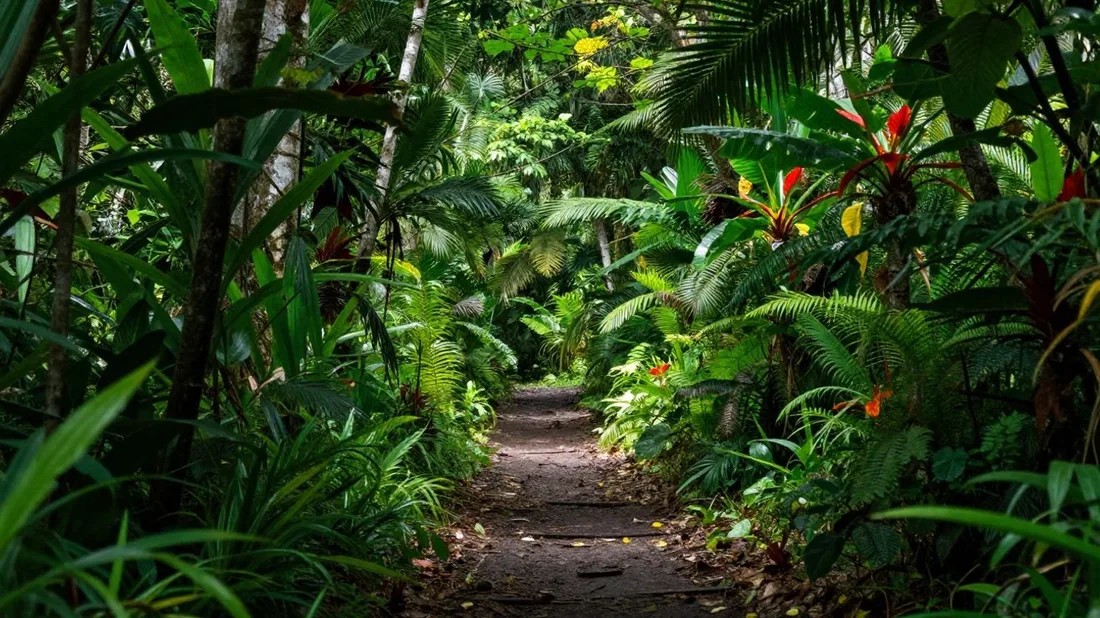
While many think of the ocean, the terrestrial environments of Polynesian islands are also incredibly important and fragile. Internships can focus on the unique rainforests and the wildlife within them. This might involve studying native bird populations, monitoring invasive species that threaten native flora and fauna, or even participating in rehabilitation efforts for injured native animals. It’s a chance to get your hands dirty in the jungle, so to speak.
Kelp Forest Ecology and Marine Protected Areas
Though not as widely known as tropical reefs, some Polynesian islands have cooler waters that support kelp forests. These underwater ecosystems are incredibly rich in biodiversity. Internships in this area might involve studying the health of these kelp forests, assessing the impact of climate change, or working within marine protected areas (MPAs) to monitor fish populations and overall ecosystem health. Understanding the dynamics of these less-common but vital habitats is key to holistic conservation.
Here's a look at some specific research areas that interns might contribute to:
Supporting Long-Term Ethical Conservation Projects
When you sign up for one of these Polynesian conservation internships, you're not just getting a cool experience; you're actually helping out with projects that have been planned to last. These aren't quick fixes. They're designed with local communities and conservation groups to make a real difference over time. Think about it: you get to be part of something bigger, working alongside people who are deeply committed to protecting these islands.
Contributing To UN Sustainable Development Goals
It's pretty neat to know that the work you're doing aligns with global goals. Many of these programs are set up to help meet the UN's Sustainable Development Goals, especially those focused on life below water and life on land. This means your efforts directly support things like protecting marine ecosystems, restoring habitats, and promoting sustainable use of island resources. It's a way to connect your personal experience to worldwide efforts for a healthier planet.
Here's a look at how some common internship activities connect to these goals:
Coral Reef Restoration: Directly supports SDG 14 (Life Below Water) by rebuilding damaged reef structures and increasing biodiversity.
Native Species Monitoring: Contributes to SDG 15 (Life on Land) by tracking populations of endangered plants and animals, aiding in their recovery.
Coastal Cleanups & Education: Addresses SDG 14 and SDG 11 (Sustainable Cities and Communities) by reducing pollution and raising awareness about environmental protection.
Community Workshops: Supports SDG 4 (Quality Education) and SDG 17 (Partnerships for the Goals) by sharing knowledge and building local capacity.
Expanding Opportunities For Underserved Youth
Part of what makes these internships special is that they often help fund opportunities for young people who might not otherwise get the chance to participate in conservation work. Your involvement helps create a pathway for others to gain experience, learn about environmental science, and become future conservation leaders. It's a cycle of giving back, where your contribution opens doors for others.
Wrapping Up Your Polynesian Conservation Adventure
So, you've thought about spending some time in French Polynesia, helping out with conservation efforts. It's a pretty amazing chance to get your hands dirty, learn about how these islands work, and actually make a difference. Whether you're checking out coral reefs, helping native plants, or learning from local communities, these programs offer a real look at what it takes to protect these special places. It's more than just a trip; it's a way to connect with nature and contribute to something bigger. You'll come away with new skills, a fresh perspective, and hopefully, a desire to keep supporting conservation wherever you go.
What kind of work will I do during an internship in Polynesia?
You'll get to do a lot of hands-on work! This could include helping to restore coral reefs, checking on the health of coastlines, and working to bring back native plants and animals. You might also help collect data for important science projects.
Are these internships only about science, or is there a cultural part too?
It's a mix of both! While you'll be doing important science work, you'll also have the chance to learn from local communities. This includes understanding their traditional ways of taking care of the environment and working together on conservation efforts.
How long do these internships usually last?
Internships can vary in length. Some might be just a couple of weeks, while others could last for a few months. This gives you options depending on how much time you have.
What kind of support can I expect before and during the internship?
You'll get help before you even leave, like training and information about what to expect. Once you're there, experienced leaders will guide you. They'll also help you with things like where to stay and what to eat.
Will I gain useful skills for a future career?
Absolutely! You'll learn practical skills for doing research in the field, how to work with different people, and how to lead projects. This experience can really help you when you're looking for jobs or applying to college.
Where exactly in Polynesia can I do an internship?
Internships are available in several beautiful places. You might find opportunities in French Polynesia, or even on islands like Hawaii. Each location offers unique experiences with its own special environment and wildlife.
What are some of the research topics I might help with?
Researchers are looking into many interesting things! You could help study sharks in their natural homes, check for tiny plastic bits in the ocean, or learn how coral reefs are doing in different conditions.
How do these internships help the environment and local people?
Your work directly supports projects that are trying to protect nature for the long run. It also helps with global goals for a healthier planet and can even create chances for young people who might not otherwise have them.