Thinking about a trip to Tahiti? It's a place with a really deep history, way beyond just the beaches. The way people used to build their homes and gather for important events tells a big story. If you're into that sort of thing, there are some awesome Polynesian architecture tours you can take. They really help you see how life was lived here centuries ago, from the sacred spots to everyday living spaces. It’s a different way of looking at the island, for sure.
Key Takeaways
Traditional Tahitian homes, like the chief's fare poteʻe, had specific designs based on rank, often featuring woven mats and elevated sleeping areas.
The marae were central ceremonial sites in Tahitian culture, used for important gatherings and decisions, with some like Māha’iātea being incredibly large.
Fishing huts (fare tautai) were practical structures made from local materials like bamboo, designed to store equipment and even live fish.
Outdoor kitchens (fare tutu) were built to manage smoke effectively, and communal earth ovens (ahimaʻa) were a key part of food preparation.
European contact and missionary work significantly changed building styles and cultural practices, though elements of traditional Polynesian architecture are still seen today.
Foundations Of Polynesian Architecture Tours
Thinking about exploring Tahiti? You've got to check out the old buildings and sites. It's not just about pretty views; these places tell a story about how people lived here for ages. Forget fancy hotels for a bit, and let's get into the real deal – the architecture that shaped Polynesian culture.
Understanding Traditional Tahitian Dwellings
When we talk about traditional Tahitian homes, or 'fare', we're looking at structures built with what the islands provided. Think bamboo, palm leaves, and wood. These weren't just random huts; they were designed with purpose, considering the climate and the needs of the people. The layout, the materials, even the way they were positioned – it all mattered.
Materials: Primarily local resources like bamboo, coconut wood, and pandanus leaves.
Design: Open-air concepts to catch the breeze, raised floors to avoid dampness and pests.
Purpose: Homes were functional, providing shelter while staying connected to the natural environment.
The Significance of Marae In Polynesian Culture
These aren't just piles of rocks; the marae were the heart of community life. They were sacred spots, used for everything from religious ceremonies to important meetings. The marae were the central hubs where spiritual, political, and social life converged. Understanding their layout and purpose gives you a real window into the past.
Exploring Ancient Village Layouts
Ancient Tahitian villages weren't just a random collection of houses. There was a plan. You'd find areas for living, areas for ceremonies (like the marae), and areas for work. Figuring out how these villages were organized helps us picture daily life back then. It's like piecing together a giant, ancient puzzle.
The Role Of The Marae In Tahitian Society
These open-air structures, known as marae, were the absolute heart of Tahitian society for centuries. They weren't just pretty stone arrangements; they were the places where important stuff happened. Think religious ceremonies, political meetings, and even major announcements. The marae served as the central hub for spiritual and communal life, connecting people to their ancestors and the gods. They were carefully planned spaces, often with a central platform and surrounding stones, each with its own meaning and purpose. The layout itself told a story, guiding participants through rituals and reinforcing social order. It's hard to overstate how central these sites were to the fabric of daily life and the broader cultural identity.
Notable Marae Sites For Exploration
When you're exploring Tahiti, hitting up some of the ancient marae sites is a must. One of the most famous is the Marae of Taputapuatea on Raiatea. This place is huge and considered the spiritual center of the whole Polynesian triangle. It's even a UNESCO World Heritage site, which tells you something about its importance. Another significant site is the Upeke marae in the Marquesas Islands. It's part of a larger valley filled with ancient remains and has a really strong, palpable energy about it. These places aren't just piles of rocks; they're living history.
Architectural Features Of Ceremonial Grounds
The design of these ceremonial grounds, especially the marae, was pretty specific. You'd typically find a raised stone platform, often called an ahu , which was the main focal point. Around this, there might be upright stones, called fara or pae pae , that marked boundaries or represented important figures. Sometimes, there were smaller altars or sacred areas for specific rituals. The orientation of the marae was also important, often aligned with celestial events or geographical features. It was all about creating a space that felt sacred and facilitated the ceremonies that took place there.
Residential Structures And Their Design
When we talk about traditional Tahitian homes, we're looking at structures built with the environment and community in mind. These weren't just places to sleep; they were functional spaces that reflected social standing and daily life.
The Fare Poteʻe: Homes Of Chiefs And Nobles
The fare poteʻe, often described as a round-ended house, was a clear status symbol. The bigger the fare poteʻe, the more important the person living there. These homes were designed for chiefs and nobles, and their interiors were fitted out accordingly.
Finely woven mats: Used extensively to cover floors and create comfortable living areas.
Nohora'a: Special four-legged wooden seats reserved for high-ranking individuals.
Turu'a: Wooden headrests, a common item for sleeping.
Elevated beds: While most slept on the floor, chiefs might have had raised sleeping platforms.
Fare Tautai: The Functional Fishing Hut
While the fare poteʻe was for the elite, simpler structures served specific purposes. The fare tautai, for instance, was a practical dwelling, often associated with fishermen. These huts were likely more basic, designed for shelter and storage related to their livelihood.
Fare Tutu: The Outdoor Kitchen Design
Cooking was a communal activity, and the fare tutu was the dedicated space for it. This was a partially open structure, strategically placed so that smoke wouldn't drift into the main living areas. The design allowed prevailing winds to carry smoke out the front, keeping the main house clear.
Both men and women participated in cooking. Men might handle the more physically demanding tasks like hunting or managing the earth oven, while women would help prepare ingredients and manage the cooking process. This division of labor highlights the cooperative nature of Tahitian households.
Impact Of European Contact On Building Styles
When Europeans first arrived in Tahiti, they brought with them new ideas and materials that started to change how people built things. Before this, everything was made from what nature provided – wood, leaves, stone. But then, things like metal tools and different construction methods began to show up. This marked a significant shift from purely indigenous techniques to a blend of old and new. You can see this in how some later structures incorporated more angular designs or used imported lumber alongside traditional bamboo.
Missionary Influence On Traditional Structures
Missionaries, arriving with their own religious and cultural practices, also played a part in shaping architectural styles. They often built churches and schools, which were designed differently from the open-air structures common in Tahitian culture. While they didn't completely replace traditional homes, these new buildings introduced different forms and functions. Sometimes, elements of these European designs were adapted or incorporated into local building practices, especially in community buildings.
Modern Interpretations Of Polynesian Architecture
Today, architects and builders are looking back at traditional Tahitian designs for inspiration. They're finding ways to use natural materials and construction methods in contemporary homes and public spaces. It's not just about copying the past, but about taking the spirit and smart design principles of those old structures and making them work for modern life. Think about open-plan living, natural ventilation, and using local resources – these ideas are making a comeback, showing that traditional architecture still has a lot to offer.
The Fare Heiva: Platforms For Dance And Ritual
In traditional Tahitian society, spaces for performance and community gatherings were really important. The fare heiva , often translated as a "dance house" or "performance platform," served as a central spot for these events. These weren't just simple stages; they were built with specific purposes in mind, often elevated to give spectators a better view of the proceedings. Think of them as the ancient equivalent of a modern-day amphitheater, but with a distinctly Polynesian flair. These platforms were where stories were told through movement, where important ceremonies took place, and where the community came together to celebrate.
Elevated Dance Platforms And Their Purpose
Many of these performance areas were raised off the ground. This elevation wasn't just for show; it had practical reasons. It helped keep performers visible to a larger crowd, especially in busy village settings. It also created a distinct space, separating the performance area from the everyday life of the village. The height could also add a sense of importance and ceremony to the event. Imagine watching a vibrant dance unfold on a platform, with the sounds of drums filling the air – it would have been quite a sight.
The Arioi Guild And Their Performance Venues
The Arioi were a special group of traveling performers in ancient Tahiti. They were highly respected, and their performances were a big part of cultural life. These guilds would travel from island to island, often on large canoes, bringing their dances, dramas, and chants to different communities. They performed at various venues, including the fare heiva and sometimes even at the sacred marae sites, depending on the nature of the performance and the deity being honored. Their performances were often dedicated to Oro, a god associated with peace and fertility, and they played a significant role in spreading cultural traditions across the islands.
Here's a look at some common elements found in these performance spaces:
Materials: Often constructed from local wood and bamboo, sometimes with thatched roofs to provide shade.
Layout: Typically an open platform, allowing for free movement of performers and clear sightlines for the audience.
Decoration: May have been adorned with natural elements like flowers or leaves for special occasions.
Materials And Construction Techniques
When you look at traditional Tahitian structures, it's pretty amazing how they managed to build such sturdy and functional places using just what nature provided. They really knew their stuff when it came to working with local resources. Bamboo and natural fibers were the absolute backbone of their building projects.
Utilizing Bamboo And Natural Fibers
Bamboo was a go-to material for framing and walls. It's lightweight, strong, and grows in abundance. For lashings and bindings, they used things like coconut husk fibers and strips of pandanus leaves. These weren't just thrown together; they were skillfully woven and tied to create strong joints. Think of it like nature's own rebar and rope. This allowed them to construct everything from simple fishing huts to more complex chief's residences.
Coconut And Sugar Cane Leaf Roofing
Keeping the rain out was obviously a big deal. For roofing, they'd thatch large areas using bundles of dried coconut palm leaves or sugar cane leaves. These were layered thickly to create a waterproof barrier. It wasn't just about function, though; the look of a well-thatched roof was part of the aesthetic. It gave the buildings a soft, organic feel that blended right into the landscape. It's a technique you can still see in some places today, though maybe not as widespread as it once was.
The Use Of Volcanic Rocks In Construction
While wood and plant fibers made up most of the structures, volcanic rocks played a significant role, especially in more permanent or ceremonial sites. You'd see them used for foundations, retaining walls, and particularly in the construction of marae , those sacred ceremonial grounds. The rocks provided a solid base and a sense of permanence. They were often carefully shaped and fitted together, sometimes without any mortar, showing a real mastery of stonework. The ahima'a , or earth oven, also relied heavily on heated volcanic rocks to cook food, demonstrating their multifaceted use.
Navigating Tahitian Heritage Sites
Exploring the historical sites of Tahiti can feel a bit like stepping into a time machine. It’s not always straightforward, but that’s part of the adventure, right? You can definitely get around and see some amazing places without a guide, but sometimes having someone who knows the stories makes all the difference.
Guided Polynesian Architecture Tours
If you want to really get the most out of your visit, signing up for a guided tour is a solid idea. These tours often take you to places you might miss on your own and the guides usually have a ton of local knowledge. They can explain the significance of different structures, like the ancient marae, and share stories passed down through generations. It’s a great way to connect with the history and culture on a deeper level. Some tours focus specifically on the architectural aspects, pointing out construction techniques and the purpose behind different building designs. You can find these tours in many of the main tourist areas, and they often cover a range of historical periods. It’s a good way to get an overview of the island's past.
Self-Guided Exploration Of Ancient Sites
Of course, you can totally explore on your own too! Grab a map, maybe do a little reading beforehand, and just wander. Places like the Opunohu marae complex in Moorea are fascinating to explore at your own pace. You can follow marked paths, like the 'trail of the ancestors,' which winds through the forest connecting various archaeological spots. It’s a more personal experience, allowing you to linger where you feel drawn and absorb the atmosphere. Just remember to be respectful of these sacred places. Respecting the heritage sites is paramount for future generations.
Understanding Archaeological Trails
When you're out exploring, especially on your own, understanding what you're looking at is key. Archaeological trails are often set up to help with this. They might have signs explaining the history of a particular area or structure. For example, at the Marae of Taputapuatea in Raiatea, a UNESCO World Heritage site, you can learn about its role as a spiritual center for the entire Polynesian triangle. These trails are designed to guide you through the remnants of past civilizations, showing you everything from dwelling foundations to ceremonial platforms. It’s like a scavenger hunt through history, but with actual historical significance.
Here’s a quick look at what you might encounter on these trails:
Marae: Sacred ceremonial sites, often stone platforms, used for important rituals and gatherings.
Dwelling Foundations: The outlines of where ancient homes once stood, giving a sense of community layout.
Agricultural Terraces: Evidence of sophisticated farming practices used to cultivate the land.
Artisan Workshops: Areas where tools or crafts were made, showing the daily life of the inhabitants.
When planning your trip, consider looking into sites like the Museum of Tahiti and Her Islands to get some background before you head out. It really helps to put what you see into context. You might also find information about historical routes that connect various points of interest, similar to how historical routes are documented in places like Barbados.
Preservation And Modern Relevance
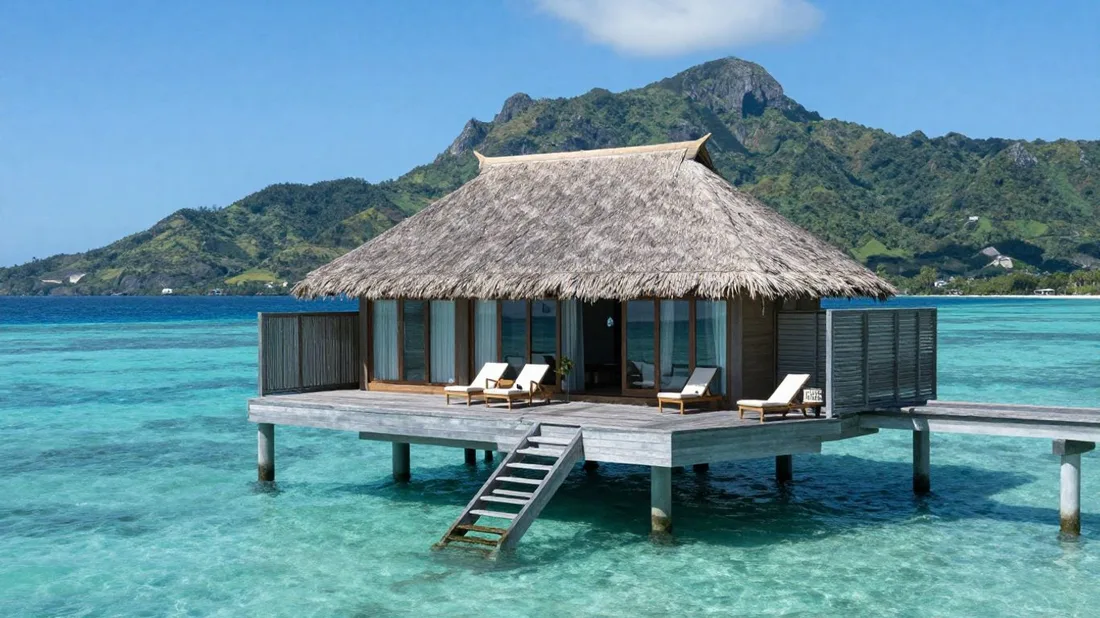
It's pretty amazing to think about how much of Tahiti's old ways are still around, even with all the changes over the years. People are really working to keep these historical spots from just fading away. It’s not just about looking at old rocks, you know? It’s about remembering how people lived and built things without all our modern tools.
Restoration Efforts At Historical Sites
Lots of places, especially the marae, are getting some serious attention. Teams are carefully fixing up structures, making sure they don't crumble further. They're using old techniques where they can, which is super interesting. It's a slow process, but important. They're trying to keep the original feel of the place, not just slap on some new concrete.
The Enduring Legacy Of Tahitian Design
Even today, you can see bits of traditional design popping up. Think about how houses are still built to catch the breeze, or how natural materials are favored. This connection to the environment is a huge part of what makes Tahitian architecture so special and lasting. It’s a smart way to build, really. It shows that old ideas can still be really useful.
Contemporary Applications Of Traditional Architecture
Some newer buildings are actually taking cues from the past. Architects are looking at the old layouts and materials and finding ways to use them in modern homes and public spaces. It’s not about copying exactly, but more about capturing the spirit of it. You might see a roofline that reminds you of an old fare, or a courtyard designed with traditional airflow in mind. It’s a cool way to blend the old with the new, keeping the culture alive in a practical way.
Sleeping Arrangements and Floor Cushions
When it came to sleeping, traditional Tahitian homes weren't about fancy beds. Most people slept right on the floor. But it wasn't exactly hard and cold. The floor was usually covered with a layer of soft aretu grass, which acted like a natural cushion. Then, finely woven mats were laid on top of that. These mats provided a comfortable surface for sleeping. The quality and intricacy of these mats often reflected the status of the household. For those of higher rank, like chiefs, their sleeping areas were more elaborate. They might have had an elevated sleeping platform, a sort of raised bed, to further distinguish their sleeping space.
Furnishings for High-Ranking Individuals
If you were a chief or a noble, your home would have had some special items. Think of things like the nohor'a , which were wooden seats with four legs, designed specifically for important people. You'd also find turu'a , which are wooden headrests. These weren't for comfort like a pillow; they were used to keep your hair from getting messy while sleeping, especially if you had an elaborate hairstyle. The chief's sleeping area, as mentioned, might have been elevated, and they'd have had a generous supply of those finely woven mats.
The Importance of Woven Mats
Woven mats were absolutely central to daily life and comfort in a Tahitian home. They weren't just for sleeping, though that was a primary use. Mats were used for sitting, for dining, and as decorative elements. The materials used varied, often including pandanus leaves or other local plant fibers. The skill involved in weaving these mats was considerable, with intricate patterns sometimes incorporated. The size and quality of the mats could indicate the wealth and social standing of the family. They were practical, versatile, and a key part of the interior design of any traditional dwelling.
The Ahimaʻa: A Communal Cooking Method
When you think about traditional Tahitian homes, you might picture the sleeping areas or the main living spaces. But what about the kitchen? For a long time, cooking wasn't just about a stove; it was a whole event, often centered around the ahima'a, or earth oven. This wasn't just a way to cook food; it was a social gathering point. Families and communities would come together to prepare and share meals cooked in this unique way. The ahima'a was central to daily life and communal bonding. It's a fascinating piece of culinary architecture that tells us a lot about how people lived and interacted.
Construction and Operation of Earth Ovens
Building and using an ahima'a is quite a process. It starts with digging a pit, usually about a foot deep or more, depending on how much food you're planning to cook. Then, you fill this pit with volcanic rocks and get a big fire going underneath them. You want those rocks to get super hot, glowing red hot is the goal. Once they're ready, you clear out the remaining wood.
Here's a breakdown of the steps:
Heat the Rocks: Build a large fire in the pit and heat several dozen volcanic rocks until they are glowing red.
Prepare the Base: Remove any remaining firewood and spread the hot rocks evenly.
Add Moisture: Place a layer of banana stump fibers, which have been pounded into a stringy mass, directly onto the hot rocks. This adds moisture.
Wrap the Food: Wrap the food items – vegetables like breadfruit, taro, yams, and even meats – in various leaves.
Layer and Seal: Place the wrapped food on top of the banana fibers. Cover everything with specially woven mats or old mats to trap the heat and steam.
Bury and Cook: Finally, cover the entire oven with earth or sand to seal in the heat, essentially creating a large, underground steam cooker.
Shared Culinary Responsibilities in Tahiti
Cooking in Tahiti wasn't always a one-person job, especially when it came to the ahima'a. While the structure itself was a marvel of engineering, the people involved were just as important. Men often took on the heavier tasks, like hunting or fishing and managing the initial stages of the cooking process. Women played a vital role too, helping with food preparation and assisting in the construction and operation of the earth oven. It was a collaborative effort, reflecting the shared responsibilities within the community. This communal approach to food preparation and cooking was a cornerstone of Tahitian society, reinforcing social bonds and ensuring everyone had a meal.
Bringing It All Together
So, while most folks today live in houses that look pretty familiar to us, it's really cool to think about how people used to build their homes and community spaces here in Tahiti. From the special round houses for chiefs to the outdoor kitchens designed to catch the breeze, these old ways of building tell a story. They show us how people lived, worked, and honored their traditions. Even though you won't see many of these structures standing exactly like they were, visiting places like the marae or seeing reconstructions helps us connect with that past. It’s a reminder that even as things change, the spirit of these old designs and the culture they represent can still be felt.
What kind of houses did traditional Tahitians live in?
In the past, Tahitians lived in houses made from natural things like bamboo and leaves. These homes were designed to stay cool in the warm weather. Today, most people live in houses that look more like those in Europe or America.
What is a Marae?
A Marae was a very important, sacred place. It was like an outdoor temple or meeting spot, often marked with low stone walls. Important ceremonies, welcoming guests, and making big decisions happened here. They are a key part of Polynesian history.
What was the Fare Poteʻe?
The Fare Poteʻe was a special kind of round house. It was usually for chiefs and important people. The bigger the house, the more important the person. These homes had special beds and mats for sleeping.
What was the purpose of a Fare Tautai?
A Fare Tautai was like a fishing hut. It was built near the sea, often from bamboo, and used to store fishing gear like nets and traps. Fishermen would also relax or watch their pearl oysters there.
How did Tahitians cook their food traditionally?
They used an 'ahima'a,' which is an earth oven. Hot rocks were placed in a hole in the ground, then food wrapped in leaves was placed on top and covered with mats and soil to cook slowly with steam.
Did European explorers change Tahitian buildings?
Yes, when explorers and missionaries came, they brought new building ideas and materials. This led to changes in how houses were built, and many traditional styles started to fade.
Are there places to see traditional Tahitian structures today?
Yes, you can visit restored Marae sites and places like the Polynesian Cultural Center, which show examples of traditional houses and structures. Guided tours can help you learn about them.
What is the significance of dance platforms?
Platforms called 'Te Tahua Orira'a' were used for dancing and performances. Sometimes they were raised so more people could see. These platforms were important for cultural events and celebrations.