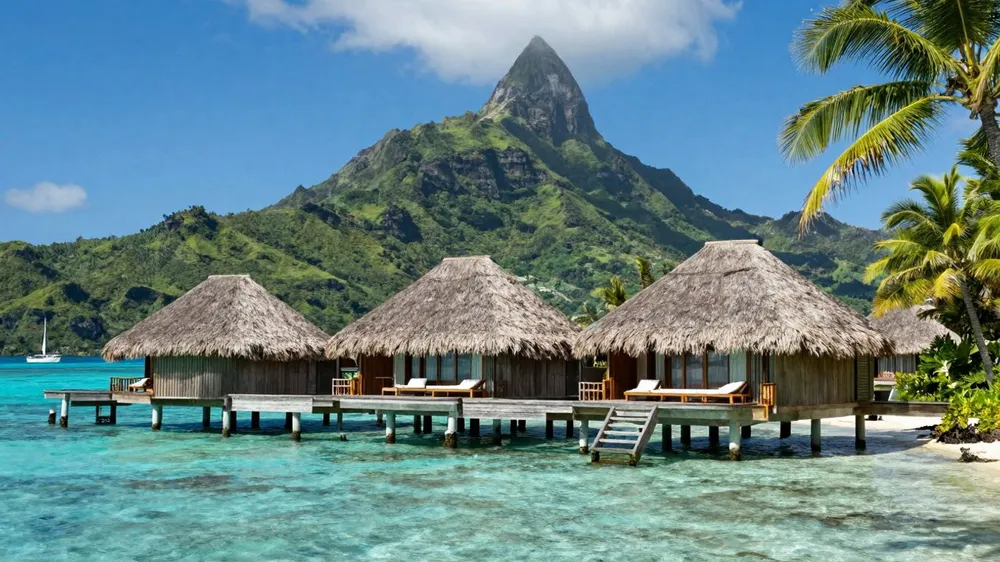
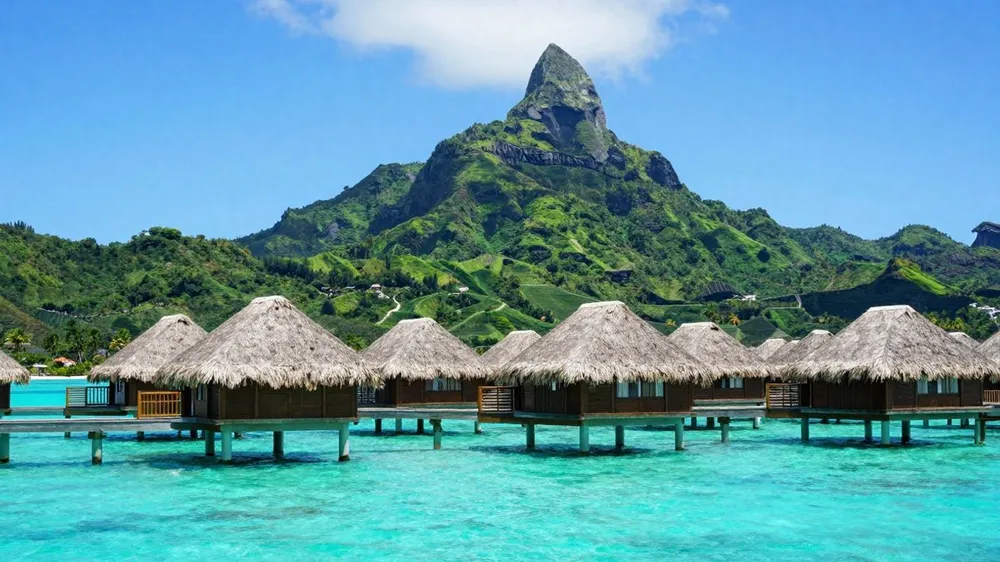
Moorea is this amazing island in French Polynesia that really looks like something out of a postcard. It’s basically a giant, old volcano that’s been shaped by time and weather into these incredible shapes. Think sharp, green mountains that seem to reach for the sky, and bays that are perfectly shaped. It’s the kind of place where you can explore rugged trails one minute and then relax by super clear blue water the next. The whole island feels like a natural wonder, and the Moorea volcanic landscapes are a huge part of what makes it so special.
Key Takeaways
Moorea was formed by ancient volcanic activity, which created its dramatic peaks and jagged ridges.
Exploring the island's interior reveals lush rainforests, hidden waterfalls, and valleys shaped by old lava flows.
Hiking to summits like Mount Rotui offers amazing views of the island and the surrounding Pacific Ocean.
The island's distinctive bays, like Cook's Bay and Opunohu Bay, are beautiful natural features formed by volcanic geography.
Moorea's volcanic landforms are closely linked to its vibrant marine life, protected by barrier reefs.
Moorea's Volcanic Origins And Dramatic Peaks
Moorea, this stunning island in French Polynesia, didn't just pop up out of nowhere. It's actually the remnant of an ancient volcano that decided to make a grand appearance in the middle of the Pacific Ocean ages ago. Over time, wind and rain have done their work, carving out the dramatic landscape we see today. Think of it as nature's own sculpture garden, with towering peaks and sharp ridges that really make you stop and stare.
Ancient Volcanic Activity Shaping Moorea
The island's very foundation is volcanic. Millions of years ago, a massive volcano erupted, building up the landmass that would eventually become Moorea. This fiery birth is responsible for the rich, fertile soil that makes the island so lush and green today. It's pretty wild to think about the immense power that created this paradise. This geological history is a big part of what makes Moorea so unique, setting it apart from flatter, less dramatic islands. It's a constant reminder of the earth's dynamic past and its ability to create breathtaking scenery.
Towering Volcanic Sentinels
When you look at Moorea's skyline, you can't miss the mountains. Peaks like Mount Rotui and Mount Tohivea stand tall, remnants of the original volcanic cone. They're not just mountains; they feel like ancient guardians watching over the island. These volcanic sentinels are cloaked in dense tropical forests, making them look even more imposing and mysterious. Hiking up even partway offers incredible views, but reaching the top is a whole different experience, a real accomplishment.
Jagged Mountain Ridges Piercing The Sky
Beyond the main peaks, Moorea is characterized by its incredibly sharp, jagged ridges. These are the eroded edges of the ancient volcano, sliced and shaped by time and weather. They create a dramatic, almost serrated silhouette against the sky, especially when viewed from the coast or from a boat. Exploring these areas, even just visually from a distance, gives you a real sense of the island's rugged, untamed beauty. It's a landscape that feels both ancient and alive, a testament to the powerful forces that shaped it. For those interested in geology, visiting places like Vanuatu's volcanic attractions can offer a comparative perspective on island formation.
Trekking Through Untamed Wilderness
Moorea's heart beats with a wild, green pulse, and the best way to feel it is by hitting the trails. Forget the beach for a bit; the real magic often lies just beyond the treeline. The island's mountainous interior is a hiker's dream, offering everything from gentle strolls to serious climbs. You'll find yourself surrounded by a symphony of nature – the rustling of leaves, the calls of unseen birds, and the distant murmur of water.
Dense Tropical Rainforests
As you venture deeper, the air gets thick with the scent of damp earth and exotic flowers. Sunlight filters through a canopy so dense it creates a perpetual twilight on the forest floor. It's easy to feel like you've stepped into another world, a place untouched by time. Keep an eye out for the vibrant colors of tropical plants and the unique insects that call this place home.
Hidden Waterfalls And Pristine Valleys
Following the sound of rushing water often leads to the most rewarding discoveries. Moorea is dotted with stunning waterfalls, some cascading down sheer rock faces into clear pools, others tumbling gently over moss-covered boulders. These hidden gems are perfect spots to cool off and soak in the raw beauty of the island. The valleys themselves are often carved by ancient lava flows, creating dramatic landscapes that are both rugged and serene.
Here's a little taste of what you might encounter:
Afaraitu Waterfall Trail: A popular route leading to a beautiful cascade, often accessible for most fitness levels.
Mount Rotui's lower slopes: Trails here offer glimpses into the dense jungle without the extreme challenge of the summit.
Orchard paths: Some routes wind through pineapple plantations and fruit groves, offering a different kind of lush scenery.
Exploring these areas isn't just about the views; it's about the feeling of being truly immersed in a vibrant, living landscape. It’s a chance to disconnect and appreciate the wild side of this volcanic paradise.
The Challenge Of Mount Rotui
Reaching the summit of Mount Rotui is a serious undertaking, but oh, the payoff! This isn't just a casual stroll; it's a full-day trek that demands a decent level of fitness and some solid preparation. The trail starts out winding through the island's agricultural areas, where you'll see vanilla and fruit farms spread out below, with the imposing mountain looming above. As you climb higher, the scenery really starts to change. You'll pass through dense rainforests, with ancient trees dripping with plants and the constant sound of hidden waterfalls. It’s a wilder, more remote feeling the higher you go.
Breathtaking 360-Degree Panoramas
The view from the top of Mount Rotui is simply one of the best you'll find anywhere in the Pacific. Once you scramble over the last of the volcanic rocks, the entire island of Moorea unfolds beneath you. It’s like looking at a living map – you can clearly see the famous heart-shaped bays, the beaches, and even the coral reefs just offshore. It’s a perspective that really helps you grasp the island's volcanic geography.
Views Of Neighboring Islands And The Pacific
On a clear day, the vista extends far beyond Moorea itself. You can spot the larger island of Tahiti on the horizon, a constant reminder of the archipelago's volcanic origins. And then there's the endless blue of the Pacific Ocean stretching out in every direction. It’s easy to spend a long time up there, just soaking it all in, watching the occasional boat sail by. It makes you feel pretty small, in a good way. For those looking for a different kind of adventure, exploring the underwater world is also a popular choice, with many tours available to see the marine life around French Polynesia .
Here's a quick look at what to expect on some popular hikes:
Moorea's Distinctive Bays And Lagoons
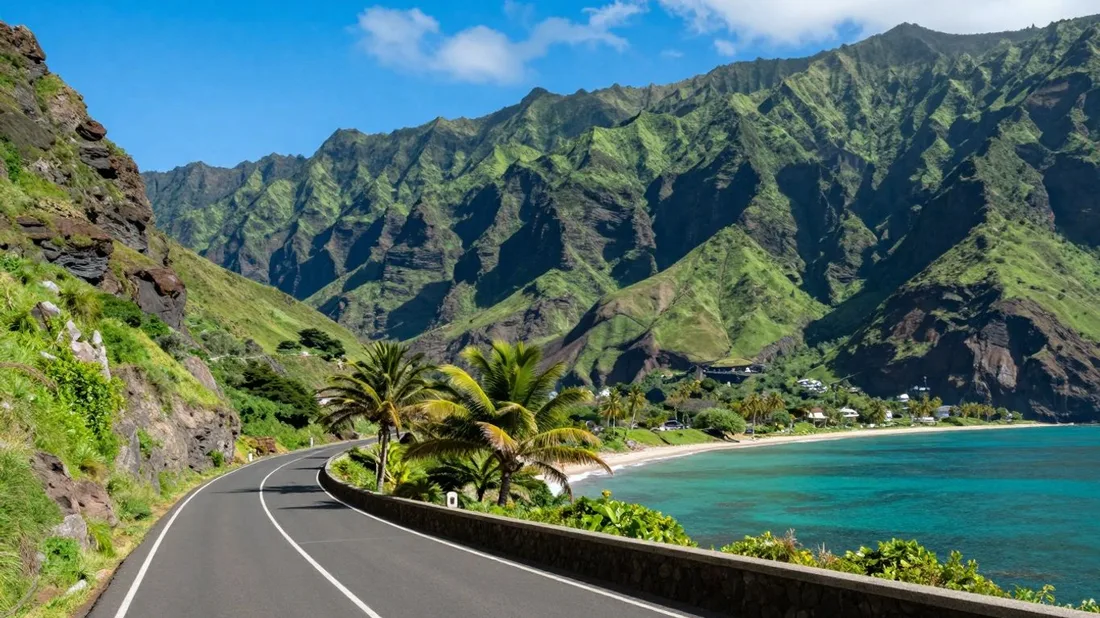
Moorea is famous for its stunning bays and lagoons, and honestly, they're a huge part of what makes this island so special. The island has these two almost perfectly mirrored bays on its north shore: Cook's Bay and Opunohu Bay. They really are something to see, cutting into the island and creating these incredible natural harbors. The water here is just unbelievably clear, shifting through every shade of blue and turquoise you can imagine. It’s like looking into a giant, natural aquarium.
The Symmetrical Beauty Of Cook's Bay And Opunohu Bay
These bays aren't just pretty; they're geological wonders. They were formed by ancient volcanic activity, and the way they're shaped is just remarkable. Opunohu Bay, in particular, is famous for its role in films, and you can totally see why. It feels like stepping onto a movie set. The sheer cliffs surrounding them, covered in green, make for a dramatic backdrop. It’s a place where you can just sit and stare for hours, watching the light change on the water and the mountains.
Crystal-Clear Turquoise Waters
Seriously, the water clarity in these lagoons is out of this world. You can see straight down to the bottom, spotting fish and rays swimming around without even getting wet. The temperature is pretty consistent year-round, making it perfect for just about any water activity. It’s this clarity that really lets you appreciate the vibrant marine life that calls these waters home. It makes you feel so connected to the ocean.
A Natural Amphitheater Of Breathtaking Beauty
When you stand and look out over these bays, it feels like you're in a giant, natural amphitheater. The towering volcanic peaks rise up all around, creating this incredible sense of scale and beauty. It’s a view that’s been inspiring people for ages, and you can understand why. It’s the kind of place that makes you feel small in the best way possible, reminding you of the sheer power and artistry of nature. It’s a view that really sticks with you, kind of like the imposing mountains you find on the Marquesas Islands .
Valleys Carved By Ancient Lava Flows
Moorea's interior is a testament to its fiery past. The island's dramatic valleys weren't just carved by water over time; they were initially shaped by the very lava flows that built the island. Imagine molten rock pouring down the slopes, creating deep channels that would later be softened and widened by rain and vegetation. These ancient pathways of lava are still visible in the landscape, forming the backbone of many of the island's stunning natural features.
Volcanic Rock Formations
As you explore, you'll notice all sorts of interesting shapes and textures in the rocks. These are the remnants of volcanic activity, cooled and weathered over centuries. Some look like giant steps, others like rough, jagged sculptures. It's like walking through a natural art gallery, with each formation telling a story of the island's formation. The sheer variety is pretty amazing, from dark, dense basalt to lighter, more porous types.
The Afareaitu Waterfall Trail
One of the best ways to experience these geological wonders up close is by taking on the Afareaitu Waterfall trail. This hike isn't just about reaching the waterfall, though that's a great reward. It's about the journey through the valley, where you can really see how the lava flows influenced the terrain. You'll walk alongside streams that have smoothed the volcanic rock over ages, and the air is often filled with the scent of tropical flowers. It's a moderately challenging trek, but totally worth it for the immersion in Moorea's raw, natural beauty. Keep an eye out for the diverse plant life; it's a living lesson in tropical ecology, with everything from familiar breadfruit trees to rare native orchids. You might even spot some unique bird species if you're quiet and observant.
Navigating Moorea's Volcanic Landscapes
Moorea's dramatic terrain, shaped by ancient volcanoes, offers a variety of ways to explore its natural beauty. Whether you're looking for a gentle stroll or a more strenuous climb, there's a path for you.
Hiking Trails Suitable For All Levels
Moorea boasts a network of trails catering to everyone. You can find easy walks that meander through coastal areas, perfect for a relaxed afternoon. For those seeking a bit more exertion, steeper paths lead into the island's interior, offering glimpses of its lush heart.
Coastal Paths: Enjoy ocean breezes and scenic views with minimal effort.
Inland Trails: Discover tropical flora and fauna as you ascend.
Challenging Climbs: For the adventurous, tackle steeper routes to rewarding viewpoints.
Exploring Orchards And Gardens
Some trails take you through the island's productive agricultural areas. Imagine walking past pineapple fields and fruit orchards, the air thick with sweet scents. These routes often connect different parts of the island, providing a unique perspective on local life and agriculture.
Quad Bike And Scooter Exploration
If hiking isn't your speed, consider renting a quad bike or scooter. This allows you to cover more ground and access different viewpoints and attractions at your own pace. It's a fun way to see the island, especially if you want to visit multiple spots in a day.
Here's a quick look at some popular exploration options:
The Role Of Ancient Pathways
Long before paved roads and rental scooters, the people of Moorea moved across their island home using a network of ancient pathways. These weren't just simple trails; they were the arteries of early Polynesian life, connecting villages, leading to sacred sites, and providing access to vital resources. Walking these paths today is like stepping back in time, offering a tangible link to the island's first inhabitants.
The Three Coconut Trees Pass
The Three Coconut Trees Pass, or Col des Trois Cocotiers, is a prime example of these historic routes. This trail, once a crucial link between different parts of the island, now serves as a popular hiking destination. It winds through varied terrain, showcasing the island's volcanic geology and lush vegetation. The effort to ascend is rewarded with incredible views, a testament to why these routes were chosen by ancient peoples. It's a chance to literally follow in the footsteps of those who shaped Moorea's history.
Walking In The Footsteps Of Ancient Polynesians
These ancient pathways offer more than just a physical journey; they provide a cultural immersion. Local guides, often descendants of the island's original settlers, share stories and knowledge passed down through generations. They point out native plants used for medicine and food, explain the significance of ancient marae (stone temples), and reveal how the island's geography influenced settlement patterns. It’s a way to connect with the island's soul, understanding the deep relationship between the people and their environment.
Exploring these routes can be combined with other island activities, creating a well-rounded experience. For instance, a challenging hike might be followed by a relaxing afternoon exploring the vibrant marine life in the lagoons, much like the ancient Polynesians utilized both the land and sea. It's a reminder of the island's dual nature – a volcanic landmass surrounded by a rich aquatic world, similar to the stunning overwater villas found in places like Bora Bora .
Here's a look at what you might encounter on these historic trails:
Varied Terrain: Expect everything from gentle slopes to steeper, rocky sections.
Rich Flora: Discover endemic plants and trees that have thrived for centuries.
Cultural Markers: Keep an eye out for remnants of ancient settlements or sacred sites.
Stunning Vistas: Many paths lead to viewpoints offering breathtaking panoramas of the island and surrounding ocean.
Barrier Reefs Protecting Volcanic Shores
Moorea’s dramatic volcanic peaks are cradled by a vibrant barrier reef, acting like a natural shield. This living structure, built over centuries by countless tiny coral polyps, creates a calm, shallow lagoon between the reef and the shore. It’s pretty amazing how this underwater wall protects the island's coastline from the full force of the open ocean. The reef isn't just a passive barrier, though; it's a bustling city for marine life. You can explore some of these reef areas right from the shore in places like Tahiti, which gives you an idea of the kind of life that thrives here.
Vibrant Marine Ecosystems
Inside the lagoon, the water is usually super clear, often with visibility stretching for miles. This makes it a fantastic spot for all sorts of sea creatures. We're talking about hundreds of different fish species, from tiny, brightly colored ones darting through the coral to larger, more majestic animals. The coral itself is a spectacle, forming intricate shapes and providing homes for everything from small invertebrates to larger fish. It’s a whole world down there, teeming with activity.
Parrotfish: You'll see these guys everywhere, munching on coral. They make a distinct crunching sound!
Angelfish: Often seen in pairs, their patterns are really striking.
Moorish Idols: These fish are like living art with their long dorsal fins.
Napoleon Wrasse: Some of these can get quite big and have a very regal presence.
Underwater Universes of Extraordinary Beauty
When you get a chance to explore these waters, it’s like stepping into another dimension. The sheer variety of life is astounding. The water temperature stays pretty consistent year-round, making it comfortable for exploring. It’s a place where the island's volcanic past meets a thriving, colorful present beneath the waves. The health of these reefs is a testament to the island's commitment to protecting its natural wonders.
Overlooking Mount Rotui And The Bays
If you want to get a real sense of Moorea's shape and how it all fits together, you absolutely have to make your way to the Belvedere Lookout. It’s not just a pretty view; it’s like looking at a natural history lesson laid out before you. From up here, you can really see how the volcanic activity of the past shaped everything we see today. The way the bays are carved out, the sheer drop of the mountains – it all makes sense when you’re standing at this spot.
The Best View Of The Island Atoll
This viewpoint gives you a fantastic perspective on the island's structure. You can clearly see the remnants of the ancient volcanic caldera, now softened by time and covered in lush greenery. The two famous bays, Cook's Bay and Opunohu Bay, spread out below like giant, welcoming arms. It’s easy to imagine the lava flows that once shaped this land, now softened into rolling hills and dramatic cliffs.
A Must-See For Understanding Moorea's Volcanic Geography
Here’s a quick rundown of what makes the Belvedere so special:
Geological Formation: It offers a clear view of the volcanic origins, showing the caldera and the surrounding peaks.
Bay Views: You get an unparalleled look at the iconic Cook's Bay and Opunohu Bay, showcasing their unique shapes.
Island Layout: It helps you grasp the overall geography, from the central mountains to the coastal areas.
Vegetation Zones: You can observe how different types of plants thrive at various elevations, a direct result of the volcanic soil and climate.
Moorea: A Volcanic Masterpiece
So, after all that exploring, it's pretty clear Moorea isn't just another pretty island. Its dramatic peaks and lush valleys are a constant reminder of the powerful forces that shaped it. Whether you're hiking up a mountain for a killer view or just chilling on a beach, you're standing on land born from ancient volcanoes. It’s a pretty cool thought, right? This place really makes you appreciate the raw beauty of nature and how it can create something so stunning. Moorea definitely leaves a mark, a reminder of the wild, volcanic heart beating beneath all that tropical paradise.
What makes Moorea's mountains so special?
Moorea's mountains are actually the tops of an old volcano that erupted a long, long time ago. These peaks are super steep and covered in green, making them look like dramatic giants watching over the island. They were shaped by ancient lava flows and then smoothed by rain and wind over thousands of years.
Can I hike to the top of Moorea's mountains?
Yes, you can! Some hikes are easier walks through forests, while others, like climbing Mount Rotui, are tougher and need good fitness. Reaching the top gives you amazing views of the whole island and the ocean. It's a great way to see how the volcanic shape of the island looks from above.
What are the famous bays on Moorea?
Moorea has two famous U-shaped bays on its north side: Cook's Bay and Opunohu Bay. They look almost the same and are surrounded by green mountains. The water here is super clear and blue, perfect for swimming and seeing fish.
Are there waterfalls in Moorea?
Definitely! The island's rainy, volcanic interior hides beautiful waterfalls. Trails like the one to Afareaitu Waterfall take you through lush jungles where you can hear the water falling and even take a dip in cool pools formed by the streams.
How did Moorea get its shape?
Moorea was created by volcanic activity millions of years ago. After the lava cooled, wind and rain started to wear away at the land, carving out valleys and shaping the sharp, jagged peaks you see today. The ocean also played a part, creating the beautiful bays and lagoons.
What kind of plants and animals can I see in Moorea's interior?
Moorea's mountains and valleys are covered in thick rainforests. You'll see lots of tropical plants like coconut trees and fruit trees, plus colorful flowers. Keep an eye out for native birds that live in the trees. The cooler, wetter parts of the mountains are home to unique plants too.
What are the best viewpoints on Moorea?
The Belvedere Lookout is a must-see! From here, you get an incredible view looking down on Mount Rotui and the two big bays. It really helps you understand how the volcanic island fits into the ocean and shows off the stunning blue waters and coral reefs.
Are there ways to explore Moorea besides hiking?
Absolutely! You can rent a car or scooter to drive around the island and see the sights at your own pace. For a bit more excitement, guided quad bike tours are popular for exploring the interior. You can also discover hidden spots and learn about the island's history.