Thinking about windsurfing in French Polynesia? It's a pretty amazing place for it, with spots that work for everyone, from total beginners to pros. You've got these crystal-clear lagoons that are just begging to be explored, and the weather is usually pretty sweet year-round. Whether you're after chill sessions or some serious wave riding, these French Polynesia windsurfing beaches offer a bit of everything. It’s more than just windsurfing, though; there’s tons of other cool stuff to do on the water too.
Key Takeaways
French Polynesia offers a variety of windsurfing beaches suitable for all skill levels, from calm lagoons for beginners to challenging reef breaks for experts.
Tahiti is a major hub with diverse spots like Papenoo L'Embouchure for beach breaks and Taapuna Lagoon for freeride and reef waves.
Raiatea Activités provides a dedicated windsurfing school with passionate instructors, also offering kayaking and sailing.
For advanced riders, Tahiti's reef breaks like Sapinus and the legendary Teahupoo present significant challenges and rewards.
Beyond windsurfing, the islands boast clear lagoons perfect for paddleboarding and ample opportunities for deep-sea fishing.
Tahiti's Diverse Windsurfing Conditions
Tahiti, the largest island in French Polynesia, offers a surprising variety of spots for windsurfers, from gentle lagoons to challenging reef breaks. It’s a place where you can find conditions to suit almost any skill level, making it a fantastic destination for anyone looking to get out on the water.
Papenoo L'Embouchure: A Beach-Break Haven
Papenoo L'Embouchure is one of those rare beach-break spots right on the river mouth. It's particularly popular when the north swell kicks in. If you're into downwinders, this is a great launch point. The sandy area here is pretty generous, making it easy to get your gear set up, especially if the wind is coming from the east. Many locals use this spot as a starting point for a downwind run all the way to Motu Martin.
Motu Martin: Safe Waters for All Levels
Motu Martin is probably the most well-known spot on the island, and for good reason. It's a really safe place to windsurf, perfect for beginners and freestylers. A small island and a reef work together to keep the bay calm and flat, with minimal current. Even experienced riders can find some fun here, especially when a north swell of about 2 meters hits. It creates a right-hand wave that breaks along the reef, offering a short but sweet ride.
Taapuna Lagoon: Freeride and Reef Waves
When the wind blows from the southeast, Taapuna Lagoon becomes the place to be. Inside the reef, the large lagoon is ideal for freeriding – plenty of space to cruise around. If you're looking for something more exciting, the reef itself offers a fast left-hand wave. It breaks along the edge of the reef, and when there's any decent swell, you'll usually find a few surfers waiting at the peak. It’s a spot that really comes alive with the right conditions.
Exploring Raiatea's Windsurfing School
If you're looking to get started with windsurfing or want to improve your skills in a supportive environment, Raiatea is the place to be. It's home to the first windsurfing school in French Polynesia, a spot that's really grown over the years.
Raiatea Activités: A Premier Water Sports Center
Raiatea Activités started out focused on windsurfing, but it's become much more than that. They now offer a whole range of water activities, making it a go-to spot for anyone wanting to get out on the water. It's a place where you can really make the most of your holiday if you love being active.
Learn From Passionate Instructors
The school was founded by Gwen, a guy who moved to French Polynesia because he was so passionate about windsurfing. He wanted to share that with others, and that's exactly what he's done. The instructors here are top-notch, carefully selected to make sure you have a safe and fun time. They really know their stuff and are great at explaining things, whether you speak English or French. You'll find they put in a lot of effort to help everyone out.
Beyond Windsurfing: Kayaking and Sailing
While windsurfing is the main draw, Raiatea Activités also offers other cool ways to explore the island. You can take a kayak trip down the Faaroa River, which is the only navigable river in French Polynesia. It's a really peaceful way to see the local plant life. They also have sailing lessons, perfect for kids and adults alike. It's a great way to experience the lagoons and see places like Vanuatu from a different perspective.
Sapinus Reef: Long Waves and Dolphin Companions
For those ready to step up their game, Sapinus Reef on Tahiti offers some seriously impressive wave riding. Located near the Musée de Tahiti, this spot is known for producing some of the longest waves on the island when the swells line up. Imagine gliding across a wave face with the backdrop of the Polynesian coast – it’s pretty epic. Mornings here can be magical, with pods of dolphins sometimes joining the session. Just a heads-up, the launch spot from the beach can be a bit tricky, especially if you're kiting, due to the rocky terrain. But if you're looking for a long, satisfying ride, Sapinus is definitely worth checking out.
Maraa Caves Channel: Offshore Thrills
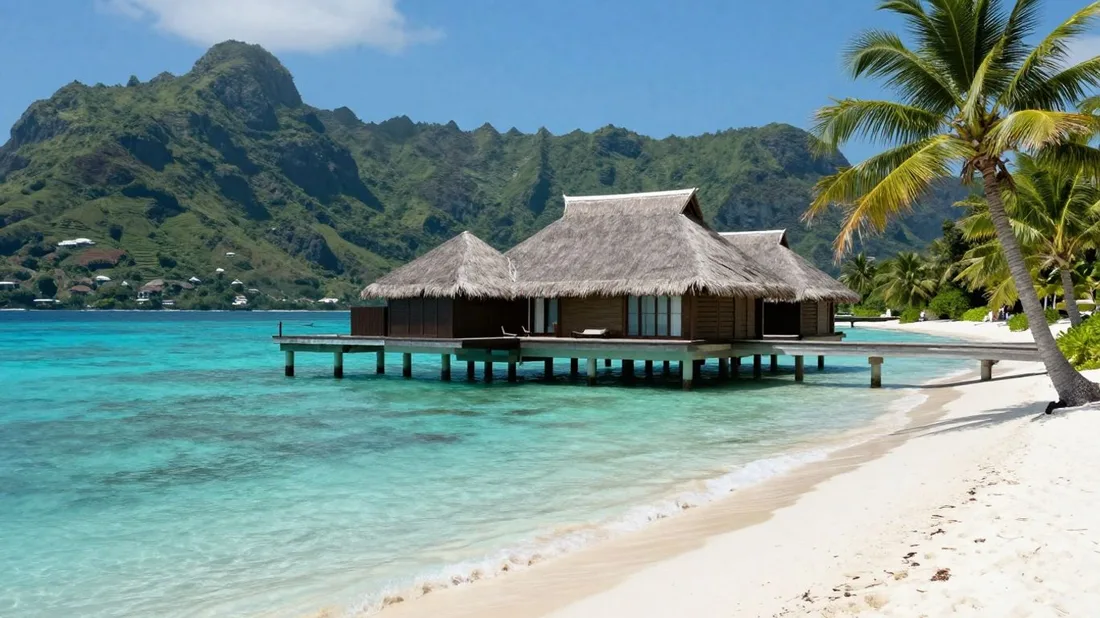
If you're feeling adventurous, the Maraa Caves Channel is a spot that requires a bit more commitment. It’s not visible from the shore, sitting about 1.5 kilometers offshore, so you'll need to be comfortable with a longer sail out. What awaits you is a super-fast left-hander that finishes in a snappy bowl. It’s a wave that demands respect and quick reactions. Launching from the small beach at the canoe club is a challenge in itself, and getting back to shore can be tough if the wind shifts. For those who make the effort, the ride is incredibly rewarding.
Teahupoo: The Ultimate Challenge
Now, for the big one: Teahupoo. This isn't just a windsurfing spot; it's legendary. Located on the southern tip of the Tahiti Iti peninsula, Teahupoo is famous for its incredibly powerful and heavy waves. We're talking about thick, barreling monsters that break over a razor-sharp reef. Even the pros wear helmets here, and for good reason. The wave is fast, hollow, and unforgiving. Launching is difficult, and you'll absolutely need a safety boat to get back to any sheltered bays. Teahupoo is for experienced riders only, and even then, it demands the utmost respect and preparation. It’s the kind of place that tests your limits and leaves a lasting impression, for better or worse.
Motu Moie: Ideal for Beginners and Experienced
Motu Moie offers a fantastic spot for windsurfers of all skill levels. The shallow, clear waters, typically only 2-4 feet deep with a sandy bottom, extend out for a good distance, making it super easy to get started. It’s perfect for those just learning the ropes, with plenty of space to practice without worry. If you're more seasoned, the conditions can still be great, especially when the wind picks up. The deeper lagoon water towards Tahaa, about 50 feet deep beyond the inner reef, provides a different challenge.
Beginner-friendly: Shallow, calm waters near the motu.
Experienced options: Deeper lagoon and varying wind conditions.
Gear availability: Special beginner boards and sails are often available.
Lagoon Sailing Towards Tahaa
While Motu Moie is a standout, the broader lagoon experience in the Society Islands is also worth mentioning. Sailing across the calm lagoon waters, perhaps with Tahaa in sight, offers a different kind of windsurfing pleasure. It’s less about aggressive wave riding and more about enjoying the glide and the stunning scenery. This area is great for freeride windsurfing, where you can cruise and enjoy the open water. The vastness of the lagoon means you can often find your own space, making for a peaceful session.
Scenery: Enjoy views of neighboring islands like Tahaa.
Windsurfing style: Primarily freeride and cruising.
Water conditions: Generally flat and protected within the lagoon.
The Society Islands truly offer a diverse windsurfing experience, from gentle learning grounds to expansive lagoons perfect for cruising.
Crystal Clear Lagoons for Watersports
French Polynesia is basically a giant water park, and the lagoons? They're the main attraction. Seriously, the water is so clear you can see straight to the bottom, making it perfect for pretty much anything you want to do on the water. Whether you're into exploring the coral gardens, trying your hand at deep-sea fishing, or, of course, windsurfing, these islands have got you covered. It’s like nature designed it specifically for us water lovers.
Year-Round Fine Weather for Windsurfing
One of the best things about windsurfing here is that you don't have to wait for a specific season. The weather is pretty sweet all year round. You've got sunshine and good winds pretty much consistently, which means you can plan your trip whenever works for you and be pretty sure you'll get some great sessions in. It's a big plus when you're trying to coordinate a trip around catching the best wind.
Here's a quick look at what makes the weather so good:
Consistent Trade Winds: These blow fairly regularly, especially during the drier months (May to October).
Warm Water Temperatures: Expect water that's warm enough to wear just a rash guard, even in the cooler months.
Abundant Sunshine: Days are generally long and sunny, giving you plenty of time on the water.
The Tahiti Iti Peninsula: La Grande Passé
When you venture down the coast road of the Tahiti Iti peninsula, things get a bit more remote, and the windsurfing opportunities change. Around 'km 9', the reef opens up, creating a channel known locally as 'La Grande Passé'. This spot is famous for its left-hand wave, best when the swell comes from the south-southwest. It’s not the most hollow wave out there, but it’s a solid ride, especially when other spots might be flat. It’s a place where you can really stretch out and enjoy the open water.
Vairao: Surfing the South-West Swells
Further along the coast, Vairao is another gem that comes alive with those south-southwest swells. This area offers a different kind of thrill, catching the energy of the open ocean. It’s a spot that rewards those who know where to look and are ready to embrace the power of the Pacific. The remote nature of these locations means you'll often have more space to yourself, making for a more personal windsurfing experience.
Bringing Your Own Kite Surfing Equipment
If you're planning on kite surfing in French Polynesia, you'll definitely want to bring your own gear. While windsurfing equipment is often available for rent at various spots, kite surfing setups are less common. Think of it like packing for a big trip – you wouldn't leave your favorite shoes at home, right? The same goes for your kite gear. You know your equipment best, and having it with you means you're ready to go the moment the wind picks up. Plus, finding specific kite parts or repairs on the smaller islands might be a real challenge, so being self-sufficient is key.
Choosing the Right Board and Sail
Selecting the right board and sail is pretty important for enjoying your time on the water. It really depends on where you're going and what the conditions are like. For lighter winds and learning, a bigger board with a smaller sail is usually the way to go. It's more stable and easier to handle. As the wind picks up or if you're looking for speed and performance, you'll want to switch to a smaller board and a larger sail. It’s a bit of a balancing act, really.
Here's a quick rundown:
Beginner/Light Wind: Larger, wider board for stability; smaller sail for easier control.
Intermediate/Moderate Wind: Medium-sized board and sail, offering a good mix of performance and maneuverability.
Advanced/Strong Wind: Smaller, more responsive board; larger sail for power and speed.
Foilboarding: The Latest Craze
Forget what you think you know about watersports; foilboarding is shaking things up. Imagine gliding above the water, almost like flying. It's a pretty wild sensation and has become super popular lately. You'll see people out on the lagoons, silently zipping along with minimal splash. It's surprisingly accessible once you get the hang of the balance, and the feeling of effortless speed is addictive.
Paddleboarding in Serene Lagoons
If you're looking for something a bit more chill, paddleboarding is your answer. It's a fantastic way to explore the calm, crystal-clear lagoons at your own pace. You can paddle along the coast, check out hidden coves, or just cruise around enjoying the scenery. It's really easy to pick up, even if you've never done it before. Seriously, if you can stand without wobbling too much, you can paddleboard.
Here’s a quick rundown on getting started:
Find a stable board: Look for a wider board, especially if you're a beginner.
Get your balance: Start on your knees if you need to, then slowly stand up.
Practice your paddle stroke: A smooth, consistent stroke will get you moving.
Enjoy the view: Don't forget to look around!
Deep Sea Fishing Adventures
For those who like a bit more action, the deep sea fishing here is world-class. The waters around French Polynesia are teeming with impressive game fish. Think marlin, tuna, and barracuda – you might just hook the catch of a lifetime. It’s a real test of skill and patience, but the thrill of battling a big fish is something else.
Ready to Ride the Waves?
So, French Polynesia really is a pretty amazing spot if you're into windsurfing. From the super chill vibes and easy waters around Tahiti's Motu Moie, perfect for getting your feet wet, to the more challenging spots for those who know what they're doing, there's something for everyone. And it's not just about the windsurfing; the whole place is just stunning. Think clear blue water, beautiful scenery – it's a whole package. Whether you're a total beginner or have been doing this for years, you'll find a place to have a blast. Just pack your gear, or maybe rent some when you get there, and get ready for some unforgettable times on the water.
What are the best spots for beginners in French Polynesia?
Motu Martin and Motu Moie are great for beginners. They have shallow, calm waters and sandy bottoms, making it easy to learn and get started. You can easily step onto your board and go!
Can I windsurf all year round?
Yes! French Polynesia has amazing weather and waves pretty much all year. This means you can plan your windsurfing trip whenever you like and expect good conditions.
Is it difficult to learn windsurfing?
Windsurfing can be learned by anyone! Places like Raiatea Activités offer lessons from passionate instructors who can teach you the basics. If you can stand up, you can learn to paddleboard, and windsurfing builds on that.
What kind of waves can I expect?
It really depends on where you go. You can find gentle lagoon sailing, fun beach breaks like Papenoo L'Embouchure, and serious reef waves like Sapinus Reef and the world-famous Teahupoo for advanced riders.
Do I need to bring my own gear?
For windsurfing, many places offer rentals and lessons. However, if you're interested in kite surfing, it's best to bring your own equipment as it's not as widely available for rent.
What other water activities are popular?
Besides windsurfing, you can enjoy paddleboarding in the calm lagoons, go deep-sea fishing for big game fish, try foilboarding, or even go sailing. The clear waters are perfect for all sorts of fun.
Are there places to learn windsurfing?
Absolutely! Raiatea Activités is a well-known windsurfing school on Raiatea island. They have experienced instructors who are super passionate about teaching the sport and other water activities too.
What makes the lagoons so special for watersports?
The lagoons in French Polynesia are incredibly clear and beautiful, like something out of a dream. They offer safe, shallow areas perfect for learning and practicing, as well as stunning scenery as you glide across the water.