Planning a trip to Tahiti and its surrounding islands can feel a bit daunting, especially when you start looking at the price tags. It's easy to think it's only for the super-rich, but honestly, that's not the whole story. You can totally experience the beauty of French Polynesia without breaking the bank. It just takes a little smart planning and knowing where to look for value. This guide breaks down the French Polynesia travel costs breakdown so you can figure out how to make your dream trip a reality.
Key Takeaways
Accommodation costs vary wildly, from budget-friendly guesthouses starting around $35 a night to luxury overwater bungalows that can cost $800 or more.
Eating locally is your best bet for saving money; think food trucks (roulottes) and guesthouse meals instead of imported goods and high-end restaurants.
Inter-island flights are a significant cost, so look into island-hopping passes if you plan to visit multiple islands.
Free natural attractions like beaches and hiking trails are abundant, offering great ways to enjoy the scenery without spending extra.
Packing essentials like sunscreen, bug spray, and medications can save you a lot of money, as these items are often overpriced when purchased on the islands.
Understanding French Polynesia Travel Costs Breakdown
Planning a trip to French Polynesia, often pictured with its iconic overwater bungalows, can seem daunting budget-wise. It's true, this slice of paradise in the South Pacific isn't exactly a budget destination. The cost of living is higher than in many places, partly because everything has to be imported, and the local salaries reflect that. But don't let that discourage you! It's absolutely possible to experience the magic of these islands without emptying your bank account. The key is understanding where your money goes and making smart choices. Think of it as a puzzle; once you see all the pieces, you can put together a trip that fits your wallet.
Defining Your Tahiti Travel Budget
Figuring out your budget starts with a realistic look at what you want from your trip. Are you dreaming of five-star luxury, or are you happy with charming local guesthouses? Your accommodation choice will likely be your biggest expense. Beyond that, consider how much you'll spend on food, activities, and getting around. A rough daily budget can be helpful, but remember that prices can vary wildly depending on the island and the season. For instance, a trip to French Polynesia might look very different cost-wise compared to a trip to the Cook Islands.
Factors Influencing Trip Expenses
Several things play a big role in how much your trip will cost. The time of year you travel is a major one; peak season means higher prices for flights and accommodation. Where you stay, from a simple "fare" (guesthouse) to a lavish resort, makes a huge difference. Your dining habits matter too – eating at local "roulottes" (food trucks) is much cheaper than fine dining. And of course, the activities you choose, like a private boat tour versus exploring free natural wonders, will add up.
Budgeting for Luxury vs. Simplicity
Let's break down some typical daily costs to give you an idea:
Luxury Traveler: Expect to spend upwards of $500+ per day. This covers high-end resorts, gourmet dining, private excursions, and perhaps a helicopter tour.
Mid-Range Traveler: A budget of $200-$400 per day is more realistic. This allows for comfortable hotels or nice villas, a mix of restaurant meals and local eateries, and popular tours.
Budget-Conscious Traveler: You can aim for $100-$200 per day. This means staying in guesthouses, enjoying local food stalls and roulottes, and focusing on free or low-cost activities.
Here's a quick look at potential daily costs:
These are just averages, of course. You might find a great deal on accommodation one day and then splurge on a special meal the next. Planning ahead and knowing these ranges will help you create a travel plan that works for you.
Accommodation Options and Pricing
When planning your trip to Tahiti, figuring out where you'll sleep is a big piece of the puzzle, and thankfully, there's a pretty wide range of choices to fit different budgets and travel styles. You're not just stuck with one type of place, which is great.
Guesthouses and Local Fare
For a more authentic experience and often the most budget-friendly option, consider staying in a guesthouse, known locally as a "fare pension." These are typically family-run establishments where you get to live alongside locals, sharing their space and often their meals. It's a fantastic way to get a feel for Tahitian culture and hospitality. Prices can start quite low, making them ideal for travelers watching their spending. You might find rooms for around €35-€75 per night, sometimes even less if you're lucky or traveling in the off-season. Some of these places are situated in really beautiful spots, like right on the water or near the lagoons.
Mid-Range Hotels and Villas
If you're looking for a bit more comfort and privacy than a guesthouse but aren't quite ready for the top-tier luxury, the mid-range hotels and villas are a good middle ground. You'll find places that offer more amenities, like private bathrooms, air conditioning, and on-site restaurants. Expect to pay somewhere in the ballpark of €75 to €150 per night for a standard room in a modest hotel. Villas can offer more space, especially if you're traveling with family or a group, and their prices can vary quite a bit depending on size and location.
Luxury Resorts and Overwater Bungalows
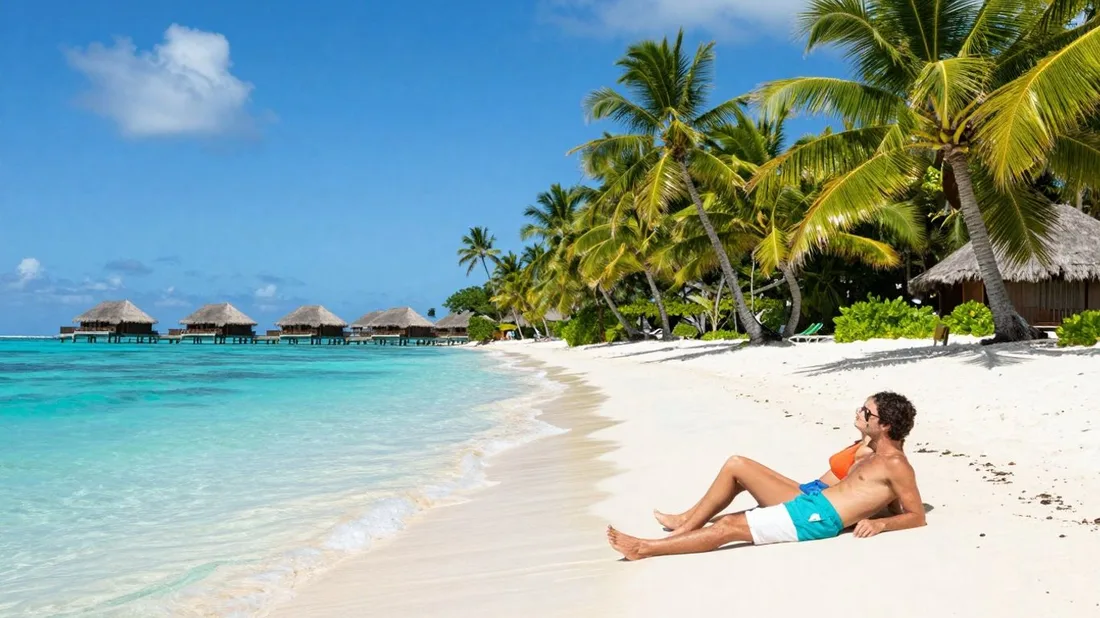
Now, for the iconic Tahitian experience that many dream of: the luxury resorts and those famous overwater bungalows. These places are designed for indulgence, offering top-notch service, stunning views, and direct access to the turquoise waters. Of course, this level of luxury comes with a price tag. You could easily be looking at €300 to €600 or even more per night for a room or bungalow in a high-end resort. While they are undeniably beautiful and offer a unique experience, they are definitely the most expensive accommodation option available.
Here's a quick look at what you might expect:
Remember that many guesthouses offer meal plans, which can be a convenient and cost-effective way to try local dishes. Hotels, especially the mid-range and luxury ones, will have their own restaurants, but dining there can add up quickly compared to eating at local spots or roulottes (food trucks).
Daily Food and Drink Expenses
When you're thinking about your daily budget in Tahiti, food and drinks are definitely a big part of it. Because the islands are so far from everywhere else, a lot of what you'll eat has to be shipped in, and that can really add up. Eating local is your best bet for keeping costs down and experiencing the real flavors of French Polynesia.
Local Restaurants and Roulottes
For a taste of authentic Polynesian cuisine without breaking the bank, seek out the local spots. You'll find small restaurants, often called 'snacks,' that serve up fresh, regional dishes. These are usually much more affordable than the restaurants in larger hotels. Don't miss the 'roulottes' – these are food trucks, especially common in Papeete, offering a variety of meals from grilled fish to local specialties. They're a fun and budget-friendly way to try different things.
Poisson Cru: This is a must-try! It's raw tuna marinated in lime juice and coconut milk, often with fresh vegetables. It's a staple and usually quite affordable.
Grilled Fish: Freshly caught fish, simply grilled, is a delicious and common option.
Tropical Fruits: You'll find an abundance of fresh fruits like pineapple, mango, and papaya everywhere. Grab some for a healthy and cheap snack.
Expect to pay around €18 per person for a meal at a local restaurant, and €5 to €9 for a good portion at a roulotte.
Guesthouse Meal Plans
If you're staying in a guesthouse, or 'fare,' you often have the option to eat meals there. This can be a really convenient and cost-effective choice, especially if your guesthouse isn't near many other dining options. Families running these places often prepare traditional meals, giving you a chance to try home-cooked Polynesian food and interact with your hosts. It's a great way to get a feel for local life.
Meals at guesthouses can typically range from €30 to €50 per person per day, which often includes breakfast, lunch, and dinner. This can be a good deal compared to eating out for every meal.
Imported Goods and Dining Out
This is where your budget can quickly get stretched. Anything that isn't grown or produced locally has to be imported, and that includes many common grocery items, snacks, and even certain types of meat and dairy. If you plan on dining at mid-range hotels or luxury resorts, expect to pay significantly more. A meal in a mid-range hotel might cost €30-€40 per person, while a high-end resort could easily double that.
Here's a rough idea of daily food costs:
Transportation Costs Within Tahiti
Getting around the islands is a big part of the adventure, and it can also be a significant chunk of your budget. While Tahiti itself is the main entry point, most travelers hop between islands. Planning your inter-island travel ahead of time can save you some money.
Inter-Island Flights and Passes
Air Tahiti is pretty much your only option for flying between the islands, and they know it. Prices can add up quickly, especially if you're island hopping extensively. Look into their 'Air Tahiti Pass' options before you book individual flights. These passes can offer a set number of flights or access to specific regions for a fixed price, which often works out cheaper than buying separate tickets. It's worth doing the math based on your planned itinerary.
Island Hopping Passes: These are designed for multi-island trips and can be a good deal. Check the different pass options to see which best fits your travel style.
Flexibility is Key: If your dates are flexible, you might snag better deals. Sometimes flying mid-week is cheaper.
Booking in Advance: Especially during peak season, booking your inter-island flights well in advance is a smart move to secure seats and potentially better prices.
Car and Scooter Rentals
Once you're on an island like Tahiti or Moorea, renting a vehicle gives you a lot of freedom. Cars are great for exploring Tahiti's main island, especially if you plan on venturing beyond Papeete. Scooters are a popular and often more affordable choice for smaller islands or for couples.
Tahiti: Renting a car here is recommended if you want to explore the entire island at your own pace. Expect to pay around 5,000-7,000 XPF (approx. $45-$65 USD) per day.
Moorea: Scooters are very common and a fun way to see the island. Daily rentals can range from 3,000-5,000 XPF ($27-$45 USD).
Requirements: You'll typically need a valid driver's license, and sometimes an international driving permit is recommended.
Local Transport and Taxis
For shorter distances or if you're sticking to main towns, local transport is an option. Taxis are available, but they can get expensive quickly, especially for longer rides or airport transfers. On Tahiti, there are also some local buses, though their routes and schedules might be limited.
Taxis: Agree on the fare beforehand if possible, or ensure the meter is running. A short ride within Papeete might cost around 1,000-1,500 XPF ($9-$14 USD).
Local Buses (Tahiti): These are very inexpensive but operate on set routes and times, mainly around Papeete and along the coastal road. They're more for experiencing local life than efficient long-distance travel.
Activities and Excursions on a Budget
Let's talk about how to have an amazing time in Tahiti without emptying your wallet on tours and adventures. Because, honestly, some of the best experiences here don't cost a dime. The natural beauty is your biggest free asset.
Free Natural Attractions
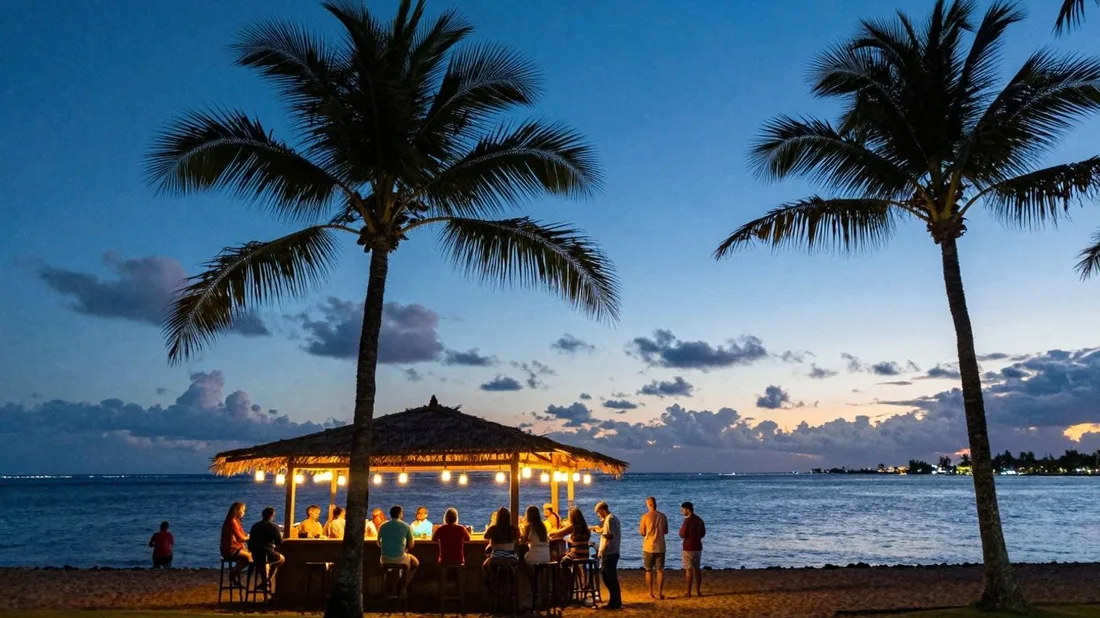
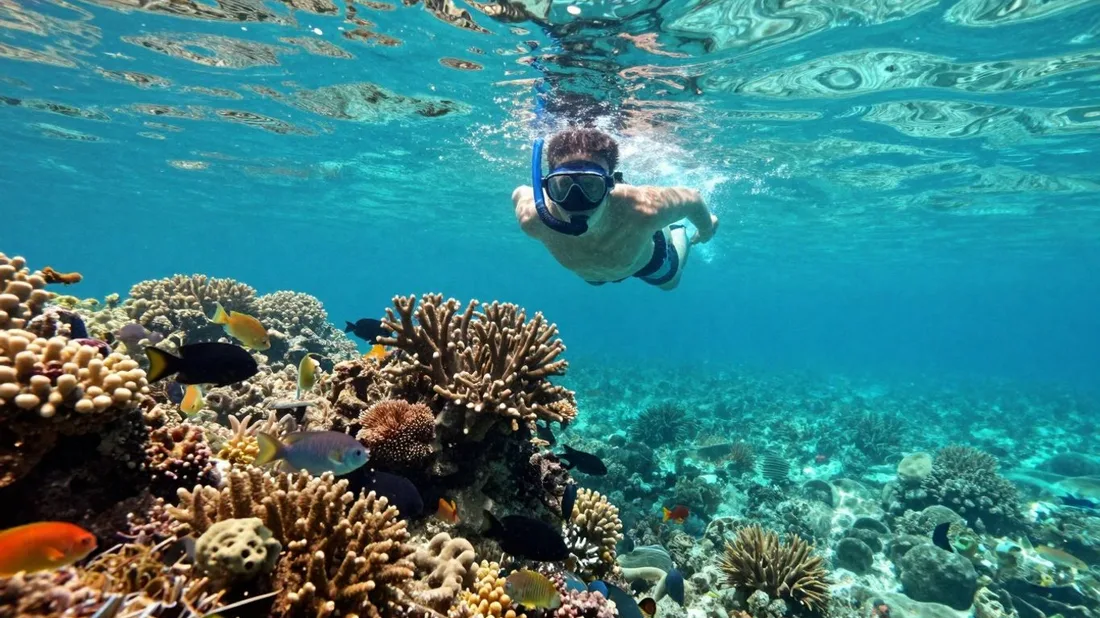
Seriously, you can have a fantastic time just soaking in the scenery. Think about it: the beaches are free. The hiking trails through those lush green mountains? Free. Watching the sunset paint the sky over the ocean? Absolutely free. You can spend hours snorkeling right off the shore in many places, discovering colorful fish without paying for a boat trip. Even just wandering through local markets, taking in the sights and smells, is an experience in itself and costs nothing but your time.
Beachcombing and swimming: Find a public beach and enjoy the turquoise water.
Hiking: Explore trails that offer stunning viewpoints of the island.
Market visits: Immerse yourself in local life and culture.
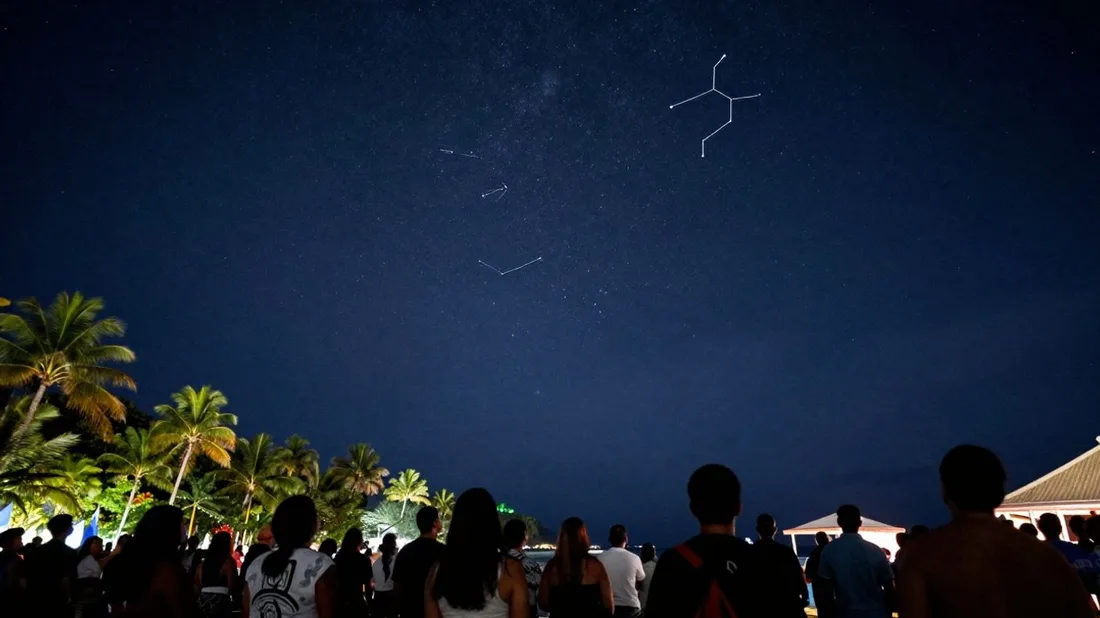
Stargazing: With minimal light pollution, the night sky is incredible.
Affordable Tours and Rentals
Okay, so maybe you want to do a bit more than just wander. There are ways to get out there without breaking the bank. Renting a scooter or a small car can be a cost-effective way to explore an island at your own pace, letting you stop wherever catches your eye. Many guesthouses and hotels offer free use of kayaks or paddleboards, which is perfect for exploring calm lagoons. You can also find local operators offering shorter boat trips or guided walks that are much cheaper than the big, all-day excursions. Sometimes, just asking around at your accommodation can lead you to these hidden gems.
Premium Experiences and Their Costs
Now, if you've got a bit more cash to splash, there are definitely some unforgettable, albeit pricier, activities. Think about a private boat tour to a secluded motu (small islet) for a picnic, or perhaps a thrilling jet ski excursion around the island. For the truly adventurous, helicopter tours offer a bird's-eye view of the dramatic volcanic landscapes and vibrant lagoons – it's a splurge, for sure, but the memories are pretty epic. Scuba diving in famous spots or taking a guided quad bike tour through the interior are also popular, but they come with a higher price tag. It's all about deciding what's most important to you and budgeting accordingly.
Essential Pre-Trip Preparations
Before you even think about packing your bags for Tahiti, there are a few things you really need to sort out. Getting these sorted early can save you a lot of hassle and, believe it or not, money.
Travel Insurance Considerations
Look, I know travel insurance isn't the most exciting part of planning a trip, but it's seriously important, especially for a destination like French Polynesia. Things can happen – flights get delayed, luggage goes missing, or you might have a little accident while exploring. Having good insurance means you won't be stuck with a massive bill if something goes wrong. It's usually not that expensive when you compare it to the cost of a medical emergency or a lost camera.
Check what your existing credit cards cover: Some cards offer travel insurance, but the coverage might be limited. Always read the fine print.
Compare policies: Don't just grab the first one you see. Look at different providers and compare what they cover and how much they cost.
Consider add-ons: If you plan on doing adventurous activities like scuba diving or jet skiing, make sure your policy covers them.
Packing Smart to Save Money
This is where you can really make a difference in your daily spending. Because Tahiti is so remote, pretty much everything is imported, which means prices for everyday items can be surprisingly high. Think about it: that sunscreen you forgot to pack? You'll likely pay a premium for it at the resort shop.
Sunscreen and bug spray: Bring plenty of reef-safe sunscreen and effective bug spray. These are often much cheaper at home.
Medications: Pack any prescription or over-the-counter meds you might need. Pharmacies aren't as common or as well-stocked as you might be used to.
Snacks: Protein bars, trail mix, or other non-perishable snacks can be a lifesaver on long travel days or during excursions, saving you from buying overpriced convenience food.
Reusable water bottle: Staying hydrated is key, and refilling a bottle is much cheaper (and better for the environment) than buying bottled water constantly.
Basic toiletries: While you can buy most things there, bringing your preferred brands of shampoo, conditioner, and other personal care items can save you money and ensure you have what you like.
Flight Booking Strategies
Flights are usually the biggest single expense for a trip to Tahiti. Being smart about how and when you book can make a significant dent in your overall budget. Flexibility is your best friend when hunting for flight deals.
Book in advance: Generally, the earlier you book, the better the prices tend to be, especially for international flights. Aim for several months out if possible.
Be flexible with dates: If you can travel during the shoulder seasons (spring or fall) or avoid major holidays, you'll often find much better fares.
Consider layovers: Direct flights are convenient, but flights with a layover, perhaps in Los Angeles or San Francisco, can sometimes be considerably cheaper.
Set up fare alerts: Use flight comparison websites to set up alerts for your desired routes. You'll get notified when prices drop.
Look at different airlines: Don't just stick to one or two carriers. Compare prices across a range of airlines that fly to Papeete (PPT).
Seasonal Pricing and Travel Timing
When you're planning a trip to Tahiti, timing can really make a difference in your wallet. It's not just about avoiding crowds; it's about snagging better deals on flights and places to stay.
Peak Season vs. Shoulder Season
The most popular time to visit Tahiti is generally from May to October. This is when the weather is driest and sunniest, which sounds great, but it also means higher prices for everything. Think of it as the summer holidays for many travelers, so demand goes up, and so do the costs. If you're looking to save some money, aiming for the shoulder seasons is your best bet. These periods, typically April to June and September to November, offer a sweet spot. You'll still get pretty good weather, often with just short, passing showers, but you'll find that flights and accommodation are noticeably cheaper. It's a trade-off, but one that can seriously cut down your overall trip expenses.
Impact of Travel Dates on Costs
Even within the peak or shoulder seasons, specific dates can affect prices. Traveling during major holidays like Christmas, New Year's, or Easter will almost always mean higher rates. If your schedule is flexible, avoiding these popular holiday weeks can lead to significant savings. For instance, flying out the week before or after a major holiday can sometimes result in much lower airfare. It's worth checking different date combinations on flight search engines to see where you can find the best deals. Remember, even a few days can change the price.
Finding Deals During Off-Peak Times
Looking for deals during the off-peak times, which often overlap with the shoulder seasons, requires a bit of planning. Keep an eye out for airline sales; sometimes carriers offer promotions that can make the long flight more affordable. Booking accommodations in advance, especially if you're eyeing popular guesthouses or smaller hotels, is also a smart move. Sometimes, booking directly with a pension or hotel can yield better rates than going through a third-party site. Don't forget to consider package deals, too, as they can sometimes bundle flights and accommodation for a reduced price. Exploring options like a Tahiti cruise or resort stay might also reveal cost-saving opportunities depending on the season.
Island-Specific Cost Variations
When planning your trip to French Polynesia, it's super important to remember that not all islands are created equal when it comes to price tags. While the postcard-perfect images often focus on one place, there are plenty of other spots that offer similar beauty without emptying your wallet.
Tahiti vs. Moorea Expenses
Tahiti, the main arrival point, can feel a bit more like a city, especially around Papeete. This means you'll find a wider range of dining options, from fancy restaurants to local roulottes (food trucks), which can help manage food costs. Accommodation here also varies a lot, with more budget-friendly guesthouses alongside luxury hotels. Moorea, on the other hand, is often seen as a more relaxed, slightly more upscale destination, though still more affordable than Bora Bora. You'll find charming bungalows and smaller hotels, and while food can be a bit pricier than on Tahiti, it's still manageable if you stick to local spots. Getting between the two is easy and relatively inexpensive via a short ferry ride.
Bora Bora's Premium Pricing
Let's just get this out of the way: Bora Bora is the big spender's paradise. It's famous for its overwater bungalows, and those come with a hefty price tag. Everything from accommodation to dining and activities tends to be more expensive here. If you're dreaming of Bora Bora but on a tighter budget, consider a shorter stay or look for deals during the shoulder seasons. It's possible to experience its beauty, but you'll need to be more mindful of your spending.
Exploring More Affordable Islands
Don't let Bora Bora's reputation overshadow the other gems. Islands like Taha'a, known as the 'Vanilla Island,' offer a more laid-back and significantly cheaper experience. You can find lovely guesthouses and enjoy stunning coral gardens without the premium cost. Raiatea, often visited in conjunction with Taha'a, also provides more budget-conscious options. For those really looking to stretch their dollar, islands like Huahine or the Marquesas (though further afield and requiring more travel time) can offer a more authentic, less tourist-centric, and thus more affordable adventure. Planning an itinerary that includes a mix of islands can help balance your budget, allowing you to splurge on one or two iconic experiences while saving on others. For example, you might find that inter-island flights, like those offered by Air Tahiti, are a significant cost, so looking into their passes can be a smart move.
Here's a rough idea of daily costs, keeping in mind these are averages:
When considering your travel plans, think about how you want to experience French Polynesia. If the iconic overwater bungalow is a must, Bora Bora is likely where you'll need to focus your budget. But if stunning scenery, vibrant culture, and relaxation are your main goals, you can find incredible value on islands like Moorea or Taha'a, making your dream trip more accessible. You might even find that a well-planned trip to multiple islands, using services like Air Tahiti passes , offers the best of both worlds.
Tips for Saving on Daily Expenses
Keeping an eye on your spending day-to-day is key to making your Tahiti trip work within your budget. It’s easy to get caught up in the beauty and just swipe your card, but a little planning goes a long way. Think about packing snacks from home, especially things like protein bars or electrolyte mixes. These can be lifesavers on long days out and much cheaper than buying them on the islands. Also, carrying a reusable water bottle is a no-brainer; you can refill it and save money while also being kinder to the environment. When you're out and about, look for local markets for fresh fruit and snacks – it's a great way to experience the local culture and keep costs down.
Balancing Splurges and Savings
It's all about finding that sweet spot between saving money and actually enjoying yourself. You don't want to come all this way and then be too scared to try anything. So, maybe you skip the fancy resort for your entire stay, but perhaps you budget for one or two nights of pure luxury, like an overwater bungalow experience. Or, instead of eating every meal at a high-end restaurant, you could enjoy local roulottes (food trucks) most nights and save your splurge for a special dinner with a view. The goal is to prioritize what matters most to you and allocate your funds accordingly. For instance, if amazing snorkeling is your top priority, you might spend less on accommodation and more on a boat trip to a prime spot. It’s about making conscious choices that align with your travel dreams without breaking the bank.
Understanding Currency and Payment Methods
French Polynesia uses the CFP franc (XPF). While credit cards are accepted in most hotels, larger restaurants, and shops, it’s always a good idea to have some cash on hand, especially for smaller establishments, local markets, and those delicious roulottes. ATMs are available in Papeete and other main towns, but they might not be as common on smaller islands. It’s wise to inform your bank about your travel dates to avoid any issues with your cards. Also, be aware of any foreign transaction fees your bank might charge. For a more budget-friendly approach, consider using a travel-friendly credit card with no foreign transaction fees. Planning your Bora Bora trip with these financial details in mind will help avoid unexpected costs.
Here’s a quick look at typical daily costs:
So, What's the Takeaway?
Look, Tahiti isn't exactly a budget destination, let's be real. Things can add up fast, especially if you're eyeing those fancy overwater bungalows. But, as we've seen, it's totally possible to have an amazing trip without emptying your bank account. By choosing guesthouses over big resorts, eating at local spots or food trucks, and maybe skipping the most expensive excursions, you can really make your money go further. The real beauty of Tahiti is its nature, and a lot of that is free. So, pack smart, plan ahead, and you can definitely experience the magic of these islands without feeling totally broke.
Can I really visit Tahiti without spending a fortune?
Yes, you absolutely can! While Tahiti is known for fancy places, you can have an amazing trip without breaking the bank. Think about staying in cozy guesthouses instead of big resorts, eating at local food trucks called 'roulottes,' and enjoying the free natural beauty like beaches and hiking trails. It's all about making smart choices!
What's the best time of year to find cheaper prices in Tahiti?
To save some money, try visiting during the 'shoulder seasons.' This is usually from April to June and then again from September to November. During these times, you'll often find better deals on flights and places to stay because it's not the super busy tourist season.
How much money should I plan to spend each day?
It really depends on how you travel, but a good estimate for a budget-friendly trip could be around $100 to $150 US dollars per day. This usually covers your lodging, food, and getting around. If you share costs with someone or stay in simpler places, you can definitely spend less.
What are some fun things to do in Tahiti that don't cost much?
Tahiti has tons of awesome free activities! You can swim and snorkel right off the beach, go for hikes on beautiful trails, watch amazing sunsets, and explore local markets. Many of the islands' best sights, like the stunning lagoons and mountains, are completely free to enjoy.
Is it cheaper to stay on Tahiti island or visit other islands?
While Tahiti itself has options, some of the other islands, like Moorea or Taha'a, can be more affordable than the super famous Bora Bora. Bora Bora is known for being quite pricey. Exploring islands beyond the most famous ones can give you a similar beautiful experience for less money.
What should I pack to avoid overpaying for things in Tahiti?
Since many things are imported and cost more, it's smart to pack essentials. Bring things like sunscreen (reef-safe is best!), bug spray, any medicines you need, a reusable water bottle, and chargers. If you need it and it fits in your suitcase, bringing it from home will save you money.
Are guesthouses a good and affordable place to stay?
Yes, absolutely! Guesthouses, often called 'pensions' or 'fare,' are run by local families and offer a charming and much cheaper alternative to big hotels. You get a more authentic experience, often with delicious home-cooked meals, and you're supporting local people directly.
How can I save money on food and drinks?
Eating at local 'roulottes' (food trucks) is a fantastic and affordable way to try delicious Tahitian food. Also, look for guesthouses that offer meal plans, as they can be a good deal. Stick to fresh, local foods like fish and fruit, as imported items will cost significantly more.
Use this guide for trip ideas, not a current quotation or a guarantee of access, safety, inclusions or availability. Confirm the requirements and conditions for your dates, destination and provider before booking.