Ever wondered where that amazing vanilla flavor in your desserts comes from? French Polynesia is a hidden gem for spice lovers, especially if you're into vanilla. The islands, particularly Taha'a, are famous for their vanilla plantations. Taking French Polynesia spice tours is a fantastic way to see how this precious spice is grown and harvested. You can learn all about the process, from tiny flowers to the beans you see in stores. Plus, it's a chance to taste and buy some of the best vanilla in the world right from the source.
Key Takeaways
Taha'a, often called the 'Vanilla Island', is the main hub for vanilla production in French Polynesia.
The cultivation of Tahitian vanilla (Vanilla tahitensis) involves a meticulous hand-pollination process due to the absence of natural pollinators.
French Polynesia spice tours offer direct interaction with growers, providing insights into the complex curing and drying stages of vanilla beans.
Tahitian vanilla is highly prized globally for its unique floral aroma and flavor, making it the second most expensive spice after saffron.
Beyond vanilla, exploring French Polynesia's spice heritage includes opportunities to discover tropical fruit farms, pearl farms and other island exports.
A Fragrant Welcome to Taha'a
Stepping onto Taha'a is like walking into a dream scented with vanilla. This island, often called the "Vanilla Island," is part of the Society Islands and shares a lagoon with Raiatea. It's a place that feels a bit wild and untouched, a welcome change from some of the more bustling spots in French Polynesia. The air itself seems to carry the sweet perfume of vanilla, a constant reminder of what makes this island so special. You'll find yourself drawn to the plantations, eager to learn about the spice that scents the very breeze.
Beyond Vanilla: Taha'a's Other Treasures
While vanilla is undoubtedly the star here, Taha'a has more to offer than just its famous spice. The island boasts stunning white sandy beaches and small, idyllic islets called motus, perfect for a quiet escape. Its coral gardens are a sight to behold, teeming with marine life. And for those fascinated by gems, Taha'a is home to several pearl farms where you can learn about the cultivation of the famous Tahitian black pearl.
Navigating Taha'a's Lagoon
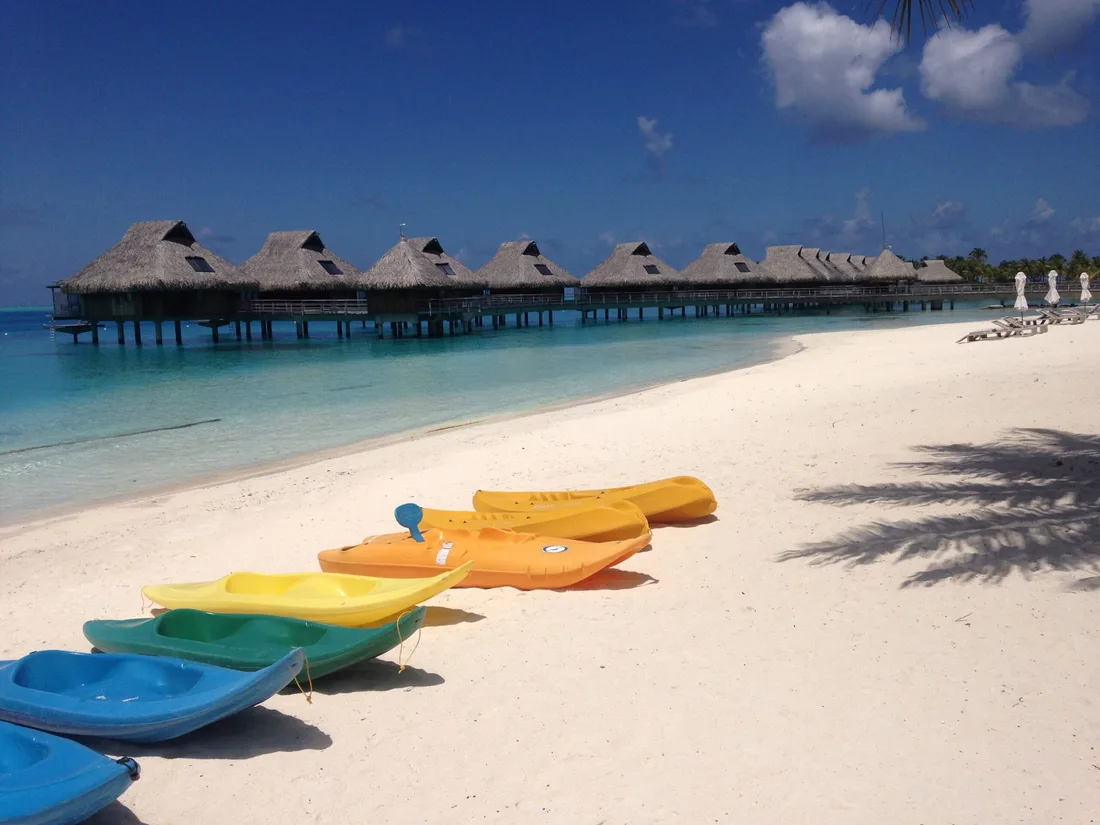
The lagoon surrounding Taha'a is a true gem. Renting a kayak is a fantastic way to explore its calm, clear waters at your own pace. Alternatively, a boat excursion can take you to some of the most beautiful motus, where you can enjoy a picnic lunch right on the beach. The shades of blue and green in the water are simply mesmerizing, making any time spent on or around the lagoon a memorable experience. It's the perfect setting to relax and soak in the island's natural beauty.
From Flower to Bean: The Hand-Pollination Process
Growing vanilla isn't like planting a tomato seed and waiting for it to grow. It's a whole different ballgame, and honestly, pretty wild when you think about it. The vanilla orchid, specifically the Vanilla tahitensis variety grown here, doesn't have the right bugs to do the job naturally. So, guess who has to step in? Yep, us humans.
It all starts with a tiny flower that only stays open for a few hours, usually in the morning. Farmers have to be out there, bright and early, to hand-pollinate each one. This process, often called 'marrying the vanilla,' involves carefully transferring pollen from one part of the flower to another. It’s a delicate dance, and if you miss the window or if it rains, that flower won't turn into a bean. It's a race against time, every single day.
Timing is everything: The flower's bloom window is very short, often less than 24 hours.
Gentle touch required: The pollination needs to be done by hand with precision.
Weather dependent: Rain can ruin the chances of pollination.
The Meticulous Curing and Drying Stages
Once the flowers have been successfully pollinated and have developed into beans, the real work begins. This is where the magic happens, transforming a green pod into the fragrant, dark spice we know. It's a lengthy process, taking months and requiring constant attention.
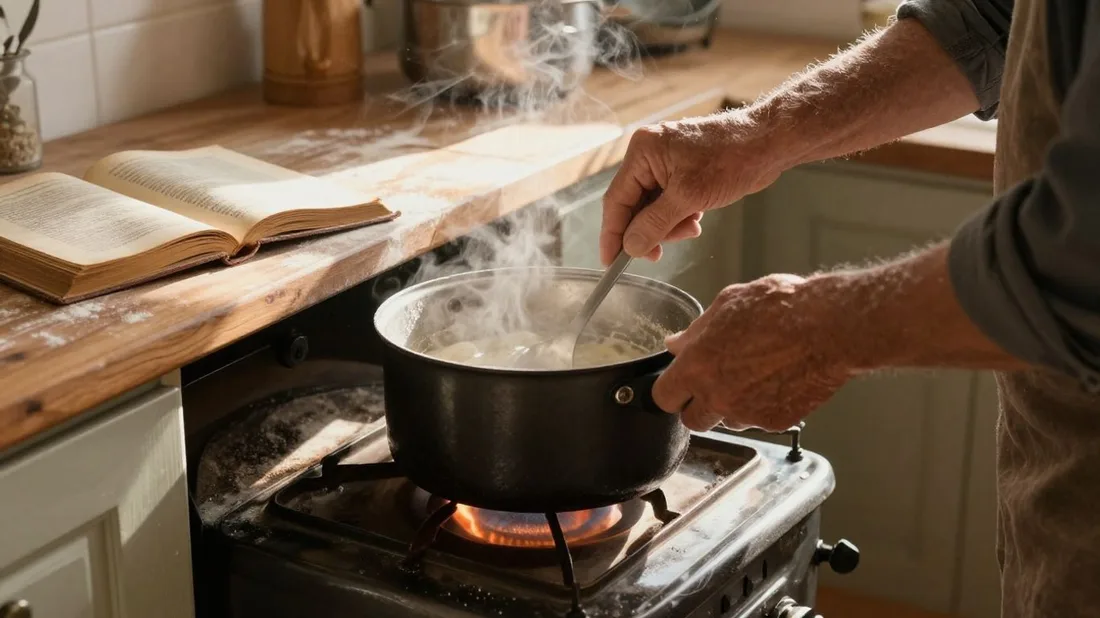
After harvesting the green beans, they're washed. Then comes the sun. The beans are spread out and dried in the sun, but not for too long each day – maybe just a couple of hours. After their sunbath, they're wrapped up and stored away. This cycle repeats for months. The beans are then carefully hand-kneaded. This isn't just for show; it helps to straighten the pods and release the tiny seeds inside, which hold all that amazing flavor. It's a slow, steady transformation.
Understanding Vanilla Grading and Quality
Not all vanilla beans are created equal, and knowing a bit about how they're graded can help you appreciate the quality you're buying. The final appearance, aroma, and moisture content all play a role.
Generally, you'll see beans categorized based on their appearance and how they've been processed. The best beans are usually dark, plump, and have a rich, oily sheen. They'll have a strong, sweet, floral aroma. Lower grades might be thinner, have more splits, or a less intense scent. The Vanilla tahitensis variety is known for its unique floral and slightly anise-like notes, which is a big part of its appeal.
Appearance: Look for dark, supple beans with a natural sheen.
Aroma: A strong, sweet, and floral scent is a good sign.
Moisture Content: Properly cured beans have a good balance, not too dry and not too wet.
Buying directly from plantations, like those found on Taha'a, often means you're getting top-quality beans. You can even learn about the different grades right from the growers themselves. It's a great way to connect with the product and understand its worth, especially when you consider how much work goes into each bean. If you're interested in other unique island products, you might also enjoy exploring pearl farms in Bora Bora.
Experiencing French Polynesia Spice Tours
When you're in French Polynesia, especially on Taha'a, taking a tour of a spice plantation is a must-do. It’s not just about vanilla, though that’s a big part of it. You get to see firsthand how these amazing flavors are grown and prepared. Many of the farms welcome visitors with open arms, and they’re usually happy to walk you through the whole process. It’s a really hands-on way to learn about what goes into making the spices you might buy back home.
Guided Tours of Vanilla Plantations
Most vanilla farms on Taha'a offer guided tours. These aren't just quick walks; they often go into detail about the plant itself, how it grows, and the specific steps needed to get that fragrant bean. You'll learn about the delicate hand-pollination, which is pretty wild when you think about it – each flower only opens for a short time, and someone has to manually pollinate it. The guides are usually growers themselves, so they have a lot of practical knowledge to share. It’s a great chance to ask questions and really get a feel for the work involved.
Direct Purchase Opportunities from Growers
One of the best parts of these tours is the chance to buy directly from the people who grow the spices. Many plantations have small shops right on site. You can pick up vanilla beans, vanilla extract, or even vanilla-scented soaps and lotions. Buying directly often means you get better prices than you would in a tourist shop or back home. Plus, you know you're getting the real deal, fresh from the source. It’s a nice way to support the local farmers too.
Exploring Spice Routes in the Islands
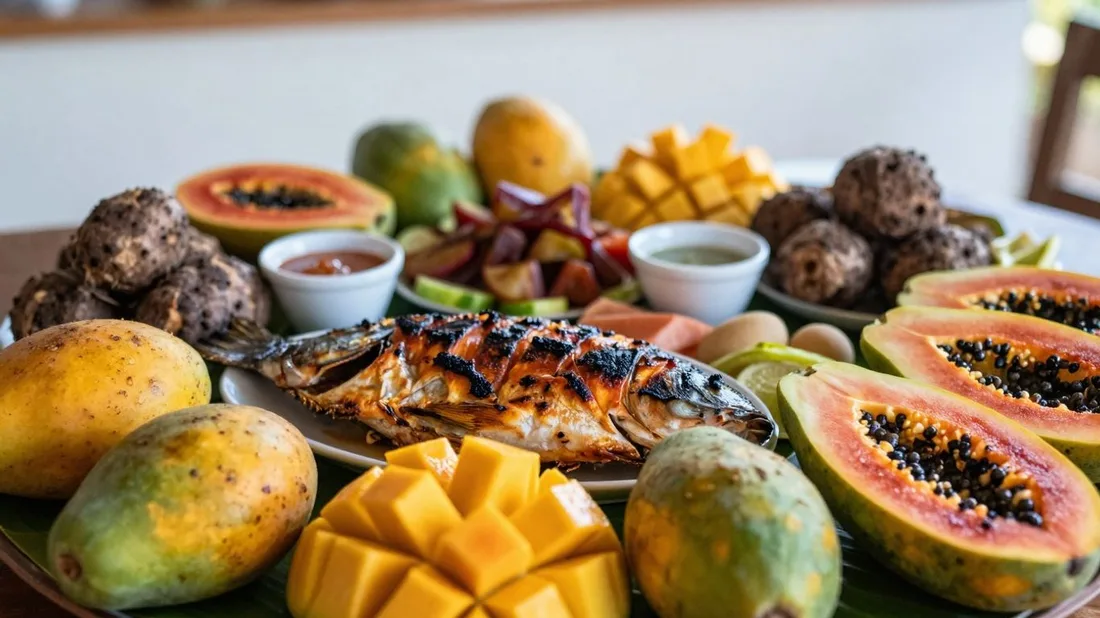
While Taha'a is the main hub for vanilla, don't forget that other islands have their own unique flavors. You might find tours that focus on other local produce, like fruits, flowers, or even medicinal plants. Some tours might combine visits to different types of plantations, giving you a broader taste of what French Polynesia has to offer. It’s like a culinary treasure hunt across the islands, uncovering the scents and tastes that make this place so special.
The Unique Aroma and Floral Flavor Profile
Tahitian vanilla, specifically the Vanilla tahitensis variety, has a scent and taste profile that really sets it apart. It's not just your average vanilla; it's got this distinct floral quality, almost like a perfume. Think notes of anise, cherry, and even a hint of leather. This complex aroma makes it a favorite not just for desserts but also for high-end perfumes and even some savory dishes. It's a delicate, sweet fragrance that's instantly recognizable and highly sought after by chefs and perfumers around the globe.
The Hybrid Vanilla Tahitiensis Variety
So, what makes Vanilla tahitensis so special? Well, it's a hybrid, a cross between two other vanilla species. This unique genetic makeup is a big reason for its distinctive flavor and aroma. Unlike the more common Vanilla planifolia , tahitensis beans are typically plumper and have a different chemical composition that contributes to their unique scent. This hybrid was developed specifically in the Islands of Tahiti, making it a truly unique product of the region.
The Second Most Expensive Spice Globally
Vanilla is famously the second most expensive spice in the world, right after saffron. And Tahitian vanilla often commands a premium price. Why? It all comes down to the incredibly labor-intensive process of growing and curing it. From the hand-pollination of each delicate flower to the meticulous drying and curing stages that can take months, every step requires a lot of human effort and attention. There are no shortcuts when it comes to producing high-quality Tahitian vanilla, and that dedication is reflected in its cost and its reputation.
Here's a quick look at why it's so pricey:
Hand-Pollination: Each flower must be pollinated by hand within a very short window.
Long Curing Process: Beans undergo months of drying and hand-kneading.
Low Yield: Compared to other crops, vanilla production yields are relatively small.
Specific Growing Conditions: It thrives in particular climates, like those found on Taha'a.
A Journey Through French Polynesia's Spice Heritage
French Polynesia is more than just stunning lagoons and white sand beaches; it's a place with a rich history tied to the land and its unique flavors. While vanilla often steals the spotlight, the islands have a broader story to tell about their spice heritage and agricultural traditions. It’s a heritage that’s deeply woven into the fabric of island life, passed down through generations.
Island Hopping for Spice Enthusiasts
Exploring these islands is like peeling back layers of history and flavor. Each island group, from the Windward Islands to the Marquesas, has its own agricultural story. Taha'a, of course, is the star for vanilla, but venturing further reveals other agricultural gems. It’s a journey that rewards the curious traveler with a deeper appreciation for the region's bounty. You can find amazing local crafts and food on many of the islands, like the ones mentioned in this guide to French Polynesia .
The Role of Vanilla in Local Culture
Vanilla isn't just a crop here; it's a cultural icon. The meticulous process of growing and harvesting vanilla beans is a source of pride and a significant part of the local economy. It influences local cuisine, traditions, and even celebrations. The scent of vanilla often hangs in the air, a constant reminder of this precious spice's importance.
Exploring Other Island Exports
Beyond vanilla, French Polynesia cultivates other treasures. While not strictly spices, these exports contribute to the islands' unique identity and economy:
Noni: Known for its health properties, this fruit is processed into juices and supplements.
Tiare flowers: Used extensively in perfumes and for making the traditional flower leis.
Breadfruit: A staple food, often prepared in various traditional dishes.
Coconut: Used for its milk, oil, and flesh, it's a versatile island resource.
Artisanal and Family-Owned Farms
Taha'a, often called the 'Vanilla Island', is where you can really get up close with how this amazing spice is grown. Forget those huge industrial farms you might imagine; most of the vanilla here is cultivated by small, family-run operations. These places are often tucked away, and you might not even notice them at first glance. They're usually just a collection of plants wrapped in netting, protecting them from birds and bugs, all lined up neatly around poles. It’s a pretty low-key setup, but don't let that fool you – these families have been doing this for generations and know their orchids inside and out. Visiting one of these farms is a chance to see a way of life that’s deeply connected to the land and the delicate process of growing vanilla. It’s a much more personal experience than you’d get anywhere else, and you can really feel the passion they have for their crop. It’s a great way to understand the real heart of Taha'a's famous spice production and support local growers. You can find out more about the unique way of life on Taha'a .
Protecting Vanilla Orchids from Pests
Growing vanilla isn't exactly a walk in the park. The vanilla orchid, specifically Vanilla tahitensis , is quite sensitive. One of the biggest challenges for farmers on Taha'a is keeping the plants safe from pests and the elements. You'll notice that many of the plants are covered with netting or housed in simple structures. This isn't just for show; it's a vital step in protecting the delicate orchids. This netting acts as a barrier against hungry insects and birds that might want to nibble on the flowers or the developing beans. It also helps regulate the amount of sunlight and can offer some protection from heavy rain. It’s a constant effort to keep these plants healthy and producing those fragrant beans we all love.
The Daily Rhythms of Vanilla Farming
Life on a vanilla plantation in Taha'a follows a rhythm dictated by nature and the plant's needs. It's a process that requires a lot of patience and hands-on work. Here’s a peek into what goes on:
Hand-Pollination: This is perhaps the most critical step. Since the specific bees needed for pollination aren't found here, each vanilla flower must be pollinated by hand. This has to be done within a very short window, usually just a single morning when the flower is open. It’s a delicate task that requires a skilled touch.
Bean Development: After successful pollination, it takes about nine months for the flower to develop into a mature vanilla bean (or pod).
Curing and Drying: Once harvested, the beans undergo a lengthy curing and drying process. This involves careful sun-drying and a unique hand-kneading technique over several months to develop the rich flavor and aroma. This stage is where the magic really happens, transforming the green pods into the dark, fragrant beans.
When you visit, you might see beans laid out to dry or learn about the specific techniques used. It’s fascinating to see how much effort goes into producing what seems like such a simple ingredient. Many plantations also have small shops where you can buy the vanilla directly, often at much better prices than you'd find back home.
Vanilla in Sweet and Savory Dishes
Tahitian vanilla isn't just for desserts, though it certainly shines there. Its unique floral notes can add a surprising depth to savory dishes too. Think about a delicate vanilla bean scraped into a creamy seafood sauce or a subtle hint in a roasted chicken marinade. It’s a spice that plays well with others, bringing out the best in both sweet and savory ingredients. The beans themselves, long and dark with a slight wrinkle, release an aroma that’s truly something else. You can use the whole bean, just make sure to slice it open to get to those flavorful little seeds inside.
Making Vanilla Sugar and Syrup
One of the most delightful ways to enjoy Tahitian vanilla at home is with vanilla sugar. It’s a simple process that yields a wonderfully aromatic pantry staple. Just take a vanilla bean, slice it lengthwise, and bury it in a jar of sugar. Let it sit for a couple of weeks, and you’ll notice the sugar taking on a beautiful, warm vanilla flavor. It’s perfect for baking, or for simmering into a simple syrup to stir into fresh fruit juice, iced herbal tea or coconut milk. This method really lets the vanilla's natural sweetness and fragrance come through.
Tips for Using Vanilla Beans at Home
Using real vanilla beans at home can seem a bit intimidating at first, but it’s really quite straightforward. Here are a few pointers to get you started:
Storage: Keep your vanilla beans in an airtight container, away from direct light and heat. This helps them stay fresh and potent.
Extraction: For recipes that call for vanilla extract, you can make your own by steeping a few split beans in food-grade glycerin and water for several weeks. Shake the jar occasionally.
Scraping the Seeds: To get those tiny, flavorful seeds out, use the tip of a sharp knife to split the bean lengthwise. Then, scrape along the inside of each half.
Reusing Beans: Don't toss used vanilla beans right away! You can rinse them, dry them thoroughly, and use them to infuse sugar or milk for a milder vanilla flavor.
Where to Find and Buy Tahitian Vanilla
So, you've learned all about how this amazing spice is grown and processed, and now you're probably wondering where you can actually get your hands on some of that famous Tahitian vanilla. It's not as hard as you might think, and honestly, buying it directly is part of the experience.
Papeete Market Vanilla Finds
If you find yourself in Papeete, the capital city on Tahiti, the main market is a fantastic place to start. It's a bustling spot, full of local crafts, fresh produce, and, of course, vanilla. You'll see vendors selling vanilla beans, often in little bundles or bags. It's a good place to get a feel for the prices and see the different forms vanilla comes in, like whole beans or even vanilla-infused products. Just be ready for the crowds, especially on market days.
Food Shops Across the Islands
Beyond the main market, many smaller food shops and grocery stores scattered throughout the islands will carry Tahitian vanilla. You might find it in larger towns on islands like Moorea or even on some of the more remote atolls if they have a decent-sized shop. It's usually packaged nicely, and you can often find extracts and powders here too, not just the whole beans. It's convenient, but you might pay a bit more than you would at a farm.
Directly from Plantation Boutiques
Honestly, the best way to buy vanilla, and the most rewarding, is to purchase it directly from the growers themselves. Many plantations, especially on Taha'a, have small shops or offer sales right on their property. This is where you'll get the freshest product, and you can often chat with the farmers about their work. Plus, buying directly supports the local families who put so much effort into cultivating this spice. You'll likely find the best prices here, too, often a fraction of what you'd pay back home. It's a chance to connect with the source and truly appreciate the journey from flower to bean.
Here's a quick look at what you might expect:
When you're buying, look for beans that are dark brown, a bit oily or shiny, and have that unmistakable sweet, floral aroma. They should feel pliable, not brittle. If you get the chance to visit a plantation, don't miss the opportunity to buy some right there. It's a tangible piece of your Polynesian adventure to take home.
The 24-Hour Pollination Window
Making vanilla beans isn't exactly a quick process, and it all starts with a tiny flower. These vanilla orchids are a bit fussy; their blooms only stay open for a single day, sometimes less. And here in French Polynesia, there aren't the right kinds of bees to do the job naturally. So, farmers have to step in. They get up early, often before the sun is fully up, to hand-pollinate each flower. It’s a delicate operation, and you have to be quick. If a flower isn't pollinated within that short window, it just wilts and falls off. This daily race against time is the first big hurdle in getting a vanilla bean.
The Nine-Month Journey to a Bean
Once a flower is successfully pollinated, the real waiting game begins. It takes about nine months for that tiny fertilized flower to develop into what we recognize as a vanilla bean, or pod. During this time, the plant needs just the right conditions – a good balance of sun and rain, and protection from pests. It’s a long stretch, and a lot can go wrong, but if all goes well, you end up with a green pod ready for the next stage.
Sun-Drying and Hand-Kneading Techniques
After picking the green pods, the work isn't over; in fact, it gets even more hands-on. The pods are spread out in the sun, but not for too long – usually just a couple of hours a day. Then, they're wrapped up and brought inside to sweat. This cycle of sunning and sweating happens for months. After that, comes the really unique part: hand-kneading. Farmers gently massage each bean to help straighten it and release the tiny seeds inside. This whole curing and drying process can take another three to four months. It’s this meticulous, labor-intensive method that gives Tahitian vanilla its special character and explains why it's such a prized spice.
Here's a quick look at the timeline:
Pollination: A single day window for each flower.
Growth: Approximately 9 months from flower to green pod.
Curing & Drying: 3-4 months of sunning, sweating, and hand-kneading.
Beyond Vanilla: Other Island Flavors
While Taha'a is famous for its vanilla, the islands of French Polynesia offer a whole spectrum of tastes and aromas that are just as captivating. It's easy to get caught up in the sweet scent of vanilla, but there's so much more to explore for your palate.
Discovering Tropical Fruit Farms
Vanilla shares the hillsides with plenty of other crops. On many islands you'll pass plantations of pineapple, papaya, coconut, noni and breadfruit, and on Moorea the pineapples of the Opunohu Valley are among the best known. Island tours often stop at roadside fruit stands, where you can taste fresh-cut pineapple, cold coconut water and local fruit juices. It's a delicious way to see how the islands' farms connect to the food you'll enjoy throughout your trip.
Exploring Pearl Farms
Beyond the edible, French Polynesia is globally recognized for its exquisite black pearls. Visiting a pearl farm is a fascinating experience. You'll learn about the delicate process of cultivating oysters and harvesting these natural gems. It's a different kind of 'harvest' than spices, but it's deeply tied to the islands' natural bounty and the meticulous care of local producers.
Sampling Local Gastronomy
French Polynesian cuisine is a delightful fusion of traditional Polynesian flavors and French influences. Think fresh seafood, tropical fruits, and, of course, the subtle use of local spices. Many restaurants and local eateries offer tasting menus that showcase the best of the islands. Don't miss out on dishes that feature coconut milk, taro, breadfruit, and the abundant seafood from the surrounding lagoons.
More Than Just Vanilla
So, while Taha'a is definitely the place to go if you want to learn all about vanilla, from how it's grown to how it gets to your kitchen, there's actually a lot more to this island. You can check out the pearl farms, maybe rent a kayak, or just chill on one of the many beaches. It’s a pretty sweet deal, honestly. You get to see how this amazing spice is made, and then you get to enjoy the rest of what the island has to offer. Definitely worth the trip if you ask me.
What makes Taha'a the "Vanilla Island"?
Taha'a is known as the "Vanilla Island" because it's the main place in French Polynesia where vanilla is grown. About 80% of the vanilla from this region comes from Taha'a. The island's weather and location are just right for growing these special plants.
How is Tahitian vanilla different from other types?
Tahitian vanilla, specifically the vanilla tahitensis variety, has a unique smell and taste that's more floral and less smoky than other types. It's a hybrid, meaning it's a mix of two different vanilla plants, which gives it its special qualities.
Why is vanilla pollination done by hand?
In places like French Polynesia, the specific bees that naturally pollinate vanilla flowers don't exist. So, farmers have to carefully pollinate each vanilla flower by hand during the short time it's open. This is a very delicate and time-consuming job.
What is the process of turning a vanilla flower into a bean?
After a flower is pollinated by hand, it takes about nine months for it to grow into a vanilla bean. Then, the beans need to be cured and dried. This involves washing them, laying them in the sun for a few hours each day, and then wrapping them up. This whole process can take several more months.
Why is vanilla so expensive?
Vanilla is the second most expensive spice in the world, after saffron. This is because growing it is very hard work. It requires a lot of hand labor, from pollinating the flowers to carefully curing and drying the beans over a long period.
Where can I buy authentic Tahitian vanilla?
The best place to buy vanilla is directly from the growers when you visit a plantation on Taha'a or other islands like Raiatea or Huahine. You can also find it in local markets, like the one in Papeete, and in food shops across the islands.
Can I use the whole vanilla bean in cooking?
Yes, you can use the whole vanilla bean! While the tiny seeds inside are packed with flavor, the entire bean can add a wonderful vanilla taste to your dishes. Just make sure to slice it open so the flavor can spread.
What else can I do on Taha'a besides visiting vanilla farms?
Taha'a has a lot more to offer! You can explore its beautiful lagoon by kayak or boat, relax on sandy beaches, visit pearl farms to learn about Tahitian pearls, and tour vanilla plantations. It's a very charming and less crowded island compared to some of its neighbors.