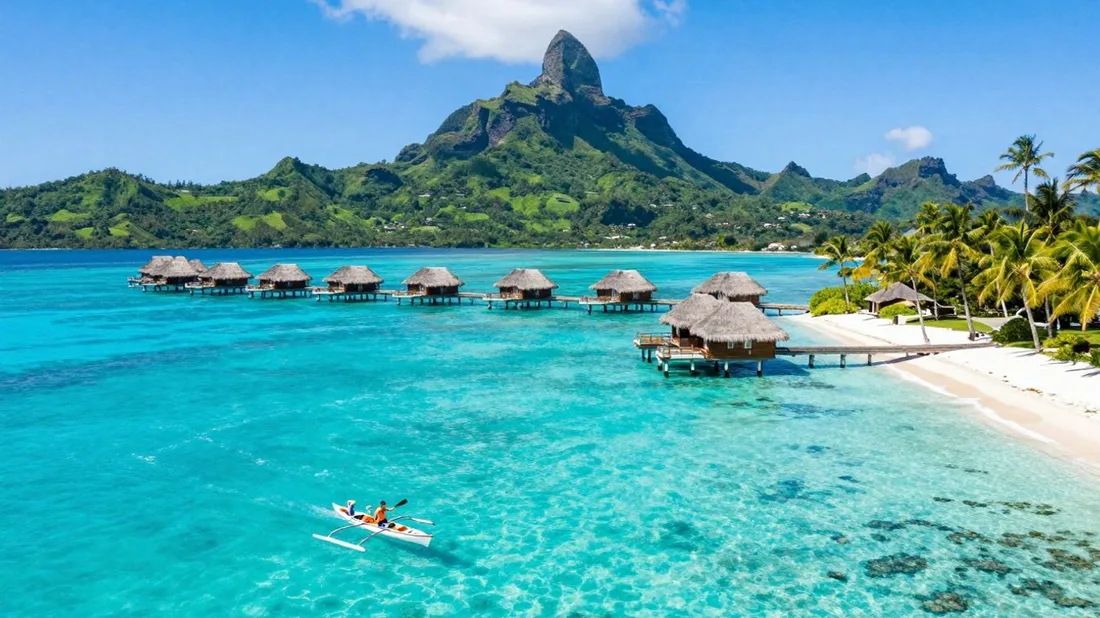
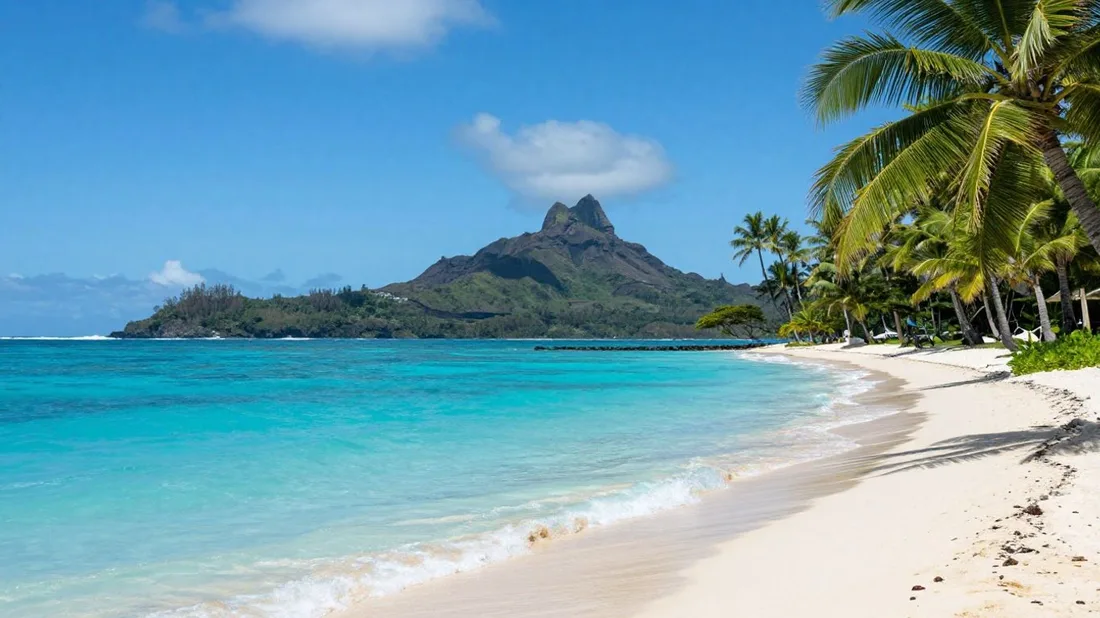
Planning a trip to French Polynesia? It's a dream destination, right? But what if you could experience its beauty while also being kind to the planet and its people? French Polynesia eco-tourism is becoming a real thing, and it's pretty cool. Think staying in places that care about the environment, doing tours that connect you with local culture, and generally just being a more mindful traveler. It’s about making sure this paradise stays beautiful for everyone, for a long time.
Key Takeaways
Many hotels in French Polynesia are stepping up with eco-friendly practices like saving energy and managing waste better.
You can really get to know the islands by joining community-based tours and learning about local traditions directly from the people who live there.
Protecting the amazing underwater world, like coral reefs, is a big deal, and sustainable fishing helps keep it healthy.
Being a responsible traveler means respecting the land and ocean, and even small actions can make a difference.
Choosing eco-conscious travel agencies and understanding the local culture are important steps for a sustainable trip.
Embracing Eco-Friendly Stays
Accommodation choice is one of the biggest environmental decisions on a French Polynesia trip. And thankfully, there are more and more places popping up that really care about the environment and the local communities. It's not just about fancy resorts anymore; it's about finding places that are doing their bit to keep these islands beautiful.
Eco-Responsible Hotels
Lots of hotels and guesthouses here are stepping up their game. They're not just offering a place to sleep; they're actively working to reduce their footprint. This means things like using less energy, managing water carefully, and making sure waste is dealt with properly, often through recycling programs. It’s great to see these places putting sustainability at the forefront of what they do. They understand that protecting the natural beauty is key to their own success and the future of tourism here.
Sustainable Practices in Accommodations
What does this look like in practice? Well, some places are really innovative. You might find hotels that use solar power to light up pathways at night or cool their buildings using seawater. Others focus on returning materials, like glass, back into useful forms. It’s about integrating with the natural surroundings rather than imposing on them. Think buildings designed to blend in with the landscape, using local materials where possible, and minimizing disruption to the local ecosystem. Choosing a place that prioritizes these practices makes your stay feel even better.
The Benefits of Choosing Eco-Conscious Lodging
So, why bother picking an eco-friendly place? For starters, you're directly supporting businesses that are trying to do the right thing. Your money goes towards conservation efforts and community well-being. Plus, these places often provide a more authentic experience. You might get to learn about local traditions, taste locally sourced food, and connect with the environment in a more meaningful way. It’s a win-win: you get a fantastic vacation, and the islands benefit too. It’s about travel that gives back, not just takes.
Community-Based Ecotours
Forget the big bus tours. Here, it's all about getting up close and personal with the real French Polynesia. Think small groups led by locals who know these islands like the back of their hand. You might find yourself paddling a traditional outrigger canoe through calm lagoons, learning about medicinal plants on a jungle trek, or visiting a pearl farm where you can see how these gems are cultivated. These tours aren't just about seeing; they're about connecting.
Engaging with Local Traditions
This is where the magic really happens. Imagine spending an afternoon learning the steps to a traditional Tahitian dance, or trying your hand at weaving a pandanus leaf basket. Many tours include visits to local villages, giving you a chance to chat with residents, perhaps share a meal, and get a genuine feel for daily life. It’s a way to experience the culture firsthand, not just as an observer.
Here are a few ways to dive into local traditions:
Attend a local dance performance.
Visit a family-run vanilla plantation.
Participate in a cooking class using local ingredients.
Learn about ancient Polynesian navigation techniques.
Supporting Local Economies Through Tourism
When you choose these kinds of experiences, your money goes directly to the people who call French Polynesia home. It helps keep traditions alive and provides livelihoods for families. Instead of a large corporation, you're supporting a local guide, a craftsperson, or a guesthouse owner. It’s a win-win: you get an authentic experience, and the community benefits directly.
Preserving French Polynesia's Marine Wonders
French Polynesia is famous for its amazing underwater life. It's a place where the ocean's health is really important, and there are efforts to keep it that way. Protecting these vibrant ecosystems is key to the islands' future.
Exploring Coral Reef Sanctuaries
Imagine swimming through gardens of colorful coral, with fish darting all around. French Polynesia has some incredible spots for this. Places like Fakarava, a UNESCO biosphere reserve, are protected areas where marine life can really thrive. Bora Bora also has its famous coral gardens. These aren't just pretty sights; they are vital nurseries for fish and a sign of a healthy ocean. It’s like visiting a living museum, but one that needs our care.
Marine Biodiversity Protection Programs
There's a lot going on behind the scenes to look after the sea creatures. Various programs are in place to monitor and protect the different species that call these waters home. This includes research into the health of coral reefs and efforts to reduce any negative impacts from human activity. It’s a continuous effort to make sure that the amazing variety of life in the ocean stays safe and sound. You can find out more about these conservation efforts when you visit marine conservation centers .
Sustainable Fishing Practices
How fish are caught matters a lot for the ocean's balance. Sustainable fishing means catching fish in ways that don't harm the environment or deplete fish populations. This helps keep the food chain intact and ensures that there are enough fish for the future, both for the local communities and for the marine animals that depend on them. It's about being smart with resources so everyone benefits.
Respecting the 'Fenua' (Land and Ocean)
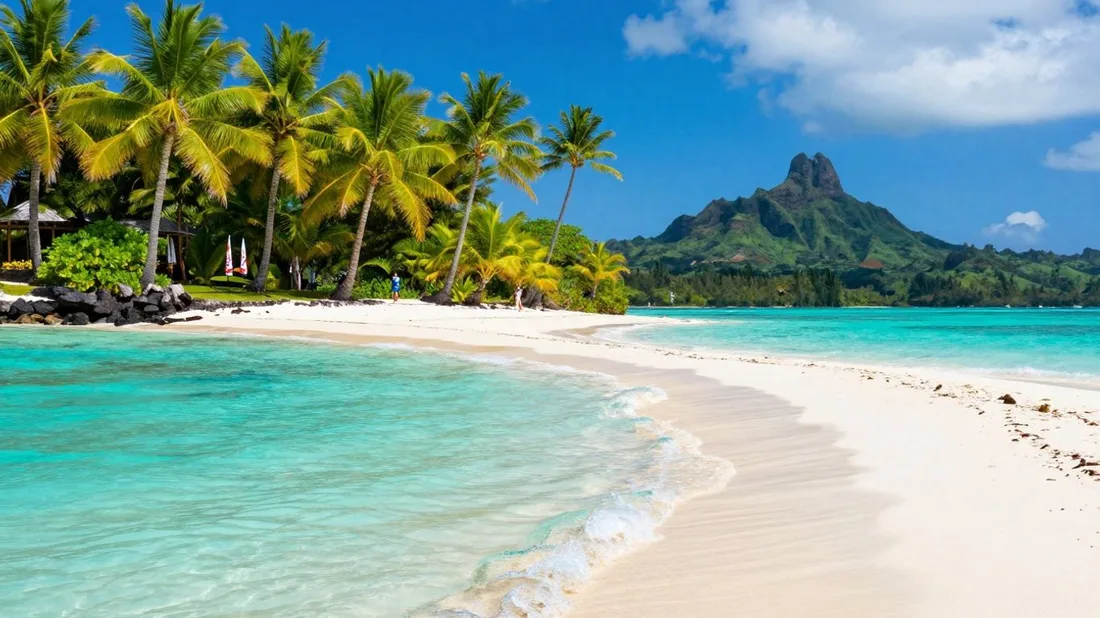
When we visit French Polynesia, we're stepping into a place where the land and ocean, known as the 'fenua', are deeply respected. It's not just scenery; it's a living entity that sustains life and culture. Thinking about future generations means leaving this paradise as beautiful as we found it, if not better. This involves a conscious effort to minimize our footprint and appreciate the delicate balance that exists here. It’s about being a guest who cares, not just a tourist passing through. We can all learn from the local way of life, where sustainability is a natural part of daily living, much like the rain and sun. Planning your trip with this mindset is key.
Simple Gestures for Environmental Protection
It’s the small things that really add up when it comes to protecting the environment. Think about using reef-safe sunscreen – those regular ones can really harm the coral. Also, try to cut down on single-use plastics; bringing your own reusable water bottle and shopping bag makes a big difference. When you're out and about, whether on a boat or a hike, make sure you don't leave any trash behind. It's about being mindful of where you are and treating the natural surroundings with care. Even simple actions like conserving water and electricity in your accommodation contribute to the overall effort.
Use reef-safe sunscreen.
Carry a reusable water bottle.
Pack reusable shopping bags.
Dispose of waste properly, or better yet, pack it out.
The Importance of Responsible Travel Choices
Choosing to travel responsibly means actively seeking out options that support the local community and protect the environment. It's about understanding that our choices have an impact, and opting for eco-conscious hotels or tours that prioritize sustainability. This approach not only helps preserve the natural beauty of French Polynesia but also ensures that the local culture and economy benefit from tourism. It’s a way to experience the islands more authentically, connecting with the people and the place on a deeper level. Making these thoughtful decisions helps ensure that this incredible destination remains a vibrant and healthy place for years to come.
Sustainable Tourism Initiatives
French Polynesia is really stepping up its game when it comes to tourism that doesn't mess things up. It's not just about pretty beaches, you know? They're actively working to make sure visitors have a good time while also looking after the place and the people who live here. It’s a big shift towards quality over just packing in as many tourists as possible.
Empowering Local Communities
This whole idea of sustainable tourism here is built on getting local folks involved. It’s not some top-down thing; it’s a real partnership. When you choose to stay in a local guesthouse or join a community-run tour, you're directly putting money back into the villages. It helps keep traditions alive and gives people a reason to protect their environment. Think about it: if your livelihood depends on a healthy reef or a vibrant forest, you're going to take care of it, right? It’s a smart way to make sure tourism benefits everyone, not just big resorts. You can even support these efforts through donation programs like the HINA Fund, which helps with environmental and community projects.
Promoting Cultural Understanding
Sustainable travel here is also about really connecting with the culture. It’s more than just seeing a dance performance; it’s about learning the stories behind it. Participating in workshops, visiting craft markets, and just chatting with locals gives you a much richer experience. This kind of interaction helps break down barriers and builds respect on both sides. It’s about appreciating the Polynesian way of life, not just observing it from a distance. This approach helps preserve the unique heritage of the islands for future visitors and, more importantly, for the generations to come.
The Role of Travelife Certification
To help guide travelers and businesses, there are certifications like Travelife. It’s basically a way to recognize companies that are serious about being eco-friendly and socially responsible. Travel agencies that are Travelife Partners, like e-TAHITI travel, have met a bunch of standards related to how they run their business, work with suppliers, and communicate with customers. They're committed to offering trips that are good for the environment and respectful of local culture. It’s a good sign if you’re looking for a travel company that’s trying to do things the right way. They're working towards becoming Travelife Certified, which is the highest level, showing a real dedication to improving their practices. This kind of certification helps travelers make informed choices when planning their trip to French Polynesia .
French Polynesia as a Sustainable Destination
French Polynesia is really stepping up when it comes to being a place you can visit without leaving a big footprint. It’s not just about pretty beaches and clear water anymore; there’s a real push to keep things natural and support the people who live here. This commitment means your trip can feel good, knowing you're contributing positively. It’s about experiencing the islands in a way that respects their beauty and culture for years to come. You can find places that really focus on this, making it easier for travelers to make good choices.
Quality Over Quantity in Tourism
Instead of trying to pack in as many visitors as possible, the focus here is shifting towards making each visit more meaningful. This means fewer crowds and a more personal connection with the environment and local life. Think about it: fewer boats in the water, less pressure on the reefs, and more genuine interactions with the islanders. It’s a way to experience the true spirit of the islands without overwhelming them. This approach helps preserve the very things that make French Polynesia so special.
Strategies for a Sustainable Voyage
Planning a trip that’s kind to the environment doesn't have to be complicated. Here are a few ideas to get you started:
Choose accommodations that actively participate in eco-friendly practices, like water conservation or using renewable energy.
Support local businesses by buying crafts directly from artisans and eating at locally-owned restaurants.
Be mindful of waste. Bring a reusable water bottle and try to minimize single-use plastics.
Respect wildlife. Observe marine life from a distance and never touch coral.
When you're looking into different islands, you'll find that places like Tahiti and its islands are increasingly highlighting their sustainable efforts. It’s becoming a core part of their appeal, attracting travelers who want to see the world responsibly.
The Tetiaroa Eco-Resort
When you think of French Polynesia, you might picture overwater bungalows, and while those are lovely, there are places that take eco-consciousness to a whole new level. Tetiaroa, a small atoll north of Tahiti, is one such spot. It's not just a pretty place; it's a living example of how luxury and nature can really work together. The whole idea behind The Brando, the resort there, is to tread lightly on the environment. They've built the villas to blend in with the landscape, not dominate it. Think buildings raised up on stilts to let the natural flow of the land continue underneath. They even use seawater to help cool things down, which is pretty clever.
It's a place where sustainability isn't just a buzzword; it's woven into the fabric of daily life. From turning old glass back into sand to using solar power for lighting paths at night, they're constantly thinking about renewal. It's a real commitment to keeping this special place pristine for years to come. You can explore this amazing atoll and feel good knowing your stay is supporting these efforts. It's a chance to experience paradise without leaving a heavy footprint.
Spa and Wellness Sanctuaries
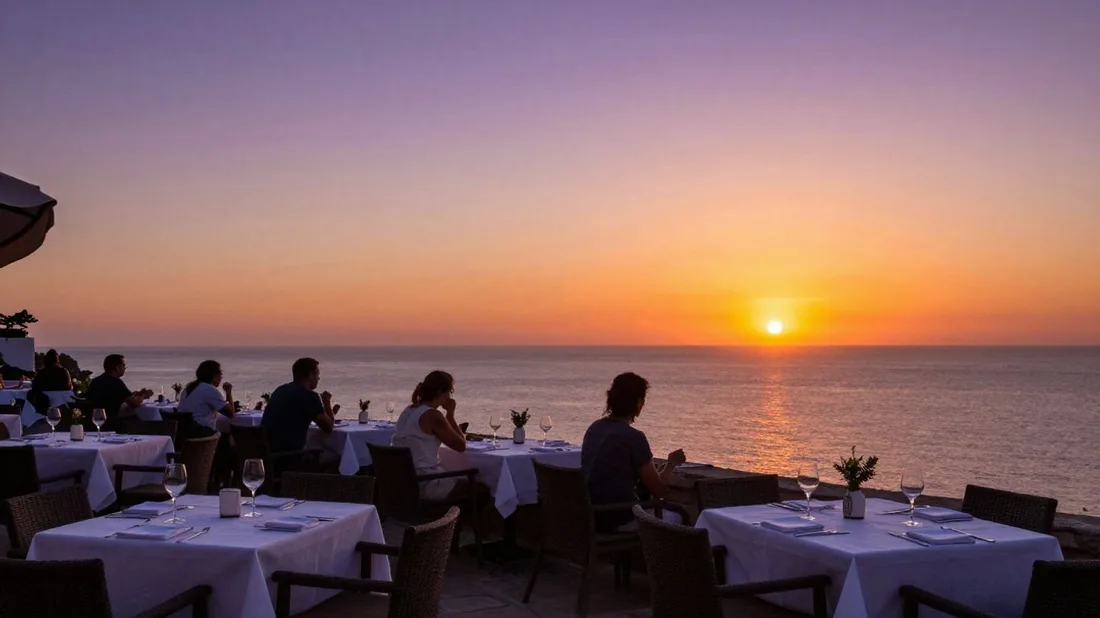
Beyond the stunning natural beauty, many eco-friendly stays in French Polynesia offer wellness experiences that connect you deeply with the environment. Imagine a spa treatment where the oils and ingredients are sourced directly from the island's flora, or a yoga session held on a deck overlooking a tranquil lagoon. These aren't just about pampering; they're about rejuvenation that respects the natural world. Many resorts focus on using local, organic products, bringing the healing power of the islands right to you. It’s a holistic approach to well-being, where the peace you find within mirrors the peace of the surroundings.
Culinary Journeys with Local Flavors
Food is a huge part of any trip, and in French Polynesia, it's also an opportunity to be eco-conscious. Many places are focusing on farm-to-table or ocean-to-plate dining. This means you're eating fresh, seasonal ingredients that haven't traveled thousands of miles. You'll find delicious dishes made with local fruits, vegetables, and fish caught using sustainable methods. It’s a chance to taste the authentic flavors of the islands while supporting local farmers and fishermen. Think about enjoying a meal prepared with breadfruit, taro, or freshly caught parrotfish – it’s a true taste of the Polynesian way of life. This approach not only benefits the environment but also provides a more genuine and flavorful dining experience. You can even find unique island resorts that offer a truly secluded South Pacific escape, like Ninamu Resort with its handcrafted bungalows.
Planning Your Eco-Conscious Journey
Getting ready for a trip to French Polynesia is exciting, and thinking about how to do it responsibly makes it even better. It’s not just about where you go, but how you get there and what you do once you arrive. Making thoughtful choices before you even pack your bags can make a big difference.
Preparing for Your Sustainable Trip
When you're planning, consider the bigger picture. Think about how you'll travel between islands – flights are common, but sometimes ferries are an option. For a trip that covers multiple islands, like a 10-day adventure, it’s good to have a plan. You might want to focus on a few key islands rather than trying to see everything. This approach often leads to a more relaxed and meaningful experience. Remember, French Polynesia has over a hundred islands, so picking a few is smart.
Here are some things to think about:
Transportation: Look into inter-island flights or ferries. Sometimes, fewer flights mean a smaller carbon footprint.
Accommodation: Research places that highlight their eco-friendly practices. Many hotels are working hard to reduce their impact.
Activities: Choose tours and experiences that directly benefit local communities and help preserve the environment.
Packing: Bring reusable water bottles and bags. Consider reef-safe sunscreen to protect the delicate marine life.
Understanding Local Culture and History
French Polynesia is rich in culture and history. Taking a little time to learn about the traditions and customs before you go will help you connect more deeply with the places and people you meet. It’s about showing respect for the 'fenua' – the land and the ocean – which holds great importance for the Polynesians. Understanding local etiquette can prevent misunderstandings and lead to more genuine interactions. For instance, learning a few basic greetings in Tahitian can go a long way.
Choosing Eco-Conscious Travel Agencies
Many travel agencies now focus on sustainable tourism. Partnering with an agency that has a commitment to eco-friendly practices means your trip will likely support local economies and conservation efforts. Some agencies even have certifications that show their dedication. This way, you can be more confident that your travel choices are helping to protect this beautiful destination for the future. It’s a great way to ensure your adventure aligns with your values, and you can find agencies that help you plan your trip with these principles in mind.
Your Eco-Conscious Polynesian Adventure Awaits
So, there you have it. French Polynesia isn't just about stunning views and warm waters; it's also a place where you can travel with a lighter footprint. By choosing places that care for the environment and supporting local communities, your trip becomes more than just a vacation. It's a way to connect with the islands on a deeper level and help keep them beautiful for everyone. It’s pretty cool knowing your stay can actually make a positive difference. Go ahead, plan that trip – paradise is waiting, and it’s ready for you to explore it responsibly.
What does 'eco-friendly' mean when talking about places to stay in French Polynesia?
It means hotels and places to stay try hard to protect the environment. They use less energy, save water, and recycle trash. They want to make sure their business doesn't harm the beautiful nature of French Polynesia.
How can I make sure my trip is good for the environment?
You can choose hotels that care about the planet. Also, try to use eco-friendly sunscreen, don't leave any trash behind, and respect the local culture and nature. Little things can make a big difference!
What are 'community-based ecotours'?
These are tours where local people lead you. You get to see the real culture and nature, and the money you spend goes directly to the people who live there. It's a great way to learn and help the community at the same time.
Why is it important to protect the coral reefs in French Polynesia?
Coral reefs are like underwater cities, full of amazing sea life! Protecting them keeps the ocean healthy and beautiful for everyone, including the fish that local people rely on. It also makes sure visitors can see this underwater wonder.
What is the 'Fenua'?
'Fenua' is a Polynesian word that means land and ocean. It's about respecting everything – the ground, the water, and the life within them. It's a reminder to treat the islands with care.
How does choosing eco-friendly travel help local people?
When you choose eco-friendly options, you often support businesses owned by locals. This means your money helps their families and communities directly. You also get to experience their culture in a more real way.
What is Travelife Certification?
Travelife is like a special stamp of approval for travel companies. It means they are serious about protecting the environment and supporting local communities. If a company has this, you know they are trying to be responsible.
Are there any special eco-friendly resorts in French Polynesia?
Yes, there are! For example, The Brando on Tetiaroa is known for its focus on sustainability. Many places offer unique experiences that are good for the planet and give you a taste of local life and flavors.