So, you're thinking about renting a boat in Tahiti? Awesome choice! French Polynesia boat rentals can seriously level up your vacation. Imagine gliding across crystal-clear waters, discovering hidden coves, and just soaking in that incredible scenery. It sounds like a dream, right? But before you go booking anything, there are a few things you should know. Let's get you prepped for an amazing time on the water.
Key Takeaways
French Polynesia boat rentals offer a unique way to explore the islands, from secluded beaches to vibrant coral reefs.
Consider the size of your group and desired experience when choosing between private charters, yachts, or smaller vessels.
Always check sailing requirements, safety guidelines, and local regulations before you set sail.
Why Tahiti Is Ideal For Boat Rentals
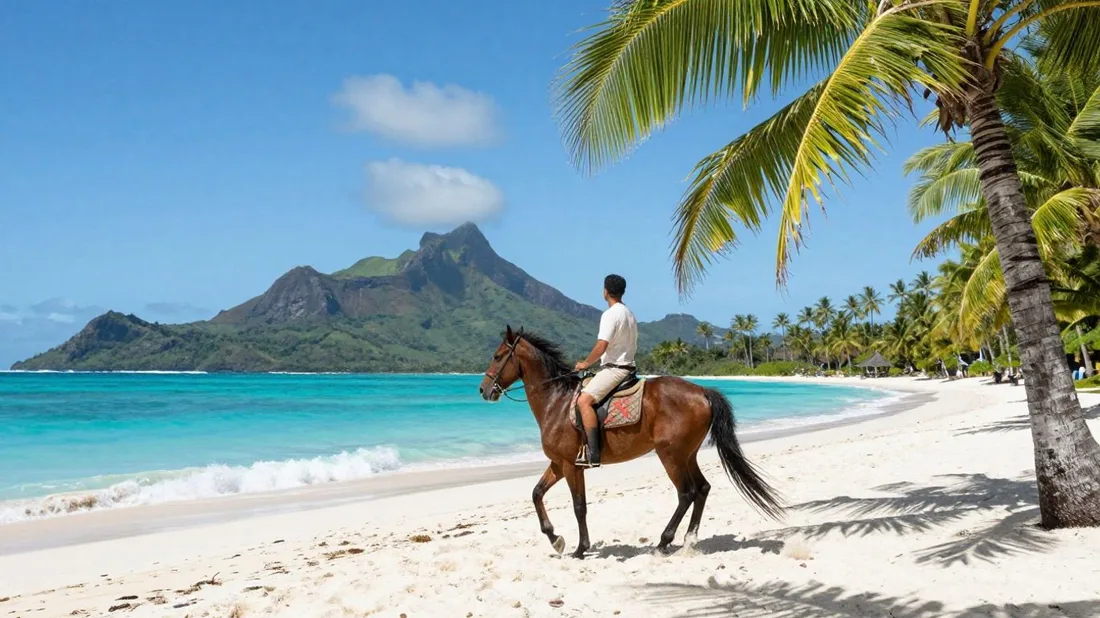
Tahiti, the main island in French Polynesia, is a pretty amazing place to explore by boat. Think dramatic volcanic peaks meeting crystal-clear lagoons – it’s the kind of scenery you see in magazines. Renting a boat here isn't just about getting from point A to point B; it's about unlocking a whole new level of adventure and seeing parts of the islands you just can't reach from land. You can easily find yourself gliding over waters that shimmer with every shade of blue imaginable, with lush green mountains as your backdrop.
Access secluded coves and beaches: Many of the most beautiful spots are only accessible by water, offering a private slice of paradise.
Witness vibrant marine life: The lagoons are teeming with fish and other sea creatures, making for incredible snorkeling and viewing opportunities.
Enjoy unparalleled views: See the iconic volcanic landscapes from a unique perspective on the water.
Renting a boat in Tahiti offers a unique way to experience its stunning natural beauty and hidden gems.
Exploring Secluded Coves By Water
One of the biggest draws of renting a boat in Tahiti is the ability to find those hidden spots that aren't on the typical tour routes. Imagine dropping anchor in a quiet bay, the only sounds being the gentle lapping of waves and the calls of tropical birds. These coves often have calm, shallow waters perfect for a refreshing swim or just relaxing on deck. You might even stumble upon a small, deserted motu (islet) where you can spend the afternoon feeling like you're the only people in the world. It’s these moments of discovery that make a boat trip so special.
Accessing Hidden Islands And Beaches
Beyond the main island of Tahiti, French Polynesia is made up of many smaller islands and atolls, each with its own charm. A boat rental is your ticket to exploring these further afield. You can hop between islands, discovering unique beaches, local villages, and different landscapes. For instance, you could spend a morning snorkeling in the famous coral gardens of Taha'a and then head over to Raiatea to explore its historical sites. This kind of island hopping gives you a much richer picture of what French Polynesia has to offer, far beyond just the postcard-perfect views of Bora Bora. It’s a chance to see the real, diverse beauty of this part of the world, and planning an anniversary trip here could be made so much easier with this kind of freedom.
Navigating Your Boat Rental Options
So, you've decided to explore the stunning waters of Tahiti by boat – smart move! But with so many choices out there, figuring out the right vessel can feel a bit overwhelming. Don't sweat it, though. We'll break down the different ways you can get out on the water, from intimate little dinghies to grander vessels.
Choosing The Right Vessel For Your Group
First things first, think about who's coming with you. Are you planning a romantic escape for two, a fun family day out, or a big celebration with friends? The size and type of boat you need will depend entirely on your crew.
Small Boats (2-4 people): Perfect for couples or small families wanting to explore nearby coves or enjoy a quiet afternoon fishing. These are usually the most budget-friendly options.
Medium Boats (6-10 people): Good for a slightly larger group, offering more space to relax and perhaps a small cabin for shade. Ideal for day trips around the main island.
Large Boats/Catamarans (10+ people): If you've got a bigger party or want more amenities, these are the way to go. Think spacious decks, multiple cabins, and plenty of room for everyone to spread out.
The key is matching the boat's capacity and features to your group's size and planned activities.
Private Charters For Intimate Experiences
If you're dreaming of a truly personal adventure, a private charter is where it's at. This means the boat is all yours for the duration of your rental. You can often customize your itinerary, perhaps spending more time at a particular snorkeling spot or finding that perfect, secluded beach.
Flexibility: Go where you want, when you want.
Personalized Service: Many private charters come with a skipper and sometimes even a crew who can cater to your needs, like preparing a meal or pointing out interesting sights.
Privacy: Enjoy the stunning scenery and your company without the crowds.
This is a fantastic way to experience places like the lagoons of Bora Bora or Moorea without the hustle and bustle. You can even find options for renting a private cabin on a larger boat if you want some privacy but are on a tighter budget.
Yachts For Larger Gatherings And Events
Got a special occasion coming up? A wedding reception, a milestone birthday, or just a big get-together with friends? Chartering a yacht can turn your event into something truly memorable. These larger vessels offer ample space and amenities to host a crowd comfortably.
Capacity: Yachts can accommodate anywhere from 10 to 20 people, sometimes even more, depending on the size.
Amenities: Expect features like comfortable lounging areas, sun decks, sometimes even a small bar or kitchen facilities.
Event Packages: Many charter companies offer packages that can include catering, music, and decorations, making event planning much simpler.
When considering your options, remember to factor in the duration of your trip. Day trips are popular, but multi-day charters can give you a much deeper feel for the islands. For those looking for a different kind of South Pacific adventure, you might also want to compare French Polynesia with other destinations.
Timing Your Nautical Adventure
Deciding when to book your boat trip in Tahiti really matters. You want good weather, but maybe not all the crowds, right? It’s a bit of a balancing act.
Best Weather During The Dry Season
This is their dry season, meaning less rain and more sunshine. The seas tend to be calmer too, which is always a plus when you're out on the water. This period offers the most reliable conditions for enjoying your time sailing and exploring. Think clear skies and gentle breezes – perfect for island hopping or just relaxing on deck.
Navigating Peak Tourist Season
Because the weather is so nice during the dry season, it's also when most people want to visit. If you're planning to be here then, you'll want to book your boat well in advance. Like, really in advance. It’s not a place where you can easily wing it and find a boat last minute, especially during these popular months.
Shoulder Months For Fewer Crowds
If you're looking for a bit more breathing room and maybe a slightly better deal, consider the shoulder months. The weather is usually still pretty good – not quite as guaranteed as the peak dry season, but still very pleasant. The big advantage is that there are fewer tourists. This means you'll likely find more boat availability and a more relaxed atmosphere. It’s a nice way to get a great experience without feeling like you’re constantly surrounded by crowds.
Budgeting For Your French Polynesia Voyage
It’s not exactly a budget destination, but with some smart planning, you can make it work. The biggest chunk of your spending will likely go towards the boat itself.
Estimating Costs For Small Boat Rentals
If you're looking at smaller boats, like sailboats or catamarans for a week, you're probably looking at a starting point of around $3,000. For sailing catamarans, that minimum might creep up to about $4,000 for the week. If you need a skipper because you're not quite ready to handle the reefs and currents on your own, expect to add about $100 to $150 per day for their services.
Pricing For Larger Vessels And Day Trips
Day trips on larger boats can also be pricey, depending on the vessel and the duration.
Luxury Yacht Charter Expenses
For the ultimate indulgence, a luxury yacht charter is where the real money is. These charters come with top-tier amenities, gourmet dining, and often a larger, more specialized crew.
Here's a general idea of what to expect:
Skippered Bareboat: Add $100 - $150 per day for the skipper.
Enhancing Your Onboard Experience
So, you've got your boat sorted and you're ready to hit the water in Tahiti. Awesome! But how do you make sure your time on the boat is more than just a ride from point A to point B? It's all about the little extras, the things that turn a good trip into a truly memorable one. Think about what you want to do when you're out there. Are you looking for pure relaxation, or are you hoping for some action-packed fun?
Adding Water Toys And Sports
This is where things get really fun. Most rental places can hook you up with all sorts of gear to keep everyone entertained. You can usually rent paddleboards, which are great for a gentle paddle around a calm bay. Kayaks are also a popular choice, perfect for exploring shorelines or getting to those hard-to-reach spots. And of course, if you're near any decent reefs, snorkeling gear is a must. Imagine just dropping anchor and immediately jumping in to see the underwater world. Some boats even have built-in platforms that make launching these toys super easy.
Here's a quick rundown of what you might find:
Paddleboards: Good for calm waters, easy to learn.
Kayaks: Great for exploring, getting into small coves.
Snorkel Gear: Masks, fins, and snorkels for underwater viewing.
Fishing Gear: If you fancy trying your luck at catching dinner.
Enjoying Personalized Dining Options
Food is a big part of any vacation, right? If you've gone for a charter with a crew, this is where they really shine. A private chef can whip up meals tailored exactly to your tastes. This often means fresh, local ingredients, especially seafood, prepared with a Polynesian flair. Even if you're doing a bareboat charter, you can still plan your meals ahead. Think about packing some local fruits, cheeses, and maybe some good bread. Grilling fresh fish on board as the sun sets? That's hard to beat.
Utilizing Onboard Amenities
Modern boats come with a surprising number of conveniences. Most will have a sound system, so don't forget to bring an AUX cord or check if they have Bluetooth, just in case your phone doesn't connect wirelessly. You'll also find power outlets, usually European-style (220 volts), so bring adapters if your devices need them. It's worth asking about this when you book. And remember, while there's usually a 12-volt outlet (like a car's cigarette lighter), it's not powerful enough for most laptops or larger electronics.
Essential Sailing Requirements
Before you even think about casting off in Tahiti, it's smart to get a handle on what you'll need to be legally and safely in charge of a boat. It's not just about knowing how to steer; there are some practicalities to sort out.
Understanding Experience Level Necessities
Tahiti is often considered a Level 3 sailing destination. What does that mean for you? This isn't the place for a first-time sailor to learn the ropes. You need to feel really confident and comfortable out there.
Required Licenses And Certifications
To charter a boat yourself, you'll likely need to show proof of your sailing know-how. This usually means having a formal license or certification. Many places accept qualifications like an ICC (International Certificate of Competence) or an RYA Day Skipper certificate, or anything equivalent to that level or higher. If you don't have a formal certificate, don't despair just yet. You might be able to submit a detailed sailing resume that clearly shows your experience. However, be aware that if you go the resume route, it needs to be rated at an 'expert' level to be accepted for chartering in Tahiti.
Bareboat vs. Captained Charters
When you're looking at boat rentals, you'll generally see two main options: bareboat or captained. A bareboat charter means you're renting the boat, and you're responsible for everything – sailing it, navigating, and managing the crew. This is where your experience and licenses come into play. On the other hand, a captained charter includes a professional skipper who handles all the sailing duties. This is a great choice if you want to relax and enjoy the scenery without the responsibility of piloting the boat, or if you don't meet the experience requirements for a bareboat charter.
Here's a quick look at what might be expected:
Formal Qualifications: Look for certifications like ICC or RYA Day Skipper, or equivalent.
Captained Option: If you prefer not to skipper, hiring a captain is a straightforward alternative.
Unrivaled Diving And Snorkeling Spots
Tahiti and its surrounding islands are a wonderland for anyone who loves the water. You can rent a boat and just cruise around, but honestly, you're missing out if you don't get in the water. The coral reefs here are just bursting with color and life. We're talking about schools of fish in every shade imaginable, graceful sea turtles gliding by, and if you're lucky, maybe even a friendly reef shark minding its own business. It’s like swimming in a giant, natural aquarium.
When you're out on your boat, keep an eye out for good spots. Many areas have clear, shallow water perfect for just putting on a mask and fins and seeing what's below. Some of the best spots are often just a short dinghy ride from a quiet cove. You don't need to be a pro diver to enjoy this; snorkeling is fantastic here. The visibility is often incredible, making it easy to spot all sorts of marine creatures.
Here are a few things to look out for:
Vibrant coral formations
Tropical fish like angelfish and butterflyfish
Majestic sea turtles
Occasional rays gliding along the seabed
Fishing Opportunities In Local Waters
If you enjoy fishing, a boat rental gives you the freedom to find your own perfect spot. The waters around French Polynesia are known for their rich fishing grounds. Whether you're after a big game fish or just want to cast a line for some dinner, there are options. You can try trolling for tuna or mahi-mahi, or perhaps try your luck with bottom fishing for snapper. It’s a great way to spend an afternoon, feeling the sun and the sea breeze while waiting for a bite.
Remember to check local regulations regarding fishing, including any catch limits or specific areas where fishing is permitted. Some charter companies might even offer fishing gear as an add-on, or you can bring your own. It’s a relaxing way to connect with the ocean and maybe even catch your own fresh seafood meal.
Organizing Dive Excursions
While many people enjoy snorkeling right from their rented boat, organized dive excursions can take your underwater exploration to another level. If you're a certified diver, you can arrange to be picked up by a dive boat or, if your charter allows, arrange for a dive center to meet you at a specific location.
These excursions often come with experienced guides who know the best spots and can help you spot marine life you might otherwise miss. They handle all the gear and logistics, so you can just focus on the amazing underwater world. It's a fantastic way to experience the full diversity of marine life in Tahiti .
Visiting Black Pearl Farms
Hopping off your boat to visit a black pearl farm is a pretty unique experience you can only really get by water. These farms are often located in more remote lagoons, making boat access super convenient. You get to see firsthand how these beautiful Tahitian black pearls are cultivated, from the oyster to the finished gem. It’s fascinating to learn about the process and the care that goes into it. Plus, you can usually buy pearls directly from the source, which is a nice bonus. It's a chance to connect with a significant part of Polynesian culture and economy.
Exploring Ancient Marae Sites
Many ancient Polynesian sacred sites, known as marae, are found on the islands and some are best reached by boat, especially those on smaller motus or along less accessible coastlines. These historical places offer a glimpse into the spiritual and social life of past generations. Imagine pulling up to a quiet shore, walking inland a bit, and standing where chiefs and priests once held important ceremonies. It’s a really grounding experience and a way to feel connected to the history of these islands. You can find significant sites like the Taputapuatea Marae, a UNESCO World Heritage site, which is easily accessible when cruising the lagoon.
Accessing Local Island Markets
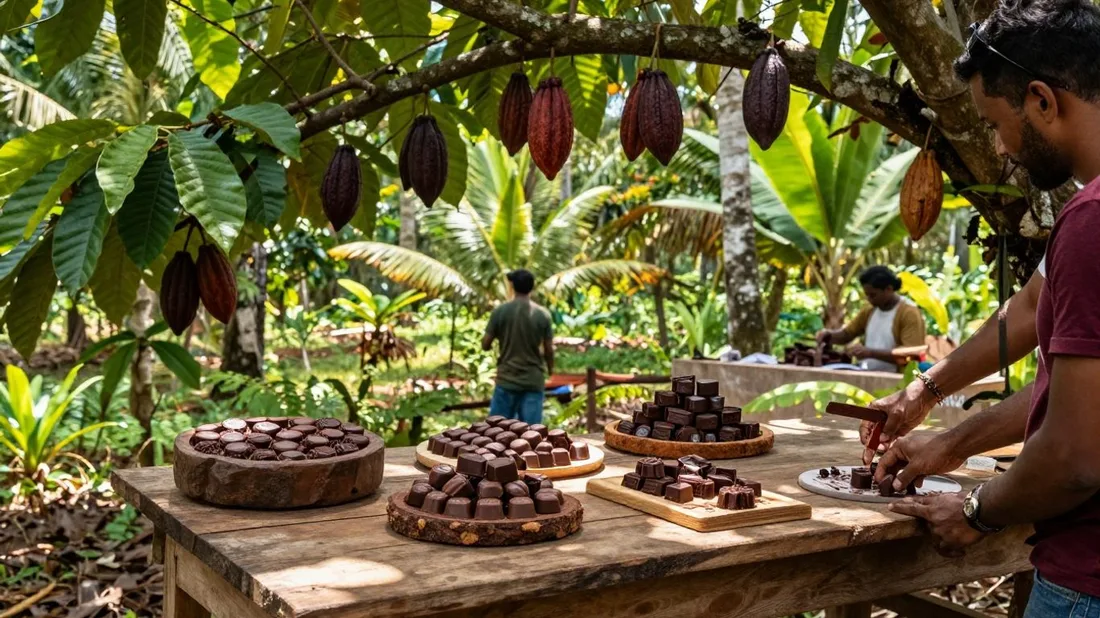
If you want to grab some fresh fruit or local crafts, a boat can be your ticket to smaller island markets that might be tricky to get to otherwise. Picture this: you're out on the water, and you spot a small village. You can just anchor nearby and go ashore to explore the local market. It’s a great way to interact with locals, try some delicious tropical fruits, and maybe pick up a unique souvenir. It feels much more authentic than the bigger tourist spots. You can even arrange for your charter to stop at a market as part of your itinerary, making it a simple addition to your day. Exploring authentic Polynesian traditions through hands-on workshops in Tahiti is also a fantastic way to immerse yourself in the local culture [95fa].
Practical Considerations For Your Charter
So, you've picked out your dream boat and you're ready to set sail around Tahiti and its surrounding islands. That's awesome! But before you cast off, there are a few practical things to sort out. It’s not just about the sailing; it’s about making sure everything else runs smoothly so you can actually relax and enjoy the trip.
Provisioning Essentials And Costs
Think about what you'll need to eat and drink while you're out on the water. Most charters don't come fully stocked, so you'll need to plan your provisions. This can range from basic snacks and water to full gourmet meals if you're planning to cook onboard. Are you packing simple sandwiches or planning multi-course dinners with fresh local ingredients? It's a good idea to make a list beforehand. You can often arrange for provisioning services through your charter company, which can save you time, but it might add to the overall expense. Some people prefer to stop at local markets in Papeete before they leave, which is a great way to get a feel for the local produce and maybe find some unique items. Just remember to pack it all securely so nothing rolls around when the boat is moving.
Understanding Local Currency And Power
When you're out and about, especially on smaller islands, you'll find that not everywhere takes credit cards. Most boats will have a 12V outlet, like a car's cigarette lighter, which is handy for charging phones. If your boat has a generator, you might get 110V or 220V outlets depending on the location, but don't count on it for everything. The standard power is 220 volts AC with European-style plugs, so if you're bringing electronics from elsewhere, you might need adapters. It's always a good idea to check with your charter company about the specific power situation on your vessel.
Navigating Marina Information
Marinas in French Polynesia are a bit different from what you might find elsewhere. While some places have dedicated spots, often you'll be anchoring in bays or using moorings provided by local businesses like restaurants or pearl farms. If you plan to use a mooring, it's usually free for clients of that establishment, but it's polite to ask permission if you're not a customer. It's also worth noting that moorings often belong to specific businesses, so check if they're available for general use or if they're reserved for their patrons. Planning your stops and understanding these local arrangements will make your journey much smoother.
Health And Safety Guidelines
When you're out on the water in Tahiti, staying safe is pretty straightforward, but it's good to know the basics. French Polynesia is generally a healthy place, so major disease worries are low. Still, it's always smart to check with your doctor before you leave, just in case. Your charter company will likely have some travel advice too, and it's worth a look. They'll usually provide life jackets, snorkel vests, and diver down flags right on the boat. Make sure you know where they are and how to use them. If you're traveling with little ones, it's a good idea to bring their own life jackets, as the supply on base can be limited, and you want to make sure they fit well.
Always have a buddy when swimming or snorkeling.
Pay attention to any local flag systems or signage on beaches.
Be aware of currents, as they can be stronger than they look.
Drone Usage Regulations
Thinking about capturing some aerial shots with your drone? You'll need to be aware that drone use can be restricted in certain areas around French Polynesia. It's not a free-for-all. Before you take off, it's really important to check the current regulations. You can usually find this information on official government websites. Flying a drone where it's not allowed could lead to trouble, so do your homework first. It’s best to be informed to avoid any issues during your trip.
Nighttime Sailing Policies
Sailing after dark isn't typically recommended for recreational boaters in Tahiti, especially if you're not super familiar with the area. Visibility drops significantly, and it becomes much harder to spot potential hazards like reefs, other boats, or shallow areas. Most charter companies have policies against nighttime sailing for bareboat charters, meaning you're sailing without a professional captain. If you're on a crewed charter, the captain will make the call based on conditions and safety. It’s all about making sure everyone gets back to shore safely. Stick to daylight hours for the most enjoyable and secure experience on the water. Check local rules before you go.
Ready to Set Sail?
So, you've got the lowdown on renting a boat in Tahiti. It’s a pretty amazing way to see the islands, from hidden coves to those famous black sand beaches. Whether you're dreaming of a quiet day out on the water or a more adventurous trip exploring reefs, there's a boat out there for you. Just remember to book ahead, especially if you're going during the busy season, and keep an eye on your budget. Tahiti's waters are waiting, and a boat is your ticket to an unforgettable island experience. Happy sailing!
What's the best time of year to rent a boat in Tahiti?
The weather is usually sunny with calmer seas, making it perfect for sailing. However, this is also when most tourists visit, so it's a good idea to book your boat in advance.
How much does it cost to rent a boat in Tahiti?
If you're looking for a super fancy experience with a crew, expect to pay much more, starting from about $1,500 a day and going up.
Do I need a special license to rent a boat?
Yes, in French Polynesia, especially for renting a boat yourself (called bareboat charter), you'll likely need proof of experience. They often require a sailing resume showing you have enough experience, or a recognized license like an ICC or RYA Day Skipper. If you're not an experienced sailor, it's much easier and safer to rent a boat with a captain.
What types of boats can I rent?
You have a few options! You can rent smaller boats for just your group, which is great for a more private trip. For bigger celebrations or family vacations, larger yachts are available. Many companies also offer private charters with a captain and crew, which makes for a really relaxed and special experience.
Can I add fun extras to my boat rental?
Absolutely! Many rental companies let you add things like kayaks, paddleboards, or snorkeling gear to your rental. It's a fantastic way to make your time on the water even more exciting. Just be sure to ask about availability when you book.
What should I know about safety on the water?
Safety is super important. Always pay attention to local rules and weather conditions. It's recommended to have at least two people on board if you're sailing yourself. If you plan to sail at night, you usually need special permission and must be back at the dock an hour before sunset unless approved.
Is it possible to visit local attractions by boat?
Definitely! Renting a boat is a perfect way to explore. You can easily visit remote beaches, go snorkeling or diving in amazing spots, check out black pearl farms, or even see ancient historical sites like marae (temples) that are hard to reach by land.
What currency and power supply should I expect?
The money used in French Polynesia is the Pacific Franc (XPF). For electricity, most places use 220V. Boats typically have 12V outlets, like a car's power outlet. If you need to charge devices that use different voltages, you might need a special converter or adapter.
Confirm current details
Confirm the license requirements, permitted lagoon areas, fuel and safety equipment with the rental company before booking.
Use this guide for trip ideas, not a current quotation or a guarantee of access, safety, inclusions or availability. Confirm the requirements and conditions for your dates, destination and provider before booking.