Thinking about visiting French Polynesia? Beyond the stunning beaches and clear blue water, there's a whole world of birds waiting to be discovered. French Polynesia bird sanctuaries offer a unique glimpse into the local wildlife. It's not just about the big-name islands; sometimes the smaller, less-known spots really shine for birding. So, pack your binoculars and get ready to explore some amazing places.
Key Takeaways
Bird Island in Tikehau is a special place, known for its nesting seabirds and unique land crabs, protected by traditional Polynesian practices.
Niau Atoll is the last spot to see the Tuamotu Kingfisher, and the Atoll Fruit Dove is common there.
Rangiroa, the world's largest coral atoll, is home to the Blue Lorikeet and other interesting bird species.
Tahiti and Moorea are good places to look for endemic birds like the Tahiti Monarch and various fruit doves and kingfishers.
Visiting multiple islands like Tahiti, Bora Bora, Moorea, Rangiroa, and Fatu Hiva is recommended to see a wider variety of French Polynesia's unique birds.
1. Bird Island
If you're looking for a place that truly lives up to its name, Bird Island is it. This spot is absolutely packed with feathered friends, making it a top destination for anyone who loves watching birds. The sheer number of seabirds that call this place home is astounding. You'll see thousands of them nesting here every year, and it's particularly famous for its huge populations of Brown and Black Noddies. They really do seem to be everywhere, coating the trees and filling the sky. It's quite a sight.
Beyond the noddies, keep an eye out for Red-footed boobies and the elegant White Terns. What's amazing is how unafraid the birds are. They seem to have a natural curiosity, much like you might find in other famous wildlife spots. This means you can get some incredible photos without needing super-long lenses, though I did bring mine just in case. The connection you feel to nature here is pretty special.
But Bird Island isn't just about the birds in the air. As you move towards the center, the landscape changes to a wetter, marshy area. This is the territory of large Brown Land Crabs. Seeing so many of these big crustaceans scuttling around adds a really unique, almost prehistoric vibe to the place. It’s a fascinating contrast to the avian activity above.
The island itself is beautiful, with lush greenery, palm trees, and forests that sway in the breeze. There are even some trails if you want to explore the local plants. And the water? It's incredibly clear, with vibrant coral reefs just below the surface.
Here's a quick rundown of some of the birds you might spot:
Brown Noddies
Black Noddies
Red-footed Boobies
White Terns
And don't forget the land crabs!
Brown Land Crabs
It's a place where you can really get up close with nature, and it's definitely worth the trip if you appreciate wildlife in its natural setting.
2. Fautaua Waterfall
While Fautaua Waterfall is mostly known for its stunning natural beauty and the refreshing plunge pool at its base, it's also a surprisingly good spot for birdwatching. The dense, tropical greenery surrounding the falls creates a perfect habitat, offering food and shelter for a variety of local bird species.
You might spot the vibrant Grey-green Fruit Dove or the elusive Tahiti Reed-warbler flitting through the trees. Keep an eye out, and you might even catch a glimpse of the rare Tahiti Monarch, a bird found only on this island.
Here are some of the birds you might encounter:
Grey-green Fruit Dove
Tahiti Reed-warbler
Tahiti Monarch
Society Kingfisher
3. Papeete Gardens
While Papeete is the bustling capital, its gardens offer a surprising pocket of tranquility and a chance to spot some local birdlife. These green spaces, often found near the city center, provide a habitat for a variety of species that might surprise you. You can find everything from the brightly colored Tahitian Kingfisher to the more common Java Sparrow flitting among the leaves.
These urban oases are more than just pretty landscaping; they're mini-ecosystems.
Tahitian Kingfisher: Look for its vibrant blue and orange plumage. It's often seen perched on branches, scanning for insects.
Java Sparrow: These small, seed-eating birds are quite social and can often be seen in small flocks.
Red-vented Bulbul: An introduced species, these birds are quite common and can be heard singing their distinctive songs.
It's a good idea to visit these gardens in the morning or late afternoon when the birds are most active. The lush vegetation provides plenty of food and shelter, making it a decent spot for bird watching if you're staying in the city. It's a nice contrast to the busier parts of Papeete, offering a moment of calm.
If you're looking for more extensive natural experiences, consider a trip to Moorea's diverse landscapes . But for a quick dose of nature within the capital, Papeete's gardens are worth a stroll.
4. Tetiaroa Bird Island
Tetiaroa, a small atoll not far from Tahiti, is a real gem for anyone interested in nature. It's made up of about thirteen small islets, called motus, and one of these is particularly special for bird lovers: Bird Island, or Motu Puarua as it's known locally. This place feels like a step back in time, almost like a natural reserve where wildlife is truly king.
It's a vital nesting ground for many seabird species. You can see everything from frigatebirds soaring overhead to boobies and terns going about their business. The island is a testament to the traditional Polynesian practice of Rahui, a system of resource management that has helped keep this ecosystem so healthy for centuries. It's no wonder Jacques Cousteau once called Tetiaroa's lagoon the most fish-rich atoll he'd ever seen.
Visiting Bird Island is best done with a responsible tour operator. These guides know how to show you the wonders of the island without disturbing the birds or the unique land crabs that live there. They help maintain the delicate balance that makes this place so special. It's a chance to see biodiversity thriving, much like the unique environments found in places like Tonga and Samoa .
Here's what you might encounter:
Frigatebirds: Often seen with their distinctive red pouches inflated.
Masked Boobies: Known for their striking white and black plumage.
Great Crested Terns: Graceful seabirds that frequent the waters.
Brown and Black Noddies: These are common nesting birds on the motu.
5. Niau Atoll
Niau Atoll is a pretty special place, mostly because it's one of the last spots where you can find the Tuamotu Kingfisher. It used to be called the Niau Kingfisher, but it got split off from another type that's now extinct. So, yeah, seeing one here is kind of a big deal for bird lovers.
Besides the kingfisher, you'll likely see the Atoll Fruit Dove hanging around. They seem pretty common on Niau. If you're out on the water, keep an eye out for the Tahiti Petrel; they're around in good numbers too.
Here's a quick rundown of what you might spot:
Tuamotu Kingfisher (rare, but this is a key spot)
Atoll Fruit Dove (fairly common)
Tahiti Petrel (often seen at sea)
It's not the biggest or the flashiest atoll, but for anyone interested in birdwatching, Niau offers a unique chance to see species that are hard to find elsewhere in French Polynesia.
6. Rangiroa Atoll
Rangiroa Atoll is pretty mind-blowing, mostly because it's the biggest coral atoll on the planet. Seriously, it's massive. For bird lovers, this place is a real treat. You've got a good shot at spotting the vibrant Blue Lorikeet here, and they seem to be doing quite well population-wise.
Beyond the lorikeets, keep an eye out for some other interesting species. The Grey-backed Tern is often seen, and if you're lucky, you might catch a glimpse of the Bristle-thighed Curlew. Birders also talk about the Tuamotu Reed Warbler being a resident here.
Here's a quick rundown of some birds you might encounter:
Blue Lorikeet
Grey-backed Tern
Bristle-thighed Curlew
Tuamotu Reed Warbler
It's not just about the birds, though. The sheer scale of the atoll itself is something to behold. The water inside the lagoon is usually crystal clear, and the coral formations are just incredible.
7. Makatea Island
Makatea is a bit of a wild card in French Polynesia, a raised coral atoll that feels different from the usual sandy spots. It's known for its rugged terrain and, importantly for bird lovers, it's a hotspot for breeding seabirds. You might spot Tropical Shearwaters out on the water, which is pretty cool.
On land, Makatea has its own unique avian residents. The Makatea Fruit Dove is found here, and it's also one of the places you can still find the Polynesian Imperial Pigeon. This pigeon used to be more widespread, but now it's a special sight to see on islands like this.
While not as famous for its birdlife as some other atolls, Makatea offers a chance to see species that are either endemic to the island or have limited ranges elsewhere. It's a good stop if you're trying to tick off a specific list of birds found in this part of the Pacific.
8. Bora Bora
While Bora Bora is mostly famous for its overwater bungalows and stunning lagoon, it also has a surprising amount to offer bird enthusiasts. The island's lush interior and surrounding motus (small islets) provide habitats for a variety of local and migratory bird species. It's not a dedicated bird sanctuary like some other islands, but if you're visiting for the scenery, keep an eye out for feathered friends.
The most common sightings are often seabirds around the lagoon and coastal areas.
Here are a few things to look out for:
Pacific Reef Heron: You might spot these elegant birds wading in the shallows or perched on rocks.
Common Noddy and Brown Booby: These seabirds are frequently seen around the coral reefs and open water.
Fregatidae (Frigatebirds): Keep your eyes on the sky, especially in the late afternoon, for these impressive flyers with their distinctive forked tails.
Beyond the immediate coastline, the interior mountains and valleys, though less explored by casual visitors, could potentially host other species. However, dedicated birdwatching here usually requires venturing off the beaten path or joining a specialized tour.
9. Tahiti
Tahiti, the largest island in French Polynesia, is more than just the gateway to paradise; it's a destination with its own unique charm and surprisingly diverse birdlife. While many visitors rush to the outer islands, spending some time exploring Tahiti itself can be quite rewarding for bird enthusiasts.
The island's varied landscapes, from coastal areas to mountainous interiors, support a range of species. The Fautaua Waterfall area, for instance, is a lush spot that provides good cover and food for birds. You might spot the Grey-green Fruit Dove or even the endemic Tahiti Reed-warbler here. It's a vibrant habitat that really shows off the island's natural side.
Beyond the wilder areas, even the urban green spaces have their avian residents. The gardens in Papeete, the capital city, are often visited by birds like the colorful Tahitian Kingfisher. You'll also likely see the common Red-vented Bulbul, an introduced species that has become a permanent fixture.
Here are a few places on Tahiti worth checking out for birdwatching:
Fautaua Waterfall: Known for its dense vegetation and scenic beauty, this area is a good bet for spotting native fruit doves and warblers.
Papeete Gardens: These urban oases offer a chance to see kingfishers and other smaller bird species amidst the city bustle.
Mount Aorai Trail: For those willing to hike a bit higher, the trails leading up Tahiti's second-highest peak can reveal different species adapted to the montane forests.
Planning a trip to French Polynesia often involves looking at various island groups, and while Tahiti is the main hub, it's worth remembering that other places like Tuvalu offer a different kind of remote island allure.
10. Moorea
Moorea, often seen as Tahiti's more laid-back sister island, is a fantastic spot for birdwatchers looking for a mix of accessible nature and unique species. While it might not boast the sheer number of endemic birds found on more remote islands, it's still a significant location within the Society Islands' avian landscape. The island's lush valleys and volcanic peaks provide diverse habitats for a variety of birdlife.
When you visit Moorea, keep an eye out for species like the Grey-green Fruit Dove and the Society Kingfisher. There's also a chance, though sometimes debated among ornithologists, to spot a distinct population of the Society Kingfisher that some consider a separate subspecies, occasionally referred to as the "Moorea" Society Kingfisher. The Tahiti Swallow is also a common sight, flitting through the tropical foliage. For those interested in the critically endangered Tahiti Monarch, while more commonly associated with Tahiti, there's always a slim possibility of encountering one if you explore the right areas.
Here are some key birdwatching points for Moorea:
Accessible Habitats: From coastal areas to the interior mountains, Moorea offers varied environments that support different bird species.
Endemic and Near-Endemic Species: While not as rich as some other islands, Moorea hosts species that are significant to the region's biodiversity.
Scenic Beauty: The dramatic volcanic landscape, including Mount Rotui, provides a stunning backdrop for birdwatching.
Getting to Moorea is straightforward, usually involving a short ferry ride or a quick flight from Tahiti. Once there, renting a car or scooter is a great way to explore the island at your own pace, allowing you to stop whenever you spot an interesting bird or a promising habitat. Many visitors find that simply driving around the coastal road and venturing into the valleys yields great sightings. For those looking for a more structured experience, local guides can often point out prime locations for spotting specific species. If you're planning a trip to French Polynesia, consider how the different islands compare, as each offers a unique slice of paradise. Tongatapu, Ha'apai, and Vava'u offer distinct experiences in Tonga, and similarly, each island in French Polynesia has its own avian treasures.
Your Next Adventure Awaits
So, there you have it. French Polynesia is more than just pretty beaches and clear water, though it certainly has those in spades. It’s a place where you can really connect with nature, especially the birds. Whether you're hoping to spot a rare monarch on a remote island or just enjoy the seabirds along the coast, there's something for everyone. Planning a trip might seem a bit much with all the islands, but honestly, picking just a few of these spots will give you a fantastic taste of what French Polynesia has to offer. It’s a trip that stays with you, for sure.
What is the best time of year to visit French Polynesia for birdwatching?
The best time to visit French Polynesia for birdwatching is generally during the dry season, which runs from May to October. The weather is more pleasant, with less rain, making it easier to explore the islands and spot different bird species.
Are there many different kinds of birds in French Polynesia?
French Polynesia doesn't have a huge number of bird species compared to some other places. Most of the birds you'll see are seabirds. There are about 31 types of birds that live only on land, and many of these are found nowhere else in the world!
Which islands are most famous for birdwatching?
Islands like Tikehau (especially Bird Island), Niau, Rangiroa, and Fatu Hiva are known for their unique bird populations. Visiting a few different islands, like Tahiti, Bora Bora, and Moorea, will give you a better chance to see a wider variety of birds.
What are some unique bird species I might see?
You might be lucky enough to see special birds like the Fatu Hiva Monarch, the Tuamotu Kingfisher, the Blue Lorikeet, or the Tahiti Monarch. Many of these birds are found on only one or two islands, making them very rare treasures.
Are there any protected areas for birds in French Polynesia?
Yes, some areas are protected to help the birds. For example, Bird Island in Tikehau is a sanctuary where traditions help protect nesting seabirds. The Marquesan Nature Reserves are also set up to preserve local wildlife.
Can I visit these bird sanctuaries on my own?
Some places, like Bird Island in Tikehau, can be visited with guided tours. It's often recommended to go with a guide who knows the area and can help you spot birds responsibly. Always check local guidelines before you go.
Besides birds, what other wildlife can I see?
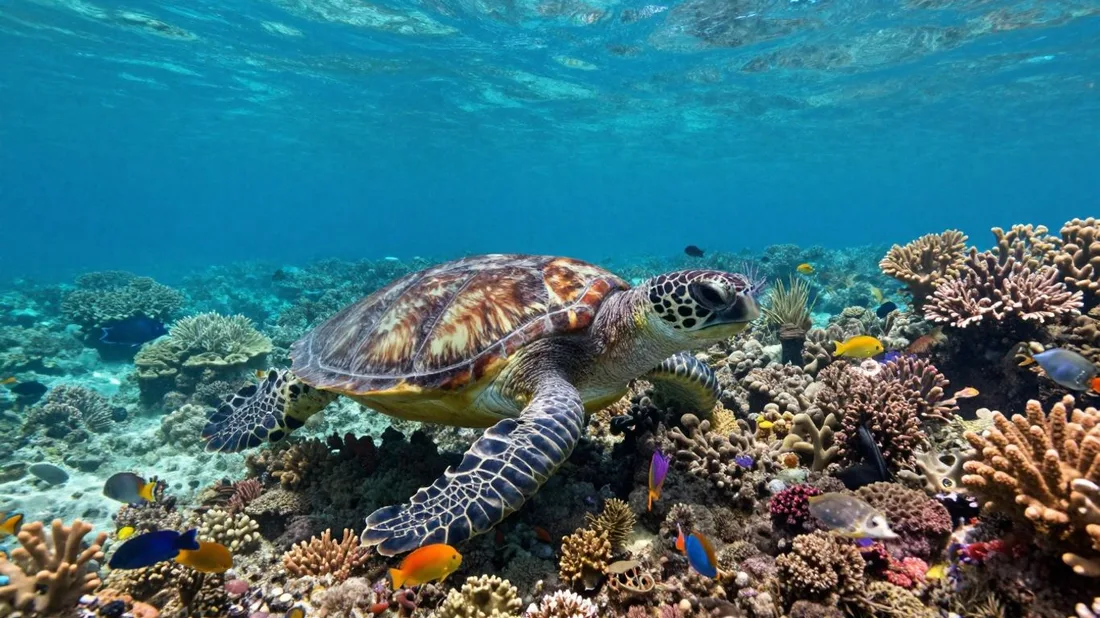
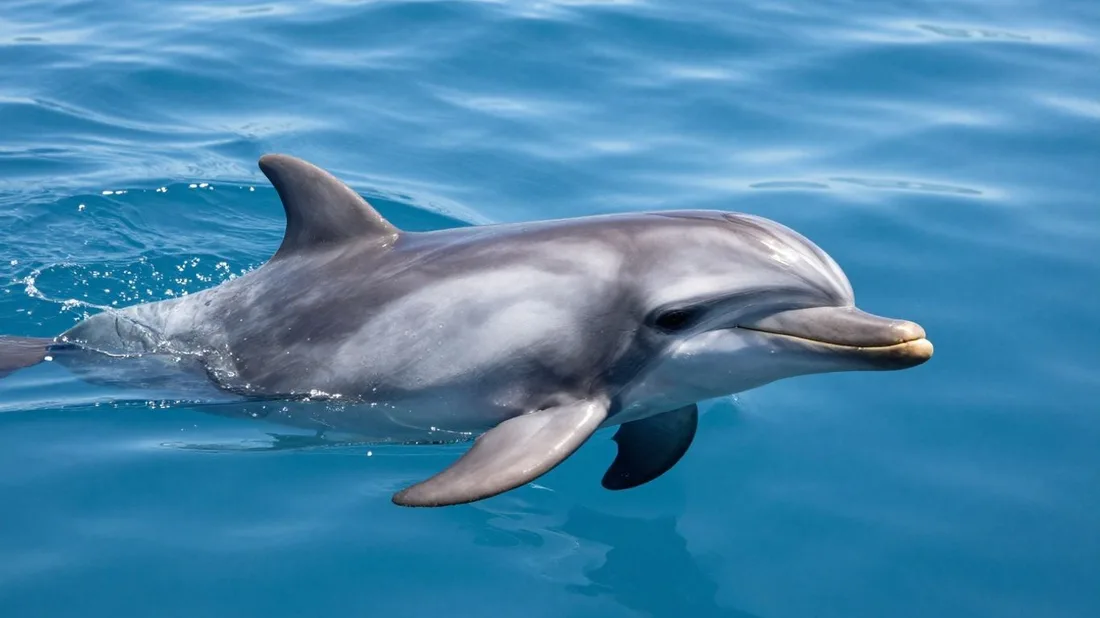
French Polynesia's waters are incredibly rich with marine life. You can see whales, sharks, dolphins, sea turtles (which are very important symbols here), and countless colorful tropical fish. The islands themselves also have unique land crabs.
Is it easy to see endemic birds (birds found only in French Polynesia)?
Seeing endemic birds can be a challenge because many are found on just one specific island. To see a good number of them, you'll likely need to plan visits to several different islands across French Polynesia. It's like a treasure hunt for bird lovers!