Thinking about exploring French Polynesia without breaking the bank? You've come to the right place. While it might seem like a destination for luxury resorts, there are totally ways to backpack through these islands. It’s all about trading fancy hotels for cozy pensions, fast boats for slower ferries, and maybe skipping a fancy meal for some street food. This guide is all about those Tahiti backpacking routes and other islands that won't empty your wallet. We'll cover how to get around, where to stay, and what amazing sights you can see without spending a fortune. Get ready for some incredible adventures!
Key Takeaways
Focus on the ferry routes between Tahiti and Moorea, and the Apetahi Express for the Leeward Societies, to save money compared to flying.
Embrace local pensions and roulottes (food trucks) for affordable accommodation and meals, especially in Papeete.
Consider the Tuamotus for freediving and the Marquesas for dramatic landscapes, but be aware that transport can be less frequent and more costly.
For a budget-friendly experience, prioritize islands like Huahine and Raiatea, and limit expensive activities or stays in places like Bora Bora.
Pack smart: bring a rash guard for sun protection and be prepared for sunset mosquitos, which are a common nuisance.
1. Tahiti And Moorea: The Ferry Spine
Getting between Tahiti and Moorea is super straightforward, and honestly, it's the backbone of any budget trip through the Society Islands. Think of it as the main highway, but with salty air and ocean views.
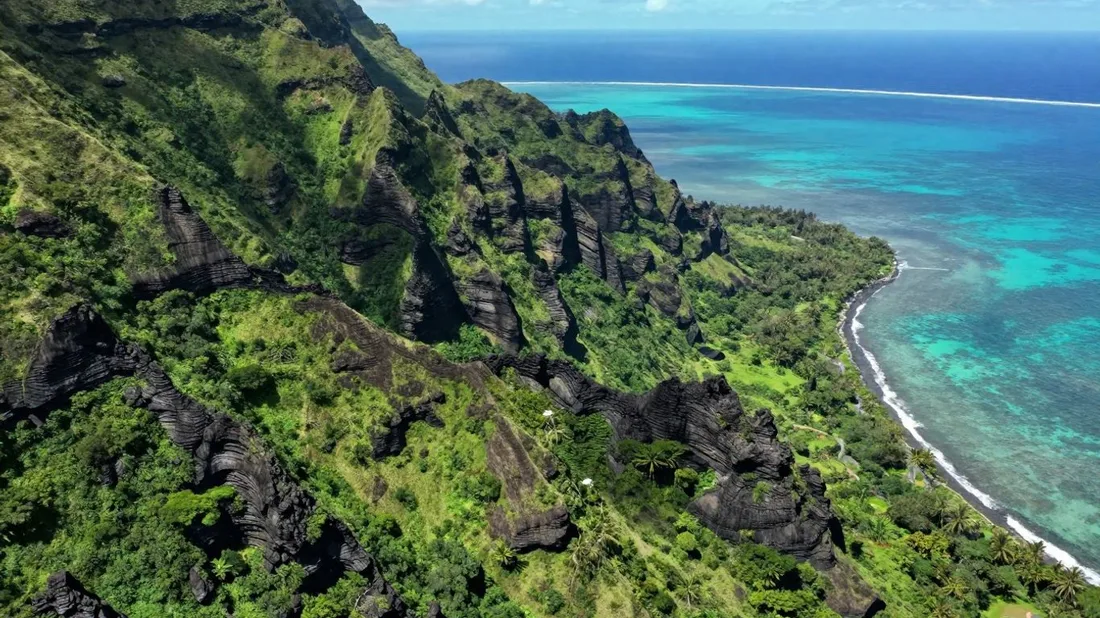
The ferry ride itself is pretty short, usually around 45 minutes, and it’s a great way to start getting into the island vibe. You'll see the dramatic, jagged peaks of Moorea appear on the horizon, which is pretty cool.
Here's a quick rundown of what to expect:
Frequency: Ferries run multiple times a day, so you've got flexibility.
Cost: It's not exactly free, but it's way cheaper than flying between islands. Expect to pay around 3,000 XPF for a one-way ticket.
What to Bring: Pack your camera, obviously. Maybe a book, though you might be too busy looking out at the water.
This ferry connection is your gateway to exploring two very different, yet equally stunning, islands without breaking the bank. Once you're on Moorea, you can rent a scooter and do a full loop around the island, stopping at beaches and viewpoints. Back on Tahiti, you can explore Pape'ete's markets or head inland for some waterfall hikes. It’s a solid starting point for any backpacking adventure in French Polynesia, offering a taste of both the urban bustle and the serene natural beauty.
2. Leeward Societies: Huahine–Raiatea–Taha’a–Bora Bora
Alright, so you've made it to the Leeward Islands, and this is where things get really interesting for the budget-conscious traveler. Think of this chain – Huahine, Raiatea, Taha'a, and Bora Bora – as a more affordable, yet equally stunning, alternative to just blowing all your cash on one spot. The Apetahi Express ferry is your best friend here, connecting these gems without the hefty price tag of inter-island flights. It takes longer, sure, and the rides can be a bit choppy, but the savings are huge.
This is the backbone of a truly immersive Polynesian experience, trading luxury for authenticity.
Here's a rough idea of how you might hop between them:
Huahine: Often called the "Garden Island," it's perfect for renting a bike and just cruising around. You can loop the main island in a few hours, stopping at ancient marae sites and enjoying the quiet.
Raiatea & Taha'a: These two share a lagoon, so you can easily hop between them via local boats from Raiatea's Uturoa. Raiatea has the significant Taputapuatea marae, a UNESCO World Heritage site. Taha'a is all about vanilla plantations and incredible snorkeling, especially around Motu Tautau. You can get a cheap drop-off for snorkeling and catch a later boat back.
Bora Bora: Okay, so this one is a splurge, but you can do it smart. Instead of a fancy overwater bungalow, look for places closer to Matira Beach. Renting a kayak at sunrise is a must-do, letting you experience the famous lagoon without a tour group. It's a different vibe than the other islands, for sure, but worth a night or two if you plan it right.
Getting around this island group is all about embracing the slower pace. You'll spend hours at sea sometimes, but that's part of the adventure. It's a trade-off, but one that pays off in incredible experiences and a lighter wallet. You can find some great deals on accommodations if you book in advance, especially if you opt for local pensions instead of resorts. This whole stretch is a fantastic way to save money on a Tahiti vacation while still seeing some of the most iconic spots.
3. Tuamotus: Freediving And Atolls
The Tuamotu Archipelago is a whole different ballgame from the volcanic islands. Think flat, ring-shaped coral islands, or atolls, scattered across a massive stretch of the Pacific. It’s a place where the lagoon is king, and the ocean just beyond the reef drops off into the deep blue.
This is the spot for anyone who loves the water, especially if you're into freediving or just want to be surrounded by incredible marine life. The visibility here is insane, often stretching for dozens of meters, making it feel like you're flying over coral gardens. You'll see fish in every color imaginable, graceful rays, and if you're lucky, maybe even some dolphins playing.
Getting to the Tuamotus usually means a flight from Tahiti, often to Rangiroa, which is the largest atoll. From there, you can hop between islands, but it’s not as simple as the ferry system in the Society Islands. Think small planes or boats, and you'll want to plan your itinerary carefully.
Here are a few highlights you won't want to miss:
Rangiroa: Known for its two main passes, Tiputa and Avatoru. The Tiputa Pass is famous for its drift dives and the chance to see sharks, dolphins, and manta rays. The Blue Lagoon tour is a must-do, offering a stunning natural pool with baby sharks and a fantastic BBQ lunch.
Fakarava: This atoll is a UNESCO Biosphere Reserve, and for good reason. The South Pass (Tumakohua) is legendary for its 'wall of sharks' during the incoming tide. It's a bit more remote and less developed than Rangiroa, offering a more raw experience.
Tikehau: Famous for its pink sand beaches and incredible birdlife. The lagoon here is also teeming with fish, and it's a great place for snorkeling right off the shore in many spots.
When packing, think light, breathable clothing, reef-safe sunscreen, and a good hat. The sun is intense, and while you'll be in the water a lot, you'll still need protection. And definitely bring a waterproof bag for your camera and essentials when you're out on boat trips.
4. Marquesas: Volcanic Towers And Waterfalls
Forget the calm lagoons for a bit; the Marquesas are a whole different beast. These islands rise dramatically from the ocean, all jagged volcanic peaks and deep, green valleys. It feels wilder here, more remote. You won't find many sandy beaches perfect for lounging, but you will find towering cliffs, ancient stone carvings, and a raw, untamed beauty that's pretty captivating.
Getting to the Marquesas is an adventure in itself. Flights from Tahiti are the quickest but also the priciest option. If you're on a tighter budget and have more time, the Aranui cargo ship offers a unique way to hop between islands, acting as your floating hotel. It's definitely not a budget destination, but the payoff is immense.
Here's a taste of what awaits:
Nuku Hiva: The largest island, known for its dramatic landscapes, wild horses, and impressive wood carvings. Don't miss the ancient archaeological sites.
Hiva Oa: Home to the famous stone tikis at Puamau, including the tallest one, known as Tiki Makaii. It's also where artist Paul Gauguin and singer Jacques Brel are buried.
Fatu Hiva: Often called the most beautiful island, its Bay of Virgins is breathtaking. It's incredibly isolated and offers a glimpse into a more traditional way of life.
Expect to spend a good chunk of your budget on inter-island travel and accommodation, which tends to be more rustic. But honestly, the sheer visual drama and the rich cultural history make it totally worth it if you're looking for something beyond the typical postcard paradise.
5. Papeete: Roulottes And Markets
Papeete, the capital of French Polynesia, is your gateway to the islands and a vibrant hub that backpackers shouldn't miss. It's where you'll find the pulse of local life, especially around its bustling markets and the famous food trucks known as 'roulottes'. This is the place to get a real taste of Polynesian culture beyond the postcard-perfect lagoons.
When you land at Faa'a International Airport (PPT), getting into the city is pretty straightforward. You can hop on the local bus, which is the most budget-friendly option, or grab a taxi if you've got a lot of gear or arrive late. Just remember, the buses run mostly during daylight hours, so plan accordingly.
Where to Eat: The Roulottes
The real magic of Papeete for travelers on a budget happens after sunset. The waterfront at Place Vai'ete transforms into a lively open-air food court. Here, a collection of 'roulottes' – essentially food trucks – serve up a huge variety of dishes. You can find everything from French-inspired crepes and steak frites to local specialties like poisson cru (raw fish marinated in lime and coconut milk) and grilled seafood. It's a fantastic way to sample different flavors without breaking the bank.
Here's a quick look at what you might find:
Seafood: Freshly grilled fish, shrimp, and calamari.
Local Delicacies: Poisson cru, chicken fafa (chicken in coconut sauce).
International Flavors: Burgers, pizzas, crepes, and noodles.
Desserts: Sweet crepes, ice cream, and local fruit tarts.
Exploring the Markets
During the day, Papeete's markets are a feast for the senses. The Municipal Market (Marché Municipal) is a must-visit. It's a great spot to pick up souvenirs, local crafts, pareos (sarongs), and vanilla. You'll also find stalls overflowing with tropical fruits, vegetables, and fragrant flowers. It’s a great place to grab some snacks for your onward journey or just soak in the local atmosphere. You can find some great deals on local crafts here local snacks, fruits, and prepared foods .
Getting Around Papeete
While Papeete itself is walkable, especially the downtown area, getting to the roulottes or exploring further afield might require a bit more planning. The public buses are a good way to get around the main coastal road, but they have limited hours. For more flexibility, consider renting a scooter or a small car, though parking can sometimes be a challenge in the city center.
6. Moorea: Sawtooth Peaks And Ring Road
Moorea, often called the "Magical Island," is a must-visit, especially if you're looking for dramatic landscapes without straying too far from Tahiti. It's easily accessible by a short ferry ride, making it a convenient stop. The island's interior is dominated by jagged, volcanic peaks that look like they were carved by giants, and the best way to experience this is by circling the island on its "Ring Road."
The 60-kilometer (about 37 miles) road hugs the coastline, offering stunning views at every turn. You'll pass through small villages, pineapple plantations, and lush valleys. Renting a car or a scooter is the way to go here, giving you the freedom to stop whenever a view catches your eye or you feel like a dip in the turquoise water.
Here are a few highlights along the way:
Belvedere Lookout: This spot offers postcard-perfect panoramas of Cook's Bay and Opunohu Bay, with the iconic Mount Rotui as a backdrop. It's a bit of a drive up, but totally worth it.
Opunohu Valley: This fertile valley is dotted with ancient marae (sacred sites) and is a great place for a leisurely bike ride or a short hike.
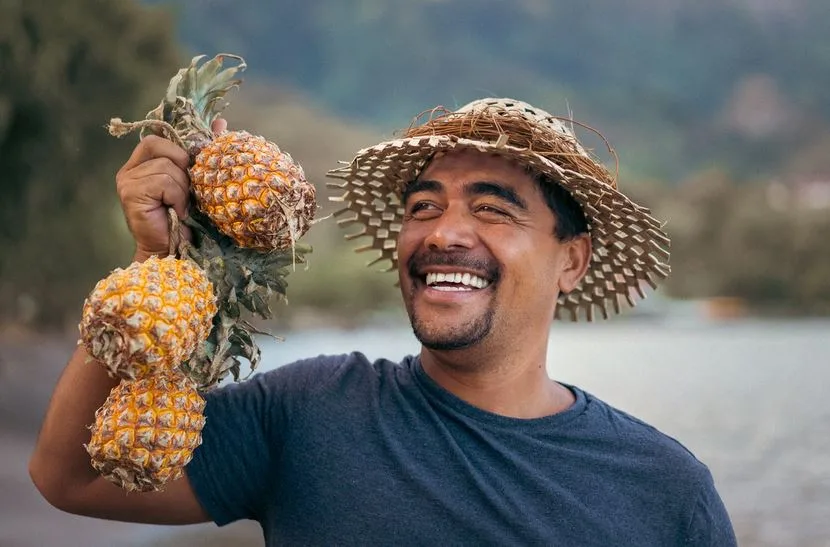
Local Produce Stands: Keep an eye out for roadside stalls selling fresh fruit, especially the famous Moorea pineapples. They're incredibly sweet!
Beyond the ring road, Moorea offers fantastic opportunities for snorkeling and diving in its clear lagoon. You might even spot some manta rays if you're lucky. For the more adventurous, hiking trails lead up into the mountains, promising even more breathtaking vistas.
7. Huahine: Bike Loops And Lagoon Passes
Huahine often gets overlooked, but for backpackers, it's a real gem. It’s less crowded than some of the other islands, and the vibe here is just super chill. You can rent a bike and just go. Seriously, biking around Huahine is one of the best ways to see it. The roads aren't exactly highways, but that's part of the charm. You'll pedal past breadfruit trees, wave at locals, and feel the sea breeze. It’s a great way to get a feel for the island without breaking the bank.
There are a couple of main loops you can do. One takes you around the northern part of the island, hitting places like Fare and Maeva. Another heads south towards Avea Bay. You'll encounter some hills, so be prepared for a bit of a workout, especially when the sun really starts beating down. But the views are totally worth it.
Here’s a quick rundown of what to expect on a bike loop:
Scenery: Lush green landscapes, small villages, and glimpses of the turquoise lagoon.
Effort: Moderate, with some hilly sections. Go early to beat the heat.
Discoveries: You might stumble upon ancient marae (temples) or quiet beaches.
Don't forget to factor in time for the lagoon. You can arrange a boat trip to explore the passes and maybe even snorkel. Some tours will take you to see the famous blue-eyed eels in Faie, which are pretty wild. Others focus on pearl farms or just finding a secluded motu for a picnic. It’s a good idea to book these in advance, especially if you're traveling during peak season. You can often find good deals on lagoon tours in Fare, the main village.
If you're looking for a more budget-friendly option in the Society Islands, Huahine is definitely a strong contender. You can find some decent pensions here that are way cheaper than the fancy hotels elsewhere. It’s a good spot to spend a few days before heading off to Bora Bora or exploring other parts of French Polynesia.
8. Raiatea: Taputapuatea Marae
Raiatea, often called the 'Royal Island,' holds a special place in Polynesian history. It's considered the cradle of Polynesian culture, and at its heart lies the magnificent Taputapuatea marae. This isn't just a pile of old stones; it's a UNESCO World Heritage site and was once the most important religious and ceremonial center in all of Eastern Polynesia. Imagine chiefs and priests gathering here from across the vast Pacific, making important decisions and performing sacred rituals.
Visiting Taputapuatea today offers a profound connection to that ancient past. You can wander through the stone platforms and enclosures, picturing the ceremonies that took place centuries ago. The sheer scale of the place is impressive, with its large coral stone paving and the surrounding natural beauty of the lagoon and mountains.
Here's what you should know before you go:
Getting there: Raiatea is accessible by plane from Tahiti. Taputapuatea is located on the southeast coast, a relatively short drive from the main town of Uturoa.
What to see: Explore the main marae complex, including the sacred platform (marae ahu'oa), the royal seating area (marae anae), and the stone offerings (marae tahua).
Respect the site: Remember this is a sacred place. Stick to the marked paths and avoid touching or removing any stones.
While Taputapuatea is the main draw, Raiatea also offers beautiful natural scenery, including lush mountains and a stunning lagoon, perfect for a more relaxed exploration after soaking in the history.
9. Taha’a: Vanilla And Coral Gardens
Taha’a is often called the 'Vanilla Island,' and for good reason. The air here is thick with the sweet scent of vanilla orchids, and you'll see vines climbing up trees all over the interior. It's a much more laid-back vibe compared to some of its neighbors, making it a great spot to just chill and soak it all in.
The island is famous for its vanilla plantations and black pearl farms. Visiting a vanilla farm is a must. You can learn about the whole process, from pollination by hand to curing the beans. It's fascinating stuff, and you'll definitely want to pick up some vanilla products to take home – the extract is incredible.
Here's a quick rundown of what to expect:
Vanilla Farms: Several family-run farms offer tours. Expect to spend about an hour learning about cultivation.
Pearl Farms: See how Tahitian black pearls are grown and harvested. Some offer opportunities to purchase directly.
Coral Gardens: The snorkeling here is top-notch, especially around the motus off the west coast. You can often arrange boat trips from the main island.
Getting around Taha'a is best done by renting a car or scooter. The main road circles the island, and it's a lovely drive with plenty of scenic spots. You can also find local boats that can take you to different motus for snorkeling or just to relax on a quiet beach.
Don't miss the chance to explore the interior, where the vanilla farms are concentrated. It's a different landscape from the coastal areas, with rolling hills and lush vegetation. If you're looking for a more authentic, less touristy experience in the Society Islands, Taha'a is definitely worth your time. You can find some great snorkeling spots, like the Coral Garden, which is easily accessible by boat from the main island. It's a fantastic place to experience the natural beauty of French Polynesia.
10. Bora Bora: Splurge Night And Lagoon Kayak
Okay, let's talk Bora Bora. It's the postcard image of French Polynesia, right? The place everyone dreams of. And yeah, it's pricey. Like, really pricey. But you can totally do it on a backpacker's budget, you just have to be smart about it.
The key is to prioritize the view and the water, not necessarily the five-star amenities. Think of it as a splurge for a night or two, not your entire stay. Many travelers opt for a single night in an overwater bungalow and then move to more budget-friendly accommodation on the main island. If you're really watching the pennies, consider places like Matira House, which is close to the beach and offers a more basic, but clean, stay.
When it comes to experiencing the lagoon, forget the big, expensive boat tours. Renting a kayak is where it's at. You can launch right from Matira Beach, often at first light, and paddle out to places like the Coral Garden. It's a fraction of the cost and you get to set your own pace. Imagine gliding over that impossibly blue water, seeing blacktip reef sharks cruise beneath you – it’s pretty magical.
Here are a few ways to make Bora Bora work for your wallet:
Kayak the Lagoon: Rent a kayak from Matira Beach and paddle to the Coral Garden. Go at sunrise for the best light and fewer crowds.
Stay Near Matira Beach: This is the only public beach on Bora Bora and offers stunning sunsets. Accommodation here tends to be more affordable than on the private motus (islets).
Consider a Shorter Splurge: If an overwater bungalow is a must, book just one night and then move to a guesthouse or pension on the main island for the rest of your stay.
Pack Snacks: Food costs can add up quickly. Bring some non-perishable snacks from Tahiti to tide you over between meals.
11. Fakarava: Shark Walls And South Pass
Fakarava is a bit of a trek, usually meaning a flight back through Tahiti, but for many, it's totally worth the effort. This place is all about the passes, especially the South Pass, Tetamanu. The incoming tide here turns the whole channel into a wild, moving river of water. It’s a drift-diving paradise, or rather, a drift-snorkeling spot if you’re not certified. You’ll see so many sharks, mostly grey reef sharks, just hanging out. It’s pretty wild.
Getting there takes time and a bit of planning. You’ll likely need to book flights well in advance, and remember that baggage limits on the smaller planes can be strict. Once you're there, accommodation is often in simple pensions, and meal plans are common. Don't expect fancy resorts; this is about the raw natural beauty.
Here’s a quick rundown of what to expect:
Shark Encounters: The South Pass is famous for its sheer number of grey reef sharks. It’s a bit intimidating but also incredibly awe-inspiring.
Currents: The tides create strong currents, which is what makes the drift snorkeling and diving so unique. Always go with a local guide who knows the pass.
Marine Life: Beyond sharks, you'll see barracuda, Napoleon wrasse, and a whole host of other fish.
Accommodation: Expect basic but clean pensions, often with meal packages. Book ahead, especially during peak season.
If you're looking for an adventure that feels a bit more remote and focused on incredible underwater experiences, Fakarava should definitely be on your list. Just be prepared for the journey – it’s part of the Fakarava experience.
12. Maupiti: Mt. Teurafaatiu And Sandbar
Maupiti is often called the 'old Bora Bora,' and for good reason. It’s smaller, less developed, and feels like a step back in time. If you’re looking for an authentic, laid-back vibe without the Bora Bora price tag, this is your spot. Getting here involves a short flight or a ferry ride, and once you're on the main island, life slows way down.
One of the absolute must-dos is the hike up Mount Teurafaatiu. It’s a bit of a scramble, especially in the heat, so starting early is key. The views from the top are incredible, giving you a real sense of the island's shape and the surrounding lagoon.
Here’s a quick rundown for tackling Maupiti:
Hike Mt. Teurafaatiu: Aim for a sunrise start to beat the heat and the sun. It’s a steep climb, but the panoramic views are totally worth the sweat.
Explore the Sandbar: At low tide, a stunning sandbar emerges, connecting the main island to Motu Auira. It’s perfect for a leisurely walk and some amazing photos.
Snorkel the Lagoon: The lagoon is teeming with life. You can often spot manta rays, especially near the passes. Renting a kayak is a great way to explore at your own pace.
Visit Local Pensions: Forget fancy resorts. Maupiti is all about staying in local guesthouses (pensions) for a truly immersive experience.
Don't miss trying some local snacks from places like Snack Vae. The poisson cru (raw fish marinated in lime and coconut milk) is a classic and delicious way to refuel after a day of exploring.
13. Hiva Oa: Tikis And Valleys
Hiva Oa is a bit of a trek, but totally worth it if you're looking for something beyond the usual postcard views. You'll likely fly in, and then your best bet is to grab a 4x4 to really get around. It’s not exactly a smooth ride, so be prepared for some bumpy roads. The main draw here, besides the dramatic landscapes, are the ancient tikis. Puamau is the place to go for these stone figures, and it can easily take up a good chunk of your day.
The air here often carries the scent of fermenting noni fruit and the faint smell of burning coconut husks, a unique aroma that sticks with you. It’s a place that feels raw and ancient.
Here’s a quick rundown of what to expect:
Getting Around: A 4x4 is pretty much a must. Roads can be rough.
Key Sites: Puamau for the tikis, Hanatekuua beach (best reached by boat), and Taaoa’s Upeke platforms.
Local Flavors: Keep an eye out for goat curry at the snack stands near the quay.
While the inter-island flights aren't exactly cheap, Hiva Oa offers a different kind of experience in the Marquesas Islands. It’s a place where you can really connect with the history and the rugged natural beauty. If you're interested in the rich cultural heritage of the region, exploring the ancient sacred sites of the Marquesas Islands is a must-do. Discover these sites for yourself.
14. Teahupo’o: World-Class Surf Break
Alright, let's talk about Teahupo'o. If you're into surfing, or even just watching it, this place is legendary. Located on the southern coast of Tahiti, it's not your average beach break. This is where the ocean really shows off its power.
Teahupo'o is famous for its incredibly thick, heavy barrels that form over a shallow reef. We're talking waves that can reach over 7 meters (23 feet) high, and when they break, they create a solid wall of water that's both terrifying and beautiful to witness. It's a spot that demands respect, and honestly, it's not for beginners. Even experienced surfers can find themselves humbled here.
Here's a quick rundown of what makes Teahupo'o so special:
The Reef: The wave breaks over a coral reef that's only about a meter deep at low tide. This is what gives the wave its unique shape and power.
The Barrel: When the conditions are right, the wave hollows out into a massive, often completely enclosed, tube. Getting barreled here is the dream for many surfers.
The Power: The sheer volume of water moving over the shallow reef creates an immense force. It's known for breaking surfboards and testing even the most skilled riders.
Getting a close-up view of the action is usually done from a boat. Local operators can take you out to the best viewing spots, allowing you to feel the spray and hear the roar of the waves without putting yourself in danger. It's a pretty wild experience, even from a distance.
15. Faarumai Waterfall
If you're on Tahiti and looking for a refreshing break from the heat, the Faarumai Waterfalls are a pretty solid bet. Located on the northeast coast, it's not exactly a strenuous hike to get there, which is nice after a long day of exploring. You'll find three distinct falls, with the main one, Faarumai, being the most impressive and easily accessible.
Getting there involves a short walk through lush greenery, and honestly, the journey itself is part of the charm. The air gets cooler and more humid the closer you get, and you can hear the water before you see it. It's a good spot to just chill for a bit, maybe dip your feet in if you're feeling brave – the water is cool, but not freezing.
Main Fall (Faarumai): The largest and most accessible, with a good pool at its base.
Faaroa Fall: A bit further up, requires a slightly more adventurous path.
Hanavaipopoo Fall: The smallest of the three, often overlooked but still pretty.
It's a nice little excursion, especially if you're already exploring that side of the island. Don't expect anything like Niagara, but for a quick dose of nature and a cool down, Faarumai delivers.
16. Belvedere De Taravao
If you find yourself on the Tahiti peninsula, making the trek up to the Belvedere De Taravao is a pretty solid move. The panoramic views from this spot are seriously something else. It overlooks the Taravao plateau and the lagoon, giving you a real sense of the island's geography. It's not a super strenuous hike, which is a bonus when you're trying to soak in as much as possible without getting totally wiped out.
Getting there is part of the adventure. You'll likely be driving or perhaps taking a guided tour, which can be a good way to get local insights. The road winds up, and with each turn, the scenery just keeps getting better. It’s a great place to stop and just breathe it all in, maybe snap a few photos for the 'gram.
Here’s a quick rundown of what to expect:
The View: Expansive vistas of the lagoon and the plateau.
Accessibility: Generally reachable by vehicle, though the final approach might be a bit rough.
Best Time to Visit: Morning or late afternoon for softer light and fewer crowds.
What to Bring: Water, sunscreen, and your camera.
For those exploring the peninsula, guided tours often include a stop here, making it easy to incorporate into a day of sightseeing.
17. Maui Plage
Maui Plage isn't a specific beach you'll find on a map in French Polynesia, but rather a vibe, a feeling you get when you're just soaking up the sun on a perfect stretch of sand. Think of it as that ideal spot you stumble upon – maybe it's a quiet cove on Moorea, a secluded motu in Bora Bora, or a less-trafficked stretch on Huahine. It's about finding your own slice of paradise.
When you're hunting for your personal Maui Plage, keep these things in mind:
Seclusion: The best spots often require a little effort to reach, whether it's a short hike or a kayak paddle away from the main tourist hubs.
Water Clarity: Look for those calm, clear lagoons where you can see your toes wiggle in the sand and maybe spot some fish darting around.
Shade: While sun is great, finding a palm tree or a natural overhang for a break is key to a long, enjoyable beach day.
Don't expect fancy amenities at your perfect spot. Often, the most memorable beaches are the simplest ones. Pack your own water, some snacks, and maybe a good book. The real luxury here is the peace and quiet, the stunning natural beauty, and the feeling of being completely disconnected from the everyday hustle.
18. Mahana Lodge Hostel
When you're looking for a place to crash that won't totally empty your wallet in French Polynesia, Mahana Lodge Hostel is a solid choice. It's not exactly a sprawling resort, but it offers a decent spot to rest your head after a day of exploring. Think of it as a functional base camp rather than a luxury escape.
This is one of the more budget-friendly accommodation options available, especially if you're comparing it to the pricier hotels and bungalows scattered across the islands.
Here's a quick rundown of what you might find:
Room Types: Usually a mix of private rooms and dorm-style beds. Private rooms offer a bit more space, while dorms are great for solo travelers looking to save cash and meet people.
Common Areas: Expect shared kitchens, which are a lifesaver for making your own meals and cutting down on food costs. There's often a common lounge area too, good for chilling out or chatting with other guests.
Location: Generally situated in areas that provide reasonable access to local transport or points of interest, though it might not always be right on the prime beachfront.
19. Residence Vainau
Residence Vainau is a solid choice if you're looking for a place to stay that won't completely drain your wallet. It's not fancy, mind you, but it gets the job done for backpackers who need a clean, safe spot to rest their heads. Think of it as a functional basecamp rather than a luxury resort.
It's known for being a no-frills option that offers decent value.
Here's a quick rundown of what you might expect:
Rooms: Generally basic, but usually clean. Don't expect plush furnishings, but they'll have the essentials like a bed and a place to store your stuff.
Location: Often situated in areas that are convenient for getting around, though maybe not directly on the most picturesque beach. You'll likely be close enough to amenities or transport links.
Atmosphere: It's usually a pretty straightforward place. People are there to sleep, shower, and then head out to explore the islands. It's not really a social hub, but that can be a good thing if you just want some peace.
20. Sofitel Kia Ora Moorea Beach Resort
If you're looking to treat yourself a bit while still keeping an eye on the backpacker budget, the Sofitel Kia Ora Moorea Beach Resort is a pretty sweet spot. It’s definitely on the pricier side compared to a hostel, but it’s a gorgeous luxury option right on a white sand beach. They’ve got two pools, lovely gardens, and both garden and overwater bungalows if you're feeling fancy. It’s a nice place to splurge for a night or two, especially if you've been roughing it a bit.
This resort offers a more upscale experience on Moorea.
Here's a quick rundown of what you might find:
Accommodation: Garden bungalows, overwater bungalows, beach villas.
Amenities: Pools, private beach access, on-site dining, spa services.
Activities: Snorkeling, kayaking, paddleboarding, exploring the lagoon.
It's a good place to consider if you want a bit of pampering before heading back to simpler accommodations. You can find some pretty amazing photo locations around Moorea, and this resort is certainly one of them. It’s a bit of a contrast to the more rustic pensions, but sometimes a little luxury is exactly what you need on a long trip.
21. Cook Islands: Nearby Alternative
If you're looking for another island paradise that's a bit easier on the wallet than French Polynesia, the Cook Islands are a solid choice. Think of it as a slightly more laid-back, New Zealand-influenced version of island life. Rarotonga, the main island, is where most backpackers end up. It's got a decent ring road you can cycle or scooter around, and you can even hike across it in a day if you're feeling ambitious.
One of the biggest draws is Aitutaki, famous for its stunning lagoon. You can spend your days just chilling on white sand beaches or snorkeling right off the shore. It's pretty amazing how many fish you can see without even needing a boat.
Here's a quick rundown of what to expect:
Getting Around: Rarotonga has a bus service that circles the island, or you can rent a scooter or bike. Aitutaki is smaller and easier to explore on foot or by bike.
Accommodation: You'll find a few hostels on Rarotonga, and some more budget-friendly guesthouses and bungalows on other islands like Aitutaki.
Food: Definitely try the local 'Ika Mata' – raw fish marinated in lime juice and coconut cream. It's super fresh and delicious. Just be aware of ciguatera poisoning if you're eating larger reef fish; it's a real thing and not fun at all.
While you won't find the dramatic volcanic peaks of Tahiti or the Marquesas, the Cook Islands provide a beautiful, accessible slice of the South Pacific. It's a great option if you're looking to extend your trip or want a different island experience without flying halfway across the world. You can find some great deals on flights from New Zealand, making it a popular side trip for those already exploring that region. Remember to sort out your travel documents before you go, just like you would for any international trip.
22. Samoa: Nearby Alternative
If you're looking for another island vibe after French Polynesia, Samoa is a solid choice. It's got that classic Polynesian feel, with really friendly people and some seriously stunning landscapes. Think lush rainforests, dramatic coastlines, and a culture that's deeply connected to the ocean. It's a place where village life still really sets the pace for everything.
Samoa offers a different kind of adventure compared to the more developed tourist spots. You can explore volcanic peaks, hike through dense jungle, or just chill on a beach. The culture here is rich, and it's known as the birthplace of tattooing, which is pretty cool to learn about.
Here are a few things to consider if Samoa is on your radar:
Village Etiquette: Always be respectful when visiting villages. It's common to ask permission before taking photos and to dress modestly when not at the beach.
Local Food: Don't miss out on trying an 'umu', which is a traditional underground oven feast. It's a fantastic way to taste local flavors and experience community.
Outdoor Activities: From exploring waterfalls to learning about local crafts, there's plenty to keep you busy. Guided hikes are a great way to see the interior, and they usually aren't too pricey, often falling between $50 and $150 USD depending on the length and guide services Guided hikes in Samoa .
Getting around can be an adventure in itself, with local buses being a popular and cheap option, though they run on their own schedule. If you're seeking an authentic Pacific experience that feels a bit more raw and less polished than some of its neighbors, Samoa definitely fits the bill.
23. Fiji: Nearby Alternative
If you're looking for another island paradise that's a bit easier on the wallet and the travel time from French Polynesia, Fiji is a solid choice. It's a popular stop for backpackers, partly because it's often included in round-the-world flight tickets, making it accessible from Australia and New Zealand.
Fiji is known for being relatively easy to get around, especially if you stick to the main islands like Viti Levu and Vanua Levu. There are ferry services connecting these, plus routes to other well-loved spots like the Yasawa Islands. These islands, which only opened up to tourism in the 1980s, still feel pretty wild and the locals are incredibly welcoming. Just be prepared for a lot of friendly questions!
What to do there:
Water Sports: Think surfing, and amazing soft coral diving. The surf break Cloudbreak is world-famous, though definitely not for beginners.
Spearfishing: It's a popular activity and a pretty cool way to connect with the ocean.
Street Food: Don't miss out on trying kokoda, a local take on ceviche. You can find some surprisingly good and affordable eats right on the street.
Fiji is probably the most suited place in Oceania for backpacking. While it's beautiful, it's also more budget-friendly and simpler to travel within compared to some of its neighbors. You can explore regions like Pacific Harbour or the Yasawa Islands for a more laid-back experience.
24. Sunset Mosquitos: A Small Downside
So, you've probably pictured yourself watching a glorious sunset over the turquoise waters of French Polynesia, right? Me too. But here's a little heads-up: as the sun dips below the horizon, a different kind of visitor tends to show up – the mosquitos. They seem to really come alive around dusk, and honestly, they can be pretty relentless.
It's not like they're everywhere all the time, but when they decide to make an appearance, they mean business. I found myself swatting away like crazy on more than one occasion, trying to enjoy the evening air. It’s definitely a small annoyance in an otherwise paradise-like setting, but it’s something to be prepared for.
Here’s what I learned:
Timing is everything: Try to wrap up your outdoor activities before the sun fully sets if you want to avoid the worst of it.
Cover up: Long sleeves and pants are your best friends during these twilight hours. It’s way more effective than just slapping on bug spray.
Location matters: Some areas seem to have more than others. Being near still water might mean more buzzing company.
25. Rash Guard: Sun Protection And More
Okay, so you're heading to French Polynesia, and you're probably thinking about swimsuits and maybe a hat. That's all good, but don't forget a rash guard. Seriously. The sun here is no joke, and it can sneak up on you even when you think you're just chilling by the water. A good rash guard is like your personal, portable shade.
Think of it as a lightweight, quick-drying second skin. It's not just for surfers anymore; it's a backpacker's best friend for any water activity. Whether you're snorkeling, kayaking, or just paddling around, it keeps the harsh UV rays off your back and shoulders. Plus, it adds a bit of warmth if the water's a little cooler than you expected, or if a breeze kicks up.
Here's why it's a smart move:
Sunburn Prevention: This is the big one. The equatorial sun is intense, and a rash guard significantly cuts down your exposure. No one wants to spend their trip nursing a lobster-red back.
Chafe Protection: If you're doing any kind of paddling or swimming for a while, the constant friction from a life vest or even just the water can get annoying. A rash guard smooths things out.
Minor Sting Protection: While not a full barrier, it can offer a little buffer against those tiny, annoying jellyfish or bits of coral you might brush against.
Modesty: Sometimes, you just want a bit more coverage without feeling weighed down. It's a comfortable middle ground.
Honestly, I packed one for my trip and ended up wearing it almost every day. It was so much more comfortable than I expected, and I definitely avoided a lot of potential sunburn. Don't be that person who regrets not bringing one!
So, Ready for Your Own Adventure?
Alright, so maybe French Polynesia isn't exactly the cheapest place to throw a backpack around, but honestly, it's totally doable if you play it smart. Forget those fancy resorts and just embrace the local vibe – think pensions, ferries, and eating street food from the roulottes. You'll trade a bit of comfort for some seriously amazing experiences, like watching sharks glide by or just soaking in the slow island pace. It’s a place that really sticks with you, long after you’ve left. So, pack light, keep an open mind, and get ready for an unforgettable trip that’s way more about soul than spending big bucks.
What's the best way to travel between islands in French Polynesia on a budget?
The islands are connected by ferries and short flights. Ferries are usually cheaper and a great way to see the ocean, but they take longer. Flights are quicker but cost more. For a budget trip, try to use ferries as much as possible, especially between Tahiti and Moorea.
Where can I find affordable places to stay?
Look for 'pensions' or guesthouses. These are often family-run and offer a more local experience than big resorts. Some hostels are also available, especially on Tahiti. Booking ahead is a good idea, especially during busy times.
What are some cheap ways to eat well?
Don't miss the 'roulottes'! These are food trucks, especially popular in Papeete, Tahiti, serving delicious and affordable meals. Local markets are also great for fresh fruit and snacks. Many pensions offer 'demi-pension,' which means breakfast and dinner are included, saving you money.
Is it safe to swim or snorkel in French Polynesia?
Yes, it's generally safe. The waters are beautiful! While sharks are present, especially in certain passes like Fakarava, they usually aren't interested in swimmers. Just avoid swimming with bait, and you should be fine. Always be aware of currents, especially in lagoon passes.
What should I pack for a backpacking trip?
Pack light, breathable clothing. Definitely bring a rash guard for sun protection – the sun is very strong! Also, pack insect repellent for the evenings, especially for mosquitoes. Comfortable walking shoes and reef-safe sunscreen are also important.
How much money do I need per day?
This really depends on which islands you visit and how you travel. Islands like Bora Bora are very expensive. However, by staying in pensions, eating at roulottes, and using ferries, you can significantly lower costs. Aiming for around $75-$100 USD per day might be a starting point, but adjust based on your planned activities and island choices.
What are some must-see natural attractions that don't cost a lot?
Many of the most stunning sights are free or low-cost! Think about hiking to waterfalls like Faarumai on Tahiti, exploring the volcanic peaks of Moorea, or biking around islands like Huahine. Visiting local markets and enjoying the beaches are also great free activities.
When is the best time to visit French Polynesia for backpackers?
The dry season, from May to October, is generally considered the best time to visit. The weather is pleasant, with less rain and humidity. However, this is also the peak tourist season, so prices might be higher. The shoulder months can offer a good balance.