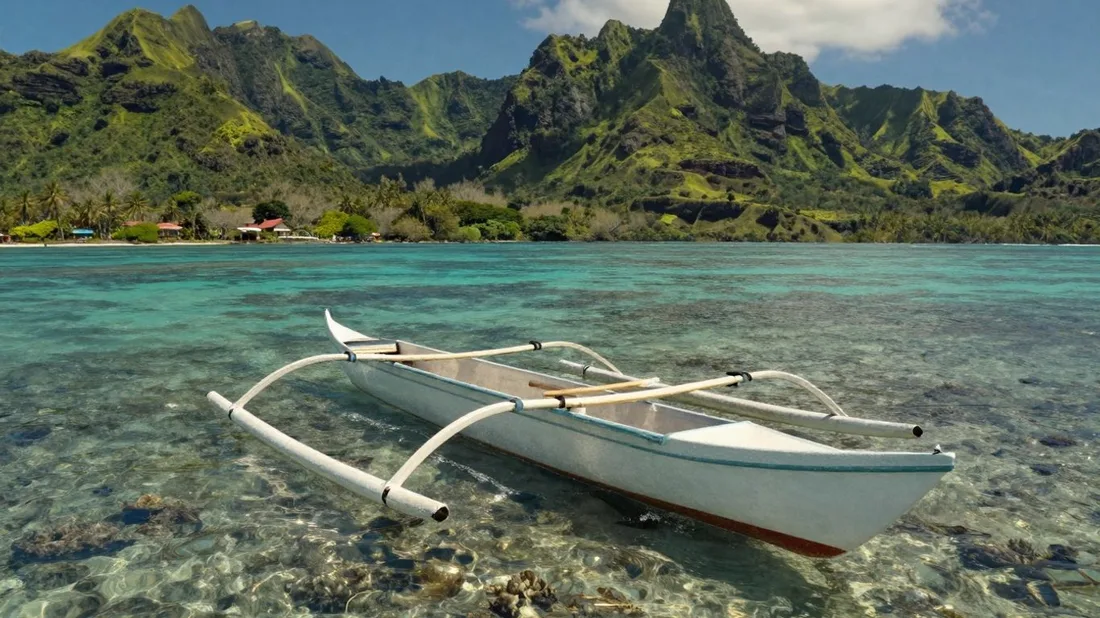
Bora Bora gets all the hype, but let me tell you, French Polynesia is way more than just one island. There are actually 118 islands and atolls scattered across the South Pacific, and many of them are seriously overlooked. If you're looking for that authentic, castaway vibe with stunning lagoons and vibrant culture, you'll want to venture beyond the usual tourist spots. These French Polynesia underrated islands offer a chance to experience real island life, from pink sand beaches to ancient cultural sites, without the crowds.
Key Takeaways
French Polynesia has 118 islands, offering diverse experiences beyond the famous ones.
Underrated islands provide a more authentic and less crowded experience.
Look for islands with pink-hued sands, clear lagoons, and rich local culture.
Consider islands like Raiatea for sailing history or Maupiti for a pre-tourism Bora Bora feel.
Marquesas Islands like Nuku Hiva and Hiva Oa offer rugged landscapes and deep cultural history.
1. Raiatea
Often called the 'Royal Island,' Raiatea holds a special place in Polynesian history and culture. It's considered the spiritual heart of the region, believed to be the starting point for the great Polynesian migrations that settled islands like Hawaii and Easter Island. This rich heritage is palpable when you visit the ancient Marae Taputapuatea, a sacred ceremonial site that once drew pilgrims from across the vast Pacific.
Beyond its historical significance, Raiatea is a paradise for water enthusiasts. It's a top spot for sailing in French Polynesia, with many charter companies based here. The calm, protected lagoon is perfect for exploring by boat, and the island boasts French Polynesia's only navigable river, the Faaroa River. You can kayak or paddleboard your way through lush jungle scenery.
The island is also home to the unique Tiare Apetahi flower, a delicate white bloom found nowhere else on Earth. Hiking up Mount Temehani offers a chance to see this rare flower in its natural habitat, alongside stunning views.
Here's a quick look at what Raiatea offers:
Historical Sites: Explore ancient marae like Taputapuatea.
Water Activities: Sailing, kayaking on the Faaroa River, and exploring the lagoon.
Unique Flora: Search for the endemic Tiare Apetahi flower on Mount Temehani.
Local Culture: Visit the market in Uturoa for handicrafts.
Getting to Raiatea is straightforward, with daily flights from Papeete making it accessible for a visit. It's a place where history, nature, and adventure blend beautifully, offering a more grounded experience compared to some of its more famous neighbors. You can easily combine a trip here with a visit to the nearby island of Taha'a, known for its vanilla plantations. If you're looking for a taste of authentic Polynesian culture and incredible sailing conditions, Raiatea is definitely worth considering for your next trip to French Polynesia .
2. Maupiti
Maupiti is often called the "mini-Bora Bora," and honestly, it really does feel like stepping back in time to a more peaceful version of its famous neighbor. This little island in the Society Islands chain is all about chill vibes and stunning natural beauty, without all the hustle and bustle. If you're looking for a place that feels genuinely Polynesian and lets you just slow down, Maupiti is it.
Getting there is part of the adventure. You'll usually fly in on a small Air Tahiti plane from Papeete. Flights aren't super frequent, so definitely book ahead and be ready to go with the flow if plans need to shift a bit. Once you're there, forget big resorts. The best way to experience Maupiti is by staying in one of the family-run guesthouses, called pensions. They're usually located either in the main village or on one of the smaller islets (motus) surrounding the lagoon. It’s a much more personal and authentic way to see the island.
So, what do you actually do in Maupiti? Well, it's not about ticking off a long list of attractions. It's more about soaking it all in.
Hike Mount Teurafaatiu: This is a must-do. The climb isn't too intense, and the reward is an absolutely breathtaking panoramic view of the entire lagoon and surrounding motus. Seriously, the photos don't even do it justice.
Explore the Lagoon: The water here is incredibly clear and shallow. You can actually walk across parts of it at low tide to reach nearby motus! Renting a kayak is also a fantastic way to paddle around and discover hidden spots.
Visit Tereia Beach: This is widely considered the island's best beach. It's a long stretch of soft, white sand perfect for relaxing and swimming.
Go on a Lagoon Tour: Maupiti is famous for its manta rays. Taking a boat tour is a great way to see these gentle giants up close, and you'll also get to snorkel over vibrant coral gardens teeming with fish.
3. Huahine
Often called the “Garden Island,” Huahine is a bit of a hidden gem in French Polynesia. It’s actually made up of two islands, Huahine Nui (Big Huahine) and Huahine Iti (Little Huahine), connected by a bridge. This place feels like stepping back in time, in the best way possible. It’s lush, green, and has this wonderfully slow pace that’s just… relaxing.
Getting here is pretty straightforward with short flights from Papeete or other nearby islands like Bora Bora or Raiatea. Once you land, you’ll notice the lack of big resorts. Instead, you’ll find charming guesthouses and a real sense of local life.
Huahine is perfect if you're looking for an authentic Polynesian experience away from the usual tourist spots.
Here are a few things you shouldn't miss:
Explore the ancient Marae of Maeva: These are some of the most important archaeological sites in the region, giving you a peek into the island's history. It’s pretty wild to walk among these old stone structures.
Visit Fare town: This is the main village and a good place to get a feel for local life. The Sunday market is a great spot to check out local crafts and food.
Cruise the lagoon: The water here is stunning, and taking a boat tour is a fantastic way to see the island from a different perspective. You might even spot some marine life.
See the ancient stone fish traps: These ingenious traps are still used today and show a deep connection between the people and the natural environment.
4. Tikehau
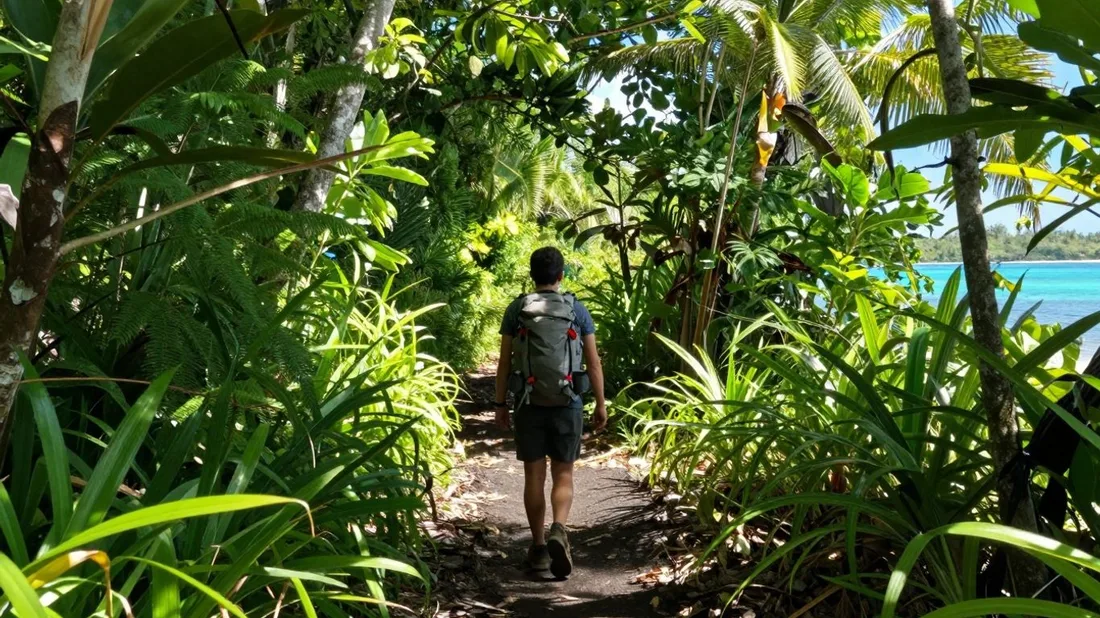
Tikehau is a bit of a hidden gem in the Tuamotu Archipelago, and honestly, it feels like stepping into a postcard. It's basically a ring of coral islets encircling a massive lagoon, and the sand here has this amazing pinkish hue thanks to all the crushed coral. This place is seriously one of the most marine-rich atolls you'll find anywhere.
Getting there usually means a flight from Papeete, and then a boat ride to your accommodation. Many places are super secluded, often on their own little motus, which is pretty cool if you're looking for some peace and quiet. You can rent bikes to get around the main motu, which is a nice way to see the local villages and just soak in the vibe.
What do you even do here? Well, a lagoon tour is pretty much non-negotiable. You'll get to see the incredible marine life up close. Some tours even let you snorkel while fishermen spear their lunch – talk about fresh!
Lagoon Tours: Essential for seeing the atoll's beauty, both above and below the water.
Bird Island: Visit a spot where birds are so comfortable, they don't even bother with nests.
Pink Sand Beaches: Relax on the unique, coral-colored sands.
Pearl Farms: Learn about the cultivation of black pearls.
5. Rangiroa
Rangiroa is pretty wild, being the second-largest atoll on the planet and the biggest lagoon atoll in all of French Polynesia. Seriously, the lagoon here is so massive that the whole island of Tahiti could fit inside it. It's often called the world's biggest natural aquarium, and for good reason – the marine life is just incredible. You'll see dolphins playing in the channels where the lagoon meets the ocean, which is a pretty common sight.
The clear, calm waters are a haven for young black-tipped sharks that hang out near the beaches, and swimming with them is totally safe and a unique experience. Beyond the aquatic wonders, you can find some peace on the deserted pink sands of Les Sables Roses or check out the small village and its church. A boat trip to Ile aux Recifs is also a good idea to see some cool coral formations.
Here are a few things you might want to do:
Cycle through the local villages to get a feel for everyday life.
Visit a pearl farm to see how they're cultured and maybe pick out a souvenir.
Take a boat trip to explore the vast lagoon and its surrounding islets.
Rangiroa is also home to French Polynesia's only winery. Getting here is easy with a short flight from Tahiti, making it a surprisingly accessible escape. For those looking for a unique itinerary, consider a boutique cruise that includes this incredible destination.
6. Ahe
If you're looking for an escape from the usual tourist trail, Ahe might just be your spot. Tucked away in the Tuamotu Archipelago, between Rangiroa and Manihi, this atoll is pretty much untouched. It's the kind of place where you can truly disconnect and just soak in the natural beauty. Forget fancy resorts; Ahe is all about simple, locally run guesthouses. It’s perfect for anyone who wants a digital detox and a chance to get back to basics – think sun, sea, and sand.
What makes Ahe special is its incredibly preserved natural environment. One of the small islands surrounding the lagoon is covered in dense Pisonia Grandis trees. This is one of the last remaining patches of this kind of native forest in French Polynesia, as many other islands cleared their trees for coconut plantations. The locals really protect this lush islet, and it’s a fascinating place to explore.
Here’s what you can expect on Ahe:
Lagoon Life: Spend your days picnicking on sandbanks that pop up in the shallow lagoon. The water is so clear, you can see schools of colorful fish swimming around.
Pearl Farms: Ahe is known for its black pearls. Visiting a local farm is a must-do. You can learn about the cultivation process and maybe even pick up a unique souvenir.
Snorkeling: The lagoon is teeming with marine life. Grab a mask and fins and explore the underwater world right from the shore.
Peace and Quiet: With only a couple of guesthouses, you'll likely have plenty of space to yourself. It’s the ideal destination for quiet contemplation and relaxation.
Getting to Ahe involves a direct flight from Papeete, which takes about an hour. It’s a bit of a journey, but for those seeking an authentic, off-the-beaten-path experience, it’s absolutely worth it.
7. Nuku Hiva
Nuku Hiva is the biggest island in the Marquesas archipelago, and honestly, it feels like stepping onto another planet. It’s not your typical postcard-perfect white sand beach kind of place; instead, think dramatic cliffs, deep valleys, and a wild, untamed beauty that really sticks with you. This island is steeped in history, with ancient sacred sites scattered throughout. You can explore places like the Great Marae of Iipona, which has these massive stone platforms that just make you stop and think about who was here before.
Getting to Nuku Hiva is an adventure in itself. Flights from Papeete take a good chunk of time, making it feel truly remote. It’s the kind of place that rewards the effort, though. The landscapes here are just incredible – think lush green mountains meeting the deep blue Pacific. It’s perfect for anyone who loves to hike or just be out in nature.
Here are a few things you absolutely shouldn't miss:
Taiohae: This is the main town, and it's got a certain charm. You can visit the Notre Dame Cathedral, which is surprisingly beautiful, and explore some local administrative buildings. It’s a good starting point for understanding island life.
Hatiheu Bay: This bay is stunning, with dark sand and dramatic mountains rising behind it. It feels really mystical, and there are significant archaeological remains here, including stone platforms and ancient religious sites.
Road Trip: Renting a car or taking a guided tour to drive around the island is a must. The viewpoints, like Aakapa Bay, offer breathtaking panoramas. You'll see so much of the island's raw beauty this way.
If you're looking for an authentic experience away from the usual tourist trails, Nuku Hiva is definitely worth considering. It’s a place that stays with you long after you leave.
8. Hiva Oa
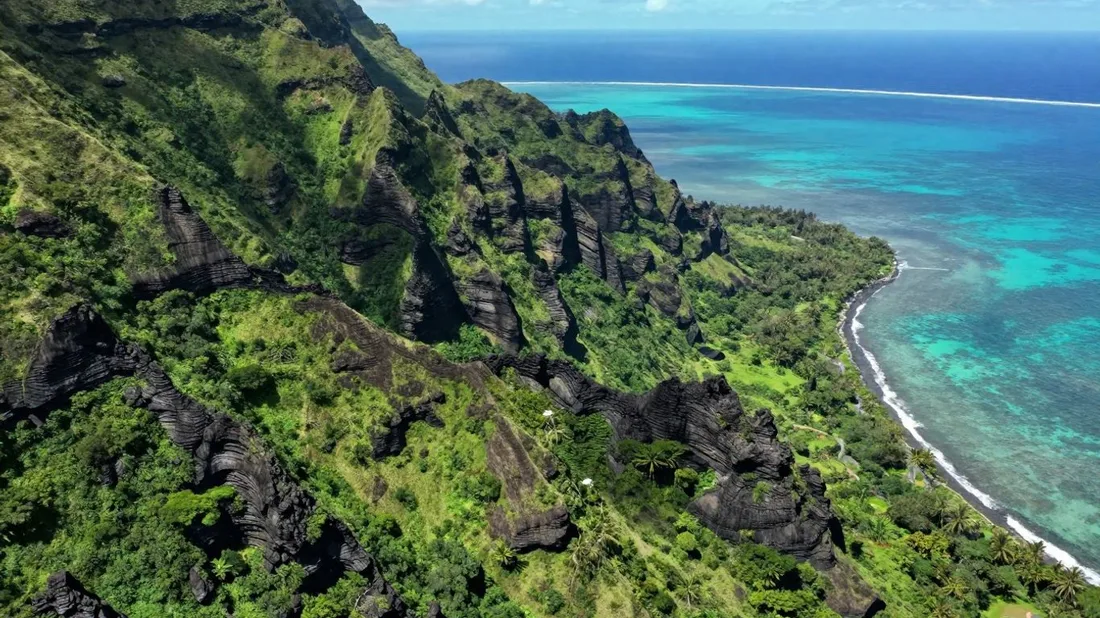
Known as the 'Garden Island,' Hiva Oa is the second largest of the Marquesas Islands and offers a dramatically different experience from the typical French Polynesian atoll. Forget calm, shallow lagoons; this island is rugged, with steep volcanic slopes covered in vibrant tropical flowers and lush vegetation. Wild horses are a common sight, roaming freely on the black sand beaches and through the dense forests. It’s a place that truly calls to the adventurous spirit.
One of the most compelling reasons to visit Hiva Oa is its connection to art history. The main village, Atuona, was once home to the famous French artist Paul Gauguin. You can still visit the colonial store where he used to shop and see a replica of his unique home, the 'Maison du Jouir.' A short walk up the hill leads to the cemetery, where Gauguin is buried under a frangipani tree, his simple tombstone a poignant reminder of his time here. It's a quiet, reflective spot that adds a layer of cultural depth to the island's wild beauty.
Getting to Hiva Oa requires a bit more effort, but the reward is an authentic experience far from the usual tourist trails. You can fly directly from Papeete, a journey of about three hours and twenty minutes, or opt for a more unique adventure aboard the Aranui 5, a passenger and cargo ship that sails between the Marquesas Islands. This journey offers a glimpse into local life and the logistics of these remote islands.
Explore Atuona: Visit the Gauguin Museum and wander through the village.
Discover ancient sites: Seek out the island's archaeological treasures.
Hike the dramatic landscapes: Embrace the rugged terrain and stunning viewpoints.
9. Fakarava
Fakarava is a place that really sticks with you. It's part of the Tuamotu Archipelago and honestly, it feels like stepping into another world. This atoll is huge, and its lagoon is the second largest in all of French Polynesia. What makes Fakarava so special is that it's a UNESCO Biosphere Reserve. This means it's protected for its amazing wildlife, both on land and in the water. You'll find an incredible amount of marine life here, making it a dream for anyone who loves the ocean.
Getting to Fakarava is pretty straightforward, with flights from Papeete. Once you're there, don't expect big resorts. The charm of Fakarava is its quiet, untouched feel. Most visitors stay in local guesthouses, which really adds to the authentic experience. It’s the kind of place where you can truly disconnect and just soak in the natural beauty.
Here are a few things you absolutely shouldn't miss:
Green Lagoon (Motu Teahatea): Imagine a natural swimming pool, crystal clear and surrounded by palm trees. It's full of fish and even blacktip sharks, with healthy coral all around.
PK-9 Beach: This is what you picture when you think of a wild, beautiful beach. It's a long stretch of white sand with palm trees leaning over the turquoise water, about 9km from the main village.
Pearl Farm Visit: Pearl farming is a big deal in the Tuamotus. Visiting a farm, like Havaiki, is fascinating. You can learn how they harvest pearls and even try your luck with a pearl lottery – picking an oyster yourself to see what gem you get. It makes for a really unique souvenir.
If you're looking for a destination that feels remote and brimming with natural wonders, Fakarava is definitely worth considering. It's a place that offers a genuine escape and a deep connection with nature. You can find more information about visiting this incredible UNESCO Biosphere Reserve online.
Beyond the Postcards
So there you have it – a peek into some of French Polynesia's quieter corners. While Bora Bora and Tahiti get all the attention, these other islands offer something pretty special. It’s about finding those spots where life moves a little slower, the crowds are thin, and you can really feel the vibe of the place. Whether you're after amazing underwater sights, a taste of local life, or just a really peaceful escape, these islands deliver. Don't be afraid to venture off the usual path; you might just find your own slice of paradise that feels truly yours.
What makes French Polynesia special?
French Polynesia is a collection of over 100 islands in the South Pacific. Many of these islands are not very crowded with tourists, so you can find quiet spots with beautiful beaches, clear blue water, and a real sense of local culture. It's a great place to see amazing nature and relax.
Is it hard to travel between the islands?
Getting around can take some planning. Flights between islands aren't always every day, so it's good to look at flight schedules ahead of time and be a little flexible with your plans. Some islands are easier to reach than others.
What kind of activities can I do in French Polynesia?
There are many fun things to do! You can go swimming, snorkeling, and diving in the amazing blue waters to see colorful fish and other sea life. Hiking in the lush green mountains, exploring ancient ruins, and learning about local traditions are also popular activities.
Are the islands all the same?
No, each island is different! Some are mountainous with tall peaks, while others are flat coral islands called atolls. Some have white sand beaches, and others have pink or black sand. This variety makes exploring French Polynesia exciting.
What is 'Mana'?
'Mana' is a Polynesian word that means a special life force or spirit. Many visitors feel this energy on the islands, especially in places with strong traditions or beautiful nature. It's a feeling of peace and connection.
Can I experience local culture?
Yes, definitely! Staying in family-run guesthouses, eating home-cooked meals, and visiting local villages are great ways to experience Polynesian life. Some islands have ancient temples and traditional shows that offer a glimpse into the past.
What should I pack for a trip to French Polynesia?
You'll want light, breathable clothing, swimwear, sunscreen, a hat, and insect repellent. Comfortable walking shoes are good for exploring, and maybe a light rain jacket. Don't forget your camera to capture the stunning scenery!
Are the less-known islands safe for tourists?
Yes, the smaller, less-visited islands are generally very safe and welcoming. The focus is often on nature and local life, and visitors are usually treated with kindness. It's always smart to be aware of your surroundings, but these islands offer a peaceful experience.