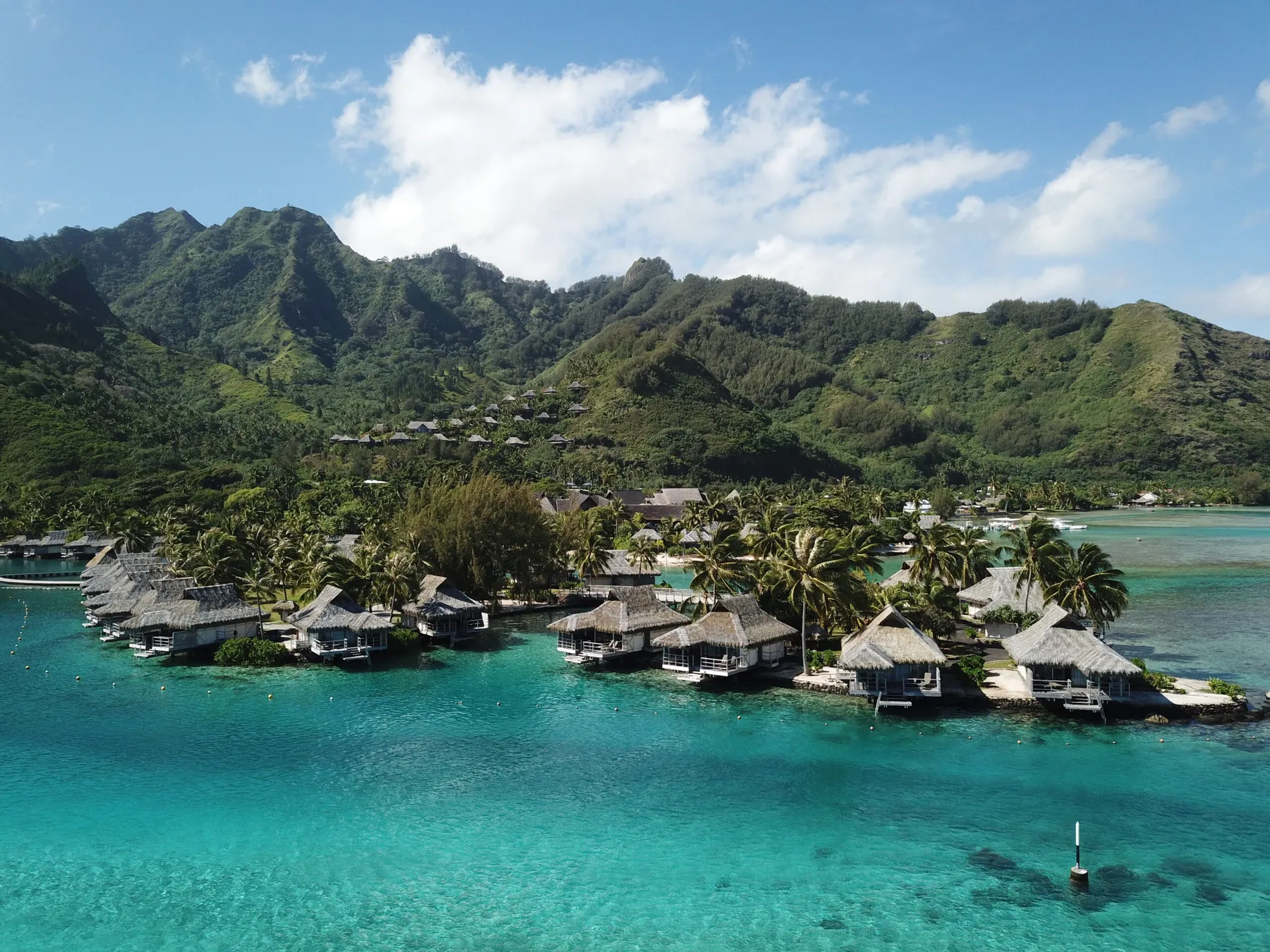
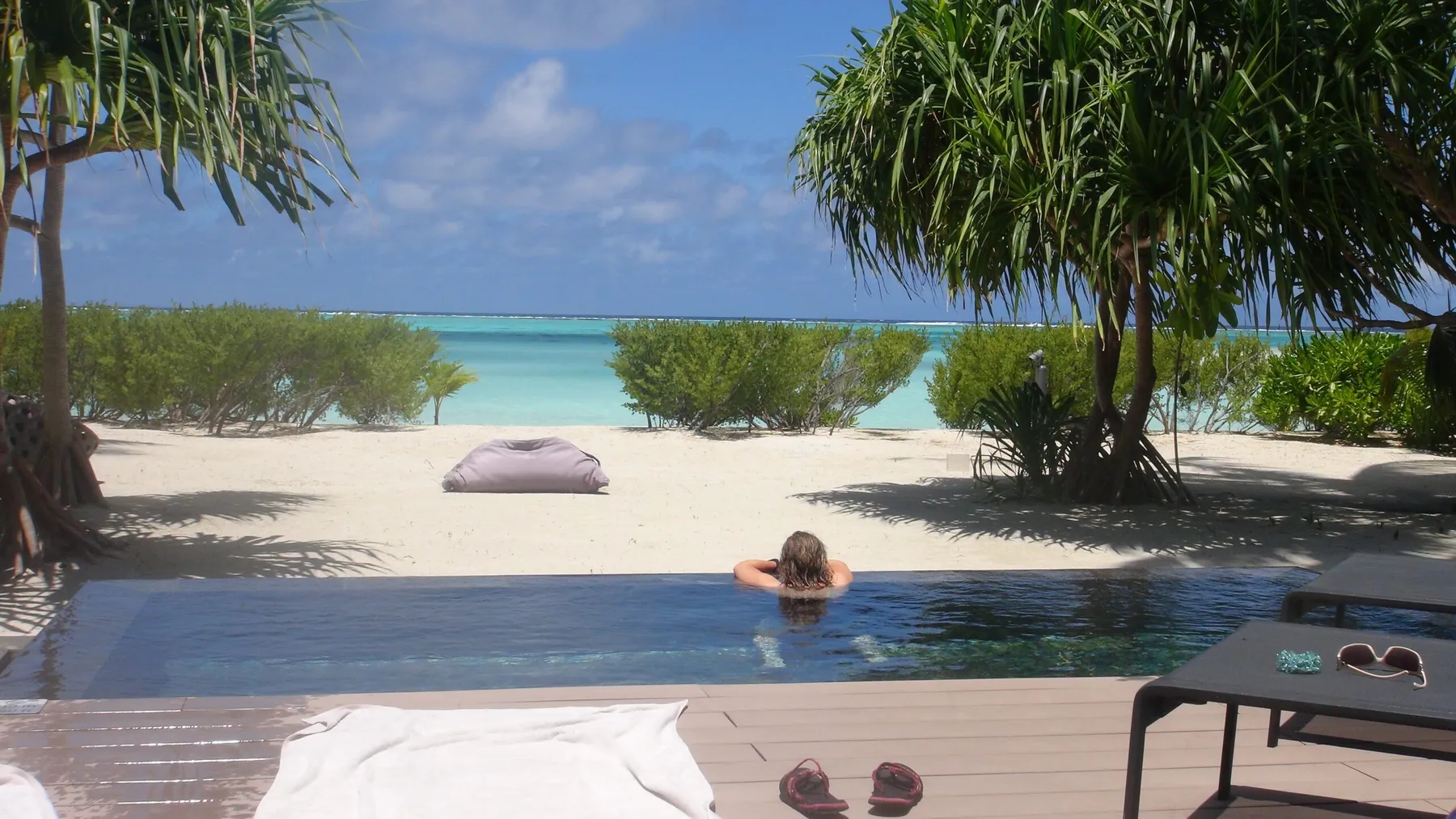
French Polynesia is made up of 118 islands grouped into five archipelagos: the Society, Tuamotu, Marquesas, Austral and Gambier islands. They are scattered across a stretch of ocean often compared in size to Europe, and they differ far more than the postcard images suggest. Some are high volcanic islands with mountains and rivers, others are low coral atolls barely above sea level. Choosing an archipelago is really choosing a style of trip, and this guide explains how each one works for visitors.
High islands and atolls
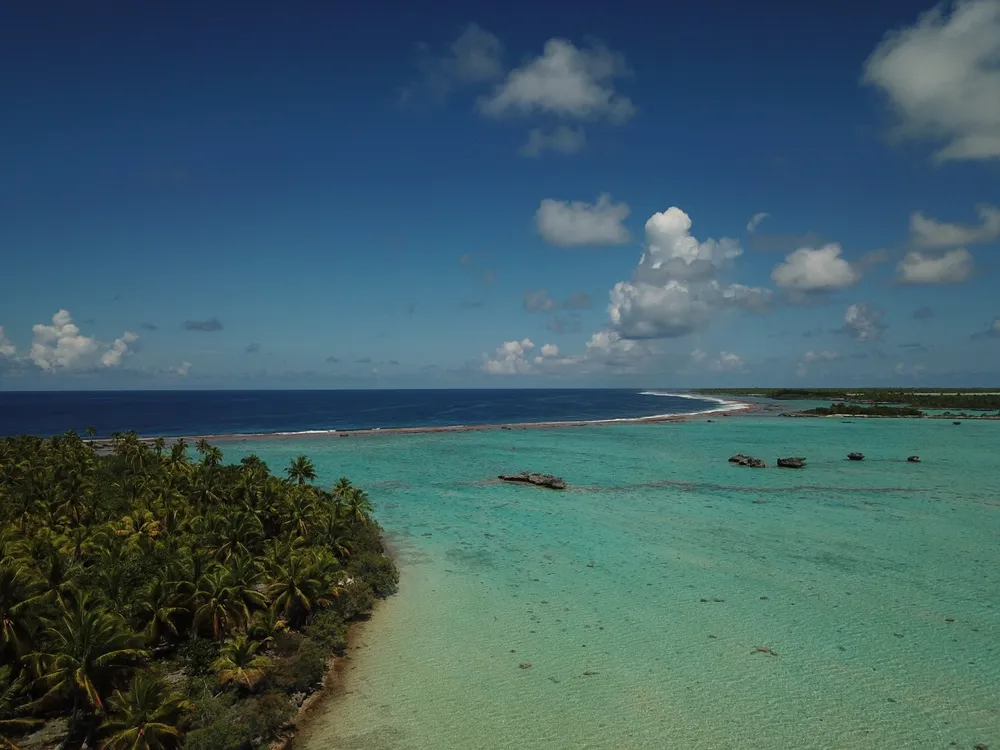
A high island is the eroded peak of an old volcano, ringed by a lagoon and barrier reef: Tahiti, Moorea, Bora Bora and the Marquesas are examples. Expect steep green interiors, waterfalls, hiking, villages along a coast road and black or white sand depending on the coast. An atoll is a ring of low coral islets (motu) around a lagoon, with the volcano long since sunk out of sight. Atolls offer outstanding water, simple roads and a strong sense of space, with fewer land-based activities. Most of the Tuamotus are atolls.
The five archipelagos at a glance
Society Islands
The Society Islands hold most of the population and most visitor accommodation. They divide into the Windward group, including Tahiti, Moorea and Tetiaroa, and the Leeward group: Huahine, Raiatea, Taha'a, Bora Bora and Maupiti. This is where you'll find the widest range of hotels, overwater bungalows, guesthouses, restaurants and excursions, and the shortest connections. Moorea is close enough to Tahiti to reach by ferry; see our Moorea guide. Raiatea's Marae Taputapuātea, inscribed by UNESCO in 2017, is described by Tahiti Tourisme as the birthplace of Polynesian culture.
Tuamotu Islands
The Tuamotus form the largest chain of atolls in the territory, north-east of Tahiti. Rangiroa, whose lagoon is ringed by around 240 islets, Fakarava and Tikehau are the best known. They are a favourite with divers and snorkellers for their passes, sharks, rays and dolphins. Fakarava and several neighbouring atolls form a UNESCO biosphere reserve. Accommodation is mostly in pensions and a handful of small hotels. Our Rangiroa guide explains how a stay on an atoll is organised.
Marquesas Islands
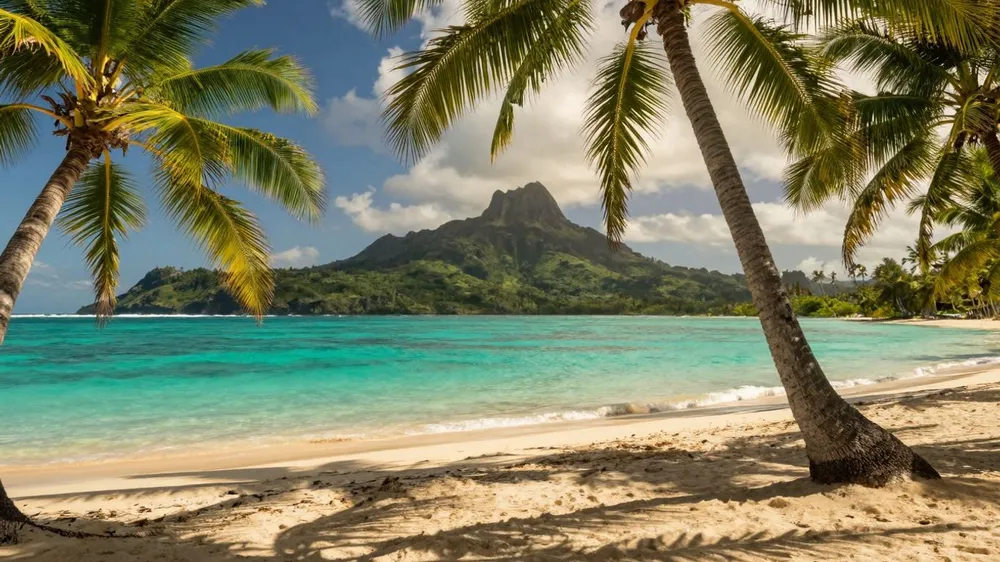
About 1,500 km north-east of Tahiti, the Marquesas, Te Henua 'Enata, are high, rugged islands with few protective lagoons and dramatic coastlines. Nuku Hiva is the largest and the regional centre. Hiva Oa has major tiki sites and the graves of Paul Gauguin and Jacques Brel in Atuona. Ua Pou is known for its basalt pinnacles. The archipelago was added to UNESCO's World Heritage list in 2024 for its landscapes, endemic species and culture. Visitors come for archaeology, carving, hiking and horseback riding rather than beaches; see our Hiva Oa guide.
Austral Islands
South-west of Tahiti, the Austral Islands are cooler, agricultural and very quiet. Tahiti Tourisme describes seven islands, five inhabited, with four served by Air Tahiti. Rurutu is known for its sea cliffs and caves, and for humpback whales between about August and October, which can sometimes be seen from shore. Tubuai and Raivavae have clear lagoons and white beaches, and Rimatara is home to the endangered Kuhl's lorikeet (vini 'ura).
Gambier Islands
The most remote group lies far to the south-east. Mangareva and the smaller islands around it share one lagoon, and life centres on pearl farming and fishing. The Gambiers also have an unusual missionary-era religious heritage. Tahiti Tourisme notes that hundreds of religious buildings were built from coral between 1840 and 1970, including Saint Michel's Cathedral in Rikitea, built in 1848, with an altar decorated in mother-of-pearl.
Make the visit respectful
The further you travel from Tahiti, the smaller the community you're joining. On the outer islands, many families still live from fishing, copra, pearls, farming and crafts, and visitor numbers are low. Ask before entering land around archaeological sites, as many sit on family property, and hire a local guide for marae and tiki sites. Dress modestly in villages, respect Sunday as a day for church and family, and buy crafts directly from carvers and weavers.
Common planning mistakes
- Treating the map as a ferry network. Islands that look close may have no regular passenger boat between them. Most connections run by air through Tahiti, with a few inter-island air routes; the main exceptions are the Tahiti–Moorea ferries, some fast boats to the Leeward Islands and passenger-freighters to remote groups.
- Packing in too many archipelagos. Combining the Society Islands with one other group is a comfortable two-week trip. Adding the Marquesas or Gambiers calls for more time and flexibility.
- Expecting beaches everywhere. The Marquesas are magnificent, but they are not a lagoon-and-sand destination.
Accessibility and individual needs
The Society Islands are the most practical for travellers who need step-free rooms, regular medical services or simpler transfers. Government of Canada advice notes that healthcare is good on the major islands but limited in remote areas, so travellers with medical needs should weigh this before choosing an outer archipelago and should carry insurance that covers evacuation. Atolls are flat, which helps with walking, but boat transfers and small aircraft can be hard with limited mobility. Ask each provider exactly how boarding works.
Matching islands to travellers
- First visit, limited time: Tahiti plus Moorea, then Bora Bora, Huahine or Taha'a.
- Divers and snorkellers: a Society Island stay combined with Rangiroa, Fakarava or Tikehau.
- Culture and hiking: the Marquesas, by air or on the Aranui passenger-freighter, which sails from Papeete.
- Quiet and seasonal whales: Rurutu or Tubuai in the Australs.
- Remote and unusual: the Gambiers, with time built in for limited flights.
After booking
Build the order of islands around the flight network rather than the map; our island-hopping guide shows how. Outer-island flights may run only on certain days, so book them first and fit accommodation around them.