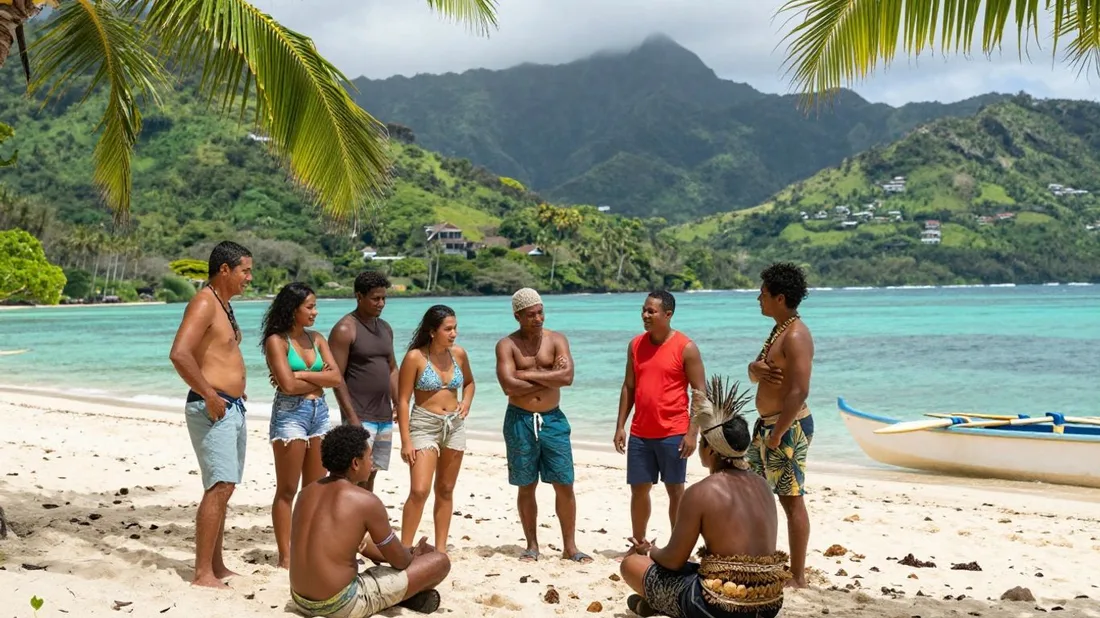
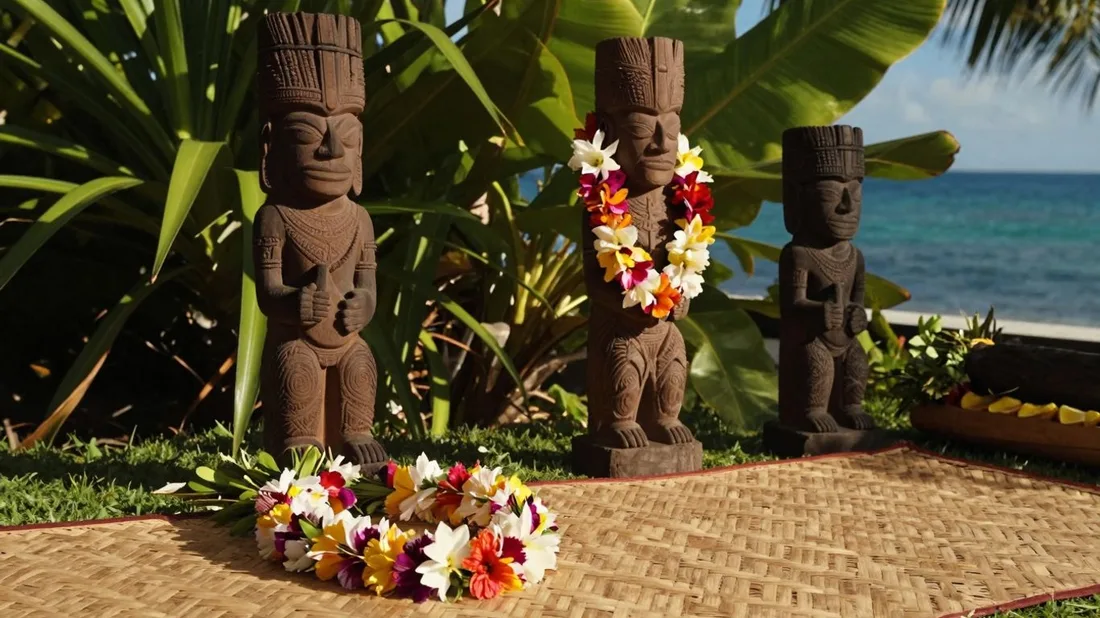
So, you're thinking about Tahiti? Forget just the beaches for a second. There's this whole other side to the islands, a really hands-on, creative vibe that you can totally get into. We're talking about learning traditional crafts, like making these amazing quilts. It's a way to connect with the local culture that goes way beyond just sightseeing. If you're up for something different, something that lets you actually *do* and *make* things, then exploring Tahitian quilt making workshops might be exactly what you're looking for.
Key Takeaways
Dive into the art of Tifaifai, a traditional Tahitian quilting style that's like a colorful story stitched onto fabric.
Learn directly from local artisans, the 'māmā' who have kept the Tahitian quilt making traditions alive for generations.
Discover how nature inspires Tifaifai designs, from tropical flowers to local fruits and even traditional tattoo patterns.
Understand the patience and care that goes into hand-stitched Tahitian quilts, appreciating the slow process of creation.
Experience Tifaifai not just as a craft, but as a significant part of island life, used for celebrations and marking identity.
The Art of Tifaifai: A Cultural Tapestry
Tifaifai quilts are more than just covers—they’re a patchwork celebration of Tahiti’s history and daily life. Created with bright colors and carefully cut motifs, each quilt pattern is inspired by what you see around the islands: tropical blooms, vines, even traditional tattoo designs. These quilts don’t follow a strict formula; they can be bold or subtle, large or small, and no two are quite the same. The process involves layering fabric, hand-cutting the desired shapes, then stitching each piece onto the background to make something that’s both personal and meaningful. It’s a craft that encourages creativity while honoring old methods passed down through families.
Patterns often feature local plants: hibiscus, breadfruit leaves, tiare flowers
Designs can represent stories, legends, or even specific family histories
Quilts are hand-sewn for durability and beauty
Generational Knowledge in Tahitian Quilting
Learning to make tifaifai isn’t something you just pick up once and call it a day. Most artisans start young, often right at home with their mothers or grandmothers showing them how. Stitch by stitch, skills build over years. Techniques are rarely written down; most people learn just by doing, sitting together in small groups, sharing stories while they work. There’s a kind of unspoken mentorship here. The young learn patience, older makers pass on tricks, and families keep their unique patterns alive by teaching the next generation.
Here’s what usually gets passed on:
How to select and prepare the right fabrics.
Techniques for folding and cutting out traditional patterns.
Unique stitches and ways to finish the borders neatly.
The Significance of Tifaifai in Island Life
Tifaifai goes beyond being just a craft project — it’s a symbol you’ll spot at life’s biggest moments on the islands. These quilts are given as wedding gifts, wrapped around newborns, and displayed during community gatherings. The act of making and gifting a tifaifai marks respect and love. To this day, some villages even hold festivals where families show off their best quilts, sharing not just their art but their pride in local tradition.
Most common uses for tifaifai quilts:
Special occasions (weddings, births, anniversaries)
Decorating homes and community spaces
Serving as treasured heirlooms within families
If you ever get the chance to attend a local event, keep an eye out—they’ll usually bring out their best tifaifai for everyone to admire!
Hands-On Tahitian Quilt Workshops
So, you've heard about tifaifai, these amazing quilts from Tahiti, and you're thinking, 'I want to try that!' Well, good news – there are workshops where you can actually get your hands dirty, or rather, your hands stitched. It's a fantastic way to really connect with the craft, not just admire it from afar.
Choosing Your Tifaifai Design
Before you even think about needles and thread, you'll spend time picking out what you want your tifaifai to look like. This isn't just about grabbing any old pattern. You'll look at traditional motifs, maybe something inspired by the flowers or the ocean, or you might even come up with your own idea. The artisans leading the workshops are great at helping you figure out what's doable and what will look good.
Fabric Selection and Layering Techniques
Next up is the fabric. You'll learn about different types of cotton, how they feel, and how they hold color. Then comes the layering: the backing, the batting (that fluffy middle bit), and the top piece with your design. Getting these layers right is pretty important for the final quilt. It’s not just about slapping things together; there’s a method to it.
Mastering Hand-Stitching for Quilts
This is where the real work happens. You'll be shown the basic stitches used in tifaifai. It's all done by hand, which takes patience, but honestly, it's quite relaxing once you get into the rhythm. You'll learn how to make neat, even stitches that hold everything together and look good too. The goal is to create something beautiful that you can be proud of.
Here’s a general idea of what you might do in a workshop:
Design Exploration: Look at examples, sketch ideas, and decide on your pattern.
Fabric Prep: Learn how to cut and prepare your chosen fabrics.
Layering: Understand how to arrange and temporarily secure the fabric layers.
Stitching Practice: Get hands-on with the needle and thread, practicing key stitches.
Finishing Touches: Learn how to bind the edges and add any final decorative elements.
Connecting with Tifaifai Masters
Stepping into a traditional quilt workshop in Tahiti, you're likely to meet women who have stitched for decades—sometimes a lifetime. These local artisans, often called tifaifai masters, hold onto patterns and techniques you really won’t find on a YouTube video. Sitting beside them, you get real hands-on help and gentle corrections that make every stitch easier.
Ask questions about favorite patterns—they’re usually happy to explain
Watch the slow rhythm of cutting and layering fabric
Notice the little personal habits that come from years of sewing
The Role of 'Māmā' in Preserving Craft
'Māmā' refers to the respected elder women who lead the way in passing down quilt-making. Some people say they’re the real heart of Tahitian quilting. They remember the stories behind each pattern and will teach younger folks, grandkids, or even travelers how to hold a needle or fold the fabric the right way. Their role isn’t just about skill—it's about teaching patience, pride, and the meanings hiding in each stitch.
Here’s what ‘Māmā’ typically do in workshops:
Demonstrate foundational hand-stitching steps
Tell stories about old family quilts
Help correct technique and celebrate progress
Sharing Stories Through Stitching
Quilt-making workshops in Tahiti go beyond learning technique—they become circles for sharing stories. Each piece of fabric might remind an artisan of a wedding, a birthday, or a past generation. It’s common to hear laughter, a little teasing, and sometimes even a song as the group works together. The whole experience weaves personal memory into the finished tifaifai.
Islanders add meaningful motifs as a way to honor loved ones
Favorite family colors can show up unexpectedly
Past and present meet as new hands pick up the needle
Tifaifai as Symbols of Celebration

More than just pretty blankets, tifaifai are deeply woven into the fabric of Tahitian life, marking important moments and milestones. They are often given as gifts to celebrate significant events. Think weddings, the arrival of a new baby, or big family gatherings. These quilts are like visual stories, carrying wishes for happiness and good fortune. They represent a tangible connection to community and tradition.
Tifaifai in Weddings and Family Events
Weddings are a prime example of where you'll see tifaifai shine. It's a tradition to wrap the newlyweds in a special tifaifai, symbolizing fertility, protection, and a long, happy life together. It’s not just for weddings, though. At family reunions or important celebrations, these beautiful textiles are displayed, showing respect for elders and strengthening family bonds. They become heirlooms, passed down through generations, each stitch holding memories.
Tifaifai as Markers of Identity
In some islands, especially the Austral Islands, tifaifai are a huge source of pride and a strong marker of identity. During local festivals, like the New Year's 'Tomora'a are', families proudly show off their finest tifaifai. It's a way to share their heritage and connect with their roots. These pieces are so intricate and well-made, they're often compared to high fashion, showing the incredible skill and artistry involved. It really highlights how this craft is not just a hobby, but a vital part of their cultural expression.
Depicting Tropical Flowers in Quilts
The vibrant colors and shapes of Tahitian flora are a huge source of inspiration for tifaifai. Think about the hibiscus, with its big, bold petals, or the delicate frangipani that smells so amazing. Quilters often try to capture these in fabric, using bright reds, sunny yellows, and soft pinks. It's not just about copying the flower exactly, but more about getting that feeling of tropical beauty into the quilt. These floral designs aren't just pretty; they often carry symbolic meanings too.
Motifs Inspired by Local Fruits and Leaves
Beyond the flowers, the bounty of the islands provides endless patterns. You'll see designs that look like bunches of bananas, the distinctive shape of breadfruit, or the lush green of taro leaves. These motifs connect the quilt directly to the land and the food it provides. It’s a way of saying, "This quilt comes from Tahiti, from its trees and plants." It’s a visual representation of the island's generosity.
Incorporating Traditional Tattoo Patterns
Tahitian tattoos, or 'tatau', have a deep cultural history, and their intricate designs sometimes find their way into tifaifai. These patterns, often geometric or inspired by nature and ancestral stories, add another layer of meaning. They might represent strength, lineage, or important life events. Seeing these familiar shapes in a quilt can be a powerful reminder of cultural heritage.
Here's a look at common natural elements and their potential representation:
Weaving with Coconut Palm Fronds
While tifaifai quilts are a major focus, Tahiti and its surrounding islands offer a whole world of other hands-on crafts. You can't visit without noticing the incredible resourcefulness of the islanders, especially when it comes to using natural materials. Coconut palm fronds, for instance, are transformed into all sorts of useful and beautiful items. It’s not just about making things; it’s about understanding the plant and its many uses, a skill that’s been passed down for ages. You might learn to weave small baskets, perfect for carrying fresh fruit from the market, or create decorative mats that bring a touch of the islands into your home. Some workshops even show you how to make simple hats, a practical way to stay cool under the tropical sun.
The Art of Pareo Painting
Another fantastic way to get creative is through pareo painting. A pareo is that colorful, versatile piece of fabric worn as a skirt, dress, or headwrap. In a workshop, you’ll get to design your own, using special dyes and techniques to create a unique piece of wearable art. It’s a chance to express yourself and create a truly personal souvenir. Think vibrant tropical flowers, abstract patterns, or even motifs inspired by the ocean. The process is surprisingly meditative, focusing on color and design.
Crafting Fragrant Flower Leis
And of course, no exploration of Tahitian crafts would be complete without mentioning the art of lei making. These beautiful garlands of flowers aren't just for special occasions; they're a symbol of welcome and affection. Learning to make a lei involves understanding which flowers are best suited for weaving, how to prepare them, and the techniques for stringing them together to create a fragrant, beautiful necklace. It’s a simple yet profound way to connect with the natural beauty of the islands and create something lovely to wear or gift.
Here's a quick look at what you might encounter:
Coconut Palm Weaving: Creating baskets, mats, and hats.
Pareo Painting: Designing and painting your own fabric wraps.
Lei Making: Crafting floral garlands from local blossoms.
Finding Tahitian Quilt Workshops
So, you've decided you want to try your hand at making a tifaifai, which is awesome! It's a really rewarding way to connect with Tahitian culture. But where do you actually find these workshops? It's not always as straightforward as booking a tour online, but that's part of the adventure, right?
Local Markets for Authentic Tifaifai
Sometimes, the best way to find out about workshops is to just immerse yourself in the local scene. Heading to a bustling local market, like the Papeete Market (Marché de Papeete), is a great starting point. You'll see plenty of finished tifaifai there, often made by the very artisans who might offer classes. Don't be shy! Chatting with the vendors is key. Ask them if they know of anyone teaching the craft. They're usually happy to share information, especially if they see you're genuinely interested.
Artisan Centers and Cultural Fairs
Keep an eye out for signs or announcements about local artisan centers or cultural fairs. These events are specifically designed to showcase traditional crafts. You might find a dedicated booth for quilting, or a general craft fair where you can inquire. These places are hubs for local talent, and you're likely to find someone offering workshops or at least able to point you in the right direction. It's a good idea to check with your hotel or local tourism information centers before you go, as they often have schedules for these events.
Connecting with Tifaifai Creators
Beyond formal markets and fairs, sometimes the best connections happen organically. If you're staying in a smaller village or guesthouse, strike up conversations with your hosts or neighbors. Many families have a tifaifai tradition, and you might find an opportunity to learn directly from a 'māmā' (grandmother or elder woman) in a more informal setting. This often leads to the most authentic experiences, where you're not just learning a craft but also sharing stories and a meal. It’s a slower pace, but incredibly enriching.
Here's a general idea of what a workshop might involve:
Design Choice: You'll likely pick from traditional patterns or perhaps create your own simple design.
Fabric Prep: Learning how to cut and layer the different fabric pieces – the top, batting, and backing.
Stitching: The main event! This is where you'll practice hand-stitching techniques to bring your quilt together.
Finishing: Adding the final touches, like binding the edges to give your tifaifai a clean, polished look.
Understanding the Slow Stitch Process

Making a tifaifai isn't something you rush. It's a craft that asks you to slow down, to really be present with what you're doing. You're not just sewing pieces of fabric together; you're building something with your hands, stitch by stitch. This deliberate pace is part of the tradition, a way to connect with the generations who came before you. It’s a quiet activity, really. You sit there, working with the fabric, and you can almost feel the history of the islands in your hands. It’s a peaceful way to spend an afternoon, away from all the hustle and bustle.
Appreciating Hand-Stitched Detail
When you look closely at a tifaifai, you can see the care that went into it. The stitches might not be perfectly uniform like a machine made them, and that's part of their charm. Each hand-stitched detail tells a story of the person who made it. You learn to notice the small things – the way the fabric lies, the tension of the thread, the tiny imperfections that make each quilt unique. This attention to detail is what transforms a simple piece of cloth into a treasured work of art.
The Time Investment in Tifaifai Creation
It's important to understand that creating a tifaifai takes time. We're talking hours, sometimes days, depending on the complexity of the design and the size of the quilt. It’s not a quick project. Think of it like this:
Design and Planning: Deciding on the pattern and colors.
Cutting and Layering: Preparing the fabric pieces.
Stitching: The main part, where the quilt comes together.
Finishing: Adding borders and final touches.
Artisans Renowned for Detail
Some tīfaifai creators are taking this traditional craft to a whole new level, turning everyday blankets into pieces that rival high fashion. Think intricate patterns, vibrant colors, and a level of detail that just blows you away. These aren't your grandma's quilts (though grandmas are often the masters!). We're talking about artists who pour weeks, sometimes months, into a single piece. It's this dedication to precision and artistry that really sets them apart.
Tifaifai Designs in Modern Fashion
It's pretty cool to see how tīfaifai is popping up in modern fashion. Designers are getting inspired by the bold motifs and the way colors are put together. You might see tīfaifai-inspired prints on dresses or even whole garments that echo the layered, stitched look. It’s a way to bring a piece of Tahitian culture into the contemporary world of style. Some artisans are even creating custom wedding dresses, weaving the traditional tīfaifai patterns into the fabric for a truly unique bridal look.
The Intersection of Tradition and Style
What's really fascinating is how these artists blend old and new. They respect the traditional techniques passed down through generations, but they also aren't afraid to experiment. This mix of heritage and modern flair is what makes tīfaifai so special right now. It’s more than just a craft; it’s becoming a statement piece, a way to wear your heritage with pride and a touch of high-end style.
Here's a peek at what makes these pieces stand out:
Exceptional Hand-Stitching: Every stitch is placed with care, creating a smooth, polished finish.
Unique Motif Combinations: Artists often combine traditional symbols with personal or contemporary designs.
Premium Fabric Choices: High-quality fabrics are selected for their drape, color, and durability.
Artistic Composition: The arrangement of colors and shapes is carefully considered, much like a painting.
A Unique Souvenir from Tahiti
When you spend time in Tahiti, you’ll see that the tifaifai quilts are more than just pretty things to look at. They’re really a piece of the island’s heart, made with so much care. Taking part in a workshop to make one yourself means you’re not just buying a souvenir; you’re creating a memory that’s stitched right into the fabric. It’s a tangible connection to the culture you can hold onto long after you’ve left. Imagine bringing home a quilt that you helped make, with patterns inspired by the flowers you saw or the stories you heard. That’s way more special than anything you’d find on a shelf.
The Joy of Hands-On Craft
Getting your hands busy with tifaifai making is a really grounding experience. It’s not rushed; it’s about taking your time and enjoying the process. You’ll learn techniques that have been passed down for ages, and there’s a certain satisfaction in seeing a design come together stitch by stitch. It’s a chance to slow down and really appreciate the skill involved. Plus, you get to chat with the local artisans, maybe share a laugh or two, and really feel like you’re part of something authentic.
Here’s a general idea of what you might do in a workshop:
Choose your design: Pick a traditional motif or even sketch out your own idea.
Prepare the fabric: Learn how to layer the different pieces – the backing, the filling, and the decorative top.
Start stitching: Master the hand-stitching techniques that give tifaifai its unique look.
Add finishing touches: This could be anything from neatening the edges to adding small decorative elements.
Preserving Cultural Heritage Through Art
When you make a tifaifai, you’re not just making a quilt. You’re becoming a small part of keeping a beautiful tradition alive. These quilts have been used for important moments in Tahitian life for generations, from weddings to welcoming new babies. By learning and participating, you’re helping to ensure that this art form continues. It’s a way to honor the 'māmā' – the grandmothers and mothers – who have kept this craft going. It feels good to know you’re contributing to something that matters.
More Than Just Quilts
So, while the focus here was on traditional quilt workshops, or 'tifaifai' as they're known locally, it's clear that these aren't just about stitching fabric. Stepping into one of these workshops is like opening a door to the heart of Tahitian culture. You're not just learning a craft; you're connecting with generations of artistry and stories woven into every colorful piece. It’s a hands-on way to really feel the spirit of the islands, something you just can't get from a postcard. If you get the chance, definitely try it out – you might surprise yourself with what you create and what you learn along the way.
What exactly is Tifaifai?
Tifaifai is a traditional Tahitian craft that's a lot like quilting. People make these beautiful, colorful blankets, often with amazing designs. It's a way to tell stories or celebrate special moments using fabric and stitches, and it's been passed down in families for a long time.
Can I really learn to make a Tifaifai in a workshop?
Absolutely! Many workshops are designed for beginners. You'll learn how to pick fabrics, cut out patterns, and put it all together with hand-stitching. It's a chance to create your own unique piece of art.
What kind of designs can I expect in a workshop?
You'll often see designs inspired by nature in Tahiti, like tropical flowers, leaves, and fruits. Sometimes, they even use patterns from traditional tattoos. You might get to choose a classic design or even come up with your own.
Who teaches these workshops?
You'll usually learn from local artisans, often called 'māmā,' who are experts in Tifaifai. They've been doing this for years, sometimes their whole lives, and are happy to share their skills and stories with you.
Is Tifaifai just for making blankets?
While they are often used as blankets or bedspreads, Tifaifai are much more. They're seen as important gifts for big life events like weddings and births. They can also be a symbol of identity and cultural pride.
How long does it take to make a Tifaifai?
Making a Tifaifai by hand takes a lot of patience! It can take weeks or even months to finish one, especially if it has very detailed work. It's a slow process that lets you really appreciate the craft.
Are there other crafts I can learn in Tahiti besides quilting?
Yes! You can often find workshops where you can try weaving with coconut palm fronds to make baskets or mats, learn to paint colorful designs on fabric called pareos, or even make beautiful flower leis.
Where can I find these workshops?
You can look for workshops at local markets, artisan centers, or cultural fairs. Sometimes, local tourism offices can help you find them, or you can ask around in the villages once you're there. Meeting the creators directly is a great experience.